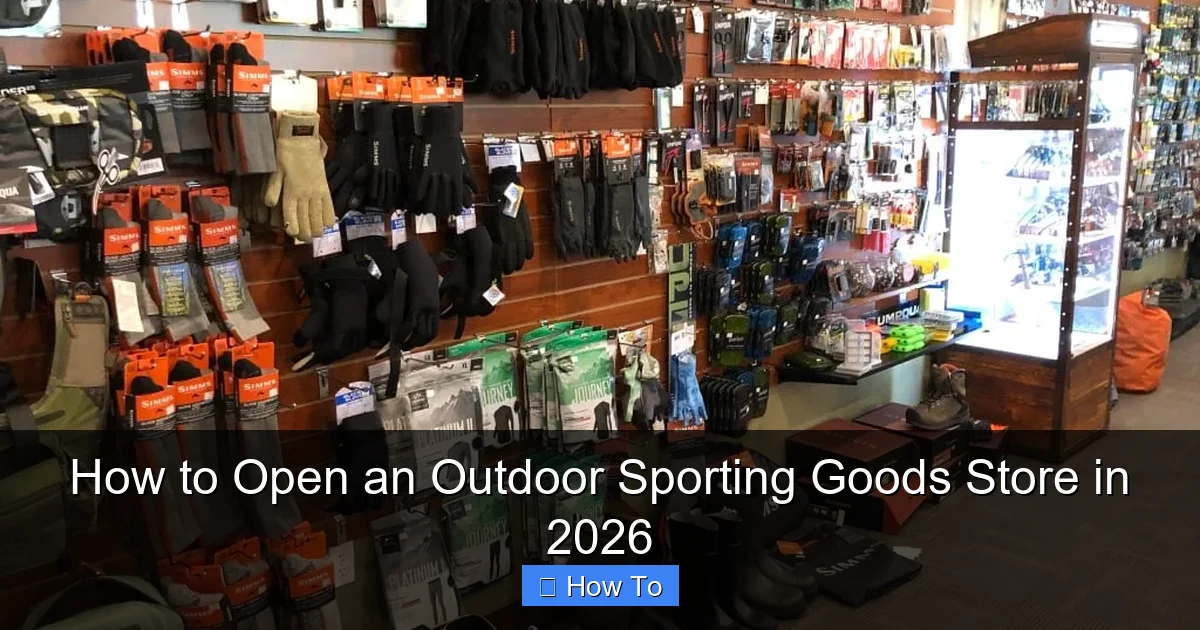
Opening an outdoor sporting goods store in 2026 starts with thorough market research and a clear niche—whether it’s hiking, camping, or water sports—to stand out in a competitive landscape. Success hinges on securing a prime location, building strong supplier relationships, and creating an immersive customer experience both in-store and online. With rising interest in outdoor recreation and sustainable adventure gear, now is the time to launch a store that combines expert knowledge, quality products, and community engagement to thrive in the evolving retail environment.
How to Open an Outdoor Sporting Goods Store in 2026
Key Takeaways
- Research your market: Analyze local demand, competition, and customer preferences before choosing a location.
- Choose a niche: Focus on specific outdoor activities like hiking, fishing, or camping to stand out.
- Secure reliable suppliers: Partner with trusted brands and manufacturers for quality, consistent inventory.
- Build an online presence: Launch a website and use social media to reach outdoor enthusiasts early.
- Prioritize customer experience: Train staff to offer expert advice and create a welcoming, adventure-inspired store environment.
Why This Matters / Understanding the Problem
Imagine this: You’re a passionate hiker, camper, or climber. You know the gear inside and out. But every time you walk into a big-box store, you feel like a number—not a fellow outdoor lover. That’s the gap you can fill. How to open an outdoor sporting goods store in 2026 isn’t just about selling tents and hiking boots. It’s about creating a community hub where people find gear, trust, and inspiration.
The outdoor recreation market is booming. According to the Outdoor Industry Association, outdoor recreation generated over $1.1 trillion in economic output in 2023. And with more people turning to nature for mental health and adventure, the demand for specialized gear is rising. But here’s the catch: It’s not just about stocking shelves. You need the right mix of passion, planning, and practicality.
If you’ve ever thought, “I could do this better,” you’re not alone. But turning that idea into a thriving store takes more than enthusiasm. This guide walks you through every step—from choosing a location to building customer loyalty—so you can launch with confidence. Whether you’re opening a brick-and-mortar shop, a hybrid online-offline model, or a seasonal pop-up, this is your roadmap for how to open an outdoor sporting goods store in 2026.
What You Need
Before you sign a lease or order inventory, let’s talk about the essentials. Opening an outdoor sporting goods store requires more than just a love for the trails. Here’s a quick rundown of what you’ll need:
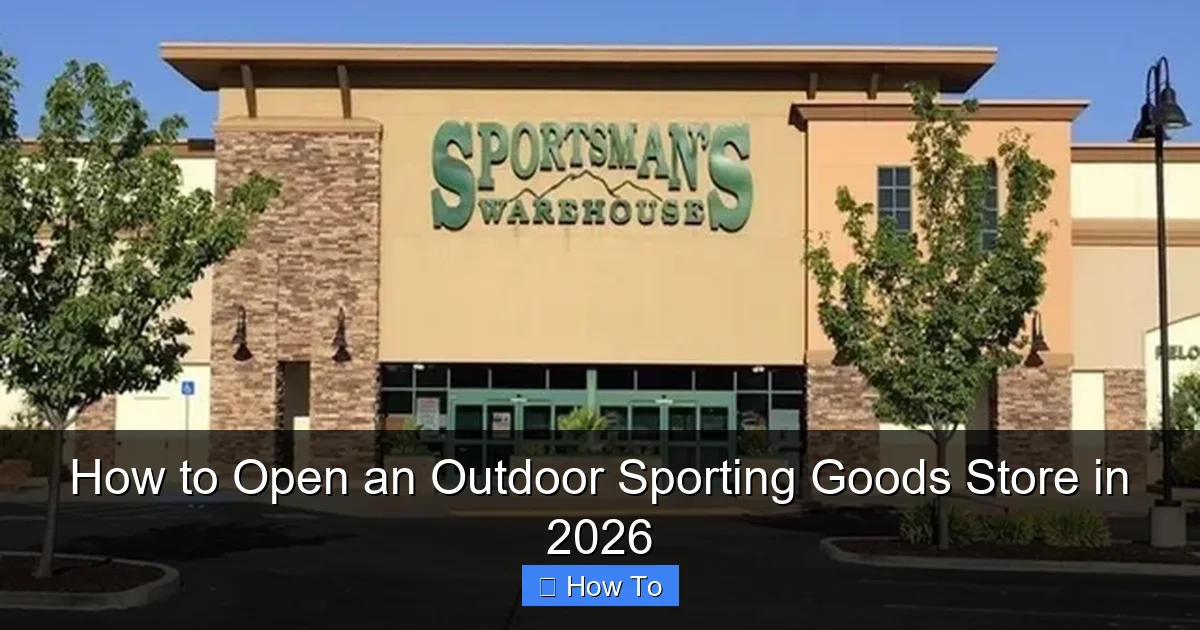
Visual guide about how to open an outdoor sporting goods store
Image source: reviewjournal.com
- Capital: $100,000–$300,000 (varies by location, size, and model). Include rent, inventory, staffing, marketing, and a 6-month emergency fund.
- Business Plan: A clear blueprint for your vision, target market, pricing, and growth strategy.
- Legal Structure: Register your business (LLC, S-Corp, etc.), get an EIN, and secure necessary licenses (retail, sales tax, zoning).
- Location: High-traffic area near trails, parks, or outdoor communities. Think ski towns, hiking hubs, or lakeside towns.
- Inventory: Start with core categories: camping, hiking, climbing, water sports, and apparel. Focus on quality, durability, and local demand.
- Staff: Hire people who live the outdoor lifestyle. They’ll be your brand ambassadors.
- POS System & E-commerce Platform: Tools like Square, Shopify, or Lightspeed for seamless sales and inventory tracking.
- Marketing Tools: Website, social media, email list, and local partnerships (outfitters, guides, trail groups).
Pro Insight: I once helped a friend open a small gear shop in Bend, Oregon. She skipped the emergency fund and ran out of cash after a slow winter. Don’t make that mistake. Always plan for 6 months of lean sales.
Step-by-Step Guide to How to Open an Outdoor Sporting Goods Store in 2026
Step 1: Research Your Market and Define Your Niche
Not every outdoor store is the same. Some focus on ultralight backpacking. Others specialize in family camping or ski rentals. Your first task? Define your niche.
Ask yourself:
- What outdoor activities are popular in your area?
- Who are your ideal customers? (e.g., weekend warriors, thru-hikers, kayakers)
- What do existing stores lack? (e.g., expert advice, local gear, repair services)
Then, do real research. Visit nearby stores. Talk to customers. Join local Facebook groups. Attend outdoor festivals. Look for gaps. Maybe there’s no place that sells eco-friendly camping gear or offers gear repair workshops. That’s your edge.
For how to open an outdoor sporting goods store in 2026, your niche is your superpower. It helps you stand out in a crowded market and build a loyal customer base.
Step 2: Write a Business Plan (Yes, Really)
I know—business plans sound boring. But they’re your compass. A good plan answers:
- Who are you? (Mission, values, brand voice)
- What are you selling? (Product mix, rental options, services)
- Who are you selling to? (Demographics, psychographics, pain points)
- How will you make money? (Pricing strategy, margins, break-even point)
- What’s your marketing plan? (Local events, social media, partnerships)
- What’s your financial forecast? (Startup costs, 3-year revenue, expenses)
Use free templates from SCORE or the Small Business Administration. Keep it simple—10–15 pages max. But make it detailed enough that a bank or investor would say, “I get it.”
Warning: Don’t skip this step. A vague plan leads to vague results. I’ve seen passionate owners burn out because they didn’t plan for cash flow or competition.
Step 3: Choose Your Business Structure and Register
You’ve got options: Sole proprietorship, LLC, S-Corp, or nonprofit (if you’re community-focused). For most, an LLC is best. It protects your personal assets and keeps taxes simple.
Here’s what to do:
- Choose a business name (check availability via your state’s Secretary of State site).
- Register your LLC (~$100–$500, depending on the state).
- Get an Employer Identification Number (EIN) from the IRS (free).
- Open a business bank account (never mix personal and business funds).
- Apply for local business licenses and permits (retail, sales tax, zoning).
Pro tip: Hire a local accountant or use services like LegalZoom to avoid mistakes. One wrong filing can cost you later.
Step 4: Find the Perfect Location
Location isn’t just about foot traffic. It’s about right traffic. You want people who:
- Live nearby and hike regularly
- Visit for outdoor events (marathons, festivals, races)
- Are tourists drawn to local trails, lakes, or mountains
Look for:
- Proximity to trailheads, parks, or outdoor centers
- High visibility (corner lot, main street)
- Affordable rent (compare with nearby retail spaces)
- Zoning approval for retail and storage
- Parking and accessibility
Visit at different times. Is the street busy on weekends? Is there a farmers market nearby? Talk to other shop owners. Ask, “What brings people here?”
Personal Story: I once helped a client open a store near a popular ski resort. The location was perfect—but the lease had a “no outdoor signage” clause. That hurt visibility. Always read the fine print.
Step 5: Build Your Inventory (Smartly)
Inventory is your biggest expense—and biggest risk. You don’t want to be stuck with 50 tents that never sell. Start lean and smart.
Here’s how:
- Start with core categories: Camping, hiking, climbing, water sports, and apparel.
- Focus on brands with strong reputations: Patagonia, The North Face, MSR, Black Diamond, Osprey. But also include local or sustainable brands (e.g., Kammok, Nemo).
- Offer a mix of price points: Budget, mid-range, premium. Most customers fall in the mid-range.
- Include services: Gear repair, boot fitting, rental programs. These boost loyalty and revenue.
- Test new products: Use consignment deals or small orders to test demand before bulk buying.
Use your POS system to track what sells. Adjust quarterly. For how to open an outdoor sporting goods store in 2026, agility is key. The market changes fast—especially with new tech (e.g., solar-powered gear, smart apparel).
Step 6: Design Your Store (Make It an Experience)
People don’t just buy gear. They buy stories, inspiration, and community. Your store should feel like an adventure waiting to happen.
Design tips:
- Use natural materials (wood, stone, plants) for a “backcountry” vibe.
- Create themed zones: “Weekend Camping,” “Thru-Hiking Prep,” “Family Kayaking.”
- Display gear in action: A tent set up, a kayak on a rack, a hammock in the corner.
- Add a “Trail Map Wall” with local hikes, trail conditions, and tips.
- Include a seating area with coffee or water. Encourage people to linger.
- Use lighting to highlight key products (but avoid harsh fluorescents).
Bonus: Add a repair bench or demo area. Let customers try gear before buying.
Pro Tip: I visited a store in Asheville that had a “Gear Library” corner—free to borrow for beginners. It built trust and brought in new customers. Small touches make a big difference.
Step 7: Hire the Right Team
Your staff is your brand. Hire people who:
- Love the outdoors and know gear
- Can explain technical features in simple terms
- Are friendly, patient, and problem-solvers
- Share your values (e.g., sustainability, inclusivity)
Look for candidates who’ve worked at REI, Patagonia, or local outfitters. Or passionate hobbyists with teaching skills.
Train them on:
- Product knowledge (materials, use cases, care)
- Customer service (listen first, recommend second)
- Store operations (POS, inventory, safety)
- Community engagement (hosting events, social media)
Pay fairly. Offer perks like free gear, trail access, or flexible schedules. Happy employees = happy customers.
Step 8: Launch Your Online Presence
Even if you’re brick-and-mortar, you need an online store. Why? 68% of outdoor shoppers research online before buying in-store.
Here’s what to do:
- Build a simple website: Use Shopify, Wix, or Squarespace. Include product pages, store info, blog, and contact form.
- Set up e-commerce: Offer local pickup, shipping, and rentals online.
- Start social media: Instagram and Facebook are best. Post gear tips, trail photos, staff stories, and events.
- Collect emails: Offer a 10% discount for sign-ups. Send monthly newsletters with gear guides, local events, and promotions.
- List on Google Business: Claim your profile, add photos, hours, and reviews.
For how to open an outdoor sporting goods store in 2026, your online presence is your 24/7 salesperson. It builds trust and drives foot traffic.
Step 9: Market Like a Pro (Without Breaking the Bank)
You don’t need a huge budget. You need smart, local marketing.
Try these:
- Host a launch event: Free gear demo, trail talk, or repair workshop. Invite local influencers and media.
- Partner with outfitters and guides: Cross-promote. Offer discounts to their clients.
- Join local events: Farmers markets, trail cleanups, outdoor festivals. Set up a pop-up booth.
- Start a blog: Write about “Best Hikes Near [Your Town],” “How to Choose a Sleeping Bag,” or “Eco-Friendly Camping Tips.”
- Use Facebook Groups: Join local outdoor groups. Post helpful tips—not ads.
- Run targeted ads: Use Facebook/Instagram ads to reach hikers, campers, and kayakers within 25 miles.
Focus on building relationships, not just sales. People support businesses they trust.
Step 10: Open Your Doors (and Keep Improving)
Grand opening day! Celebrate, but don’t stop there. Success comes from listening and adapting.
After opening:
- Track sales weekly. What’s flying off the shelves? What’s collecting dust?
- Ask for feedback. Use short surveys or comment cards.
- Host regular events: “Women’s Hiking Night,” “Beginner Kayak Clinic,” “Gear Repair 101.”
- Stay connected to the community. Sponsor a local trail or outdoor team.
- Review your financials monthly. Adjust inventory, pricing, or marketing as needed.
For how to open an outdoor sporting goods store in 2026, the launch is just the beginning. The real work is in building a brand that lasts.
Pro Tips & Common Mistakes to Avoid
Pro Tip #1: Start Small, Scale Smart Don’t overstock. Begin with 3–5 core categories. Add more as demand grows. I’ve seen stores go broke trying to carry everything.
Pro Tip #2: Build a Community, Not Just a Store People don’t just buy gear. They join tribes. Host events, create a loyalty program, and celebrate local outdoor achievements.
Pro Tip #3: Embrace Sustainability In 2026, eco-consciousness is non-negotiable. Offer repair services, recycle old gear, and partner with green brands. It builds trust and attracts younger customers.
Common Mistake #1: Ignoring the Competition You don’t have to beat REI or REI Co-op. But you should know what they offer—and where you can do better. Maybe you offer better local knowledge, faster service, or unique gear.
Common Mistake #2: Underpricing Don’t race to the bottom on price. You’re not a discount store. You’re a trusted expert. Price for value, not just cost.
Common Mistake #3: Neglecting Online Sales Even if you hate tech, you need an online store. It’s where people start their journey. Use tools like Shopify to make it easy.
FAQs About How to Open an Outdoor Sporting Goods Store in 2026
Q: How much does it cost to open an outdoor sporting goods store?
A: Expect $100,000–$300,000 for a brick-and-mortar store. Costs include rent ($30k–$80k/year), inventory ($50k–$150k), staffing ($30k–$60k/year), marketing, and legal fees. A smaller pop-up or online store can start for $50k or less.
Q: Do I need outdoor experience to run this kind of store?
A: Yes and no. You don’t need to be a pro climber. But you do need deep knowledge of gear and outdoor culture. If you’re new, hire staff with experience or take courses (e.g., Leave No Trace, wilderness first aid).
Q: Can I open a store in a small town?
A: Absolutely! Small towns with outdoor access (trails, rivers, mountains) can be perfect. The key is community focus. Partner with schools, guides, and local events. Build a loyal local base.
Q: Should I offer gear rentals?
A: Yes—especially for expensive items like kayaks, skis, or tents. Rentals attract beginners and generate steady income. Just make sure you have a cleaning and maintenance system.
Q: How do I compete with big-box stores?
A: You’re not competing on price. You’re competing on experience. Offer expert advice, local knowledge, repair services, and community events. Big stores can’t match that.
Q: What’s the best way to market my store?
A: Focus on local, authentic marketing. Host events, partner with outdoor groups, and use social media to share real stories. Avoid generic ads. Be the store people want to support.
Q: How do I handle seasonal sales dips?
A: Plan for it. Save 6 months of operating costs. Offer off-season services (e.g., gear storage, repair workshops). Diversify with online sales and rentals. Stay active in the community year-round.
Final Thoughts
Opening an outdoor sporting goods store in 2026 is more than a business move. It’s a chance to share your passion, support the outdoor community, and create a place where adventurers feel at home.
Remember: How to open an outdoor sporting goods store in 2026 isn’t about perfection. It’s about starting, learning, and adapting. You don’t need every answer today. You just need a solid plan, a clear niche, and the courage to take the first step.
So, grab your notebook. Talk to customers. Visit other stores. And when you’re ready—open those doors. The trails are waiting. And so is your future.
Now go build something amazing. The world needs more places where people can gear up, connect, and get outside.