Ballroom dancing is more than just a hobby—it’s a passionate art form that demands precision, grace, and the right equipment. Whether you’re gliding across the floor in a waltz, executing sharp turns in a cha-cha, or holding your frame in a dramatic tango, your shoes are your most important partner. They affect your balance, your movement, and even your confidence. That’s why choosing the right pair of ballroom shoes isn’t just about style—it’s about performance, comfort, and long-term value. With so many brands and models on the market, it’s easy to feel overwhelmed. That’s where this guide comes in.
In this comprehensive buying guide, we’ll walk you through everything you need to know to make an informed decision when purchasing ballroom shoes—specifically focusing on Roch Valley, one of the most respected names in the dance world. From understanding key performance features like heel height and sole flexibility, to navigating budget considerations and avoiding common pitfalls, we’ve got you covered. Whether you’re a beginner taking your first steps in a studio class or a seasoned competitor preparing for a championship, this guide will help you find the perfect pair that supports your journey.
The ballroom shoe market is diverse, with options ranging from affordable entry-level models to high-end professional designs. Brands like Capezio, Ray Rose, and Supadance offer strong competition, but Roch Valley has carved out a loyal following thanks to its blend of craftsmanship, comfort, and classic British elegance. Known for their handcrafted leather uppers, anatomically designed lasts, and attention to detail, Roch Valley shoes are a favorite among both social dancers and professionals. This guide will not only help you understand what makes Roch Valley stand out but also empower you to evaluate any ballroom shoe with confidence.

What to Look for When Buying Ballroom Shoes
1. Fit and Sizing Accuracy
One of the most critical factors in choosing ballroom shoes is getting the right fit. Unlike regular street shoes, ballroom shoes are designed to fit snugly—almost like a second skin. A proper fit ensures optimal control, prevents blisters, and allows for precise foot articulation. Roch Valley shoes are known for their true-to-size fit, but dancers should still try them on or consult detailed sizing charts before purchasing online. Many dancers find that they need to go half a size down from their usual shoe size, especially in leather models that stretch slightly over time.
When trying on ballroom shoes, wear the same type of hosiery you’ll use while dancing—typically thin dance socks or tights. Your toes should rest comfortably at the front without curling, and there should be no slipping at the heel. A well-fitted shoe will feel secure but not tight, allowing for natural movement. If you’re between sizes, consider the material: suede soles offer more grip and may feel tighter initially, while leather soles provide smoother glide and may require a slightly looser fit.
2. Heel Height and Stability
Heel height plays a crucial role in posture, balance, and dance technique. For women, standard ballroom heels range from 1.5 to 2.5 inches, with 2 inches being the most common for social and competition dancing. Men’s ballroom shoes typically feature a low heel of around 0.5 to 1 inch, designed to provide lift without compromising stability. Roch Valley offers a variety of heel options across their women’s lines, including their popular 2-inch Cuban heel and the more dramatic 2.5-inch flare heel for advanced dancers.
Stability is just as important as height. A well-constructed heel should have a solid shank—a reinforced support running from heel to ball of the foot—that prevents excessive flexing. This is especially important for fast turns and pivots. Look for shoes with a steel or fiberglass shank, which offer superior support compared to plastic alternatives. The heel itself should be securely attached, with no wobbling or creaking. Roch Valley uses hand-stitched heels and durable construction methods that enhance longevity and performance.
3. Sole Material and Flexibility
The sole of a ballroom shoe determines how it interacts with the dance floor. There are two main types: suede and leather. Suede soles are the gold standard for ballroom dancing because they provide the perfect balance of grip and slide. They allow dancers to pivot smoothly while maintaining control during steps like chassés and locks. Leather soles, on the other hand, are more slippery and are typically used for Latin or smooth styles where gliding is essential.
Roch Valley offers both suede and leather soles across their range, with most models featuring high-quality, replaceable suede soles. The flexibility of the sole is also important. A good ballroom shoe should bend at the ball of the foot but remain rigid through the shank. This allows for natural foot movement without sacrificing support. Overly stiff soles can restrict movement, while overly flexible ones may lack stability. Roch Valley’s soles are carefully calibrated to provide the ideal balance, making them suitable for both beginners and advanced dancers.
4. Upper Material and Breathability
The upper part of the shoe—the part that covers the foot—affects comfort, durability, and aesthetics. Roch Valley primarily uses full-grain leather, which is known for its strength, breathability, and ability to mold to the foot over time. Leather uppers are more durable than synthetic materials and tend to last longer with proper care. They also allow the foot to breathe, reducing sweat and odor during long practice sessions or performances.
Some models feature mesh panels or perforated designs to enhance airflow, which is especially beneficial for dancers who practice in warm environments. However, it’s important to note that breathable materials may not offer the same level of support as solid leather. For competition dancers, a fully leather upper is often preferred for its sleek appearance and structural integrity. Social dancers might appreciate the added comfort of ventilated designs during extended social events.
5. Arch Support and Cushioning
Proper arch support is essential for preventing fatigue and injury, especially during long dance sessions. Roch Valley shoes are designed with anatomical lasts that follow the natural curve of the foot, providing built-in arch support. This helps distribute weight evenly and reduces strain on the plantar fascia. Many models also include cushioned insoles made from memory foam or EVA (ethylene-vinyl acetate), which absorb impact and enhance comfort.
For dancers with high arches or flat feet, custom orthotics can be used in conjunction with ballroom shoes, though it’s important to ensure the shoe has enough depth to accommodate them. Roch Valley’s deeper toe boxes and roomier interiors make them a good choice for dancers who need extra space. Some advanced models even feature removable insoles, allowing for personalized cushioning solutions.
6. Style and Aesthetic Appeal
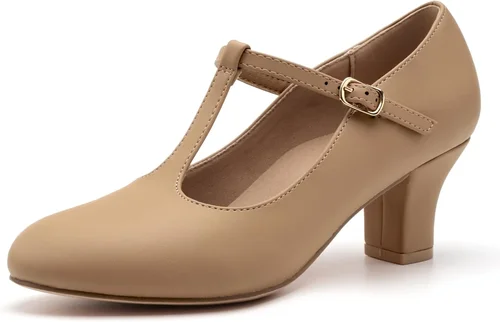
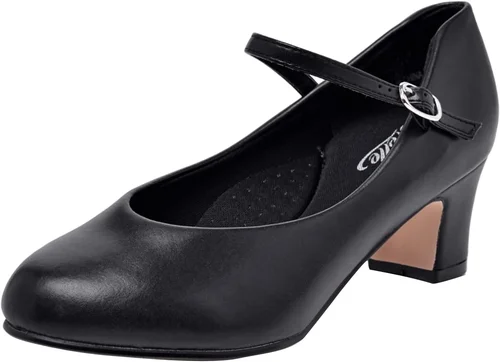
While performance is paramount, style matters too. Ballroom shoes come in a variety of designs, from classic closed-toe pumps to open-toe sandals and strappy Latin styles. Roch Valley offers a wide range of options, including their elegant “Classic” line for traditional ballroom, the “Elegance” series for social dancing, and the “Competition” range for serious performers. Colors typically include black, tan, and nude, though limited editions in metallic finishes or bold hues are occasionally available.
The design should complement your dance style and costume. For example, a sleek, minimalist pump works well for International Standard dances, while a more ornate sandal with rhinestones might be better suited for American Smooth or show dancing. Roch Valley’s attention to detail—such as hand-stitched seams, subtle embellishments, and refined silhouettes—makes their shoes a favorite among dancers who value both function and fashion.
7. Durability and Maintenance
Ballroom shoes are an investment, and durability is a key consideration. Roch Valley shoes are handcrafted using high-quality materials and traditional techniques, which contribute to their longevity. However, proper care is essential to maximize lifespan. Suede soles should be cleaned regularly with a soft brush to remove dirt and restore grip. Leather uppers can be conditioned with a gentle leather cream to prevent cracking and maintain suppleness.
It’s also important to rotate between multiple pairs if you dance frequently, as this allows each shoe to dry out and recover between uses. Storing shoes in breathable bags—not plastic—helps prevent moisture buildup and mold. While Roch Valley shoes are built to last, they are not indestructible. Heavy use in competitions or intense training may require sole replacements every 6–12 months, depending on frequency and floor conditions.
8. Brand Reputation and Customer Support
Roch Valley has been a trusted name in ballroom footwear since 1978, with a reputation for quality, consistency, and customer satisfaction. Based in the UK, the brand has supplied shoes to professional dancers, dance schools, and competition teams worldwide. Their commitment to craftsmanship is evident in every pair, from the precision of the stitching to the comfort of the fit.
Customer support is another strength. Roch Valley offers detailed sizing guides, fitting advice, and responsive service via email and phone. Many retailers also provide try-before-you-buy options or generous return policies, which is especially helpful when shopping online. Reading verified customer reviews can also provide insight into real-world performance, fit, and durability.
Different Types of Ballroom Shoes

Common Buying Mistakes to Avoid
❌ Mistake: Buying Based on Price Alone
Why it’s bad: Choosing the cheapest option might save money upfront, but low-quality shoes often lack proper support, wear out quickly, and can lead to discomfort or injury. A poorly constructed shoe may force you to buy replacements sooner, ultimately costing more in the long run.
What to do instead: Focus on value, not just price. Look for shoes that offer a balance of quality materials, good fit, and durability. Roch Valley’s mid-range models, for example, provide excellent performance at a reasonable price point.
❌ Mistake: Ignoring Sizing Charts and Trying On
Why it’s bad: Ballroom shoes fit differently than street shoes. Assuming your usual size will work can result in a poor fit—too tight, too loose, or uneven pressure points. This can cause blisters, instability, and reduced performance.
What to do instead: Always consult the brand’s sizing guide and, if possible, try on multiple sizes. Many dance retailers offer virtual fitting consultations or generous return policies to help you find the right fit.
❌ Mistake: Overlooking Sole Type for Dance Style
Why it’s bad: Using suede soles for Latin dancing or leather soles for ballroom can hinder your movement. The wrong sole type affects grip, slide, and control, making it harder to execute steps correctly.
What to do instead: Match the sole material to your dance style. Use suede for ballroom and standard dances, and leather or hybrid soles for Latin and smooth styles. Some dancers own multiple pairs for different disciplines.
❌ Mistake: Neglecting Arch Support and Cushioning
Why it’s bad: Dancing for hours without proper support can lead to foot fatigue, plantar fasciitis, or other injuries. Shoes that lack cushioning may feel uncomfortable after just 30 minutes.
What to do instead: Choose shoes with built-in arch support and cushioned insoles. If needed, use orthotic inserts, but ensure the shoe has enough depth to accommodate them comfortably.
❌ Mistake: Buying Online Without Research
Why it’s bad: Without trying them on, you risk receiving shoes that don’t fit or don’t match your expectations. Some online sellers may misrepresent quality or offer counterfeit products.
What to do instead: Buy from reputable retailers with clear return policies. Read customer reviews, check for authenticity seals, and look for detailed product descriptions and photos.
❌ Mistake: Skipping Maintenance and Care
Why it’s bad: Neglecting your shoes can shorten their lifespan significantly. Dirty soles lose grip, and dry leather cracks. This not only affects performance but also increases long-term costs.
What to do instead: Clean soles after each use, condition leather regularly, and store shoes properly. Rotate between pairs if you dance frequently to extend their life.
❌ Mistake: Choosing Style Over Function
Why it’s bad: A beautiful shoe that doesn’t fit well or lacks support can be more of a hindrance than a help. Prioritizing aesthetics over performance can compromise your dancing experience.
What to do instead: Let function guide your decision, then choose a style that complements your needs. Many high-performance shoes, like those from Roch Valley, also offer elegant designs.
Budget Guidelines: How Much Should You Spend?
Ballroom shoes come in a wide range of prices, and your budget should reflect your level of commitment, frequency of use, and performance needs. Here’s a breakdown of what to expect at different price tiers:
Entry-Level ($80–$120): Ideal for beginners or occasional social dancers. These shoes offer basic support and comfort but may use synthetic materials or less durable construction. They’re a good starting point to see if you enjoy dancing before investing more. Look for models with replaceable soles to extend usability.
Mid-Range ($120–$200): This is the sweet spot for most dancers. Shoes in this range, including many Roch Valley models, feature genuine leather uppers, quality suede soles, and better cushioning. They offer excellent value, balancing performance, comfort, and durability. Suitable for regular practice, classes, and social events.
Premium ($200–$300): Designed for serious dancers, competitors, and professionals. These shoes use top-tier materials, advanced construction techniques, and often include custom features like reinforced shanks, hand-stitched details, and premium finishes. They provide superior support, longevity, and aesthetic appeal.
Luxury ($300+): Top-of-the-line models with handcrafted details, exotic materials, or custom fittings. These are typically reserved for elite competitors or collectors. While they offer the ultimate in quality and performance, they may be overkill for casual dancers.

Expert Tips for Getting the Best Deal
- Shop During Off-Season: Many retailers offer discounts in late summer or early fall, after competition season ends. Look for end-of-season sales on previous-year models.
- Buy from Authorized Retailers: Ensure you’re purchasing from a trusted dealer to avoid counterfeit products. Check Roch Valley’s official website for a list of authorized sellers.
- Take Advantage of Try-Before-You-Buy Programs: Some dance stores allow you to test shoes in-studio before committing. This is especially helpful for online purchases.
- Check Return and Exchange Policies: A generous return window (30 days or more) gives you time to test the shoes and ensure they fit properly.
- Look for Bundle Deals: Some retailers offer discounts when you buy multiple pairs or combine shoes with dancewear or accessories.
- Join Dance Communities: Online forums and social media groups often share exclusive promo codes or flash sales from reputable brands.
- Consider Refurbished or Open-Box Options: Some stores sell returned or lightly used shoes at a discount. These can be a great way to get premium models at a lower price.
- Invest in Shoe Care Products: Buying a suede brush, leather conditioner, and shoe trees upfront can save money by extending the life of your shoes.

Frequently Asked Questions
Q: How do I know if my ballroom shoes fit correctly?
A: A proper fit means your toes rest comfortably at the front without curling, the heel stays in place without slipping, and there’s no pinching or tightness across the arch or ball of the foot. The shoe should feel snug but not painful. Try walking and pivoting in them to test stability.
Q: Can I wear ballroom shoes outside?
A: No. Ballroom shoes are designed for smooth dance floors, not pavement. Wearing them outside will quickly wear down the soles and damage the uppers. Always change into street shoes when leaving the studio or venue.
Q: How often should I replace my ballroom shoes?
A: It depends on usage. Casual dancers may get 1–2 years from a pair, while competitors may need new shoes every 6–12 months. Signs it’s time to replace include worn soles, loss of support, or discomfort during dancing.
Q: Are Roch Valley shoes suitable for beginners?
A: Yes. Roch Valley offers several beginner-friendly models with good support and comfort. Their “Classic” and “Elegance” lines are excellent starting points for new dancers.
Q: Do I need different shoes for different dance styles?
A: Ideally, yes. Ballroom (standard) and Latin dances require different sole types and shoe designs. Many dancers own at least two pairs—one for smooth/standard and one for Latin.
Q: Can I customize my Roch Valley shoes?
A: Roch Valley offers some customization options, such as heel height and color, through select retailers. Full custom fittings are available for professional dancers but may require a longer lead time and higher cost.
Q: How do I clean and maintain my ballroom shoes?
A: Use a soft brush to clean suede soles after each use. Wipe leather uppers with a damp cloth and apply leather conditioner monthly. Store in breathable bags and use shoe trees to maintain shape.
Q: Are Roch Valley shoes available in wide or narrow widths?
A: Roch Valley primarily offers standard widths, but some models are available in narrow or wide fittings. Check with authorized retailers for availability.
Q: What’s the difference between suede and leather soles?
A: Suede soles provide grip and controlled slide, ideal for ballroom dancing. Leather soles are smoother and better for gliding, commonly used in Latin and smooth styles.
Q: Can I use orthotics in ballroom shoes?
A: Yes, if the shoe has a removable insole and enough depth. Look for models with deeper toe boxes, such as some Roch Valley designs, to accommodate orthotics comfortably.
Our Final Recommendations
- Best for Budget-Conscious Buyers: Roch Valley Classic 200 – A reliable entry-level option with genuine leather, suede sole, and solid construction at an affordable price.
- Best Overall Value: Roch Valley Elegance 300 – Combines premium materials, excellent fit, and timeless style. Perfect for social dancers and regular practitioners.
- Best Premium Option: Roch Valley Competition Pro – Handcrafted with top-tier leather, reinforced shank, and custom heel options. Ideal for serious competitors.
- Best for Beginners: Roch Valley Starter 150 – Lightweight, comfortable, and easy to break in. Great for first-time buyers.
- Best for Advanced Users: Roch Valley Elite Flare – Features a 2.5-inch flare heel, anatomical last, and competition-grade support for high-level performance.
Conclusion: Making the Right Choice
Choosing the right ballroom shoes is a personal decision that depends on your dance style, experience level, and budget. While Roch Valley stands out for its craftsmanship, comfort, and reputation, the best shoe for you is the one that fits well, supports your movement, and inspires confidence on the dance floor. Take the time to research, try on different models, and prioritize function over fashion.
Remember, your shoes are more than just footwear—they’re an extension of your artistry. Invest wisely, care for them properly, and they’ll carry you through countless dances, performances, and memories. Whether you’re stepping into your first waltz or preparing for a championship, the right pair of ballroom shoes can make all the difference. So lace up, take the floor, and dance with confidence.