Dance is more than movement—it’s expression, discipline, and artistry. Whether you’re gliding across a ballroom floor, executing sharp turns in jazz class, or mastering intricate footwork in tap, the right pair of dance shoes can make all the difference. They’re not just footwear; they’re extensions of your body, tools that support technique, enhance performance, and protect your feet from injury. Yet, with countless brands, styles, and price points on the market, choosing the perfect dance shoe can feel overwhelming—especially when you’re investing in something as personal and performance-critical as your dance gear.
That’s where this guide comes in. Whether you’re a beginner taking your first steps in a studio, a seasoned competitor preparing for nationals, or a recreational dancer who loves weekend classes, this comprehensive buying guide is designed to help you make an informed, confident decision. We’ll walk you through everything you need to know about Roch Valley dance shoes—a brand trusted by dancers across the UK and beyond for their craftsmanship, comfort, and consistency. From understanding key fit and construction factors to comparing different shoe types and avoiding common pitfalls, this guide covers it all. By the end, you’ll know exactly what to look for, how much to spend, and which Roch Valley model might be your ideal match.
The dance footwear market is vast and varied, with options ranging from budget-friendly beginner shoes to custom-fitted professional models. Brands like Bloch, Capezio, and Sansha dominate the conversation, but Roch Valley has carved out a loyal following thanks to its focus on quality materials, ergonomic design, and dancer-centric innovation. Founded in the UK, Roch Valley specializes in dance and gymnastics footwear, offering a wide range of styles for ballet, jazz, tap, character, and contemporary dance. Their shoes are known for their durability, precise fit, and attention to the biomechanics of dance movement. In this guide, we’ll dive deep into what sets Roch Valley apart, how to evaluate your needs, and how to choose the best shoe for your dance journey—no matter your level or style.

What to Look for When Buying Dance Shoes
1. Fit & Sizing Precision
Fit is arguably the most critical factor when choosing dance shoes. A poorly fitting shoe can lead to blisters, foot fatigue, instability, and even long-term injury. Roch Valley shoes are known for their consistent sizing, but dancers should still take care to measure their feet accurately before purchasing. Unlike regular street shoes, dance shoes often fit snugly to allow for precise control and feedback from the floor. For ballet slippers, a tight but comfortable fit is ideal—your toes should lie flat without curling, and there should be minimal extra space at the heel. Jazz and character shoes may allow slightly more room for movement, but never so much that your foot slides around inside.
Roch Valley offers detailed size charts on their website, including measurements in both UK and EU sizes. It’s highly recommended to measure your feet at the end of the day when they’re slightly swollen, as this mimics the conditions during a dance class or performance. Use a soft tape measure to determine the length from heel to longest toe, and compare it to their sizing guide. If you’re between sizes, consider the width of your foot—Roch Valley offers some models in narrow, regular, and wide fits, which can make a significant difference in comfort.
2. Dance Style & Shoe Type
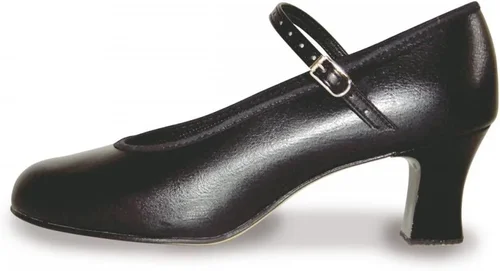
Different dance styles demand different types of footwear, and Roch Valley offers specialized shoes for each. Ballet dancers need soft slippers with flexible soles that allow for full foot articulation and pointe work preparation. Jazz dancers require shoes with split soles for better grip and flexibility, often with a low heel for stability during turns and jumps. Tap dancers need hard soles with metal plates attached to the toe and heel for sound projection. Character and modern dancers may prefer shoes with a slight heel and durable construction for expressive movement.
Choosing the right shoe type ensures that your footwear supports the technical demands of your discipline. For example, wearing jazz shoes for ballet can limit your ability to feel the floor properly, while using ballet slippers for tap would make it impossible to produce clear sounds. Roch Valley’s catalog is well-organized by dance style, making it easier to narrow down your options. Beginners should start with the most common shoe for their style—such as a full-sole jazz shoe for jazz classes—and upgrade to more specialized models as their skills develop.
3. Material & Construction Quality
The materials used in dance shoes directly impact comfort, durability, and performance. Roch Valley uses high-quality leather, suede, and canvas in their constructions, each with distinct advantages. Leather offers excellent breathability and molds to the foot over time, providing a custom-like fit. Suede soles are standard on many Roch Valley jazz and character shoes because they offer the right balance of grip and slide—essential for controlled turns and smooth transitions. Canvas is lightweight and affordable, making it a popular choice for beginner ballet slippers and practice shoes.
Pay attention to stitching, glue quality, and sole attachment. Well-constructed shoes will have even, tight stitching with no loose threads, and soles that are securely bonded to the upper. Roch Valley is known for its attention to detail in this area, but it’s still worth inspecting shoes upon delivery. Look for reinforced toe boxes in ballet slippers (important for pre-pointe students) and durable heels in character shoes that can withstand repeated impact. The better the construction, the longer the shoe will last—even under intense use.
4. Flexibility & Support
Flexibility and support are two sides of the same coin in dance footwear. Too much flexibility can lead to lack of stability, especially in the arch, while too much rigidity can restrict natural foot movement and cause discomfort. Roch Valley designs its shoes to strike a balance, offering enough give for expressive footwork while maintaining structural integrity where it’s needed most.
For ballet slippers, look for a shoe that bends easily at the ball of the foot but holds its shape through the arch. This allows for proper demi-pointe work without collapsing. Jazz shoes should flex naturally with the foot but provide a firm platform for jumps and landings. Character shoes need a sturdier build to support the heel and protect the foot during dramatic movements. Try flexing the shoe in your hands—if it feels too stiff or too floppy, it may not be right for your needs.
5. Comfort & Break-In Period
Even the best dance shoes require a break-in period, but that doesn’t mean they should be painful from day one. Roch Valley shoes are generally praised for their comfort out of the box, but individual preferences vary. Some dancers prefer a snug fit that loosens slightly over time, while others need immediate comfort for long rehearsals.
Pay attention to cushioning, especially in the insole and heel area. While dance shoes aren’t meant to be heavily padded like athletic sneakers, a thin layer of cushioning can reduce impact and prevent soreness. Roch Valley uses contoured insoles in many of their models to support the natural arch and distribute pressure evenly. If you have high arches or flat feet, consider whether the shoe accommodates your foot shape or if you’ll need additional orthotics.
6. Durability & Longevity
Dance is a physically demanding activity, and shoes take a beating—especially if you’re dancing multiple times a week. Durability is a key consideration, particularly for students and professionals who go through shoes quickly. Roch Valley is known for building shoes that last, but longevity also depends on how you use and care for them.
Leather and suede tend to be more durable than canvas, though they may require more maintenance. Reinforced toe boxes, double stitching, and high-quality adhesives all contribute to a shoe’s lifespan. If you’re a serious dancer logging 10+ hours a week, investing in a mid- to high-range Roch Valley model can save you money in the long run by reducing the frequency of replacements. Conversely, beginners may opt for more affordable options until they’re sure of their commitment and style preferences.
7. Aesthetics & Appearance
While performance is paramount, appearance matters too—especially in performance or competition settings. Roch Valley offers a range of colors and finishes, from classic black and pink to bold reds and metallics. Many of their shoes feature elegant stitching, subtle branding, and clean lines that look professional on stage.
Consider the dress code of your studio or company. Some schools require specific colors (e.g., black jazz shoes for exams), while others allow more creative expression. If you’re buying for a recital or competition, choose a shoe that complements your costume and enhances your overall presentation. That said, never sacrifice fit or comfort for looks—no amount of sparkle can compensate for a shoe that hurts your feet.
8. Brand Reputation & Customer Support
Roch Valley has built a strong reputation in the dance community for reliability, quality, and customer service. They are a UK-based company with decades of experience crafting dance and gymnastics footwear. Their shoes are widely used in schools, studios, and professional companies across Europe and beyond.
When buying from a reputable brand like Roch Valley, you’re more likely to receive consistent sizing, honest product descriptions, and responsive customer support. If you have an issue with your order—such as a defect or incorrect size—Roch Valley typically offers hassle-free returns and exchanges. Reading customer reviews on their website or third-party platforms can also give you insight into real-world performance and satisfaction.
Different Types of Dance Shoes

Common Buying Mistakes to Avoid
❌ Mistake: Buying Based Solely on Price
Why it’s bad: While budget is important, choosing the cheapest option often leads to poor fit, discomfort, and shorter lifespan. Inexpensive shoes may use lower-quality materials that wear out quickly or don’t provide adequate support, potentially leading to injury.
What to do instead: Set a realistic budget based on your dance frequency and goals. Invest in a mid-range Roch Valley model that balances cost and quality. Remember, a £40 shoe that lasts six months is better value than a £20 shoe that falls apart in two.
❌ Mistake: Ignoring Width and Arch Support
Why it’s bad: Many dancers focus only on length when sizing, but width and arch support are equally important. A shoe that’s too narrow can cause bunions or nerve pain, while one that’s too wide can lead to instability.
What to do instead: Measure both the length and width of your foot. Roch Valley offers some models in multiple widths—take advantage of this. If you have high arches, look for shoes with contoured insoles or consider adding orthotic inserts.
❌ Mistake: Not Trying Shoes On Before Buying
Why it’s bad: Online shopping is convenient, but dance shoes must fit perfectly. Sizing can vary between models and even batches, and what fits one person may not fit another—even with the same measurements.
What to do instead: Whenever possible, try shoes on in person at a dancewear store. If buying online, choose retailers with generous return policies. Roch Valley’s website often lists authorized dealers where you can try before you buy.
❌ Mistake: Overlooking the Break-In Period
Why it’s bad: Expecting new shoes to feel perfect immediately can lead to disappointment or misuse. Some discomfort during the break-in period is normal, but pain is not.
What to do instead: Gradually break in your shoes by wearing them for short periods at home. Use moleskin or gel pads on hot spots if needed. Avoid wearing brand-new shoes in a high-stakes performance or exam.
❌ Mistake: Choosing Style Over Function
Why it’s bad: A shoe that looks great but doesn’t perform well can hinder your technique and increase injury risk. Flashy colors or embellishments may not be allowed in certain studios or competitions.
What to do instead: Prioritize fit, comfort, and functionality. Choose a style that meets your technical needs first, then select a color or design that fits your aesthetic preferences and dress code requirements.
❌ Mistake: Neglecting Shoe Care
Why it’s bad: Failing to clean and store shoes properly can shorten their lifespan and lead to odor or deterioration. Sweat and moisture can break down materials over time.
What to do instead: Allow shoes to air dry after use—never leave them in a closed bag. Use shoe trees or stuff them with paper to maintain shape. Clean suede soles with a soft brush and leather uppers with a damp cloth.
Budget Guidelines: How Much Should You Spend?
Setting a budget for dance shoes depends on your level, frequency of use, and long-term goals. Here’s a breakdown of what to expect at different price points when shopping for Roch Valley shoes:
Entry-Level (£15 – £25): Ideal for beginners or occasional dancers. These shoes are typically made from canvas or synthetic materials and offer basic functionality. They’re great for trying out a new style or attending weekly classes. While they may not last as long as higher-end models, they provide a cost-effective way to start your dance journey. Look for Roch Valley’s beginner ballet slippers or jazz shoes in this range.
Mid-Range (£25 – £45): This is the sweet spot for most dancers. Shoes in this tier use higher-quality leather or suede, better construction, and improved comfort features. They’re suitable for regular classes, rehearsals, and even some performances. Many pre-professional students and recreational dancers find that mid-range Roch Valley shoes offer the best balance of durability, performance, and value.
Premium (£45 – £65): Designed for serious dancers, advanced students, and professionals. These shoes feature premium materials, reinforced construction, and ergonomic designs tailored to high-level performance. They offer superior support, longevity, and precision. If you’re training intensively or competing, investing in a premium Roch Valley model can enhance your technique and reduce injury risk.
Luxury (£65+): While Roch Valley doesn’t typically market “luxury” shoes in the traditional sense, their top-tier models with custom options or specialized features (like reinforced heels for character work or ultra-flexible soles for contemporary) fall into this category. These are for dancers who demand the absolute best in fit, function, and finish—often professionals or those with specific biomechanical needs.

Expert Tips for Getting the Best Deal
Getting the best value on Roch Valley dance shoes isn’t just about finding the lowest price—it’s about making smart, informed decisions. Here are some expert tips to help you save money and get the most out of your purchase:
- Shop During Off-Peak Seasons: Many dance retailers offer discounts during the summer months when class enrollment dips. Look for end-of-season sales on last year’s models, which are often nearly identical to current ones.
- Sign Up for Newsletters: Roch Valley and authorized dealers frequently send exclusive promo codes and early access to sales. A simple email sign-up can save you 10–15% on your first order.
- Buy in Multi-Packs: If you need multiple pairs (e.g., for a team or family), some retailers offer discounts on bulk purchases. This is especially useful for studios buying in quantity.
- Check Student and Teacher Discounts: Many dancewear stores offer discounts for students, teachers, and studio owners. Bring your ID or proof of enrollment to take advantage.
- Read Return Policies Carefully: Even the best-fitting shoe might not work for you. Choose retailers with flexible return windows—ideally 30 days or more—and clear guidelines on condition requirements.
- Consider Secondhand Options: Gently used Roch Valley shoes can be a great deal, especially for growing children or beginners. Check reputable secondhand dancewear sites or local buy/sell groups, but always inspect for wear and hygiene.
- Test Before Committing: If you’re unsure between two models, buy one pair first. Wear them in a low-pressure setting and see how they feel after a few wears. If they’re not right, you can return them and try the other.
- Maintain Your Shoes: Proper care extends lifespan. Rotate between two pairs if you dance frequently, clean them regularly, and store them properly. This reduces the need for frequent replacements.

Frequently Asked Questions
Q: How do I know if my Roch Valley shoes fit correctly?
A: A proper fit means your toes lie flat without curling, there’s no slipping at the heel, and the shoe feels snug but not tight. You should be able to wiggle your toes slightly, and the shoe should move with your foot—not slide around. Use Roch Valley’s size chart and measure your feet at the end of the day for the most accurate results.
Q: Can I wear Roch Valley jazz shoes for ballet?
A: Not recommended. Jazz shoes have a split sole and different flexibility than ballet slippers, which can interfere with proper foot articulation and technique. Always use the appropriate shoe for your dance style.
Q: Do Roch Valley shoes run true to size?
A: Generally, yes—Roch Valley is known for consistent sizing. However, individual foot shapes vary, so it’s still important to measure and, if possible, try them on. Some models may fit slightly differently, so check product descriptions for notes on fit.
Q: How long do Roch Valley dance shoes typically last?
A: With regular use (3–5 times per week), a good pair of Roch Valley shoes can last 3–6 months. Durability depends on dance style, intensity, and care. Leather and suede models tend to last longer than canvas.
Q: Are Roch Valley shoes suitable for wide feet?
A: Yes, many Roch Valley models are available in wide widths. Look for “W” or “Wide” in the product name or description. If your local retailer doesn’t stock wide sizes, check online or contact Roch Valley directly.
Q: Can I return Roch Valley shoes if they don’t fit?
A: Most authorized retailers offer returns or exchanges within 14–30 days, provided the shoes are unworn and in original condition. Always check the return policy before purchasing, especially when buying online.
Q: Do I need special socks or tights with Roch Valley shoes?
A: It depends on the shoe and dance style. Ballet slippers are typically worn with thin ballet tights or footed tights. Jazz and character shoes are usually worn barefoot or with foot thongs. Tap shoes are worn with socks to reduce noise and protect the foot.
Q: Are Roch Valley shoes good for beginners?
A: Absolutely. Roch Valley offers a range of beginner-friendly models that are affordable, comfortable, and durable. Their shoes are widely used in dance schools and are a great starting point for new dancers.
Q: Where can I buy authentic Roch Valley shoes?
A: Purchase directly from the Roch Valley website or authorized retailers listed on their site. Avoid third-party sellers on marketplaces unless verified, as counterfeit or outdated stock can be an issue.
Q: Can I customize my Roch Valley shoes?
A: Roch Valley offers limited customization options, such as color choices and width variations. For full custom fittings (e.g., orthotic inserts or modified lasts), you may need to consult a specialist dance shoemaker.
Our Final Recommendations
After evaluating fit, performance, durability, and value, here are our top picks across different categories:
Best for Budget-Conscious Buyers: Roch Valley Canvas Ballet Slipper – At around £18, this is an excellent entry-level option for beginners. It’s lightweight, flexible, and available in multiple widths. Perfect for weekly classes and building foundational technique.
Best Overall Value: Roch Valley Leather Jazz Shoe (Split Sole) – Priced around £35, this shoe offers premium materials, excellent grip, and long-lasting construction. Ideal for intermediate dancers and those who want a reliable, versatile shoe.
Best Premium Option: Roch Valley Character Shoe with Reinforced Heel – At £55–£65, this shoe is built for performance. The durable leather upper, sturdy heel, and elegant design make it a favorite among musical theatre and modern dancers.
Best for Beginners: Roch Valley Full-Sole Jazz Shoe – A great first jazz shoe with a full sole for stability and a comfortable fit. Affordable at £25, it’s perfect for new dancers exploring jazz or lyrical styles.
Best for Advanced Users: Roch Valley Tap Shoe with Fiberboard Heel – Designed for serious tap dancers, this shoe features a hard sole, metal plates, and a fiberboard heel for superior sound and durability. Priced around £50, it’s a top performer in its class.
Conclusion: Making the Right Choice
Choosing the right dance shoes is a deeply personal decision that affects your comfort, performance, and progress. Roch Valley has earned its reputation by consistently delivering quality footwear that meets the diverse needs of dancers at every level. From the flexible canvas of a beginner’s ballet slipper to the sturdy heel of a character shoe, their range is thoughtfully designed with dancers in mind.
As you navigate your options, remember to prioritize fit, function, and your specific dance style. Don’t rush the process—take time to measure, try on, and compare. Use the tips and guidelines in this article to avoid common pitfalls and make a confident, informed purchase. And when in doubt, consult your teacher or a professional fitter—they can offer invaluable insights based on your technique and goals.
Ultimately, the best dance shoe is the one that helps you dance better, feel more confident, and enjoy every step of your journey. Whether you’re rehearsing for a recital, training for a competition, or simply dancing for joy, the right pair of Roch Valley shoes can be a trusted partner in your movement. So lace up, step out, and let your feet tell the story.