Tapping into the world of dance can be one of the most exhilarating experiences—especially when you’re making music with your feet. Tap shoes are more than just footwear; they’re instruments that translate rhythm, precision, and artistry into sound. Whether you’re a beginner taking your first shuffle-ball-change or a seasoned performer preparing for the stage, choosing the right pair is critical. That’s where Roch Valley comes in—a brand long respected in the dance community for its craftsmanship, reliability, and dedication to quality.
In this comprehensive buyer’s guide, we’ll walk you through everything you need to know about Roch Valley tap shoes in 2026. From understanding key features like sole construction and tap plate material, to comparing different models and avoiding common purchasing pitfalls, this guide is designed to help you make an informed decision. We’ll also break down budget considerations, share expert tips for getting the best value, and answer frequently asked questions based on real dancer experiences. Whether you’re shopping for your first pair or upgrading from a worn-out favorite, this guide will equip you with the knowledge to choose wisely.
The tap shoe market today offers an overwhelming array of options—from budget-friendly synthetic models to handcrafted leather beauties used by Broadway professionals. Brands vary widely in quality, fit, and performance, and it’s easy to get lost in the noise. Roch Valley has carved out a strong reputation over decades, particularly among teachers, students, and intermediate-to-advanced dancers. Their shoes strike a balance between affordability and performance, making them a go-to choice for many studios and dance schools. But even within the Roch Valley lineup, there are nuances that matter—especially when it comes to sizing, comfort, and long-term durability.

What to Look for When Buying Buying Guide
1. Budget & Price Range
When shopping for tap shoes, your budget will significantly influence your options. Roch Valley offers a range of models that cater to different price points, but understanding what you’re paying for helps ensure you don’t overspend or underinvest. Entry-level Roch Valley shoes typically start around $60–$80, while mid-range models fall between $90–$130. Premium or professional-grade pairs can reach $150–$200, especially if they feature full leather uppers, reinforced shanks, or custom tap plates.
Why does price matter? Cheaper shoes often use synthetic materials and basic construction methods, which may save money upfront but wear out faster. They might also lack proper arch support or cushioning, leading to discomfort during longer practices. On the other hand, higher-priced models invest in better materials—like genuine leather uppers and soles—and more precise manufacturing, resulting in improved sound quality, durability, and foot health over time.
Consider your commitment level: Are you dancing once a week for fun, or training several times a week with performance goals? If you’re serious about developing your technique, spending a bit more upfront can save you money in the long run by avoiding frequent replacements. Also, keep in mind that some features—like replaceable taps or adjustable heel heights—are only available in mid-to-high-tier models.
2. Performance Specifications
Performance specs go beyond just “how loud” the taps are—they encompass sound clarity, responsiveness, and how well the shoe supports dynamic movement. Roch Valley designs its shoes with specific dance styles in mind, so understanding these specs ensures your shoes match your goals.
Key performance factors include tap plate material (usually aluminum or steel), sole thickness, heel height, and flexibility. Aluminum plates produce a bright, crisp sound ideal for musical theater and jazz styles, while steel offers a deeper, more resonant tone preferred in traditional or rhythmic tap. The sole should be firm enough to transmit sound clearly but flexible enough to allow natural foot articulation—especially important for advanced steps like wings or pullbacks.
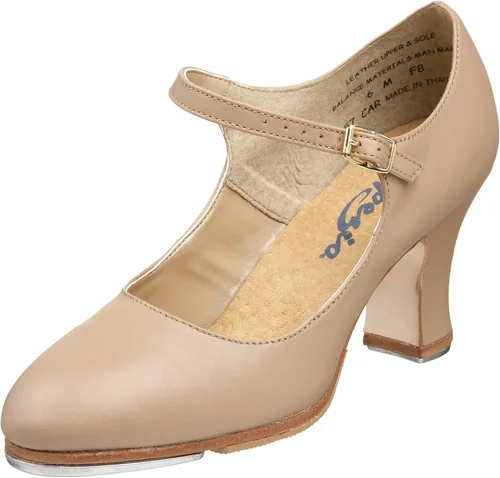
Heel height also affects balance and sound projection. A higher heel (1.5–2 inches) lifts the dancer onto the balls of their feet, enhancing agility and creating a sharper tap sound. However, beginners may find lower heels (0.75–1 inch) more stable and comfortable during learning phases. Roch Valley’s “Studio” and “Performance” lines often differ in these specs, so check product descriptions carefully.
Additionally, consider the shank—the internal support structure beneath the arch. A full-length shank provides maximum stability for jumps and turns, while a split shank offers more flexibility for expressive footwork. Many Roch Valley models include reinforced shanks, but the degree varies by line.
3. Build Quality & Durability
Durability is where Roch Valley truly shines. Unlike mass-market brands that prioritize low cost over longevity, Roch Valley focuses on robust construction that withstands hours of practice and performance. Their shoes are handmade in small batches using time-tested techniques, including hand-lasting (shaping the shoe around a foot form) and double-stitching critical stress points.
Materials matter: Genuine leather uppers resist stretching and mold to your feet over time, while synthetic alternatives may degrade faster under moisture and friction. Leather soles, though less common in entry-level models, offer superior grip and sound transmission compared to rubber or composite blends. Even the lining—often overlooked—plays a role; breathable, moisture-wicking fabrics reduce odor and blister risk.
Look for reinforced toe boxes and heels, especially if you perform heavy-duty steps like time steps or paradiddles. Some Roch Valley models feature extra padding in the forefoot or collar to protect against impact. Over time, well-made shoes develop a “memory” of your foot shape, improving comfort without sacrificing support.
That said, no shoe lasts forever. With regular use (3–5 times per week), expect 6–12 months of life from mid-range models and up to 2+ years from premium ones—provided you maintain them properly (more on that later).
4. Features & Functionality
Modern tap shoes come with a host of functional features designed to enhance performance and comfort. Roch Valley integrates several thoughtful details across its product lines:
– Replaceable Taps: Many models allow you to unscrew and swap out worn tap plates, extending the shoe’s lifespan.
– Adjustable Heel Straps: Some styles include elastic or Velcro straps to customize fit and prevent heel slippage.
– Cushioned Insoles: Memory foam or gel inserts improve shock absorption, crucial for dancers with joint sensitivity.
– Breathable Linings: Mesh or perforated materials promote airflow, reducing sweat buildup during intense sessions.
– Non-Slip Soles: Especially useful for outdoor rehearsals or slippery studio floors.
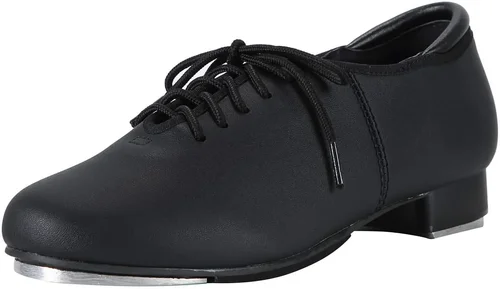
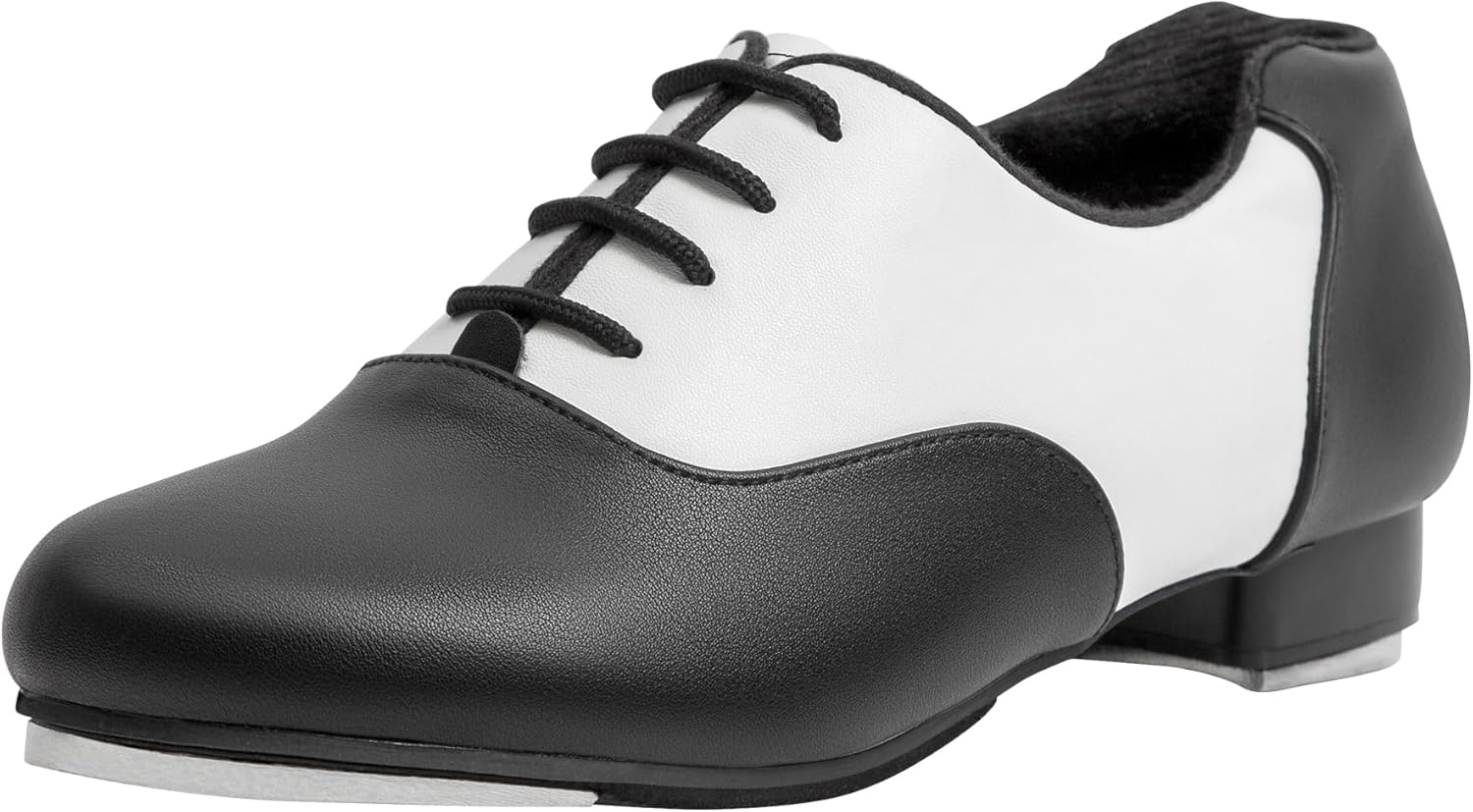
Functionality also extends to style versatility. Do you need black lace-ups for recitals, or jazz oxfords for casual classes? Roch Valley offers both, along with split-sole options for greater foot articulation. For younger dancers, velcro closures provide easy on/off without sacrificing security.
Consider your environment too: If you rehearse on marley floors, ensure the sole material won’t mark or slip. For outdoor gigs, look for water-resistant treatments or quick-dry linings.
5. Brand Reputation
Roch Valley has been a trusted name in dance since the 1970s, originally based in the UK and now serving a global audience. Their reputation rests on consistent quality, ethical manufacturing, and close collaboration with dance educators. Unlike fast-fashion brands that churn out disposable footwear, Roch Valley prioritizes craftsmanship and dancer feedback.
Teachers often recommend Roch Valley because their shoes meet syllabus requirements for major dance exams (like ISTD or RAD), ensuring students develop proper technique without compromising safety. The brand also maintains transparency about sourcing and production, which resonates with environmentally and socially conscious buyers.
Customer service is another strength: Many retailers report responsive support for sizing issues or defects, and the brand stands behind its products with reasonable warranty policies. While not as flashy as some celebrity-endorsed lines, Roch Valley earns loyalty through reliability—a trait that matters most when you’re mid-choreography and can’t afford gear failure.
6. Warranty & Support
A solid warranty reflects confidence in product quality—and Roch Valley delivers here. Most new shoes come with a 6- to 12-month manufacturer’s warranty covering defects in materials or workmanship. This typically includes issues like sole separation, stitching failure, or tap plate detachment under normal use.
However, warranties usually exclude wear and tear from regular dancing, so it’s important to understand the limits. For example, worn-down tap plates or scuffed leather aren’t covered, but a cracked shank or loose insole might be.
Support extends beyond the warranty: Roch Valley provides detailed care guides, sizing charts, and even video tutorials on their website. If you buy from an authorized retailer, you’ll often get access to exchange programs or repair services. Some dance stores also offer free fittings or adjustments, which can be invaluable for getting the right fit the first time.
Always register your purchase online if possible—this streamlines any future claims and ensures you receive updates about product recalls or improvements.
7. Size & Fit
Fit is arguably the most critical factor in tap shoe selection. A poorly fitting shoe can cause blisters, restrict movement, or even lead to injury—especially during fast footwork or jumps. Roch Valley uses UK sizing, which differs slightly from US or EU standards, so always consult their official size chart before ordering.
Key fit considerations:
– Length: Your toes should lightly touch the end when standing, but not feel cramped. When seated, there should be a thumb’s width of space behind the heel.
– Width: Roch Valley offers standard (medium) width; narrow or wide options are limited but available in select models.
– Arch Support: If you have high or low arches, look for models with contoured insoles or removable footbeds you can replace with orthotics.
– Break-In Period: Leather shoes may feel stiff initially but soften within 10–15 hours of wear. Synthetic models usually require less break-in.
Never size up hoping the shoe will “stretch”—this leads to heel slippage and instability. Conversely, sizing down causes toe crunching and reduced circulation. When in doubt, try before you buy: Visit a local dance shop or order multiple sizes online (check return policies first).
8. User Reviews & Ratings
While specs and brand claims are helpful, real-world feedback from fellow dancers offers unmatched insight. Roch Valley shoes consistently earn high marks on platforms like Amazon, Dancewear Central, and specialized forums like The Tap Dance Hall of Fame.
Common praise points include:
– “Surprisingly comfortable for long rehearsals”
– “Taps stay secure even after months of use”
– “Great value compared to Capezio or Bloch”
Critiques often focus on sizing inconsistencies (especially between batches) or the need for break-in time. Some users note that certain models run narrow, so checking recent reviews for your specific foot type is wise.
Look for patterns: If multiple reviewers mention the same issue (e.g., “heel cup too shallow”), it’s likely a design quirk rather than an isolated defect. Also, pay attention to reviewer experience level—a beginner’s comfort needs differ from a professional’s performance demands.
Different Types of Buying Guide

Common Buying Mistakes to Avoid
❌ Mistake: Choosing Based Solely on Price
Why it’s bad: Opting for the cheapest option often means sacrificing comfort, sound quality, and longevity. A $50 shoe might seem like a bargain, but if it causes blisters or falls apart in three months, you’ll end up spending more in replacements.
What to do instead: View tap shoes as an investment in your dance journey. Allocate your budget based on usage frequency and goals. Even beginners benefit from a mid-range model that supports proper technique development.
❌ Mistake: Ignoring Sizing Charts
Why it’s bad: Assuming your street shoe size translates directly to tap shoes leads to poor fit. Roch Valley uses UK sizing, which can confuse US buyers. Ill-fitting shoes hinder performance and increase injury risk.
What to do instead: Always measure your foot length and width, then cross-reference with Roch Valley’s official size guide. When possible, try on multiple sizes or order with a flexible return policy.
❌ Mistake: Overlooking Break-In Time
Why it’s bad: Expecting new leather shoes to feel perfect immediately sets you up for disappointment—and potential foot pain. Stiff soles and tight uppers need time to mold to your feet.
What to do instead: Wear new shoes around the house for short periods before dancing. Use leather conditioner to soften the material gradually. Patience pays off in long-term comfort.
❌ Mistake: Neglecting Floor Type
Why it’s bad: Using street-style taps on marley floors can damage both the shoe and the surface. Conversely, soft soles on concrete wear out quickly.
What to do instead: Match your shoe sole to your primary dance surface. Most studio work calls for hard soles with metal taps; outdoor or gym floors may require rubberized alternatives.
❌ Mistake: Skipping the Test Tap
Why it’s bad: Sound preference is highly personal. What sounds “bright” to one dancer might feel “tinny” to another. Buying without testing means you might dislike the tone.
What to do instead: If shopping in person, tap gently on a hard surface. Online, watch video demos or read sound descriptions. Some retailers offer sound sample clips.
❌ Mistake: Forgetting About Maintenance
Why it’s bad: Tap shoes require care to last. Neglecting cleaning, tap tightening, or sole conditioning leads to premature wear and poor performance.
What to do instead: Clean taps after each use, check screw tightness weekly, and store shoes in a breathable bag. Rotate between two pairs if dancing daily.
❌ Mistake: Buying for Looks Alone
Why it’s bad: Glitter, rhinestones, or bold colors might look great on stage, but they don’t improve function. Prioritizing aesthetics over fit or support compromises performance.
What to do instead: Choose style elements that don’t interfere with comfort—like subtle embellishments or classic black finishes that suit multiple costumes.
Budget Guidelines: How Much Should You Spend?
– Entry-Level ($60–$90): Ideal for casual dancers, kids, or those testing their interest in tap. Expect synthetic uppers, basic taps, and minimal cushioning. Great for once-a-week classes but may lack durability for intense training.
– Mid-Range ($90–$130): The sweet spot for most serious students and recreational performers. Features genuine leather, better shanks, and improved sound. Offers the best balance of cost, comfort, and longevity.
– Premium ($130–$200): Designed for professionals and competitive dancers. Includes full leather construction, replaceable components, and advanced ergonomics. Worth the investment if you perform regularly or teach.
– Luxury ($200+): Custom or limited-edition models with hand-forged taps, exotic materials, or bespoke fittings. Rarely necessary unless you’re a working professional with specific artistic needs.
Remember: A well-cared-for mid-range shoe can outlast a neglected premium pair. Prioritize consistent maintenance over initial cost.

Expert Tips for Getting the Best Deal
– Shop During Off-Seasons: Look for discounts in late summer (post-recital) or January (post-holiday). Many retailers clear inventory to make room for new styles.
– Buy from Authorized Retailers: This ensures authenticity, warranty coverage, and access to expert advice. Avoid third-party sellers with no dance background.
– Bundle with Accessories: Some stores offer discounts when you buy shoes with taps, insoles, or dance bags. Calculate total value before deciding.
– Check Return Policies: Even the best size guide isn’t foolproof. Choose retailers with free returns or exchanges—especially for online orders.
– Join Dance Communities: Facebook groups, Reddit forums, and local studios often share exclusive promo codes or flash sales.
– Consider Refurbished Options: Some retailers sell returned or lightly used shoes at a discount. Inspect carefully, but these can be a budget win.
– Register for Newsletters: Roch Valley and major dance retailers send early alerts about sales, new releases, and restocks.
– Test Before Committing: If you’re investing in a premium pair, ask if the store offers a trial period or in-studio fitting session.
Frequently Asked Questions
Q: Are Roch Valley tap shoes true to size?
A: Generally, yes—but Roch Valley uses UK sizing, which runs slightly smaller than US sizes. Most customers find they need to go up half a size from their US street shoe. Always measure your foot and consult the official size chart. If between sizes, size up for comfort.
Q: Can I replace the taps on Roch Valley shoes?
A: Yes! Most Roch Valley models feature screw-on tap plates, allowing you to swap them when worn. Replacement taps are widely available from dance suppliers. Just ensure you use the correct screw size to avoid stripping.
Q: How long do Roch Valley tap shoes last?
A: With regular care, mid-range models last 6–12 months for frequent dancers (3–5 times/week). Premium pairs can last 18–24 months. Children’s shoes may need replacing sooner due to growth.
Q: Do Roch Valley shoes work for wide feet?
A: Standard width is medium. If you have wide feet, look for models with stretch panels or consider adding cushioned insoles for a snugger fit. Some dancers also use toe pads to reduce slippage.
Q: Are Roch Valley shoes suitable for beginners?
A: Absolutely. Their student lines are designed specifically for new dancers, offering supportive construction and forgiving fits. Many dance schools recommend them for introductory classes.
Q: Can I wear Roch Valley tap shoes outdoors?
A: Not recommended. Hard soles and metal taps can damage pavement and wear down quickly. Use dedicated outdoor tap shoes or rubber-soled alternatives for street performances.
Q: How do I clean my Roch Valley tap shoes?
A: Wipe leather uppers with a damp cloth and mild soap. Dry naturally—never use heat. Clean tap plates with a toothbrush to remove dirt. Condition leather every few months to prevent cracking.
Q: Do Roch Valley shoes come with a break-in period?
A: Yes, especially leather models. Expect 10–15 hours of wear before they feel fully comfortable. Wear them around the house initially to speed up the process.
Q: Where is the best place to buy Roch Valley tap shoes?
A: Authorized retailers like Dancewear Central, The Dance Shop, or local dance studios. These stores offer expert fittings, reliable shipping, and warranty support.
Q: Are Roch Valley shoes vegan-friendly?
A: Most models use genuine leather, so they’re not vegan. However, they do offer some synthetic options—check product descriptions for “man-made upper” if animal-free materials are a priority.
Our Final Recommendations
– Best for Budget-Conscious Buyers: Roch Valley Studio Lace-Up (around $85) – Durable synthetic upper, reliable sound, great for beginners and casual dancers.
– Best Overall Value: Roch Valley Performance Oxford ($120) – Full leather, replaceable taps, excellent arch support. Perfect for serious students and weekly performers.
– Best Premium Option: Roch Valley Elite Heel ($180) – Handcrafted leather, steel tap plates, customizable heel height. Ideal for professionals and competition dancers.
– Best for Beginners: Roch Valley Junior Tap (ages 4–12, $65) – Lightweight, velcro closure, grows with the child. Teachers love its safety and ease of use.
– Best for Advanced Users: Roch Valley Pro Split-Sole ($160) – Maximum flexibility, responsive sound, and stage-ready aesthetics. Favored by choreographers and touring artists.
Conclusion: Making the Right Choice
Choosing the right tap shoes isn’t just about sound—it’s about support, confidence, and connection to your art. Roch Valley has built a legacy on delivering shoes that honor both tradition and innovation, making them a standout choice in 2026’s competitive dance market. By considering factors like fit, materials, performance needs, and budget, you can find a pair that grows with you—from your first shuffle to your hundredth showstopper.
Remember, the best shoe is the one that feels like an extension of your foot. Don’t rush the decision. Take advantage of expert fittings, read real reviews, and prioritize comfort alongside aesthetics. And once you’ve found your perfect match, treat it with care—it’ll carry you through countless rhythms, routines, and moments of pure joy.
Now go make some noise. Your feet were made for this.