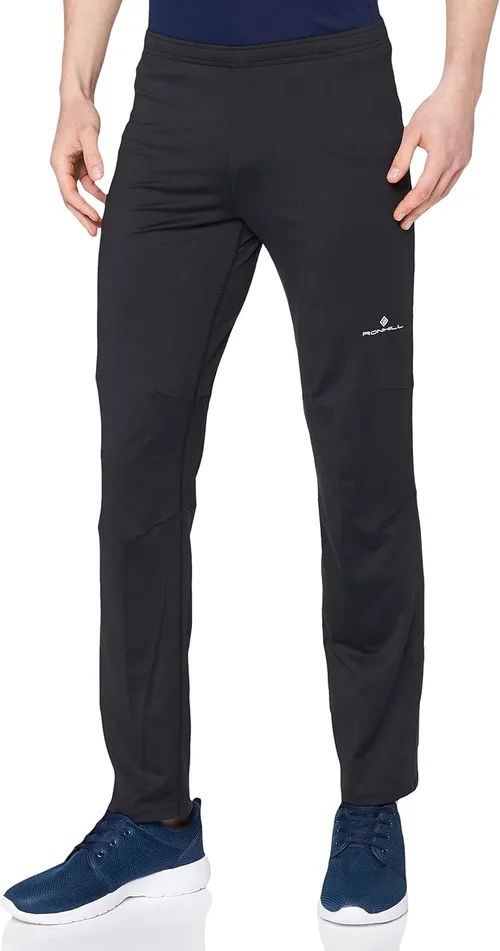
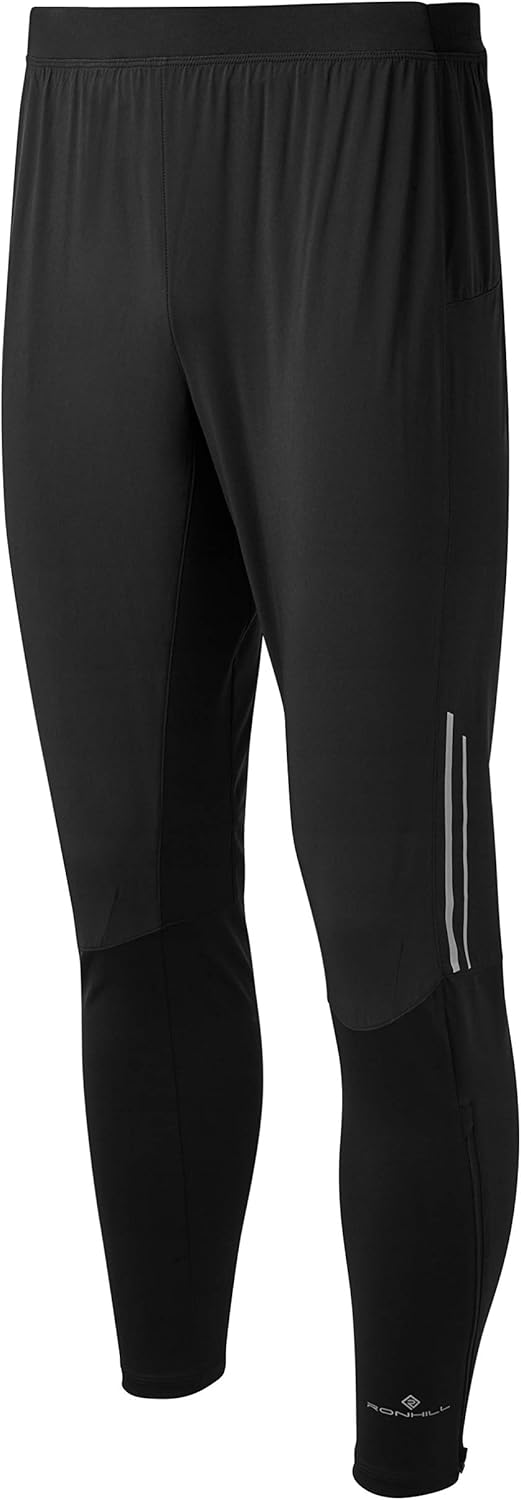
Cycling isn’t just a sport or a commute—it’s a lifestyle. And like any serious pursuit, having the right gear makes all the difference. Among the most overlooked yet essential pieces of cycling apparel are cycling trousers. While many riders focus on jerseys, helmets, and shoes, the humble pair of cycling trousers can dramatically impact comfort, performance, and endurance—especially on longer rides or in challenging weather. That’s where Ronhill comes in.
Ronhill is a British brand with a legacy stretching back to 1970, founded by Olympic athlete Ron Hill. Known for pioneering technical running and cycling apparel, the brand has built a reputation for innovation, durability, and performance-driven design. Their cycling trousers are no exception—engineered for serious riders who demand functionality without sacrificing comfort. Whether you’re a weekend warrior, a daily commuter, or a long-distance tourer, Ronhill offers a range of options tailored to different needs, climates, and budgets.
This comprehensive buying guide is designed to help you navigate the world of Ronhill cycling trousers with confidence. You’ll learn what makes these trousers stand out, how to choose the right pair based on your riding style and environment, and what key features to prioritize. We’ll break down performance specs, materials, fit, pricing tiers, and even common pitfalls to avoid. By the end, you’ll have the knowledge to make an informed decision—whether you’re upgrading your current kit or investing in your first pair of technical cycling trousers.

What to Look for When Buying Buying Guide
1. Fit and Comfort
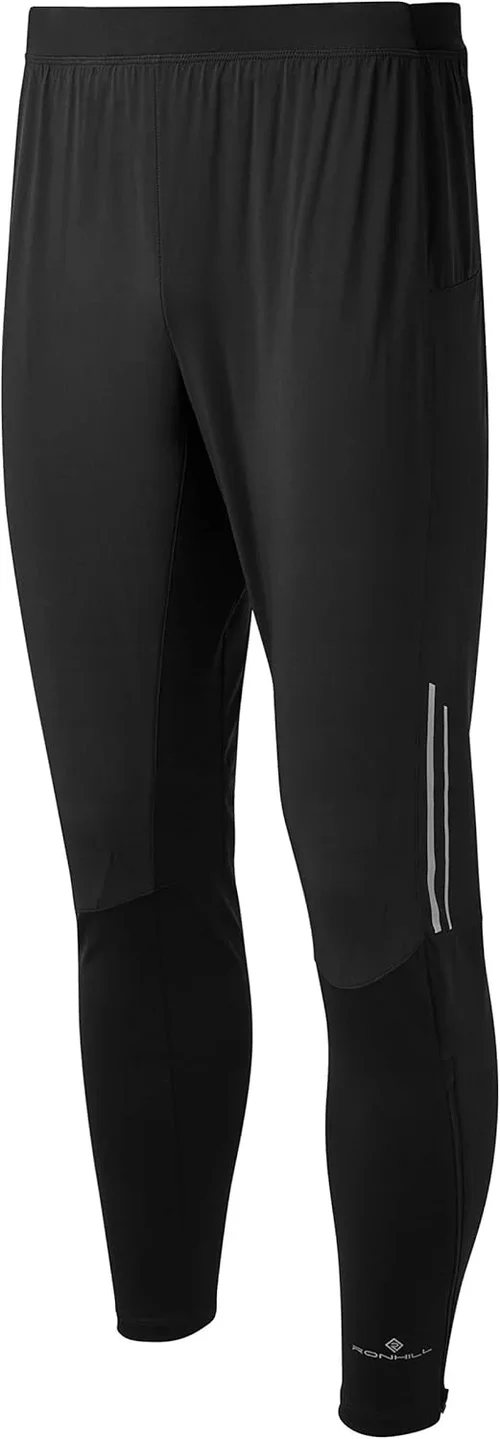
Fit is arguably the most critical factor when choosing cycling trousers. Unlike regular pants, cycling trousers are designed to be worn while seated on a saddle, often for hours at a time. A poor fit can lead to chafing, restricted movement, or discomfort that ruins your ride. Ronhill excels in this area by offering anatomically tailored designs that account for the riding posture—slightly longer inseams, pre-curved legs, and strategic seam placement to reduce friction.
Look for trousers with a snug but not restrictive fit. They should hug your legs without pinching or bunching. Many Ronhill models feature a high-rise waistband with silicone grippers to keep the trousers in place during movement. This prevents them from riding up or slipping down, especially during aggressive riding or climbing.
Comfort also extends to the chamois (padding) in the liner. Ronhill integrates high-density, multi-density, or gender-specific chamois depending on the model. For example, the Ronhill Trail 2.0 Bib Tights feature a women’s-specific chamois with targeted cushioning in high-pressure zones. Always check whether the trousers come with a built-in liner or require separate padded shorts.
2. Material and Fabric Technology
The fabric used in cycling trousers directly affects breathability, moisture management, insulation, and durability. Ronhill uses advanced synthetic blends—primarily polyester and elastane—engineered for performance. These materials wick sweat away from the skin, dry quickly, and retain their shape over time.
For cold-weather riding, look for trousers with thermal insulation. Ronhill’s Thermal Roubaix fabric, for instance, is a brushed-back material that traps heat while remaining breathable. It’s ideal for autumn and spring rides when temperatures hover between 5–15°C (41–59°F). In contrast, summer models use lightweight, mesh-paneled fabrics with UPF protection to shield against UV rays.
Wind and water resistance are also key. Some Ronhill trousers feature DWR (Durable Water Repellent) coatings or laminated panels to shed light rain and block wind chill. The Ronhill Storm Bib Tights, for example, include a windproof front panel and water-resistant lower legs—perfect for unpredictable British weather.
Always check the fabric weight (measured in grams per square meter, or gsm). Heavier fabrics (200+ gsm) offer more warmth and durability but may reduce breathability. Lighter fabrics (120–160 gsm) are better for warm conditions but may wear faster.
3. Weather Adaptability
Cycling trousers should match the climate you ride in. Ronhill offers a range of options for different weather conditions, from full winter tights to lightweight summer knicks.
For cold and wet conditions, consider insulated, windproof, and water-resistant models. The Ronhill Core Winter Bib Tights combine thermal fabric with a water-repellent finish and reflective elements for low-light visibility. These are ideal for winter commuting or early morning rides.
In mild or variable weather, convertible trousers or those with removable panels offer versatility. The Ronhill Trail Convertible Trousers allow you to zip off the lower legs, transforming them into shorts—great for spring or autumn rides where temperatures fluctuate.
For hot weather, prioritize breathability and ventilation. Look for mesh inserts, laser-cut vents, and lightweight materials. The Ronhill Performance Summer Tights use a 4-way stretch fabric with mesh side panels to enhance airflow and reduce overheating.
4. Padding and Chamois Quality
The chamois—or padding—is what separates cycling trousers from regular athletic wear. It’s designed to reduce pressure on soft tissues, absorb shock, and prevent chafing during long rides. Ronhill uses varying densities and thicknesses depending on the intended use.
Entry-level models may feature a single-density chamois suitable for rides under 2 hours. Mid-range and premium options often include multi-density padding with gel inserts in high-impact zones (like the sit bones). The Ronhill Pro Bib Tights, for example, use a 3D-molded chamois with varying foam densities to support different body areas.
Gender-specific designs are also important. Women’s models typically have a wider, shorter chamois to match pelvic anatomy, while men’s versions are narrower and longer. Ronhill offers both, ensuring a better fit and reduced discomfort.
Always check the chamois thickness—measured in millimeters. A 10–13mm pad is standard for endurance riding, while 6–8mm is sufficient for shorter commutes. Too thick can cause bulk and chafing; too thin offers inadequate support.
5. Durability and Construction
Cycling trousers endure constant friction, exposure to the elements, and frequent washing. Ronhill builds their trousers to last, using reinforced stitching, flatlock seams, and abrasion-resistant fabrics in high-wear areas like the inner thighs and seat.
Look for double-stitched seams and bonded edges, which reduce the risk of fraying and improve comfort. The Ronhill Trail 2.0 Bib Tights feature flatlock seams throughout to minimize skin irritation and enhance durability.
Zippers and closures should be robust and weather-resistant. YKK zippers are a good sign of quality. Reflective elements are also important for safety, especially if you ride at dawn, dusk, or night. Ronhill integrates 360-degree reflective details on many models, including logos, leg cuffs, and back panels.
6. Style and Versatility
While performance is paramount, style matters too—especially if you’re commuting or riding in urban environments. Ronhill offers a range of designs from minimalist black to bold colorways and reflective accents.
Bib tights provide superior support and prevent waistband roll-down, making them ideal for long rides. Waist tights are easier to put on and take off, better for shorter rides or casual use. Convertible models offer the best of both worlds.
Consider how the trousers integrate with other gear. Do they have pockets for keys or a phone? Are they compatible with knee warmers or shoe covers? The Ronhill Core Waist Tights include a rear zip pocket and silicone leg grippers for a secure fit.
7. Brand Reputation and Heritage
Ronhill isn’t just another cycling brand—it’s a pioneer. Founded by Ron Hill, who famously ran every day for 52 years, the company has a deep-rooted commitment to endurance and performance. Their cycling line benefits from decades of research in moisture management, thermal regulation, and ergonomic design.
The brand is trusted by amateur and professional athletes alike. Their products are rigorously tested in real-world conditions, from the hills of the Lake District to the urban streets of Manchester. This heritage translates into reliable, high-performing gear that stands the test of time.
8. Warranty and Customer Support
Ronhill offers a 2-year warranty on manufacturing defects, covering issues like seam failure, fabric flaws, or zipper malfunctions. This reflects confidence in their build quality. Their customer service team is based in the UK and responsive to queries about sizing, returns, or repairs.
Always register your purchase online to activate the warranty. Keep your receipt and check the care label for maintenance instructions to avoid voiding coverage.
Different Types of Buying Guide
Common Buying Mistakes to Avoid
❌ Mistake: Ignoring the Chamois
Why it’s bad: A poor-quality or ill-fitting chamois can cause saddle sores, numbness, and discomfort, especially on rides over 90 minutes. Many riders assume all padding is the same, but density, thickness, and shape vary significantly.
What to do instead: Prioritize trousers with a high-density, multi-zone chamois. Check reviews for feedback on long-ride comfort. If possible, test the trousers on a short ride before committing.
❌ Mistake: Choosing Based on Price Alone
Why it’s bad: The cheapest option often sacrifices key features like breathability, durability, or fit. You may end up replacing them sooner, costing more in the long run.
What to do instead: Focus on value, not just price. Mid-range models often offer the best balance of performance and cost. Look for seasonal sales or last-season stock to save on premium gear.
❌ Mistake: Overlooking Weather-Specific Needs
Why it’s bad: Wearing summer tights in winter—or vice versa—leads to discomfort, overheating, or hypothermia. One-size-fits-all doesn’t work for cycling apparel.
What to do instead: Invest in at least two pairs: one for warm weather and one for cold. Consider layering systems for maximum adaptability.
❌ Mistake: Skipping the Size Guide
Why it’s bad: Cycling trousers rely on a precise fit. Too loose, and they ride up; too tight, and they restrict movement. Sizing varies between brands and even models.
What to do instead: Always consult Ronhill’s size chart and measure your waist, hips, and inseam. Read customer reviews for fit feedback—many mention if a model runs large or small.
❌ Mistake: Neglecting Care Instructions
Why it’s bad: Improper washing can degrade fabric, reduce elasticity, and damage the chamois. Fabric softeners and high heat are common culprits.
What to do instead: Wash inside out on a gentle cycle with cold water. Use a mild detergent and avoid tumble drying. Air dry flat to preserve shape.
❌ Mistake: Buying Without Trying
Why it’s bad: Online shopping is convenient, but you can’t assess comfort, stretch, or seam placement without wearing them.
What to do instead: Visit a local retailer that stocks Ronhill. If buying online, choose retailers with free returns (like Wiggle or Chain Reaction Cycles) so you can exchange if needed.
❌ Mistake: Ignoring Reflective Elements
Why it’s bad: Low visibility increases accident risk, especially in urban or low-light conditions. Many riders underestimate the importance of reflectivity.
What to do instead: Choose models with 360-degree reflective details. The Ronhill Core Winter Bib Tights, for example, feature reflective logos and leg cuffs for enhanced safety.
Budget Guidelines: How Much Should You Spend?
– Entry-Level (£40–£60): Ideal for occasional riders or commuters. Expect basic padding, standard polyester-elastane blends, and minimal weather protection. Models like the Ronhill Core Waist Tights fall here. Great for short rides in mild weather.
– Mid-Range (£60–£90): The sweet spot for most cyclists. These offer improved chamois quality, better fabric technology (like Thermal Roubaix), and enhanced durability. The Ronhill Trail 2.0 Bib Tights are a standout in this tier—excellent for weekend rides and moderate conditions.
– Premium (£90–£120): Designed for serious riders and long-distance events. Features include multi-density chamois, windproof panels, DWR coatings, and advanced ventilation. The Ronhill Pro Bib Tights and Storm Bib Tights excel here, offering pro-level performance.
– Luxury (£120+): Top-tier models with cutting-edge materials, custom-fit options, and race-ready designs. While Ronhill doesn’t currently offer ultra-premium tiers above £130, their highest-end models rival luxury brands in performance and craftsmanship.
Expert Tips for Getting the Best Deal
– Buy Off-Season: Purchase winter tights in spring and summer knicks in autumn. Retailers clear stock to make room for new lines, offering significant savings.
– Shop at Authorized Retailers: Stick to trusted outlets like Wiggle, Chain Reaction Cycles, or Evans Cycles. They often have exclusive deals, free shipping, and hassle-free returns.
– Sign Up for Newsletters: Ronhill and major retailers send early access to sales and promo codes to subscribers. You might save 10–15% on your first order.
– Check for Bundle Deals: Some retailers offer discounts when you buy a jersey and trousers together. This can save £20–£30 on a full kit.
– Read User Reviews: Look for feedback on fit, durability, and real-world performance. Pay attention to comments about sizing accuracy and long-term wear.
– Test Before Committing: If possible, borrow a friend’s pair or visit a store to try on different models. Comfort is subjective—what works for one rider may not suit another.
– Consider Refurbished or Last Season’s Stock: Ronhill occasionally offers refurbished items or previous-season models at reduced prices. These are often indistinguishable from new and come with the same warranty.
– Use Cashback Sites: Platforms like TopCashback or Quidco offer 5–10% cashback on cycling gear purchases. Combine this with sales for maximum savings.

Frequently Asked Questions
Q: Are Ronhill cycling trousers true to size?
A: Generally, yes—but it varies by model. Ronhill provides detailed size charts based on waist, hip, and inseam measurements. Many customers report that bib tights fit snugly, while waist tights may run slightly larger. Always check recent reviews for fit feedback.
Q: Can I wear Ronhill trousers without padded shorts?
A: Most Ronhill trousers come with a built-in chamois, so you don’t need separate padded shorts. However, if you prefer extra cushioning, you can wear them over your favorite liner—just ensure the fit remains comfortable.
Q: How do I wash Ronhill cycling trousers?
A: Wash inside out on a gentle cycle with cold water and mild detergent. Avoid fabric softeners and bleach. Air dry flat—never tumble dry, as heat can damage elastic fibers and the chamois.
Q: Are Ronhill trousers suitable for mountain biking?
A: Yes, especially the Trail and Convertible ranges. These are designed for off-road use with reinforced panels, abrasion resistance, and flexible fits. The Trail 2.0 Bib Tights are a popular choice among MTB riders.
Q: Do Ronhill trousers have pockets?
A: Some models do. The Core Waist Tights feature a rear zip pocket for keys or cards. Bib tights typically lack pockets due to the shoulder strap design, but you can use a top tube bag or jersey pockets instead.
Q: Can I wear Ronhill trousers in the rain?
A: Models with DWR coatings or water-resistant panels (like the Storm Bib Tights) can handle light to moderate rain. However, they are not fully waterproof. For heavy downpours, consider waterproof overtrousers.
Q: How long do Ronhill cycling trousers last?
A: With proper care, most last 2–3 years of regular use. High-wear areas like the seat and inner thighs may show signs of thinning over time. The 2-year warranty covers manufacturing defects.
Q: Are Ronhill trousers unisex?
A: Ronhill offers both men’s and women’s-specific designs. Women’s models feature tailored cuts, shorter inseams, and gender-specific chamois for better comfort and fit.
Q: Where are Ronhill trousers made?
A: Ronhill designs its products in the UK but manufactures them in Europe and Asia under strict quality control. All garments meet high ethical and environmental standards.
Q: Can I return Ronhill trousers if they don’t fit?
A: Yes, most authorized retailers offer 30-day return policies. Ensure the trousers are unworn and in original condition. Some stores even provide free return shipping.
Our Final Recommendations
– Best for Budget-Conscious Buyers: Ronhill Core Waist Tights – At £55, these offer excellent value with a comfortable chamois, durable fabric, and reflective details. Perfect for commuting and short rides.
– Best Overall Value: Ronhill Trail 2.0 Bib Tights – Priced at £85, these combine thermal insulation, a women’s-specific chamois, and rugged construction. Ideal for weekend warriors and trail riders.
– Best Premium Option: Ronhill Pro Bib Tights – At £115, these are built for endurance and performance. Featuring a 3D-molded chamois, windproof front, and advanced ventilation, they’re a top choice for serious cyclists.
– Best for Beginners: Ronhill Performance Summer Tights – Lightweight, breathable, and affordable (£65), these are perfect for new riders exploring longer distances in warm weather.
– Best for Advanced Users: Ronhill Storm Bib Tights – Designed for all-weather performance, these £125 tights offer windproofing, water resistance, and thermal insulation. A must-have for winter training and audax events.
Conclusion: Making the Right Choice
Choosing the right pair of cycling trousers is about more than just staying comfortable—it’s about enhancing your entire riding experience. Ronhill has spent over 50 years refining the art of performance apparel, and their cycling trousers reflect that expertise. From fit and fabric to weather adaptability and durability, every detail is engineered with the rider in mind.
As you evaluate your options, remember to prioritize your specific needs. Are you riding in cold, wet conditions? Do you need versatility for changing weather? How long are your typical rides? Answering these questions will guide you toward the perfect pair.
Don’t fall into the trap of choosing based on price alone or skipping the size guide. Invest in quality, take advantage of seasonal sales, and always read reviews from real riders. With the right Ronhill trousers, you’ll ride farther, faster, and more comfortably—no matter the conditions.
So gear up, get out there, and let your legs do the talking. Your next great ride starts with the right pair of trousers.