
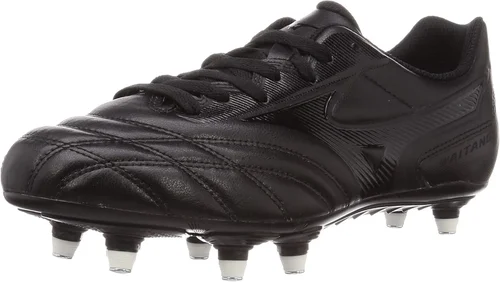
Rugby is a sport built on power, precision, and relentless physicality. Every tackle, scrum, and sprint demands peak performance from head to toe—and your footwear plays a critical role in how well you execute on the pitch. Among the top-tier brands trusted by elite players and weekend warriors alike, Mizuno stands out as a name synonymous with craftsmanship, innovation, and reliability. For decades, Mizuno has engineered rugby boots that blend Japanese precision with rugby-specific engineering, delivering footwear that supports agility, stability, and explosive movement. Whether you’re a seasoned forward anchoring the scrum or a lightning-fast winger chasing down kicks, choosing the right pair of Mizuno rugby boots can be the difference between a good game and a great one.
This comprehensive buying guide is designed to cut through the noise and help you make an informed decision when investing in your next pair of rugby boots. We’ll walk you through everything you need to know—from understanding key performance factors like stud configuration and upper materials, to avoiding common purchasing pitfalls and maximizing value for your budget. You’ll learn how to match your playing style, position, and field conditions to the ideal Mizuno model, whether you’re playing on soft grass, hard ground, or artificial turf. By the end of this guide, you won’t just know which boots to buy—you’ll understand why they’re the right choice for you.
The rugby boot market is more competitive than ever, with brands like Adidas, Nike, and Canterbury constantly pushing the boundaries of design and technology. Yet Mizuno continues to carve out a loyal following thanks to its focus on fit, comfort, and long-term durability. Unlike some brands that prioritize flashy aesthetics, Mizuno emphasizes functional performance—something that resonates deeply with serious players. From the lightweight yet supportive Wave technology in their uppers to the strategically placed studs that optimize traction, every element is engineered with real-world rugby demands in mind. This guide will help you navigate the full Mizuno rugby boot lineup, compare models across different price points, and ultimately choose a pair that enhances your game without breaking the bank.

What to Look for When Buying Buying Guide
1. Playing Position & Style
Your role on the field should be the starting point for selecting any rugby boot—including Mizuno’s offerings. Forwards, who engage in frequent scrums, rucks, and mauls, need boots with superior ankle support, a wider toe box for stability, and robust studs that grip firmly during static pushes. Backs, on the other hand, prioritize speed, agility, and quick directional changes, so they benefit from lighter boots with responsive cushioning and low-profile studs for rapid acceleration. Mizuno designs specific lines to cater to these needs: the Mizuno Morelia Neo III series, for example, is favored by backs for its featherlight feel and explosive energy return, while the Mizuno Rebula line offers more structured support ideal for forwards and midfielders who need balance between power and mobility.
Consider how you move during a match. Do you rely on sudden bursts of speed? Are you constantly changing direction to evade defenders? Or do you spend more time in close-quarters combat near the try line? Answering these questions helps narrow down whether you need a speed-focused, control-oriented, or all-around boot. Mizuno’s product segmentation makes this easier—their boots are clearly labeled by intended use, so you won’t accidentally buy a lightweight speed boot if you’re a prop forward.
2. Field Conditions & Stud Configuration
The type of surface you play on dictates the kind of studs your boots must have. Mizuno offers three primary stud types: firm ground (FG), soft ground (SG), and artificial grass (AG). Firm ground boots feature shorter, conical or bladed studs designed for natural grass that isn’t overly wet or muddy—ideal for most club and school-level matches. Soft ground boots have longer, removable metal or plastic studs (often 12–15mm) that penetrate deep into soggy or slippery pitches, providing maximum grip during wet weather. Artificial grass boots use numerous small rubber studs distributed across the soleplate to prevent excessive wear on synthetic surfaces while maintaining traction.
Using the wrong stud type can lead to poor performance or even injury. For instance, wearing SG boots on dry, hard ground increases the risk of slipping or twisting an ankle due to over-gripping. Conversely, FG boots on a waterlogged pitch may cause you to slide during tackles or kicks. Mizuno’s AG-specific models, like the Morelia Neo III AG, are increasingly popular as more clubs install 3G and 4G pitches. Always check your regular playing surface before purchasing—and if you play on multiple surfaces, consider owning two pairs or opting for a versatile hybrid model.
3. Fit, Comfort & Sizing
A boot that doesn’t fit properly will undermine even the most advanced technology. Mizuno is renowned for its anatomical last—the mold used to shape the shoe—which closely follows the natural contours of the foot. Many players report that Mizuno boots offer a “second-skin” fit, especially in the Morelia line, which uses premium kangaroo leather that molds to your foot over time. However, this snug fit means you should try them on carefully. Mizuno tends to run slightly narrow compared to brands like Nike or Adidas, so if you have wide feet, you may need to size up half a size or consider the Rebula series, which offers a roomier toe box.
Comfort isn’t just about initial feel—it’s about sustained performance over 80 minutes of intense play. Look for boots with adequate padding around the heel collar and tongue, breathable linings to reduce sweat buildup, and flexible yet supportive uppers that don’t restrict natural foot movement. Break-in time is another factor: kangaroo leather models may require a few sessions to fully conform, while synthetic uppers often feel game-ready out of the box. Never compromise on fit for style—blisters, hot spots, or numb toes can ruin your match and lead to long-term foot issues.
4. Upper Material & Durability
Mizuno offers rugby boots in two main upper materials: premium kangaroo leather and high-grade synthetic composites. Kangaroo leather—used in the Morelia Neo and Rebula V series—is lightweight, exceptionally soft, and offers unmatched touch and ball feel. It’s also highly durable when cared for properly, resisting abrasion and maintaining shape over hundreds of hours of use. However, it requires regular cleaning and conditioning to prevent drying and cracking, especially after playing in wet conditions.
Synthetic uppers, found in models like the Mizuno Wave Cup or entry-level Morelia variants, are easier to maintain, quicker to dry, and often more affordable. Modern synthetics have come a long way and now rival leather in terms of flexibility and responsiveness. The trade-off is usually slightly less natural feel and potentially shorter lifespan under extreme wear. If you’re a casual player or on a tight budget, a well-made synthetic boot can serve you excellently. But for serious athletes who value tactile precision—especially kickers or playmakers—kangaroo leather remains the gold standard.
5. Weight & Responsiveness
In modern rugby, milliseconds matter. Lighter boots allow for faster foot turnover, quicker accelerations, and reduced fatigue over the course of a match. Mizuno has made significant strides in reducing weight without sacrificing support. The Morelia Neo III Beta, for example, weighs just 185 grams (size 9), making it one of the lightest elite-level boots on the market. This featherlight design is achieved through a combination of ultra-thin kangaroo leather, a minimalist soleplate, and strategic cutouts that maintain structural integrity.
However, lighter isn’t always better. Some players—particularly those in physical positions—prefer a bit more weight for stability and power transfer during scrums or lineouts. Mizuno balances this by offering varying weight profiles across its range. The Rebula series, while slightly heavier, provides enhanced midfoot lockdown and torsional rigidity, which can improve control during lateral movements. Consider your priorities: if speed is paramount, go light; if you need a blend of agility and robustness, opt for a mid-weight model.
6. Traction & Soleplate Design
The soleplate is the foundation of your boot’s performance. Mizuno uses advanced engineering to optimize stud placement, ensuring even pressure distribution and dynamic grip. Their soleplates often feature a mix of conical and bladed studs: conical studs provide multidirectional stability, while bladed studs enhance acceleration and braking. The Morelia Neo III employs a hybrid configuration with forefoot blading for explosive starts and rear conical studs for secure footing during deceleration.
Additionally, Mizuno integrates flex grooves and torsion systems into many models to promote natural foot flexion without compromising support. This is especially important for reducing strain on the Achilles and plantar fascia during prolonged play. Look for boots where the stud pattern aligns with your movement patterns—for example, wingers benefit from aggressive forefoot traction, while locks may prioritize rear-foot stability during lineout jumps. Always inspect the soleplate for signs of wear if buying used boots, as worn-down studs significantly reduce effectiveness.
7. Brand Reputation & Heritage
Mizuno isn’t just another sportswear brand—it’s a century-old company with deep roots in athletic craftsmanship. Founded in Japan in 1906, Mizuno has built its reputation on meticulous attention to detail, rigorous testing, and a commitment to athlete feedback. Unlike some competitors that release new models every season based on trends, Mizuno takes a more deliberate approach, refining existing designs based on real-world performance data. This results in boots that evolve gradually but meaningfully, rather than being redesigned for marketing purposes.
Their rugby division benefits from cross-pollination with other sports, particularly baseball and running, where Mizuno is a leader in biomechanical research. Technologies like Wave Plate cushioning—originally developed for running shoes—have been adapted to provide energy return in rugby boots without adding bulk. This heritage translates into trust: when you buy Mizuno, you’re investing in a brand that prioritizes function over fashion and has proven its reliability at the highest levels of the game, including international test matches and top-tier club competitions.
8. Warranty, Support & Aftercare
While rugby boots are inherently consumable items subject to heavy wear, a good warranty and customer support can extend their lifespan and protect your investment. Mizuno typically offers a limited manufacturer’s warranty covering defects in materials and workmanship for up to one year from purchase. This doesn’t cover normal wear and tear, but it does protect against issues like sole separation, stitching failure, or premature stud detachment.
More importantly, Mizuno provides excellent aftercare guidance. Their website includes detailed care instructions for leather boots, recommending products like saddle soap and leather conditioners to maintain suppleness. They also advise against machine washing or using harsh chemicals, which can degrade adhesives and finishes. For players who invest in premium kangaroo leather models, following these guidelines can double the usable life of the boots. Additionally, authorized retailers often offer fitting consultations and return policies that allow you to exchange sizes if the initial pair doesn’t fit perfectly—something worth verifying before buying online.
Different Types of Buying Guide

Common Buying Mistakes to Avoid
❌ Mistake: Choosing Based Solely on Price
Why it’s bad: Opting for the cheapest boots available often means sacrificing critical features like proper stud alignment, quality materials, or positional suitability. A $80 boot might seem like a bargain, but if it causes blisters or lacks grip, it could cost you more in replacements or medical bills down the line.
What to do instead: View your boots as an investment in performance and safety. Allocate your budget based on how often you play and your level of commitment. Even entry-level Mizuno models like the Wave Cup offer far better engineering than generic brands.
❌ Mistake: Ignoring Fit for Style
Why it’s bad: Flashy colors or pro-player endorsements can be tempting, but if the boot doesn’t fit your foot shape, it won’t perform. Many players buy boots that look great but cause discomfort within minutes of wearing them.
What to do instead: Always prioritize fit over aesthetics. Try boots on with rugby socks, and simulate movements like cutting, jumping, and kicking. If possible, test them on a similar surface to your playing field.
❌ Mistake: Using the Wrong Stud Type
Why it’s bad: Wearing firm ground boots on a waterlogged pitch drastically increases slip risk, while soft ground boots on dry turf can lead to instability and joint stress.
What to do instead: Match your stud configuration to your most common playing conditions. If you play on multiple surfaces, consider a versatile AG model or keep two pairs.
❌ Mistake: Skipping the Break-In Period
Why it’s bad: Jumping straight into a full match with brand-new leather boots can cause severe blisters or even foot injuries due to stiff materials and unadjusted fit.
What to do instead: Wear new boots during light training sessions first. Gradually increase intensity over 2–3 sessions to allow the leather to mold and your feet to adapt.
❌ Mistake: Neglecting Aftercare
Why it’s bad: Failing to clean and condition leather boots leads to premature cracking, loss of shape, and reduced lifespan—often cutting usable life in half.
What to do instead: Clean boots after every use, especially if exposed to mud or salt. Use appropriate leather care products and store them in a cool, dry place with boot trees to maintain shape.
❌ Mistake: Buying Online Without Sizing Guidance
Why it’s bad: Sizing varies between brands and even within Mizuno’s own lineup. Relying solely on your usual shoe size can result in a poor fit.
What to do instead: Use Mizuno’s official size chart and consider ordering two sizes if unsure. Many retailers offer free returns, so take advantage of this to find the perfect fit.
❌ Mistake: Overlooking Return Policies
Why it’s bad: If a boot doesn’t work out, a strict return policy could leave you stuck with unusable footwear.
What to do instead: Always check the retailer’s return window and conditions before purchasing. Reputable stores typically allow 30-day returns for unworn items.
Budget Guidelines: How Much Should You Spend?
Entry-Level ($80–$130): This tier includes models like the Mizuno Wave Cup and basic Morelia variants with synthetic uppers. These boots offer solid construction, decent traction, and reliable comfort for casual or beginner players. While they lack the premium feel of kangaroo leather, they’re durable enough for weekly club matches and provide excellent value for the price. Ideal for those new to the sport or playing recreationally.
Mid-Range ($130–$200): This is the sweet spot for most serious amateur players. Boots like the Rebula V and Morelia Neo III AG feature higher-quality materials, better soleplates, and enhanced fit technologies. You’ll get a noticeable upgrade in responsiveness, support, and longevity. These models are versatile enough for multiple positions and conditions, making them a smart long-term investment.
Premium ($200–$280): Reserved for dedicated athletes and semi-professionals, this tier includes top-tier kangaroo leather models like the Morelia Neo III Beta and Rebula V Elite. Expect ultra-lightweight designs, superior ball feel, advanced cushioning systems, and meticulous craftsmanship. These boots are built to withstand elite-level demands and often last multiple seasons with proper care.
Luxury ($280+): Limited editions, custom fittings, or pro-spec models fall into this category. While rare for most consumers, these boots offer bespoke features such as personalized stud configurations, hand-stitched uppers, or exclusive colorways. They’re primarily for collectors or players seeking the absolute pinnacle of performance and prestige.

Expert Tips for Getting the Best Deal
- Shop Off-Season: Prices drop significantly after the autumn rugby season ends (typically February–April). Retailers clear stock to make room for new models, offering discounts of 20–40% on previous-year designs.
- Use Authorized Retailers: Stick to Mizuno-certified stores like Pro:Direct Rugby, World Rugby Shop, or local specialty sports shops. These retailers often provide expert fitting advice, exclusive colorways, and reliable return policies.
- Sign Up for Newsletters: Many stores offer first-time subscriber discounts (10–15% off) and early access to sales. Mizuno’s own newsletter also announces limited releases and member-only promotions.
- Check for Bundle Deals: Some retailers include free boot bags, cleaning kits, or laces with purchase—adding value beyond the sticker price.
- Consider Last Season’s Model: New iterations usually offer minor upgrades. The previous year’s Morelia Neo III, for example, performs nearly identically to the current version but costs considerably less.
- Test Before You Buy: If possible, visit a store with a synthetic pitch or ask to try boots on a carpeted area. Mimic rugby movements to assess comfort and flexibility.
- Read Verified Reviews: Look for feedback from players in similar positions or with comparable foot shapes. Pay attention to comments about break-in time, durability, and stud performance.
- Inspect Return Windows: Ensure you have at least 14–30 days to return or exchange if the fit isn’t right. Some online stores offer free return shipping—use it!

Frequently Asked Questions
Q: Are Mizuno rugby boots true to size?
A: Generally, Mizuno boots fit snugly and may run half a size small, especially in the Morelia line. Players with wide feet should consider sizing up or trying the Rebula series, which offers a roomier fit. Always refer to Mizuno’s official size chart and try them on with rugby socks.
Q: How long do Mizuno rugby boots last?
A: With proper care, premium kangaroo leather models like the Morelia Neo can last 2–3 seasons of regular play (30–40 matches). Synthetic boots may last 1–2 seasons depending on usage intensity and field conditions.
Q: Can I use firm ground boots on artificial turf?
A: It’s not recommended. FG studs can wear down quickly on synthetic surfaces and may not provide optimal traction. Instead, choose an AG-specific model like the Morelia Neo III AG, designed for 3G/4G pitches.
Q: Do Mizuno boots require special maintenance?
A: Kangaroo leather models benefit from regular cleaning with a damp cloth and conditioning with leather-specific products. Avoid soaking or machine washing. Synthetic boots are lower maintenance but should still be rinsed after muddy games.
Q: Are Mizuno boots suitable for beginners?
A: Absolutely. The Wave Cup and entry-level Morelia models are excellent for newcomers, offering comfort, durability, and solid performance without the high cost of elite boots.
Q: What’s the difference between Morelia and Rebula?
A: The Morelia line focuses on lightweight speed and natural feel, ideal for backs. The Rebula series emphasizes control, support, and a secure fit, making it better suited for forwards and playmakers.
Q: Can I replace the studs on Mizuno boots?
A: Yes, SG models come with removable studs that can be swapped for different lengths or types. FG and AG boots typically have fixed studs, though some AG models allow minor customization.
Q: Where is the best place to buy Mizuno rugby boots?
A: Authorized online retailers like Pro:Direct Rugby, World Rugby Shop, and Mizuno’s official website offer the widest selection, accurate sizing tools, and reliable customer service.
Q: Do Mizuno boots offer good ankle support?
A: While not as high-cut as some rugby-specific designs, Mizuno boots provide excellent midfoot and heel lockdown through their anatomical lasts and snug fits. For added support, consider models with reinforced collars like the Rebula V.
Q: Are there vegan options available?
A: Currently, most Mizuno rugby boots use kangaroo leather or synthetic materials that may involve animal byproducts in adhesives. Fully vegan models are limited, but the synthetic Wave Cup is a close alternative—check product descriptions for details.
Our Final Recommendations
Best for Budget-Conscious Buyers: Mizuno Wave Cup – At under $130, this boot delivers surprising quality with a durable synthetic upper, reliable traction, and comfortable fit. Perfect for casual players or those new to the sport.
Best Overall Value: Mizuno Rebula V – Striking the ideal balance between performance, comfort, and price ($160–$190), this boot suits a wide range of positions and conditions. Its kangaroo leather upper and supportive design make it a standout in the mid-range category.
Best Premium Option: Mizuno Morelia Neo III Beta – For elite performers who demand the lightest, most responsive boot available, this model ($240–$270) offers unmatched speed, precision, and craftsmanship. Ideal for backs and agile forwards.
Best for Beginners: Mizuno Morelia Neo III AG – Designed for artificial grass but versatile enough for firm ground, this boot ($170–$200) provides excellent traction, easy break-in, and durable construction—perfect for developing players.
Best for Advanced Users: Mizuno Rebula V Elite – Engineered for high-level control and stability, this boot ($220–$250) features a premium leather upper, advanced soleplate, and superior lockdown. Favored by centers, fly-halves, and technical forwards.
Conclusion: Making the Right Choice
Choosing the right pair of Mizuno rugby boots isn’t just about picking the shiniest or most expensive option—it’s about aligning your footwear with your playing style, position, and environmental conditions. Throughout this guide, we’ve emphasized the importance of fit, stud configuration, material quality, and long-term value. Mizuno’s commitment to functional design means their boots are built to enhance performance, not just impress onlookers. Whether you’re chasing tries on a dry pitch or battling through a muddy scrum, the right boots can give you the confidence and control to play at your best.
Remember, no single boot is perfect for everyone. A winger’s needs differ vastly from a prop’s, and a weekend player doesn’t require the same level of investment as a semi-professional. Take the time to assess your priorities, try on multiple models if possible, and don’t rush the decision. Use the budget tiers, expert tips, and recommendations outlined here to guide your choice. And once you’ve found your ideal pair, treat them with care—they’ll reward you with seasons of reliable service.
Ultimately, the best rugby boot is the one that disappears on your feet, letting you focus entirely on the game. With Mizuno’s proven track record and thoughtful engineering, you’re well-equipped to find that perfect match. So lace up, step onto the pitch, and play with the confidence that comes from knowing your gear is built to perform—just like you are.

