
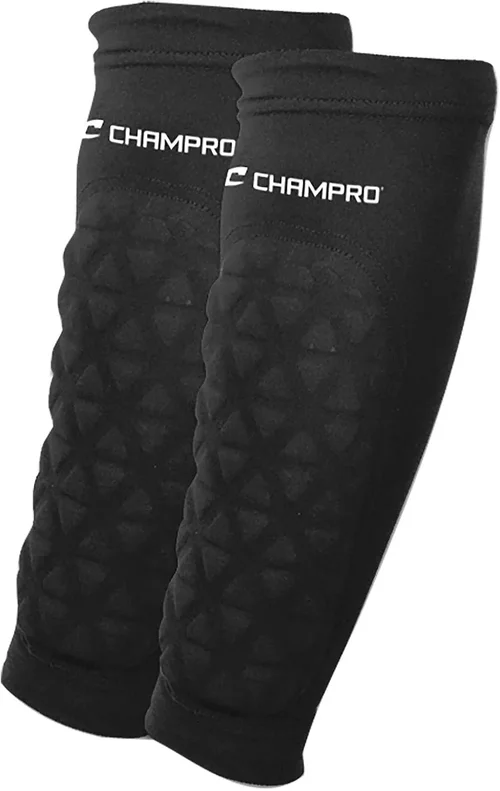
Rugby is a sport built on grit, physicality, and relentless determination. Every tackle, ruck, and maul demands not just skill but also protection. While helmets, shoulder pads, and mouthguards often steal the spotlight, one piece of equipment that’s quietly essential—especially for forwards and hard-hitting backs—is the rugby forearm guard. These unassuming sleeves shield your forearms from bruising, cuts, and impact during intense contact, helping you stay in the game longer and recover faster.
But with so many options flooding the market—from budget-friendly neoprene sleeves to high-tech compression guards with gel padding—it’s easy to feel overwhelmed. That’s why this guide exists. Whether you’re a seasoned club player, a weekend warrior, or a parent shopping for a junior athlete, we’re here to cut through the noise. By the end of this comprehensive buying guide, you’ll know exactly what to look for, how to avoid common pitfalls, and which forearm guards offer the best value for your needs.
The rugby forearm guard market has evolved significantly over the past decade. What once consisted of basic foam-padded sleeves has transformed into a sophisticated segment featuring advanced materials like D3O, moisture-wicking fabrics, anatomical shaping, and even antimicrobial treatments. Brands like OPRO, Gilbert, Canterbury, Shock Doctor, and Venum now compete fiercely, offering everything from minimalist designs for speed-focused backs to heavy-duty guards built for props and locks. With prices ranging from under $20 to well over $100, understanding your priorities—protection level, comfort, fit, durability—is more important than ever.
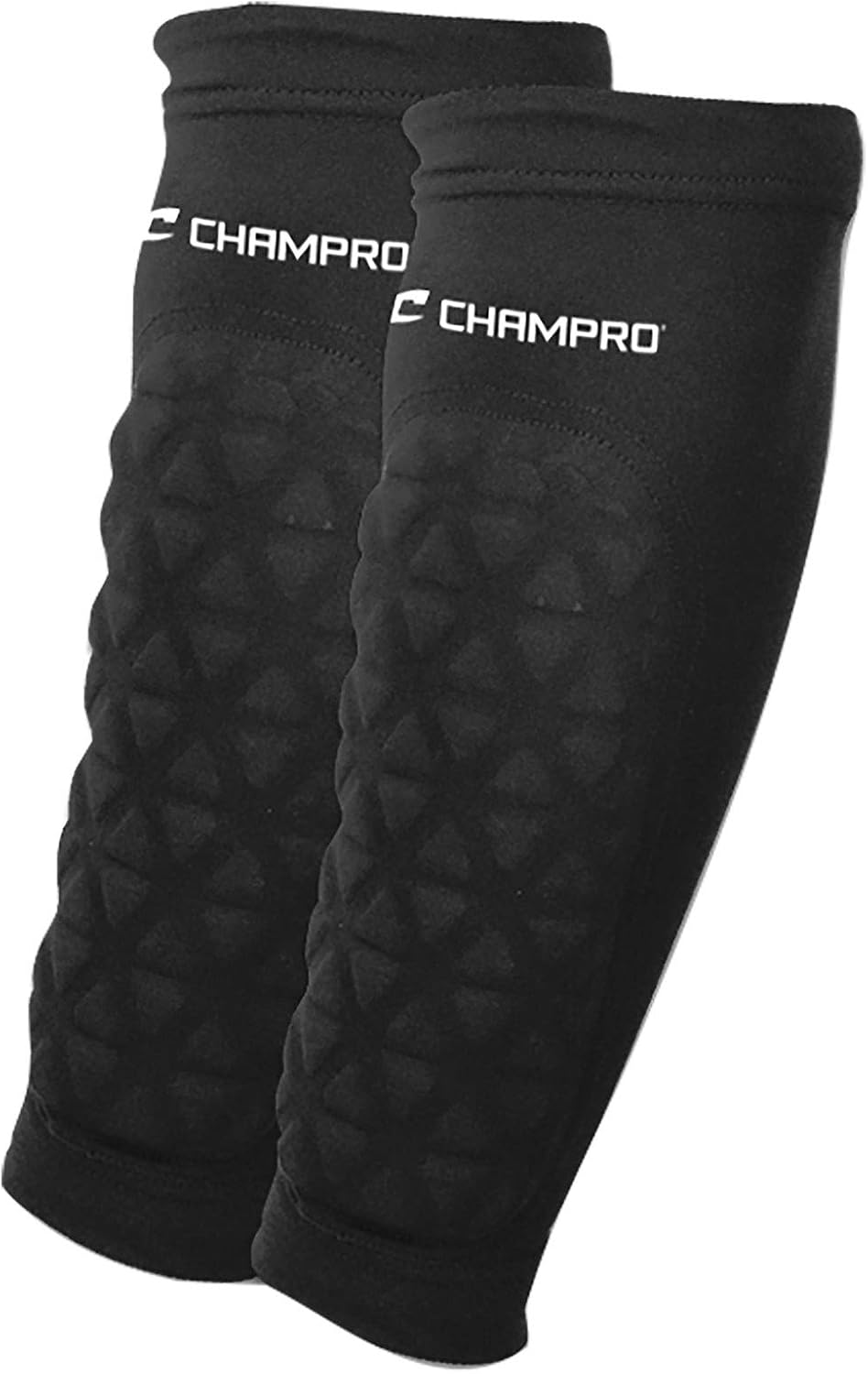
What to Look for When Buying Buying Guide
1. Protection Level & Impact Absorption
When it comes to forearm guards, protection isn’t just about cushioning—it’s about intelligent engineering. Rugby involves constant forearm-to-forearm contact, whether you’re binding in a scrum, fighting for a loose ball, or absorbing a hard tackle. A quality guard must absorb and disperse impact energy effectively to prevent bruising, bone contusions, or even fractures.
Look for guards that use advanced impact-absorbing materials. Traditional EVA foam is common in entry-level models and offers decent cushioning, but premium options often incorporate proprietary technologies like D3O (a smart material that stiffens on impact) or multi-layer gel padding. These materials react dynamically to force, providing superior protection without adding bulk.
Consider your playing position. Props and hookers, who endure repeated scrum pressure and ruck collisions, benefit most from high-density padding. Backs, who prioritize agility and speed, may prefer thinner, more flexible guards that don’t restrict movement. Always check product descriptions for impact ratings or certifications—some brands test their guards against specific force thresholds (e.g., “tested to absorb up to 50G of impact”).
2. Fit, Comfort & Range of Motion
A forearm guard that restricts movement or slips during play is worse than wearing nothing at all. Fit is arguably the most critical factor after protection. An ill-fitting sleeve can chafe, bunch up, or slide down your arm, distracting you mid-game and reducing effectiveness.
Most guards use a compression-fit design made from stretchable materials like spandex, nylon, or elastane blends. These fabrics hug the arm snugly without cutting off circulation. Look for ergonomic shaping—many top-tier models are anatomically contoured to follow the natural curve of the forearm, ensuring even pressure distribution.
Pay attention to sizing charts. Brands vary widely: some run small, others large. Measure your forearm circumference at the widest point (usually just below the elbow) and compare it to the manufacturer’s guide. If you’re between sizes, opt for the larger one—tightness can cause numbness or restrict blood flow.
Comfort also ties into breathability. During 80-minute matches in hot weather, sweat buildup can lead to irritation or slippage. High-end guards often feature mesh panels, laser-perforated zones, or moisture-wicking linings (like CoolMax or Polygiene) to keep you dry. Avoid cheap neoprene-only designs—they trap heat and can become clammy quickly.
3. Build Quality & Durability
Rugby gear takes a beating. Your forearm guard will be scraped against turf, slammed into opponents, and machine-washed repeatedly. Cheaply made sleeves may lose padding density after a few washes or develop tears along the seams.
Inspect stitching quality—reinforced flatlock or bartack stitching at stress points (like the elbow and wrist openings) significantly extends lifespan. The outer shell should resist abrasion; look for ripstop nylon or polyester blends. Padding should retain its shape over time—avoid guards where the foam compresses permanently after minimal use.
Brand reputation plays a role here. Established rugby brands like Canterbury and Gilbert have decades of field testing behind their designs. While newer entrants may offer innovative features, they might lack long-term reliability data. Read user reviews focusing on durability: phrases like “lasted two seasons” or “padding flattened after six months” are red flags.
Also consider washability. Most guards are machine-washable, but always follow care instructions. Avoid fabric softeners—they can degrade elastic fibers and reduce compression over time.
4. Features & Functionality
Modern forearm guards go beyond basic padding. Smart features can enhance performance, hygiene, and convenience.
– Antimicrobial Treatment: Guards worn daily can harbor bacteria, leading to odor or skin irritation. Look for silver-ion or Polygiene treatments that inhibit microbial growth.
– Silicone Grip Bands: Thin silicone strips inside the top and bottom cuffs prevent slippage during play—especially useful for players with slim forearms.
– Seamless Construction: Reduces chafing and improves comfort, particularly in warmer climates.
– Modular Padding: Some premium models allow you to remove or reposition pads for customized protection (e.g., adding extra padding for scrum-heavy matches).
– UV Protection: If you play in sunny regions, guards with UPF 50+ fabric can shield your skin from sun damage.
While these features add value, don’t get swayed by gimmicks. Focus on what aligns with your needs. A backline player might prioritize lightweight breathability over modular padding, while a front-row forward may want maximum coverage and grip.
5. Brand Reputation & Trustworthiness
In sports safety gear, brand matters. Reputable manufacturers invest in R&D, conduct rigorous testing, and stand behind their products. Brands like Shock Doctor (known for mouthguards and protective gear), OPRO (a leader in rugby headgear), and Canterbury (official supplier to numerous national teams) have proven track records.
However, don’t dismiss lesser-known brands outright. Some niche companies specialize in rugby-specific protection and offer excellent value. Check if the brand sponsors professional players or clubs—this often indicates real-world validation.
Be cautious of generic “sports arm sleeves” sold on discount sites. These are rarely designed for rugby’s unique demands and may lack adequate padding or durability. Stick to retailers that cater to rugby or contact sports.
6. Warranty & Support
A good warranty reflects confidence in product quality. While most forearm guards don’t come with lengthy warranties (due to their consumable nature), some premium brands offer 6–12 months of coverage against manufacturing defects.
Check return policies, especially when buying online. Reputable retailers (like Rugby Warehouse, Lovell Rugby, or Decathlon) typically allow 30-day returns if the item is unworn and in original packaging. This gives you time to test fit and comfort.
Customer support responsiveness is another indicator. If a brand offers quick replies to sizing questions or replacement parts (like extra padding inserts), it’s a sign they care about user experience.
7. Size & Portability
Though forearm guards are inherently compact, portability matters for travel and storage. Most fold down small enough to fit in a kit bag pocket, but some bulkier models with rigid inserts may take up more space.
If you’re a frequent traveler or play in multiple leagues, consider a lightweight, packable option. Conversely, if you train daily and leave your gear in a locker, size is less critical.
Also note: some guards are sold as singles, others in pairs. Always confirm before purchasing—rugby requires both arms protected for balanced safety.
8. User Reviews & Ratings
Never underestimate the power of real-player feedback. Reviews reveal nuances that specs sheets miss: how a guard performs in wet conditions, whether it stays put during tackles, or if the padding shifts over time.
Focus on verified purchases and detailed reviews (3+ sentences). Look for patterns: if multiple users mention “slipping during rucks” or “excellent grip in rain,” take note. Be wary of overly positive or vague reviews—they may be incentivized.
Platforms like Amazon, Trustpilot, or rugby forums (e.g., RugbyDump) offer diverse perspectives. Cross-reference ratings across sites to get a balanced view.
Different Types of Buying Guide

Common Buying Mistakes to Avoid
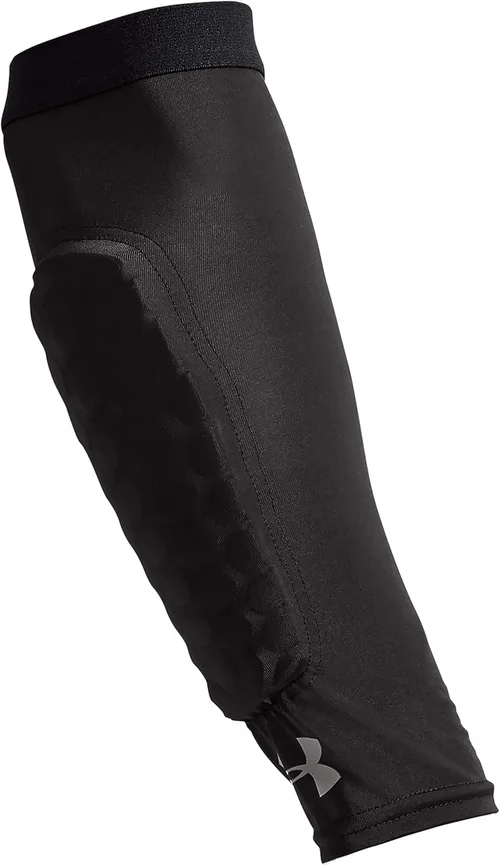
❌ Mistake: Prioritizing Price Over Protection
Why it’s bad: Opting for the cheapest guard might save you $20 upfront, but inadequate padding can lead to painful bruises, missed games, or worse—long-term nerve damage from repeated impacts. Rugby forearms endure forces comparable to martial arts strikes; skimping on protection is false economy.
What to do instead: Allocate at least $35–$50 for a mid-range guard with verified impact absorption. Think of it as injury insurance—spending a bit more now prevents costly medical bills or lost playing time later.
❌ Mistake: Ignoring Sizing Charts
Why it’s bad: A sleeve that’s too tight restricts circulation and causes numbness; one that’s too loose slides down during tackles, leaving your forearm exposed. Both scenarios compromise safety and performance.
What to do instead: Always measure your forearm and consult the brand’s sizing guide. If uncertain, contact customer service with your measurements. Many brands offer free size exchanges.
❌ Mistake: Buying Generic “Sports Sleeves”
Why it’s bad: Arm sleeves marketed for running or basketball lack rugby-specific padding and durability. They won’t withstand scrum pressure or tackle impacts, offering false security.
What to do instead: Search specifically for “rugby forearm guards” or “rugby arm protectors.” Verify that the product description mentions impact protection, not just UV defense or muscle support.
❌ Mistake: Overlooking Washability & Hygiene
Why it’s bad: Sweat-soaked guards breed bacteria, leading to odors, rashes, or infections—especially in warm climates or during tournament play.
What to do instead: Choose guards with antimicrobial treatments and machine-washable designs. Wash after every use with mild detergent, and air-dry away from direct heat.
❌ Mistake: Assuming All Padding Is Equal
Why it’s bad: Thin foam layers or low-density padding compress easily, offering minimal real-world protection. Some budget guards use decorative padding that looks thick but absorbs little energy.
What to do instead: Look for technical specs: density (e.g., “40kg/m³ EVA”), layer count, or material names like D3O. Read reviews mentioning actual impact performance.
❌ Mistake: Neglecting Position-Specific Needs
Why it’s bad: A prop wearing a minimalist guard designed for wingers will suffer unnecessary injuries. Conversely, a back wearing a bulky forward guard may lose agility and speed.
What to do instead: Match your guard to your role. Forwards: prioritize coverage and density. Backs: seek lightweight, low-profile designs with strategic padding.
❌ Mistake: Not Testing Before Committing
Why it’s bad: Comfort and fit are subjective. What feels great in the store may chafe during a 60-minute match.
What to do instead: Buy from retailers with generous return policies. Test the guard during training—simulate tackles, scrums, and sprints to assess performance under real conditions.
Budget Guidelines: How Much Should You Spend?
– Entry-Level ($15–$30): Suitable for beginners, youth players, or those in low-contact roles. Expect basic neoprene or thin EVA foam. Limited durability and minimal advanced features. Best for occasional use or skill drills.
– Mid-Range ($35–$60): The sweet spot for most club and amateur players. Offers balanced protection with quality compression fabric, decent padding, and better stitching. Brands like Gilbert and Venum excel here. Ideal for weekly matches and regular training.
– Premium ($65–$100): Designed for serious players and forwards. Features high-density foam, D3O/gel inserts, antimicrobial linings, and ergonomic shaping. Excellent for high-impact positions and competitive leagues. Worth the investment if you play regularly.
– Luxury ($100+): Reserved for elite athletes, custom-fit solutions, or medical-grade protection. Includes personalized molding, advanced impact analytics, or therapeutic support. Only necessary for players with chronic injuries or professional demands.

Expert Tips for Getting the Best Deal
– Shop During Off-Season: Prices drop significantly in late summer (August–September) as retailers clear stock for the new season. You can save 20–30% on last year’s models—often identical in performance.
– Bundle with Other Gear: Many rugby retailers offer discounts when you buy guards alongside jerseys, boots, or headgear. Check for “kit deals” or loyalty programs.
– Compare Online vs. In-Store: Online stores (e.g., RugbyLocker, World Rugby Shop) usually have better selection and prices than local sports shops. However, in-store purchases let you try before buying—ideal for fit-critical items.
– Sign Up for Newsletters: Brands like Canterbury and Shock Doctor send exclusive promo codes to subscribers. You might snag 10–15% off your first order.
– Check Return Policies Rigorously: Ensure the retailer accepts returns on worn items if the guard doesn’t perform as expected. Some stores only allow exchanges for unworn goods—avoid these unless you’re confident in sizing.
– Look for Refurbished or Open-Box Deals: Reputable sellers sometimes offer lightly used or returned guards at steep discounts. These are often inspected and sanitized, making them a budget-friendly alternative.
– Consider Multi-Pack Options: If you play year-round or have multiple kits, buying a two-pack can reduce per-unit cost by 15–20%.
– Read the Fine Print on Warranties: Some “lifetime warranties” only cover defects, not wear and tear. Understand what’s included before relying on long-term coverage.

Frequently Asked Questions
Q: Are forearm guards allowed in official rugby matches?
A: Yes! World Rugby regulations permit protective forearm guards as long as they don’t have rigid edges or dangerous protrusions. Most commercial guards comply, but always check for certification if playing at elite levels.
Q: Can I wear forearm guards over compression sleeves?
A: Generally, no—most guards are designed to be worn directly on the skin for optimal fit and moisture management. Layering can cause overheating, slippage, or restricted movement. If you need extra warmth, choose a guard with built-in thermal lining.
Q: How often should I replace my forearm guard?
A: Replace every 6–12 months with regular use, or sooner if padding compresses, seams fray, or elasticity degrades. Signs include visible thinning, loss of grip, or increased post-match soreness.
Q: Do forearm guards prevent fractures?
A: While they significantly reduce risk of bruising and bone contusions, no guard can guarantee fracture prevention in extreme impacts. However, quality guards disperse force enough to lower the chance of serious injury.
Q: Are there gender-specific forearm guards?
A: Most guards are unisex, but some brands offer women’s cuts with slimmer profiles and shorter lengths. If you have smaller forearms, look for “women’s” or “youth” sizing for a better fit.
Q: Can I machine wash my forearm guard?
A: Yes, but use cold water, gentle cycle, and mild detergent. Avoid bleach and fabric softeners. Air-dry only—heat can damage elastic fibers and padding.
Q: Do forearm guards help with muscle fatigue?
A: Indirectly, yes. Compression fabrics may improve blood flow and reduce vibration during impact, potentially delaying fatigue. However, their primary purpose remains protection, not performance enhancement.
Q: What’s the difference between a forearm guard and an arm sleeve?
A: Arm sleeves are typically for UV protection, warmth, or muscle support—not impact absorption. Forearm guards include dedicated padding designed specifically for collision sports like rugby.
Q: Can kids wear adult-sized forearm guards?
A: No—adult guards are too long and wide, reducing effectiveness and comfort. Always choose youth-specific sizes for players under 16 to ensure proper fit and safety.
Q: Are there eco-friendly forearm guard options?
A: A few emerging brands use recycled polyester or biodegradable foams, but these are still niche. Look for companies with sustainability initiatives or take-back programs for old gear.
Our Final Recommendations
– Best for Budget-Conscious Buyers: Gilbert Synergie Forearm Guard ($28) – Reliable EVA padding, snug fit, and trusted brand name. Perfect for beginners and casual players.
– Best Overall Value: Shock Doctor Rugby Forearm Guard ($55) – Combines D3O-like impact dispersion, antimicrobial lining, and excellent breathability. Ideal for club-level forwards and backs alike.
– Best Premium Option: OPRO Power-Forearm Pro ($89) – Features multi-layer gel padding, silicone grip bands, and seamless construction. Built for elite performance and durability.
– Best for Beginners: Venum Elite Forearm Guard ($35) – Lightweight, easy to wear, and affordably priced. Great introduction to protective gear without overwhelming complexity.
– Best for Advanced Users: Canterbury Fusion Guard ($75) – Used by professional players, offers anatomical shaping, high-density foam, and tournament-tested reliability. A top choice for serious competitors.
Conclusion: Making the Right Choice
Choosing the right rugby forearm guard isn’t just about picking the shiniest product or the cheapest deal—it’s about aligning protection, comfort, and durability with your unique playing style and needs. Whether you’re a prop absorbing scrum after scrum or a winger dodging tackles at full speed, your forearm guard should feel like a natural extension of your arm: invisible when it’s working well, and invaluable when it takes a hit for you.
We’ve covered everything from material science to sizing nuances, budget strategies to brand trust. Now it’s your turn to prioritize. Ask yourself: What position do I play? How often do I train? Have I had forearm injuries before? Answering these questions honestly will guide you far better than any marketing claim.
Remember, the best guard is the one you’ll actually wear—consistently and confidently. So take your time, read reviews, measure carefully, and don’t hesitate to reach out to retailers with questions. Your arms deserve protection that matches your passion for the game.
Ready to step onto the pitch with peace of mind? Invest in a quality forearm guard today—and play harder, safer, and smarter.

