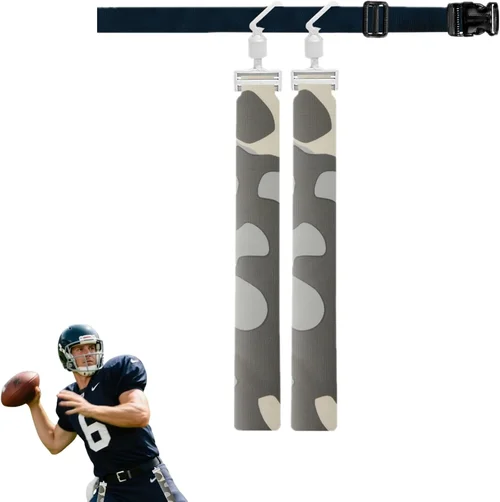
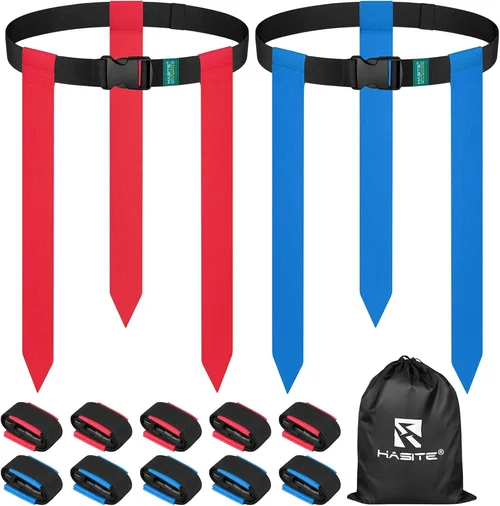
If you’re involved in touch rugby, flag rugby, or any non-contact variant of the sport, you already know how fast-paced and dynamic the game can be. Unlike traditional rugby with full tackles, these modified versions rely on a simple yet essential piece of equipment: the rugby tag belt. This unassuming strap system allows players to “tag” opponents by pulling a flag or Velcro tab instead of making physical contact—keeping the game safe, inclusive, and fun for all ages and skill levels.
But here’s the catch: not all tag belts are created equal. With dozens of brands, materials, designs, and price points flooding the market in 2026, choosing the right one can feel overwhelming. Whether you’re a coach stocking up for a youth league, a recreational player upgrading your gear, or a parent buying your first set for your child, making an informed decision is crucial. A poorly designed belt can slip during play, break mid-game, or cause discomfort that distracts from performance. That’s why this comprehensive buying guide exists—to cut through the noise, clarify your options, and help you invest wisely in gear that enhances your game, not hinders it.
In the following sections, you’ll learn everything you need to know about rugby tag belts: from core features like durability and adjustability to nuanced considerations like weather resistance and ease of use. We’ll break down the different types available, highlight common purchasing pitfalls, provide budget-friendly recommendations, and share expert tips to ensure you get the best value for your money. By the end, you’ll be equipped with the knowledge to choose a tag belt that fits your needs, supports your gameplay, and lasts season after season.

What to Look for When Buying Buying Guide
1. Build Quality & Durability
When it comes to rugby tag belts, durability isn’t just a nice-to-have—it’s essential. These belts endure constant pulling, twisting, and tugging throughout games and practices. Low-quality materials may fray, snap, or lose their grip after just a few uses, leading to frustrating mid-game malfunctions or even safety concerns if a player loses their flag unexpectedly.
Look for belts made from high-tensile webbing such as polyester or nylon, which resist tearing and stretching. The stitching should be reinforced at stress points—especially where the flags attach—and ideally double- or triple-stitched for added strength. Metal D-rings or buckles (if present) should be rust-resistant, preferably coated steel or aluminum, to prevent corrosion from sweat or rain. Many top-tier belts now use molded plastic buckles that are lightweight yet incredibly strong, reducing the risk of breakage during aggressive play.
Real-world testing matters too. Brands that subject their products to simulated gameplay conditions—like repeated 50+ pound pulls or exposure to mud and moisture—tend to offer more reliable performance. If possible, check user reviews mentioning long-term use; belts that hold up over multiple seasons are worth the investment.
2. Comfort & Fit Adjustability
A tag belt might be functional, but if it’s uncomfortable, players won’t want to wear it—or worse, they’ll adjust it improperly, compromising safety and performance. Comfort starts with the width and padding of the belt itself. Wider belts (1.5 to 2 inches) distribute pressure more evenly across the waist, reducing chafing during extended play. Some models include soft neoprene or foam lining for extra cushioning, which is especially helpful for younger players or those with sensitive skin.
Adjustability is equally important. Look for belts with smooth-sliding buckles or hook-and-loop closures that allow quick, secure fitting across a wide range of waist sizes—typically from 24 to 48 inches. This ensures a snug fit for both kids and adults without being too tight or too loose. A well-fitted belt stays in place during sprints, cuts, and sudden stops, preventing distractions and maintaining consistent gameplay.
Also consider breathability. Belts with mesh panels or moisture-wicking fabrics help reduce sweat buildup, keeping players cooler and more comfortable in hot weather or intense matches.
3. Flag Attachment System
The entire purpose of a tag belt is to enable clean, unambiguous tagging—so the flag attachment mechanism must be both secure and easy to use. There are two primary systems on the market: Velcro-based tabs and clip-on flags.
Velcro flags are the most common and widely accepted in recreational and youth leagues. They’re simple: a strip of hook-and-loop fastener holds the flag in place, and pulling it cleanly removes it. However, low-quality Velcro can lose its grip over time, especially when wet or covered in dirt. Premium belts use industrial-grade Velcro that maintains adhesion even under harsh conditions.
Clip-on systems, often seen in higher-end or professional setups, use plastic or metal clips that snap securely into place. These offer faster reattachment between plays and are less prone to accidental detachment. However, they can be bulkier and may require two hands to reset—a drawback in fast-paced games.
Whichever system you choose, ensure the flags themselves are brightly colored (typically red, yellow, or orange) and made from durable, weather-resistant fabric like ripstop nylon. Flags should be easy to see from a distance and resistant to fraying at the edges.
4. Weather Resistance & Maintenance
Rugby tag games often happen outdoors—rain or shine. That means your belt needs to withstand exposure to moisture, UV rays, mud, and temperature fluctuations. Water-resistant or quick-drying materials prevent soggy, heavy belts that become uncomfortable and promote bacterial growth. Look for belts labeled as “weather-resistant” or “all-weather,” which typically feature coated webbing or hydrophobic fabrics.
UV resistance is another often-overlooked factor. Prolonged sun exposure can degrade synthetic materials, causing them to become brittle or discolored. Belts treated with UV inhibitors maintain their integrity longer, especially if stored outdoors between games.
Maintenance should also be straightforward. Ideally, the belt should be machine-washable or easy to wipe down with a damp cloth. Avoid models with intricate components that trap dirt or require special cleaning agents. Simplicity equals longevity.
5. Ease of Use & Quick Reset
In fast-moving games, every second counts—and fumbling with a complicated belt system can cost your team valuable time. The best tag belts allow players to reset their flags quickly and independently between plays. This is especially important in tournament settings where games are back-to-back.
Velcro systems generally offer the fastest reset: just press the flag back into place. Clip-on systems may require aligning and snapping, which can slow things down slightly—but some newer designs feature magnetic or auto-locking mechanisms for near-instant reattachment.
Consider how intuitive the system is for younger players. If kids struggle to reattach their own flags, coaches spend more time assisting and less time coaching. Look for belts with clear visual cues (like color-matched flags and slots) or tactile feedback (a satisfying “click” when secured).
6. Brand Reputation & Certifications
Not all tag belt manufacturers prioritize safety and quality. Stick with brands known for their commitment to sports equipment standards—especially those catering to youth or school programs. Reputable brands often undergo third-party testing for tensile strength, flammability, and chemical safety (e.g., free from harmful phthalates or lead).
Look for certifications like CE marking (Europe), CPSIA compliance (U.S. children’s products), or ASTM standards for athletic equipment. These aren’t always advertised prominently, but reputable retailers or brand websites usually list them in product descriptions or FAQs.
Established names like Tag Rugby International, Play Rugby USA, and SportHQ have built trust through years of supplying leagues and schools. Emerging brands may offer innovative features, but verify their track record through customer reviews and return rates before committing.
7. Warranty & Customer Support
A good warranty speaks volumes about a manufacturer’s confidence in their product. Most quality tag belts come with at least a 6-month to 1-year warranty covering defects in materials or workmanship. Some premium brands offer extended coverage or even lifetime guarantees on stitching and hardware.
Equally important is responsive customer support. If a belt fails mid-season, you don’t want to wait weeks for a replacement. Check if the brand offers live chat, email support, or a clear returns process. Brands with U.S.-based support teams typically resolve issues faster than overseas-only operations.
Before purchasing, read the fine print: some warranties exclude “normal wear and tear” or damage from improper use. Make sure you understand what’s covered—and keep your receipt!
8. Price vs. Value Proposition
It’s tempting to go for the cheapest option, but remember: tag belts are a recurring expense if they break frequently. A $10 belt that lasts one season costs more long-term than a $25 belt that lasts three. Evaluate the total cost of ownership, including replacement flags, shipping, and downtime.
Mid-range belts ($20–$35) often offer the best balance of quality, features, and affordability. They’re durable enough for weekly use, comfortable for most players, and backed by decent warranties. Premium models ($40+) may include advanced features like antimicrobial lining, customizable flag colors, or modular designs—but these are usually overkill for casual players.
Always ask: “What am I getting for the price?” Compare specs side-by-side rather than relying solely on brand names or packaging claims.
Different Types of Buying Guide

Common Buying Mistakes to Avoid
❌ Mistake: Prioritizing Price Over Quality
Why it’s bad: Cheap belts often use thin webbing, weak stitching, and low-grade Velcro that fail under stress. This leads to frequent replacements, wasted money, and potential safety issues if a flag detaches unexpectedly during play.
What to do instead: Invest in a mid-range belt from a reputable brand. Look for reinforced stitching, high-denier fabric, and positive long-term reviews. The upfront cost is lower than the cumulative expense of buying three cheap belts over two seasons.
❌ Mistake: Ignoring Size Range and Fit
Why it’s bad: A belt that’s too tight restricts movement and causes discomfort; one that’s too loose slips during sprints, making tagging unreliable. Many buyers assume “one size fits all” actually works—but waist sizes vary widely, especially in mixed-age groups.
What to do instead: Check the manufacturer’s size chart carefully. Opt for belts with a wide adjustment range (e.g., 24″–48″) and test the fit before the first game. For youth programs, consider buying adjustable belts or offering multiple sizes.
❌ Mistake: Overlooking Weather Conditions
Why it’s bad: Playing in rain or humidity can turn a perfectly good belt into a soggy, slippery mess. Non-water-resistant Velcro loses grip when wet, and untreated webbing absorbs moisture, becoming heavy and unhygienic.
What to do instead: Choose belts labeled as water-resistant or quick-drying. If you play outdoors regularly, look for hydrophobic materials and avoid cotton blends. Store belts in ventilated bags to prevent mildew.
❌ Mistake: Buying Without Testing Flag Reset Speed
Why it’s bad: In fast-paced games, slow flag reattachment slows down play and frustrates players. Some clip systems require precise alignment, while worn Velcro may not hold securely on the first try.
What to do instead: If possible, test the belt yourself or watch demo videos. Ask coaches or league organizers for feedback on reset efficiency. Prioritize systems that allow one-handed, intuitive reattachment.
❌ Mistake: Neglecting Warranty and Return Policies
Why it’s bad: Defective belts can ruin a season if you can’t return or replace them quickly. Some retailers offer no-questions-asked returns, while others impose strict restocking fees or short windows.
What to do instead: Always check the return policy before buying—especially for bulk orders. Choose retailers with 30-day+ return windows and clear warranty terms. Keep receipts and packaging until you’re sure the product performs as expected.
❌ Mistake: Assuming All Flags Are Interchangeable
Why it’s bad: Not all flag systems are compatible across brands. Mixing Velcro flags with clip belts—or using third-party flags—can lead to poor adhesion or detachment issues.
What to do instead: Stick to manufacturer-recommended flags or verify compatibility before purchasing extras. If you need spare flags, buy them from the same brand to ensure consistent performance.
❌ Mistake: Overbuying Premium Features for Casual Play
Why it’s bad: Luxury belts with antimicrobial lining, custom embroidery, or modular designs add cost without meaningful benefit for recreational players. You’re paying for features you’ll never use.
What to do instead: Match the belt to your usage level. Casual players don’t need tournament-grade gear—focus on core durability and comfort instead.
Budget Guidelines: How Much Should You Spend?
- Entry-Level ($8–$18): Ideal for occasional play, school PE classes, or beginners. Expect basic polyester webbing, standard Velcro flags, and minimal padding. These belts work fine for light use but may wear out after a full season of weekly games. Great for testing interest in the sport without a big investment.
- Mid-Range ($20–$35): The sweet spot for most buyers. These belts feature reinforced stitching, wider adjustable straps, weather-resistant materials, and reliable flag systems. Perfect for recreational leagues, youth clubs, and regular players who want gear that lasts 2–3 seasons without breaking the bank.
- Premium ($36–$50): Designed for competitive play, coaches, and frequent users. Expect high-denier nylon, clip-on or hybrid flag systems, ergonomic padding, and extended warranties. These belts offer superior performance, faster resets, and enhanced durability—worth the upgrade if you play multiple times per week.
- Luxury ($50+): Top-tier options with custom branding, eco-friendly materials, or advanced features like RFID tracking (for officiating) or integrated hydration pockets. Best suited for professional teams, event organizers, or enthusiasts who value innovation and aesthetics. Overkill for casual use but unmatched in quality and design.

Expert Tips for Getting the Best Deal
- Buy Off-Season: Prices drop significantly in late fall and winter (post-rugby season). Stock up during Black Friday, Cyber Monday, or January sales for up to 30% off.
- Shop Direct from Brands: Retailers like Amazon or Walmart often markup prices. Buying directly from manufacturers (e.g., Tag Rugby International’s website) can save money and ensure authenticity.
- Check School/League Partnerships: Some brands offer exclusive discounts to affiliated programs. Ask your league coordinator if they have a preferred supplier with group rates.
- Read Verified Purchase Reviews: Focus on reviews from buyers who’ve used the belt in real games—not just unboxing impressions. Look for comments about durability after 3+ months.
- Test Before Committing to Bulk: Order one belt first to evaluate fit, comfort, and flag performance. If it passes, place a larger order with confidence.
- Bundle with Other Gear: Some retailers offer discounts when you buy belts with cones, balls, or jerseys. Even if you don’t need everything, splitting a bundle with another coach can reduce per-item cost.
- Watch for Refurbished or Open-Box Deals: Reputable sellers sometimes offer lightly used or returned belts at 20–40% off. These are often indistinguishable from new and come with full warranties.
- Prioritize Free Returns: If the belt doesn’t fit or perform as expected, you shouldn’t pay to send it back. Choose retailers with hassle-free return policies.

Frequently Asked Questions
Q: Can adults and kids use the same tag belt?
A: Yes—most quality tag belts are fully adjustable and fit waist sizes from 24 to 48 inches, accommodating both children and adults. Just ensure the buckle is easy for younger players to operate.
Q: How many flags should come with each belt?
A: Standard sets include two flags (one on each side), which is sufficient for most rule sets. Some leagues require four flags—check your local regulations before buying.
Q: Are tag belts machine washable?
A: Most are! Remove the flags first, then wash on a gentle cycle with mild detergent. Air dry only—heat can damage Velcro and webbing. Avoid fabric softeners, which reduce Velcro grip.
Q: Do I need different colored flags for each team?
A: Not necessarily. Many leagues use the same flag color for all players and rely on jersey colors to distinguish teams. However, some tournaments use colored flags (e.g., red vs. yellow) for quick visual identification—confirm with your league rules.
Q: Can I replace just the flags if they wear out?
A: Absolutely. Most brands sell replacement flags separately. Keep spares on hand—flags endure the most wear and are the first component to fail.
Q: Are there left- or right-handed tag belts?
A: No. Tag belts are ambidextrous by design, with flags mounted symmetrically. Players can tag from either side without adjustment.
Q: How do I prevent the belt from riding up during play?
A: Ensure a snug but comfortable fit—tighten the belt so it sits just above the hips. Wider belts (1.75″+) stay in place better than narrow ones. Some players wear compression shorts underneath for added security.
Q: Are there tag belts for people with sensory sensitivities?
A: Yes. Look for belts with soft, seamless interiors and minimal hardware. Some brands offer hypoallergenic options or sensory-friendly designs with extra padding and no metal parts.
Q: Can I use rugby tag belts for other sports?
A: Definitely! They’re popular in flag football, capture the flag, and even fitness drills. Just confirm the flag system matches your activity’s requirements.
Q: What’s the average lifespan of a quality tag belt?
A: With proper care, a mid-to-premium belt lasts 2–4 seasons of weekly use. Factors like weather exposure, frequency of play, and maintenance habits greatly influence longevity.
Our Final Recommendations
- Best for Budget-Conscious Buyers: SportHQ Basic Velcro Set ($12) – Reliable for casual play, easy to use, and widely available. Great for schools or first-time players.
- Best Overall Value: Tag Rugby International Pro Belt ($28) – Reinforced nylon, weather-resistant, and backed by a 1-year warranty. Perfect balance of price and performance.
- Best Premium Option: Play Rugby USA Clip-On Elite ($45) – Lightning-fast reset, modular design, and tournament-approved. Ideal for competitive leagues and coaches.
- Best for Beginners: Franklin Sports Youth Tag Belt ($15) – Soft padding, bright flags, and simple Velcro system. Designed specifically for kids and new players.
- Best for Advanced Users: RugbyTag Pro+ with Antimicrobial Lining ($52) – High-end materials, sweat-wicking fabric, and customizable flags. Built for serious players who demand peak performance.
Conclusion: Making the Right Choice
Choosing the right rugby tag belt isn’t just about picking the shiniest product on the shelf—it’s about aligning your purchase with your specific needs, playing environment, and long-term goals. Whether you’re outfitting an entire youth league or upgrading your personal gear, the factors we’ve covered—durability, comfort, flag system, weather resistance, and value—will guide you toward a smart, lasting investment.
Remember, the cheapest option isn’t always the most economical, and the most expensive isn’t always necessary. Focus on what matters most for your situation: if you play weekly in all weather, prioritize weather-resistant materials; if you’re coaching kids, ease of use and safety come first. Use this guide as your roadmap, avoid the common pitfalls, and take advantage of seasonal deals to stretch your budget further.
Ultimately, a great tag belt should disappear into the background—letting you focus on strategy, teamwork, and the pure joy of the game. With the right gear, every tag becomes a moment of excitement, not frustration. So take your time, do your research, and choose wisely. Your future self—and your teammates—will thank you.