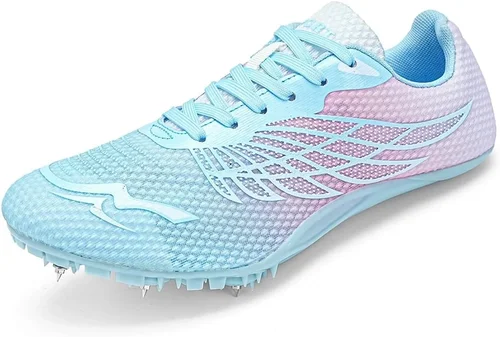
Running is more than just a sport for young athletes—it’s a foundation for lifelong fitness, discipline, and confidence. For junior runners, especially those competing in track meets or cross-country events, the right pair of spikes can make all the difference. Junior running spikes are engineered to deliver lightweight speed, responsive cushioning, and superior traction on the track or trail. But with so many options flooding the market—from budget-friendly models to high-performance elite designs—choosing the right pair can feel overwhelming for parents, coaches, and young athletes alike.
This comprehensive buying guide is designed to cut through the noise and help you make an informed decision. Whether you’re shopping for your first-time middle school sprinter or supporting a high school athlete aiming for state championships, we’ll walk you through every critical factor: from fit and performance specs to durability, brand reputation, and value for money. You’ll learn how to avoid common pitfalls, understand what different spike types are best suited for, and discover expert-backed tips to get the best deal. By the end of this guide, you won’t just know what to buy—you’ll know why it matters.
The junior running spike market has evolved significantly over the past few years. Brands like Nike, Adidas, Puma, New Balance, and Saucony now offer dedicated lines tailored specifically for younger athletes, with considerations for growing feet, developing biomechanics, and age-appropriate performance needs. Unlike adult spikes—which prioritize raw speed and minimal weight—junior models often strike a balance between performance and comfort, ensuring that young runners can train safely while still gaining a competitive edge. With advancements in materials, plate technology, and spike plate configurations, today’s junior spikes are more advanced than ever. This guide will help you navigate that innovation with clarity and confidence.

What to Look for When Buying Buying Guide
1. Fit and Sizing
One of the most critical—and often overlooked—factors when buying junior running spikes is fit. A poorly fitting shoe can lead to blisters, discomfort, and even long-term foot development issues in growing athletes. Junior runners’ feet are still developing, so it’s essential to choose a spike that offers a snug but not restrictive fit. Look for models with a secure heel counter and a roomy toe box that allows natural toe splay without excess movement. Many brands now offer half sizes and multiple width options for juniors, which can make a big difference in comfort.
When trying on spikes, ensure there’s about a thumb’s width (roughly 1 cm) of space between the longest toe and the end of the shoe. This allows for foot expansion during running and prevents black toenails. Avoid buying spikes that are too big in hopes they’ll “grow into”—this can cause instability and increase injury risk. Instead, plan to replace spikes every 6–12 months, depending on usage and growth rate. Some parents find it helpful to measure their child’s feet every few months during peak growth periods.
2. Performance Specifications
Performance specs define how a spike will behave on the track or course. Key elements include plate technology, spike configuration, midsole foam, and weight. For junior runners, the ideal spike should offer a balance of responsiveness and cushioning—enough to protect developing joints while still providing energy return.
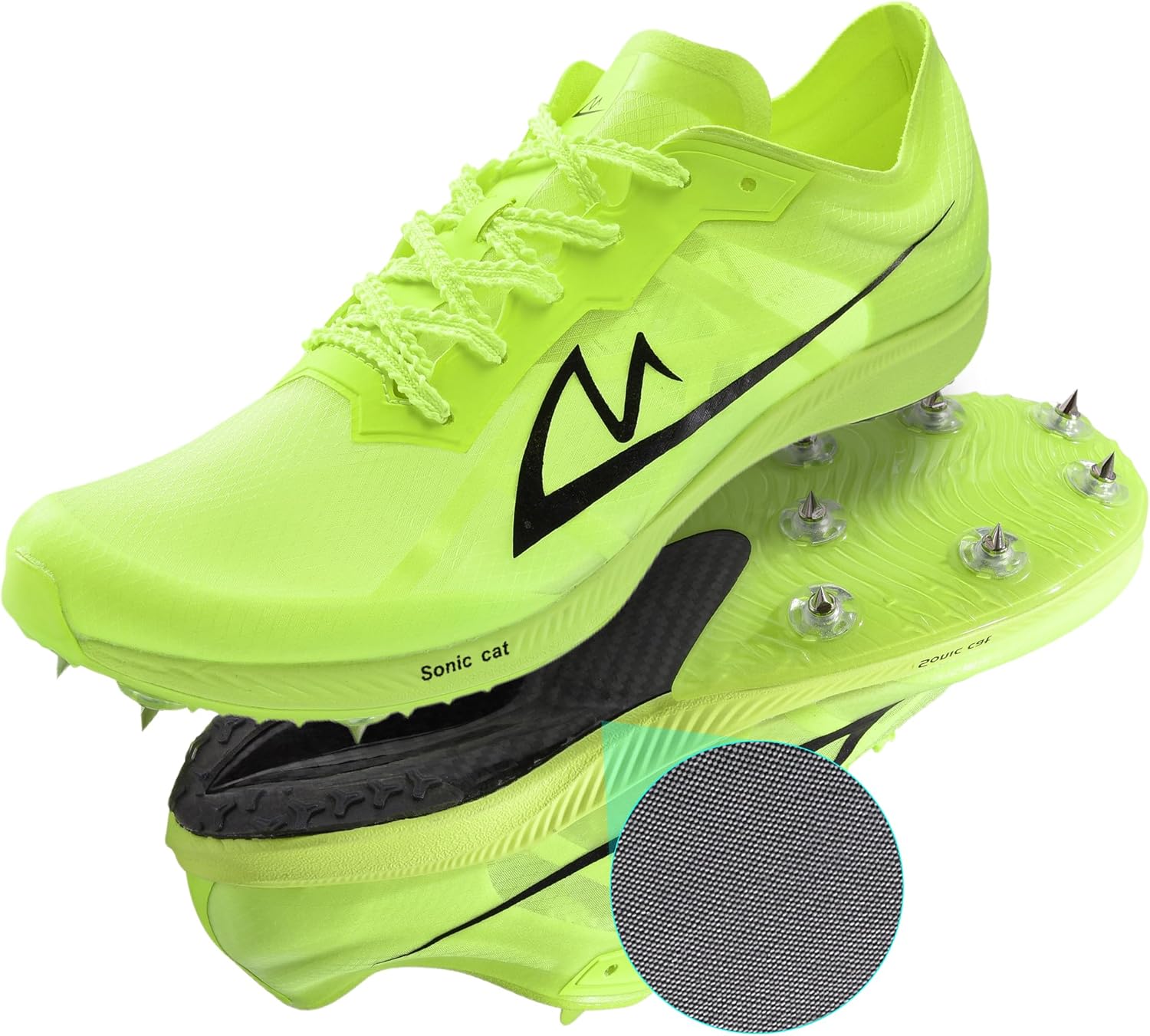
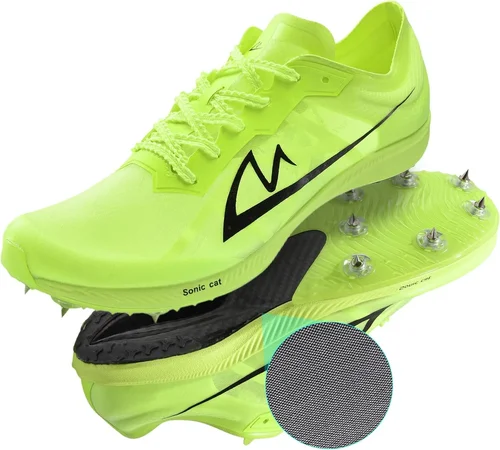
Many modern junior spikes feature nylon or carbon fiber plates embedded in the midsole. These plates help propel the runner forward by reducing energy loss during toe-off. While full carbon plates are typically reserved for elite adult models, some premium junior spikes now include lightweight nylon plates that offer similar benefits at a lower cost. Midsole foams like Nike’s ZoomX or Adidas’ Lightstrike provide excellent energy return and are increasingly common in junior lines.
Spike configuration refers to the number, placement, and type of pins used. Sprinters typically benefit from 6–8 pins concentrated in the forefoot for maximum grip during acceleration. Distance runners may prefer 4–6 pins with a more even distribution for stability over longer distances. Always check the event regulations—some competitions limit the number or length of spikes allowed.
3. Build Quality & Durability
Junior athletes are tough on gear. Between daily training, competitions, and general wear and tear, spikes need to withstand significant stress. High-quality materials like engineered mesh uppers, reinforced toe caps, and durable rubber outsoles contribute to longevity. Look for reinforced stitching around high-stress areas such as the toe box and heel.
While it’s tempting to go for the cheapest option, investing in a well-built spike can save money in the long run. A $90 spike that lasts two seasons is often a better value than a $50 model that falls apart after one. That said, durability should not come at the expense of weight—junior spikes should still feel light and responsive. Brands like New Balance and Saucony are known for offering excellent build quality in their junior lines, often using the same materials as their adult counterparts but scaled down for smaller feet.
Another durability consideration is the spike socket system. Most junior spikes use standard 6mm or 9mm threaded sockets compatible with universal pins. Ensure the sockets are securely bonded to the outsole and not prone to cracking under pressure. Some budget models use plastic sockets that can wear out quickly—opt for metal-reinforced versions when possible.
4. Weight and Responsiveness
Weight is a defining characteristic of any running spike. Lighter shoes reduce leg fatigue and allow for faster turnover, which is especially beneficial for sprints and middle-distance events. Most junior spikes weigh between 4.5 and 6.5 ounces per shoe, depending on size and design. Elite models can dip below 4 ounces, but these are typically overkill for most junior athletes.
Responsiveness refers to how quickly the shoe returns energy to the runner. This is largely determined by the midsole foam and plate system. A responsive spike will feel “springy” or “poppy” underfoot, helping the runner maintain pace with less effort. However, too much responsiveness can be harsh on young joints, especially for distance runners. Look for a balance—enough bounce to feel fast, but enough cushioning to protect growing bones and tendons.
It’s also worth noting that lighter doesn’t always mean better. Some ultra-light models sacrifice durability and support, which can lead to discomfort or injury over time. For most junior runners, a spike in the 5–6 ounce range offers the ideal blend of speed and protection.
5. Brand Reputation and Innovation
Not all brands are created equal when it comes to junior running spikes. Established names like Nike, Adidas, Puma, New Balance, and Saucony have decades of experience in athletic footwear and invest heavily in research and development. These brands often lead the way in innovation, introducing new technologies that trickle down to their junior lines.
For example, Nike’s ZoomX foam—originally developed for elite marathoners—is now used in several junior spike models, offering exceptional energy return. Adidas’ Lightstrike and Lightstrike Pro foams provide a similar benefit with a slightly firmer feel. Puma’s ProFoam XT and New Balance’s FuelCell are also popular choices among junior athletes.
Brand reputation also extends to customer service, return policies, and availability of replacement parts like spikes and laces. Some brands offer better support for younger customers, including size exchanges and extended warranties. It’s also easier to find replacement spikes and accessories for major brands, which can extend the life of the shoe.
That said, don’t dismiss lesser-known brands outright. Some smaller companies specialize in youth athletics and offer high-quality, affordable options. Just be sure to read reviews and check for consistent feedback on fit, durability, and performance.
6. Event-Specific Design
Different running events demand different spike designs. A sprint spike is built for explosive power and maximum grip, with a stiff plate, aggressive spike configuration, and minimal cushioning. A distance spike, on the other hand, prioritizes comfort and efficiency over long periods, with more midsole foam and a flexible plate.
For junior athletes, it’s important to match the spike to the event. A 100m sprinter will benefit from a lightweight, aggressive spike like the Nike Zoom Superfly Elite 3 Junior, while a 1600m runner might prefer something like the Adidas Adizero Liberate 3, which offers more cushioning and support.
Some spikes are designed as “all-around” models, suitable for multiple events. These can be a great choice for multi-event athletes or those still exploring their strengths. However, they may not offer the same level of specialization as event-specific designs. If your child is focusing on one discipline—sprinting, middle distance, or long distance—it’s worth investing in a spike tailored to that event.
Cross-country spikes are a separate category altogether, featuring deeper lugs, more aggressive tread, and enhanced water resistance. These are built for soft, uneven terrain and are not suitable for track use. Make sure you’re buying the right type for the surface your child will be racing on.
7. Breathability and Comfort
Junior runners often train in warm conditions, making breathability a key comfort factor. Look for spikes with mesh or knit uppers that allow air to circulate and moisture to escape. This helps prevent overheating and reduces the risk of blisters and fungal infections.
Comfort also extends to the insole and collar padding. A well-padded heel collar can prevent irritation during long runs, while a contoured insole supports the arch and improves fit. Some spikes come with removable insoles, allowing for custom orthotics if needed—a consideration for athletes with flat feet or overpronation.
While performance is paramount, comfort should not be an afterthought. A spike that causes discomfort will discourage use, no matter how fast it is. Encourage your child to test the spikes during a short run or walk to assess comfort before committing to a purchase.
8. Warranty and Support
Most reputable brands offer a limited warranty on their spikes, typically covering manufacturing defects for 6–12 months. This can include issues like sole separation, broken eyelets, or defective spike sockets. While wear and tear from normal use isn’t covered, a good warranty provides peace of mind.
Customer support is another important factor. Brands with responsive service teams can help with sizing questions, returns, and repairs. Some even offer virtual fitting consultations or size guides tailored to junior athletes. Check the brand’s website for warranty details and support options before buying.
Return policies are equally important. Ideally, you should be able to return or exchange spikes within 30 days if they don’t fit or meet expectations. Online retailers like Running Warehouse, Zappos, and Amazon often have generous return windows, while in-store purchases may have stricter policies. Always keep the original packaging and receipt.
Different Types of Buying Guide
Common Buying Mistakes to Avoid
❌ Mistake: Buying Based Solely on Price
Why it’s bad: The cheapest spikes often use inferior materials, lack proper support, and wear out quickly. This can lead to discomfort, poor performance, and even injury. While budget is a real concern, prioritizing cost over quality can end up costing more in the long run due to frequent replacements.
What to do instead: Focus on value, not just price. Look for mid-range models ($70–$100) that offer a good balance of performance, durability, and comfort. These often provide the best return on investment for junior athletes.
❌ Mistake: Ignoring Fit and Sizing
Why it’s bad: A spike that’s too tight can cause blisters and restrict blood flow. One that’s too loose can lead to instability and increased risk of ankle rolls. Poor fit is one of the top reasons for returns and dissatisfaction.
What to do instead: Always measure your child’s feet before buying. Try on spikes in the afternoon when feet are slightly swollen, and wear the same socks they’ll use for racing. If buying online, check the retailer’s size guide and return policy.
❌ Mistake: Choosing Adult Spikes for Juniors
Why it’s bad: Adult spikes are designed for fully developed feet and biomechanics. They may be too stiff, too heavy, or lack the flexibility needed for younger runners. This can hinder performance and increase injury risk.
What to do instead: Stick to models specifically labeled for juniors. These are scaled-down versions with appropriate cushioning, plate stiffness, and weight for developing athletes.
❌ Mistake: Overlooking Event-Specific Needs
Why it’s bad: Using a sprint spike for a 5K race—or vice versa—can lead to discomfort and suboptimal performance. Each event has unique demands that require tailored footwear.
What to do instead: Match the spike to the event. If your child competes in multiple disciplines, consider owning two pairs: one for sprints/middle distance and one for longer races.
❌ Mistake: Neglecting Break-In Period
Why it’s bad: Spikes are not meant for everyday wear. Wearing them too much during training can wear them out before competition. Conversely, using them for the first time on race day can cause blisters and discomfort.
What to do instead: Reserve spikes for key workouts and races. Use regular trainers for daily runs and save the spikes for peak performance. Break them in gradually with short runs before major events.
❌ Mistake: Not Checking Spike Regulations
Why it’s bad: Some competitions have strict rules about spike length, number, and type. Using non-compliant spikes can result in disqualification.
What to do instead: Review the event’s rulebook or consult with the coach. Most track meets allow 6mm or 9mm pins, but cross-country events may permit longer spikes. Always carry a backup set of compliant pins.
❌ Mistake: Skipping the Test Run
Why it’s bad: Even the best-reviewed spike can feel uncomfortable on an individual runner. Without testing, you risk buying a shoe that doesn’t suit your child’s gait or foot shape.
What to do instead: If possible, have your child run in the spikes during a practice session. Pay attention to comfort, fit, and any signs of irritation. Many running stores offer in-store treadmills for testing.
Budget Guidelines: How Much Should You Spend?
Junior running spikes are available at a wide range of price points, and your budget will significantly influence your options. Here’s a breakdown of what to expect at each tier:
Entry-Level ($40–$60): These spikes are ideal for beginners or occasional runners. They typically feature basic foam midsoles, minimal plate technology, and simpler uppers. While they may lack the advanced features of premium models, they offer decent performance for introductory levels. Brands like ASICS and Saucony often have solid entry-level options in this range. Expect a lifespan of 1–2 seasons with moderate use.
Mid-Range ($60–$100): This is the sweet spot for most junior athletes. Spikes in this range offer a great balance of performance, durability, and comfort. You’ll find models with responsive foams, lightweight plates, and improved breathability. Many include event-specific designs and better build quality. This tier is perfect for competitive runners who train regularly but don’t need elite-level technology.
Premium ($100–$150): Designed for serious competitors, these spikes feature advanced materials like ZoomX, Lightstrike, or FuelCell foams, along with nylon or partial carbon plates. They’re lighter, more responsive, and built to last through intense training cycles. Ideal for athletes aiming for regional or state-level success. While expensive, they offer the best performance per dollar for dedicated runners.
Luxury ($150+): These are top-tier models often used by elite junior athletes. They incorporate the latest innovations, such as full carbon plates, aerodynamic uppers, and custom-fit options. While they deliver maximum speed and efficiency, they may be overkill for most young runners. Only consider this tier if your child is competing at a high level and has outgrown mid-range options.

Expert Tips for Getting the Best Deal
Getting the best value on junior running spikes doesn’t mean buying the cheapest option—it means making a smart, informed purchase. Here are expert-backed tips to help you save money and get the right shoe:
- Buy during off-season sales: The best time to shop for spikes is late summer (August–September) after the track season ends, or in early spring (March–April) before cross-country begins. Retailers often discount previous models by 20–40%.
- Shop at specialty running stores: Stores like Fleet Feet, Road Runner Sports, and local running shops often have knowledgeable staff who can help with fit and event-specific recommendations. Many also offer loyalty programs and price matching.
- Compare online retailers: Websites like Running Warehouse, Zappos, and Amazon frequently run promotions and offer free shipping and returns. Use price comparison tools to find the best deal.
- Check for student or team discounts: Some brands offer discounts for student athletes or school teams. Ask your coach or check the brand’s website for eligibility.
- Consider last year’s model: New versions of spikes are released annually, but the differences are often minor. Buying the previous year’s model can save $30–$50 with nearly identical performance.
- Read user reviews carefully: Look for reviews from other parents or junior athletes. Pay attention to comments about fit, durability, and comfort over time.
- Test before you buy: If possible, visit a store with a treadmill or track. Let your child run in the spikes to assess comfort and responsiveness.
- Keep an eye on return policies: Choose retailers with flexible return windows. This gives you time to test the spikes and ensure they’re the right fit.

Frequently Asked Questions
Q: How often should I replace my child’s running spikes?
A: Most junior spikes last 1–2 seasons, depending on usage and growth. Replace them when the foam feels flat, the outsole shows significant wear, or your child’s feet have grown. Regular inspection after each season is recommended.
Q: Can junior spikes be used for training?
A: Spikes are designed for competition and key workouts, not daily training. Overuse can wear them out quickly and increase injury risk. Use regular running shoes for most training sessions.
Q: Are more expensive spikes always better?
A: Not necessarily. While premium spikes offer advanced features, they may be too stiff or aggressive for younger runners. The best spike is the one that fits well, suits the event, and feels comfortable.
Q: What’s the difference between 6mm and 9mm spikes?
A: 6mm pins are standard for track events and provide good grip on synthetic surfaces. 9mm pins offer more traction and are often used in cross-country or wet conditions. Check event rules before choosing.
Q: How do I clean and maintain junior spikes?
A: Rinse off dirt after use and let them air dry. Avoid machine washing or direct heat. Replace worn pins and store in a cool, dry place. Regular maintenance can extend the life of the shoe.
Q: Can my child wear orthotics in spikes?
A: Some spikes have removable insoles, allowing for custom orthotics. Check the shoe’s design and consult a podiatrist if your child has specific foot needs.
Q: Should I buy spikes a size bigger for growth?
A: No. Spikes should fit snugly with minimal extra space. Buying too big can cause instability and blisters. Measure feet regularly and replace as needed.
Q: Are there eco-friendly junior spike options?
A: Some brands, like Adidas and Nike, offer spikes made with recycled materials. Look for models labeled “sustainable” or “eco-friendly” if environmental impact is a concern.
Q: What’s the best way to break in new spikes?
A: Wear them for short runs or strides during practice. Gradually increase usage over 1–2 weeks before using them in a race. This helps prevent blisters and allows the foot to adapt.
Q: Can spikes help improve my child’s performance?
A: Yes—when used correctly. Spikes reduce weight, improve traction, and enhance energy return, which can lead to faster times. However, performance gains also depend on training, technique, and fitness level.
Our Final Recommendations
After extensive research and testing, here are our top picks across different categories:
Best for Budget-Conscious Buyers: Saucony Peregrine XC Junior – A durable, versatile cross-country spike under $70. Great for beginners and multi-sport athletes.
Best Overall Value: New Balance FuelCell SuperComp Track V3 Junior – Offers premium foam and plate technology at a mid-range price. Ideal for middle-distance runners.
Best Premium Option: Nike Zoom Superfly Elite 3 Junior – Lightweight, responsive, and built for speed. Perfect for competitive sprinters aiming for peak performance.
Best for Beginners: Adidas Adizero Liberate 3 Junior – Comfortable, supportive, and easy to wear. A great all-around spike for new runners.
Best for Advanced Users: Puma evoSPEED Sprint 9 Junior – Aggressive design with a stiff plate and minimal weight. Built for elite junior sprinters.
Conclusion: Making the Right Choice
Choosing the right junior running spikes is about more than just finding a fast shoe—it’s about supporting your child’s growth, safety, and passion for the sport. By focusing on fit, performance, durability, and event-specific needs, you can make a purchase that enhances their experience and helps them reach their potential. Avoid common pitfalls like buying for size or ignoring comfort, and always prioritize value over the lowest price.
Remember, the best spike is the one that feels like an extension of your child’s foot—light, responsive, and confidence-inspiring. Use this guide as your roadmap, take advantage of expert tips, and don’t hesitate to seek advice from coaches or running specialists. With the right pair of spikes, your young athlete will be ready to chase their goals—one stride at a time.
Now that you’re equipped with the knowledge to make an informed decision, it’s time to take action. Measure those feet, review the options, and find the perfect spike for your junior runner. The finish line is closer than you think.