
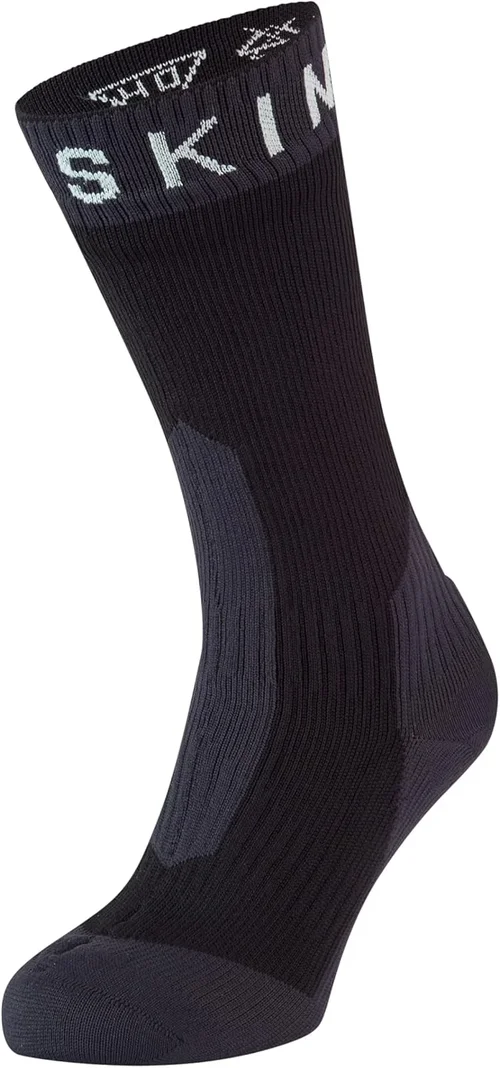
When the mercury drops and winter’s icy grip tightens, your feet are often the first to feel the chill. Whether you’re trekking through snow-covered trails, braving a morning commute in sub-zero temperatures, or simply trying to stay warm during outdoor winter activities, proper insulation is non-negotiable. That’s where thermal liner socks come into play—thin yet powerful underlayers designed to boost warmth without adding bulk. Among the top contenders in this niche is the Sealskinz Thermal Liner Sock, a product that has earned a reputation for performance, durability, and thoughtful engineering.
This comprehensive buying guide is crafted for anyone serious about foot warmth in cold conditions. Whether you’re an avid hiker, a winter cyclist, a construction worker braving the elements, or someone who just can’t stand cold toes, this guide will equip you with everything you need to make an informed decision. We’ll break down the key factors to consider, compare different types of thermal liners, highlight common pitfalls, and offer expert-backed advice to help you choose the right pair—without overspending or compromising on quality.
The market for thermal socks has exploded in recent years, with countless brands offering everything from budget wool blends to high-tech synthetic layers. But not all thermal liners are created equal. Sealskinz stands out due to its heritage in waterproof and weather-resistant gear, bringing that same level of innovation to its thermal liner line. In this guide, we’ll dive deep into what makes these socks unique, how they stack up against competitors, and whether they’re the right fit for your needs. By the end, you’ll know exactly what to look for, what to avoid, and how to get the best value for your investment.

What to Look for When Buying Thermal Liner Socks
1. Thermal Performance & Insulation Technology
Thermal performance is the cornerstone of any liner sock. The primary purpose of a thermal liner is to trap body heat close to the skin while wicking moisture away—preventing sweat buildup that can lead to rapid heat loss. Sealskinz Thermal Liner Socks use a combination of advanced materials to achieve this balance. The inner layer typically features a soft, brushed fleece or microfleece lining that provides immediate warmth, while the outer shell is made from a tightly woven synthetic blend that enhances heat retention.
Look for liners that specify their insulation rating or thermal efficiency. While there’s no universal standard, many brands use terms like “3M Thinsulate,” “Primaloft,” or proprietary blends. Sealskinz often uses a proprietary thermal yarn system that mimics the loft and warmth of down but retains insulating properties even when damp. This is crucial because moisture is the enemy of warmth—wet feet lose heat up to 25 times faster than dry feet.
Another key factor is breathability. A good thermal liner shouldn’t trap heat to the point of causing overheating and excessive sweating. Sealskinz incorporates strategic ventilation zones and moisture-wicking fibers to regulate temperature. This dual-action design ensures your feet stay warm without becoming clammy—a common issue with cheaper liners.
2. Material Composition & Fabric Quality
The materials used in thermal liner socks directly impact comfort, durability, and performance. Sealskinz Thermal Liner Socks are typically constructed from a blend of synthetic fibers such as polyester, nylon, and elastane, with some models incorporating merino wool for enhanced softness and natural odor resistance.
Polyester is prized for its moisture-wicking capabilities and quick-drying nature. It’s lightweight and retains shape well, making it ideal for layering. Nylon adds strength and abrasion resistance, which is important if you’re wearing the liners under hiking boots or work footwear. Elastane (or spandex) provides stretch, ensuring a snug, non-slip fit that prevents bunching or slipping inside your shoe.
Merino wool, when included, brings natural temperature regulation and antimicrobial properties. It’s softer than traditional wool and less likely to cause itching. However, pure wool liners can be bulkier and slower to dry. Sealskinz often uses a hybrid approach—wool on the inside for comfort and synthetics on the outside for durability.
Avoid liners made entirely from cotton. Cotton absorbs moisture and loses insulating power when wet, making it a poor choice for cold-weather layering. Similarly, be cautious of liners with high acrylic content—while inexpensive, acrylic can pill over time and doesn’t wick moisture as effectively as polyester or wool.
3. Fit, Sizing & Comfort
A thermal liner is only as good as its fit. Too tight, and it restricts circulation, leading to cold feet. Too loose, and it bunches up, creating pressure points and reducing insulation. Sealskinz offers a range of sizes with detailed sizing charts based on shoe size and foot measurements. Their liners are designed to fit snugly without compression, allowing for a second sock layer without crowding.
Look for anatomical shaping—liners that are contoured to the left and right foot. This reduces wrinkling and improves comfort, especially during long wear. Seams should be flat or seamless to prevent rubbing, particularly around the toe and heel. Sealskinz uses flatlock stitching in key areas to minimize irritation.
Comfort also extends to the cuff height. Most thermal liners are crew-length, but some are shorter (ankle) or longer (knee-high). For winter use, crew-length is ideal as it tucks into boots and prevents cold air from entering. Ensure the cuff has enough elasticity to stay up without cutting into the calf.
4. Moisture Management & Breathability
Moisture management is arguably as important as insulation. Even the warmest liner will fail if it traps sweat, leading to dampness and rapid heat loss. Sealskinz Thermal Liner Socks are engineered with moisture-wicking technology that pulls sweat away from the skin and disperses it across the fabric surface for faster evaporation.
Look for liners with mesh panels or zones of increased permeability, especially in high-sweat areas like the arch and ball of the foot. Some models feature channeled stitching or 3D knit patterns that enhance airflow. Sealskinz often uses a two-layer system: an inner moisture-wicking layer and an outer breathable shell.
Breathability is also influenced by the fabric’s weight and density. Lighter-weight liners (under 150g/m²) are more breathable but may offer less insulation. Heavier liners (200g/m² and up) provide more warmth but can feel stifling during high activity. Sealskinz strikes a balance with medium-weight fabrics that perform well across a range of conditions.
Avoid liners with plastic-like coatings or non-breathable membranes unless they’re specifically designed for waterproofing (which thermal liners typically are not). These can trap heat and moisture, defeating the purpose of layering.
5. Durability & Longevity
Thermal liners are often worn under heavier socks and subjected to friction from boots and shoes. As such, durability is a major concern. Sealskinz Thermal Liner Socks are built to last, with reinforced heels and toes—areas that experience the most wear. The synthetic blends used are resistant to pilling, tearing, and stretching out of shape.
Check the thread count and fabric density. Higher thread counts generally indicate better durability, though this isn’t always listed. Look for double-stitched seams and bartacking at stress points. Sealskinz also uses high-tenacity yarns that resist abrasion, making their liners suitable for repeated use in rugged environments.
Washing and care also affect longevity. Most thermal liners should be machine washed in cold water and air-dried. Avoid fabric softeners, which can coat fibers and reduce wicking performance. Sealskinz liners are designed to retain their shape and insulation after multiple washes, but improper care can shorten their lifespan.
6. Compatibility with Footwear
Not all thermal liners work with all types of shoes. A liner that fits perfectly in a hiking boot may be too tight in a casual winter boot or too loose in a ski boot. Sealskinz Thermal Liner Socks are designed to be thin enough to layer under most footwear without causing tightness, but compatibility still depends on your specific shoes.
Consider the internal volume of your footwear. If your boots are already snug, adding a liner may make them uncomfortable. Conversely, if your shoes are roomy, a liner can fill the space and improve fit. Sealskinz liners are typically 1.5–2mm thick, making them suitable for most standard-width shoes.
For specialized use—such as skiing, mountaineering, or cycling—check if the liner is designed for that activity. Some liners are optimized for high-moisture environments (like cycling), while others prioritize maximum insulation (like mountaineering). Sealskinz offers variants tailored to different sports, so match the liner to your primary use case.
7. Brand Reputation & Customer Support
Sealskinz has built a strong reputation over decades for producing high-performance outdoor gear. Originally known for waterproof socks and gloves, the brand has expanded into thermal and insulated products with the same attention to detail. Their thermal liners are tested in real-world conditions, often by outdoor professionals and athletes.
Customer support is another strength. Sealskinz offers responsive service, detailed product guides, and a satisfaction guarantee on many items. Their website includes fit guides, care instructions, and compatibility tips, making it easier for buyers to choose the right product.
When evaluating any brand, look for transparency in materials, manufacturing, and testing. Sealskinz provides detailed specs and often shares insights into their design process. This level of openness builds trust and helps consumers make informed decisions.
8. Warranty & Return Policy
A good warranty reflects confidence in product quality. Sealskinz offers a limited warranty on their thermal liners, typically covering defects in materials and workmanship for one year from purchase. This includes issues like seam failure, fabric degradation, or insulation breakdown under normal use.
Their return policy is also buyer-friendly. Most retailers allow returns within 30–60 days, provided the product is unworn and in original packaging. Some online stores even offer free return shipping. This gives you a risk-free window to test the liners in real conditions.
Always check the warranty terms before buying. Some exclusions apply—such as damage from improper care or excessive wear. Registering your product online can sometimes extend coverage or provide access to exclusive support.
Different Types of Thermal Liner Socks

Common Buying Mistakes to Avoid
❌ Mistake: Buying Based Solely on Price
Why it’s bad: Choosing the cheapest liner available often means sacrificing performance, durability, and comfort. Budget liners may use inferior materials that pill, lose shape, or fail to wick moisture effectively. In extreme cold, this can lead to frostbite or discomfort.
What to do instead: Prioritize value over cost. A $30 liner that lasts two seasons and keeps your feet warm is a better investment than a $15 liner that fails after a few uses. Look for mid-range options with proven reviews and solid warranties.
❌ Mistake: Ignoring Fit and Sizing
Why it’s bad: A poorly fitting liner can cause blisters, restrict circulation, or slip inside your shoe. Even the best thermal technology won’t help if the sock doesn’t stay in place.
What to do instead: Use the brand’s sizing chart and measure your foot if necessary. Try on liners with your intended footwear. If buying online, check return policies and consider ordering two sizes to test.
❌ Mistake: Overlooking Moisture Management
Why it’s bad: A warm but non-breathable liner can trap sweat, leading to damp feet and rapid heat loss. This is especially dangerous in wet or high-activity conditions.
What to do instead: Choose liners with moisture-wicking fabrics and breathable zones. Avoid cotton or plastic-coated materials. Test the liner during light activity to ensure it stays dry.
❌ Mistake: Assuming All Liners Are Interchangeable
Why it’s bad: Different activities require different liner properties. A cycling liner needs to be thin and breathable, while a mountaineering liner needs maximum insulation. Using the wrong type can lead to discomfort or failure.
What to do instead: Match the liner to your primary use case. Check product descriptions for intended activities and choose accordingly.
❌ Mistake: Neglecting Care Instructions
Why it’s bad: Improper washing can degrade fibers, reduce insulation, and shorten lifespan. Fabric softeners, high heat, and aggressive detergents are common culprits.
What to do instead: Follow care labels precisely. Wash in cold water, avoid softeners, and air-dry. Store liners flat or rolled, not crumpled.
❌ Mistake: Not Testing Before Committing
Why it’s bad: Comfort and performance are subjective. What works for one person may not work for another due to foot shape, activity level, or climate.
What to do instead: Take advantage of return policies. Wear the liners for a full day in real conditions. If they don’t perform, return them and try a different model.
Budget Guidelines: How Much Should You Spend?
Entry-Level ($10–$20): These liners are typically made from basic synthetic blends or acrylic. They offer minimal insulation and may lack moisture-wicking capabilities. Best for occasional use in mild cold or as a backup. Expect shorter lifespan and potential discomfort.
Mid-Range ($20–$35): This is the sweet spot for most buyers. Liners in this range, like the standard Sealskinz Thermal Liner, offer balanced performance, good durability, and reliable moisture management. Ideal for daily winter use, hiking, and commuting.
Premium ($35–$50): Designed for serious outdoor enthusiasts, these liners feature advanced materials like merino wool blends, reinforced construction, and activity-specific designs. The Sealskinz Merino Blend and Expedition Liners fall here. Worth the investment for frequent use in harsh conditions.
Luxury ($50+): Top-tier liners with cutting-edge insulation, custom fits, or proprietary technologies. Often used by professionals in extreme environments. While high-performing, they may be overkill for casual users.
Expert Tips for Getting the Best Deal
- Buy Off-Season: Purchase thermal liners in late spring or summer when demand is low. Retailers often discount winter gear to clear inventory.
- Subscribe to Newsletters: Brands like Sealskinz offer exclusive discounts to email subscribers. You might get 10–15% off your first order.
- Check Outlet Stores: Sealskinz has an outlet section on their website with discontinued or overstock items at reduced prices.
- Bundle Purchases: Some retailers offer discounts when you buy multiple pairs or combine with other gear.
- Read Return Policies: Ensure you can return or exchange if the fit or performance isn’t right. Free returns are a big plus.
- Test in Real Conditions: Don’t judge a liner solely in a store. Wear it during a walk, hike, or commute to assess true performance.
- Consider Multi-Packs: Buying in sets of two or three can reduce the per-pair cost and ensure you always have a clean pair ready.

Frequently Asked Questions
Q: Can I wear Sealskinz Thermal Liner Socks alone?
A: Yes, but they’re designed as liners. Wearing them alone is fine for light activity or indoor use, but for maximum warmth and protection, layer them under a thicker sock.
Q: Are Sealskinz liners waterproof?
A: No, thermal liners are not waterproof. They’re designed for insulation and moisture-wicking. For wet conditions, consider Sealskinz’s waterproof sock line.
Q: How do I wash my thermal liners?
A: Machine wash in cold water with mild detergent. Avoid fabric softeners and bleach. Air-dry only—do not tumble dry.
Q: Will these liners make my shoes too tight?
A: Sealskinz liners are thin and designed to layer without bulk. However, if your shoes are already snug, try a half-size larger or a thinner liner model.
Q: Can I use these for skiing?
A: Yes, especially the Expedition Liner. Ensure your ski boots have enough room for layering. Avoid over-tightening, which can reduce circulation.
Q: Do they prevent blisters?
A: While not specifically designed for blister prevention, the snug fit and moisture-wicking properties can reduce friction and sweat—two major blister causes.
Q: Are they suitable for summer use?
A: Not recommended. Thermal liners are for cold weather. In warm conditions, they can cause overheating and excessive sweating.
Q: How long do they last?
A: With proper care, Sealskinz liners can last 1–2 seasons of regular use. Reinforced models may last longer.
Q: Can I wear them with sandals?
A: Technically yes, but they’re not designed for it. The fit and function are optimized for closed footwear.
Q: Are they eco-friendly?
A: Sealskinz uses some recycled materials and focuses on durability to reduce waste. Check product specs for sustainability details.
Our Final Recommendations
Best for Budget-Conscious Buyers: Generic Synthetic Liner ($10–$18) – A basic option for occasional use. Not as durable, but functional for mild cold.
Best Overall Value: Sealskinz Thermal Liner (Standard) ($25–$35) – Excellent balance of warmth, breathability, and durability. Ideal for most winter activities.
Best Premium Option: Sealskinz Merino Blend Liner ($30–$40) – Superior comfort and odor resistance. Perfect for long hikes or multi-day trips.
Best for Beginners: Sealskinz Ultra-Thin Liner ($20–$28) – Easy to layer, great for first-time users or those with tight footwear.
Best for Advanced Users: Sealskinz Expedition Liner ($40–$50) – Maximum insulation and durability for extreme conditions and professional use.
Conclusion: Making the Right Choice
Choosing the right thermal liner sock isn’t just about staying warm—it’s about comfort, performance, and safety in cold environments. Sealskinz Thermal Liner Socks stand out for their thoughtful design, reliable materials, and proven performance across a range of conditions. Whether you’re braving a winter trail, commuting in the snow, or working outdoors, the right liner can make all the difference.
As you evaluate your options, remember to prioritize your specific needs. Consider your activity level, climate, footwear, and budget. Don’t fall for cheap imitations or overlook fit and care. Invest in quality, test thoroughly, and take advantage of expert tips to get the best value.
Ultimately, the best thermal liner is the one that keeps your feet warm, dry, and comfortable—without compromising your mobility or budget. With the insights from this guide, you’re now equipped to make a confident, informed decision. Your feet will thank you when the temperature drops.

