The world of personal health technology has evolved at a breathtaking pace over the past decade, and at the heart of this revolution lies the smart heart rate monitor. No longer confined to hospital rooms or elite athlete training centers, these devices have become accessible, affordable, and deeply integrated into our daily lives. Whether you’re a fitness enthusiast tracking your cardio progress, someone managing a chronic condition like hypertension or arrhythmia, or simply aiming to gain better insight into your overall wellness, a smart heart rate monitor can be a powerful ally. But with dozens of models flooding the market—from sleek wrist-worn wearables to chest straps, ear clips, and even smart rings—choosing the right one can feel overwhelming. That’s where this comprehensive buying guide comes in.
This guide is designed to cut through the noise and help you make a confident, informed decision in 2026. We’ll walk you through every critical factor you need to consider, from accuracy and battery life to comfort, compatibility, and long-term value. You’ll learn how different types of monitors work, what features truly matter, and how to avoid common pitfalls that lead to buyer’s remorse. Whether you’re on a tight budget or ready to invest in top-tier tech, we’ve got you covered. By the end of this article, you’ll not only understand what to look for—you’ll know exactly which smart heart rate monitor aligns with your lifestyle, goals, and health needs.
The smart heart rate monitor market today is more diverse and sophisticated than ever. Leading brands like Apple, Garmin, Polar, Fitbit, and Whoop continue to push the boundaries with advanced sensors, AI-driven insights, and seamless integration with health ecosystems. Meanwhile, emerging players are introducing innovative form factors and niche functionalities, such as stress tracking, recovery metrics, and real-time ECG monitoring. With options ranging from under $50 to well over $500, there’s a device for nearly every use case and budget. But not all monitors are created equal. Some prioritize convenience over precision, while others offer clinical-grade accuracy at the cost of comfort or usability. Our goal is to help you navigate this landscape with clarity, so you can choose a device that doesn’t just look good on your wrist—but actually delivers meaningful, reliable health data you can trust.

What to Look for When Buying Buying Guide
1. Accuracy & Sensor Technology
When it comes to heart rate monitoring, accuracy is non-negotiable—especially if you’re using the data for medical purposes, athletic training, or tracking long-term health trends. The core of any smart heart rate monitor is its sensor technology, and understanding how it works is essential.
Most consumer-grade devices use optical photoplethysmography (PPG), which shines green LED lights into the skin to detect blood flow changes. While convenient and comfortable, PPG sensors can be affected by motion, skin tone, tattoos, and poor fit, leading to inaccuracies during high-intensity workouts or rapid heart rate changes. On the other hand, chest strap monitors typically use electrocardiography (ECG or EKG), which measures the electrical activity of the heart. These are widely regarded as the gold standard for accuracy, especially during dynamic activities like running or cycling.
Look for devices that use multi-LED arrays (often red, green, and infrared) and advanced algorithms to compensate for movement and improve signal quality. Some high-end models also incorporate accelerometers and gyroscopes to filter out noise. For medical-grade accuracy, consider devices with FDA clearance or CE certification for ECG functionality—such as the Apple Watch Series 9 or Withings ScanWatch.
2. Form Factor & Wearability
The physical design of your heart rate monitor plays a huge role in how consistently you’ll use it. A device that’s uncomfortable, bulky, or inconvenient is likely to end up in a drawer—no matter how advanced its features.
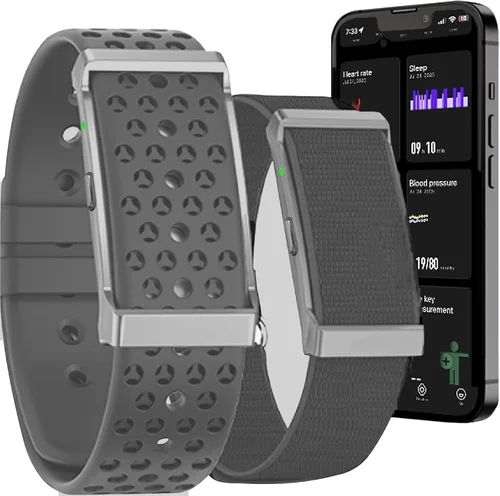
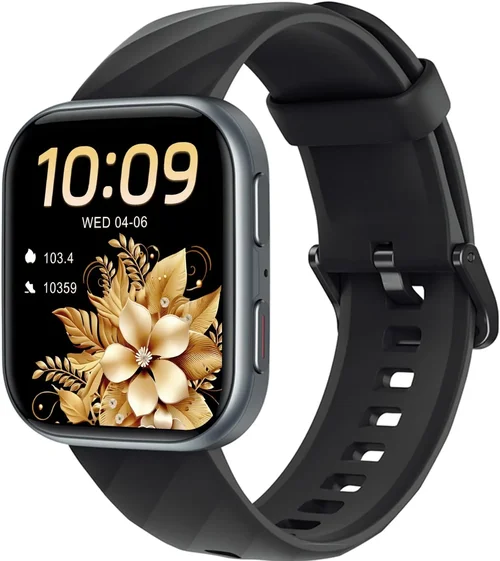
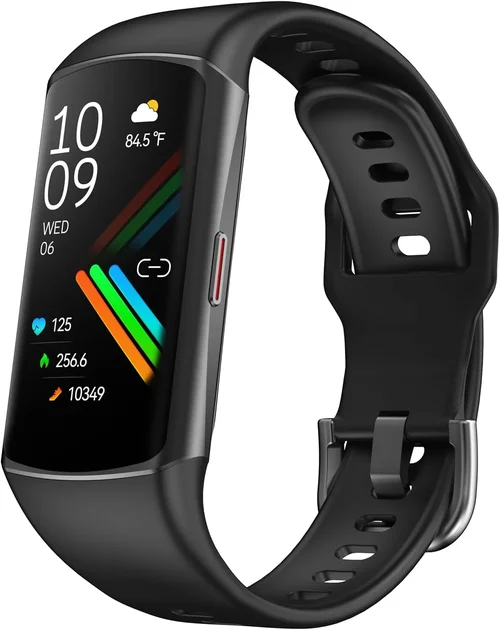
Wrist-based monitors (smartwatches and fitness bands) are the most popular due to their all-in-one functionality. They offer heart rate tracking alongside notifications, GPS, sleep monitoring, and more. However, they can be prone to motion artifacts during intense exercise. Chest straps, while less fashionable, provide superior accuracy and are often preferred by runners and cyclists. They’re lightweight, secure, and less affected by arm movement.
Emerging form factors include smart rings (like the Oura Ring) and earbuds with built-in sensors. These are ideal for users who want continuous monitoring without the bulk of a watch. Smart rings, in particular, are gaining traction for 24/7 wearability and sleep tracking, though they may lack real-time display capabilities.
Consider your daily routine: Do you sleep with your device? Work out frequently? Need something discreet for the office? Choose a form factor that fits seamlessly into your life. Comfort, weight, and adjustability are key—especially if you plan to wear it overnight or during long training sessions.
3. Battery Life & Charging
Battery life is one of the most overlooked yet crucial aspects of any wearable. A device that dies halfway through your workout or requires daily charging can quickly become a frustration.
Wrist-based smartwatches typically offer 1–7 days of battery life, depending on usage. High-end models like the Garmin Fenix 7 can last up to two weeks with moderate use, while always-on displays and continuous GPS drain power faster. Chest straps generally have longer battery life—often 30–60 hours of active use—and many use replaceable coin-cell batteries, eliminating the need for frequent charging.
Smart rings and earbuds vary widely: the Oura Ring lasts about 7 days, while some fitness earbuds need recharging after just 5–6 hours. If you’re using your monitor for sleep tracking, multi-day battery life is essential to avoid nightly charging.
Look for devices with efficient power management, such as auto-sleep modes, low-power sensors, and quick-charging capabilities. USB-C charging is now standard and preferred over proprietary connectors. Also consider whether the device supports wireless charging—a convenient feature for smartwatches and rings.
4. Connectivity & Compatibility
Your smart heart rate monitor is only as useful as the ecosystem it connects to. Seamless integration with your smartphone, fitness apps, and other devices ensures you can access, analyze, and act on your data.
Most modern monitors use Bluetooth 5.0 or higher to sync with iOS and Android devices. Ensure the device supports your phone’s operating system and version. Some advanced models also offer ANT+ connectivity, which is essential for compatibility with cycling computers, treadmills, and other gym equipment.
Check app quality and functionality. A good companion app should offer detailed analytics, trend tracking, customizable alerts, and the ability to export data. Popular platforms like Apple Health, Google Fit, Strava, and TrainingPeaks allow you to consolidate data from multiple sources. Devices that integrate well with these ecosystems provide a more holistic view of your health.
Also consider whether the device supports third-party apps and APIs. For example, Whoop and Garmin devices allow data sharing with platforms like MyFitnessPal and TrainingPeaks, enabling richer insights into nutrition, recovery, and performance.
5. Features & Functionality
Beyond basic heart rate tracking, today’s smart monitors offer a wide range of features. The key is to identify which ones align with your goals—and avoid paying for extras you’ll never use.
Common advanced features include:
– Continuous Monitoring: Tracks heart rate 24/7, ideal for spotting irregularities or monitoring recovery.
– Workout Modes: Pre-set profiles for running, swimming, cycling, HIIT, etc., with tailored metrics.
– Recovery & Stress Tracking: Uses heart rate variability (HRV) to assess your body’s readiness for activity.
– Sleep Analysis: Monitors sleep stages, duration, and quality, often using HRV and movement data.
– ECG & Atrial Fibrillation Detection: Available on select devices for medical-grade insights.
– GPS Tracking: Built-in or connected GPS for accurate distance and pace during outdoor activities.
– Water Resistance: Essential for swimmers; look for at least 5ATM or IP68 rating.
– Smart Notifications: Calls, texts, and app alerts—useful but can be distracting during workouts.
For athletes, features like VO2 max estimation, lactate threshold detection, and training load analysis are valuable. For general wellness users, sleep and stress tracking may be more relevant. Avoid devices bloated with gimmicks—focus on functionality that enhances your routine.
6. Build Quality & Durability
A heart rate monitor is an investment, and it should withstand daily wear and tear. Build quality directly impacts longevity, comfort, and performance.
Look for devices with robust materials: aerospace-grade aluminum, reinforced polymer, or titanium casings offer durability without excess weight. Gorilla Glass or sapphire crystal protects screens from scratches and impacts. For straps, silicone, fluoroelastomer, or woven nylon are common—choose based on comfort and sweat resistance.
Water and dust resistance are critical. Ratings like IP68 (dust-tight and submersible up to 1.5m) or 5ATM (suitable for swimming) ensure the device can handle sweat, rain, and pool sessions. Chest straps should be sweat-proof and machine-washable.
Also consider the warranty and repair options. Some brands offer extended warranties or free replacements for defects. Avoid ultra-cheap devices with flimsy construction—they often fail within months.
7. Brand Reputation & Ecosystem
Not all brands are created equal. Established companies like Garmin, Polar, Apple, and Fitbit have years of experience in health tech and strong customer support networks. They regularly update firmware, improve algorithms, and expand compatibility.
Emerging brands may offer innovative designs or lower prices, but they often lack long-term reliability and software support. Research user forums, professional reviews, and return rates before committing.
Also consider the brand’s ecosystem. Apple Watch users benefit from deep iOS integration, while Garmin excels in outdoor and athletic features. Fitbit offers excellent sleep tracking, and Whoop focuses on recovery and strain metrics. Choose a brand whose philosophy and product lineup align with your lifestyle.
8. Warranty & Customer Support
A good warranty and responsive customer service can save you time, money, and frustration. Most reputable brands offer at least a one-year limited warranty covering manufacturing defects. Some, like Garmin and Apple, provide international coverage and easy repair processes.
Check the return policy—especially if buying online. A 30-day money-back guarantee allows you to test the device in real-world conditions. Avoid retailers or brands with strict no-return policies.
Customer support should be accessible via phone, email, or live chat. Look for brands with active community forums, detailed FAQs, and firmware update logs. Poor support can turn a minor issue into a major headache.
Different Types of Buying Guide

Common Buying Mistakes to Avoid
❌ Mistake: Prioritizing Price Over Accuracy
Why it’s bad: A cheap monitor may save you money upfront, but if it provides inconsistent or inaccurate readings, it can mislead your training, health decisions, or medical monitoring. Inaccurate data is worse than no data.
What to do instead: Invest in a device with proven sensor technology and positive reviews from users with similar needs. Sometimes spending $50 more can mean the difference between reliable insights and frustration.
❌ Mistake: Ignoring Comfort and Fit
Why it’s bad: An uncomfortable device won’t be worn consistently. A loose fit causes signal dropout, while a tight one leads to irritation or avoidance.
What to do instead: Try before you buy if possible. Read user reviews about long-term wear. Choose adjustable straps and breathable materials. For chest straps, ensure the band is snug but not constricting.
❌ Mistake: Overlooking Battery Life
Why it’s bad: Frequent charging disrupts continuous monitoring, especially for sleep or recovery tracking. A dead device is useless when you need it most.
What to do instead: Match battery life to your usage. If you sleep with your device, aim for at least 5–7 days. For athletes, consider models with replaceable batteries or quick-charge features.
❌ Mistake: Buying Based on Brand Hype Alone
Why it’s bad: Popular brands aren’t always the best fit for your needs. Apple Watch excels in smart features but may lack battery life for endurance athletes.
What to do instead: Research independent reviews and compare specs. Look beyond marketing claims and focus on real-world performance in your intended use case.
❌ Mistake: Neglecting Software and App Experience
Why it’s bad: A great sensor is useless if the app is clunky, lacks insights, or doesn’t sync reliably. Poor software can make data inaccessible or hard to interpret.
What to do instead: Download the app before purchasing. Test the interface, data visualization, and sync speed. Check if it integrates with your existing health apps.
❌ Mistake: Not Considering Long-Term Use
Why it’s bad: Trends change, and so do your needs. A device that works for casual walking may not support advanced training or medical monitoring later.
What to do instead: Choose a device with room to grow—scalable features, firmware updates, and expandable ecosystems. Think about how your health goals might evolve.
Budget Guidelines: How Much Should You Spend?
Entry-Level ($30 – $100): Ideal for casual users or beginners. Devices in this range, like the Xiaomi Mi Band or Amazfit Band, offer basic heart rate tracking, step counting, and sleep monitoring. Expect limited accuracy during intense exercise and basic app functionality. Battery life is usually excellent (7–14 days). Great for getting started without a big investment.
Mid-Range ($100 – $300): The sweet spot for most buyers. Models like the Fitbit Charge 6, Garmin Vivosmart 5, or Polar Ignite 3 provide reliable optical sensors, multi-sport modes, GPS connectivity, and robust apps. You’ll get better accuracy, more features, and improved build quality. This tier balances performance, comfort, and value.
Premium ($300 – $600): For serious athletes, fitness enthusiasts, and health-conscious users. Devices like the Apple Watch Series 9, Garmin Forerunner 265, or Whoop 4.0 offer advanced metrics (VO2 max, HRV, recovery), ECG capabilities, and premium materials. Expect top-tier accuracy, extensive customization, and seamless ecosystem integration.
Luxury ($600+): Top-tier options for professionals, medical users, or tech enthusiasts. The Garmin Fenix 7X, Apple Watch Ultra 2, or Withings ScanWatch Horizon fall here. These devices boast military-grade durability, multi-band GPS, long battery life, and clinical-grade health monitoring. They’re overkill for casual use but unmatched in performance and reliability.
Expert Tips for Getting the Best Deal
– Buy During Sales Cycles: Major discounts occur during Black Friday, Cyber Monday, Amazon Prime Day, and post-holiday sales. Sign up for brand newsletters to get early access.
– Consider Refurbished Models: Certified refurbished devices from Apple, Garmin, or Fitbit offer significant savings with full warranties and like-new condition.
– Check Student & Military Discounts: Brands like Garmin, Apple, and Whoop offer discounts for students, educators, and service members—often 10–15% off.
– Bundle Deals: Some retailers offer discounts when you buy a monitor with a subscription (e.g., Whoop + 6-month membership) or accessories.
– Read Return Policies: Ensure you can return or exchange the device within 30 days if it doesn’t meet your expectations.
– Test in Real Conditions: If possible, try the device during a workout or overnight to assess comfort, accuracy, and usability.
– Monitor Firmware Updates: Choose brands that regularly update software to improve accuracy and add features over time.
– Join Loyalty Programs: Retailers like Best Buy, REI, or Amazon offer points, early access, and exclusive deals for members.

Frequently Asked Questions
Q: Are wrist-based heart rate monitors accurate?
A: Generally, yes—especially during steady-state activities like walking or cycling. However, they can be less accurate during high-intensity intervals, rapid heart rate changes, or if the fit is loose. For best results, wear the device snugly and avoid tattoos or excessive arm hair in the sensor area.
Q: Can I use a heart rate monitor for medical purposes?
A: Some devices, like the Apple Watch and Withings ScanWatch, are FDA-cleared for ECG and atrial fibrillation detection. These can be used to monitor certain heart conditions under medical supervision. However, they are not substitutes for professional medical devices. Always consult your doctor before relying on consumer tech for diagnosis.
Q: How often should I charge my heart rate monitor?
A: It depends on the device and usage. Smartwatches may need daily charging, while fitness bands and smart rings can last a week or more. Set a charging routine—like every Sunday night—to avoid unexpected downtime.
Q: Do I need GPS in my heart rate monitor?
A: Only if you run, cycle, or hike outdoors and want accurate distance, pace, and route tracking. Built-in GPS drains battery faster, so consider connected GPS (using your phone) if battery life is a priority.
Q: Can I wear my heart rate monitor in the shower or pool?
A: Check the water resistance rating. Devices rated 5ATM or IP68 can handle swimming and showering. Avoid hot tubs and saunas, as heat and steam can damage sensors.
Q: What is heart rate variability (HRV), and why does it matter?
A: HRV measures the variation in time between heartbeats and is a key indicator of recovery, stress, and overall health. Higher HRV generally suggests better fitness and lower stress. Many advanced monitors track HRV to guide training and sleep.
Q: How do I improve the accuracy of my heart rate monitor?
A: Ensure a snug fit, clean the sensor regularly, avoid wearing it over tattoos or scars, and calibrate it during steady-state activities. For chest straps, moisten the electrodes before use.
Q: Can I use multiple heart rate monitors at once?
A: Yes, but data may conflict. Some athletes use a chest strap for accuracy during workouts and a smartwatch for daily tracking. Sync both to a platform like Garmin Connect or Strava for a complete picture.
Q: Are smart rings worth the investment?
A: If you prioritize sleep tracking, 24/7 wearability, and minimal design, yes. Smart rings like Oura and Ultrahuman offer excellent sleep and recovery insights with week-long battery life. However, they lack screens and real-time feedback.
Q: What should I do if my heart rate monitor gives erratic readings?
A: First, check the fit and cleanliness. Restart the device and update firmware. If issues persist, contact customer support. Persistent inaccuracies may indicate a hardware defect.
Our Final Recommendations
Best for Budget-Conscious Buyers: Xiaomi Mi Band 8 – At under $50, it offers reliable heart rate tracking, 14-day battery life, and a sleek design. Perfect for beginners or casual users.
Best Overall Value: Fitbit Charge 6 – Combines accurate sensors, Google integration, built-in GPS, and a user-friendly app. Priced around $160, it’s a versatile choice for fitness and wellness.
Best Premium Option: Garmin Forerunner 265 – A top-tier running watch with advanced training metrics, AMOLED display, and exceptional accuracy. Ideal for serious athletes.
Best for Beginners: Amazfit Bip U Pro – Affordable, lightweight, and packed with features including SpO2, stress monitoring, and 9-day battery life. Great for those new to health tracking.
Best for Advanced Users: Whoop 4.0 – Subscription-based but unmatched in recovery and strain analysis. Uses a chest-strap-like sensor for 24/7 accuracy and focuses on optimizing performance and sleep.
Conclusion: Making the Right Choice
Choosing the right smart heart rate monitor in 2026 doesn’t have to be overwhelming. By focusing on accuracy, comfort, battery life, and compatibility—and avoiding common pitfalls—you can find a device that truly enhances your health journey. Remember, the best monitor is the one you’ll actually wear and use consistently. Whether you’re training for a marathon, managing stress, or simply curious about your heart health, the right tool can provide invaluable insights.
Take the time to assess your needs, read real user reviews, and test when possible. Don’t let flashy features or brand names distract you from what matters most: reliable data that helps you live healthier, train smarter, and feel your best. With the guidance in this article, you’re now equipped to make a confident, informed decision. Your heart—and your future self—will thank you.