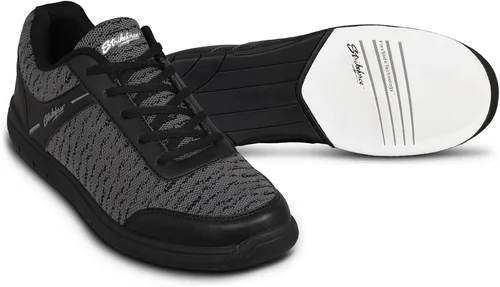
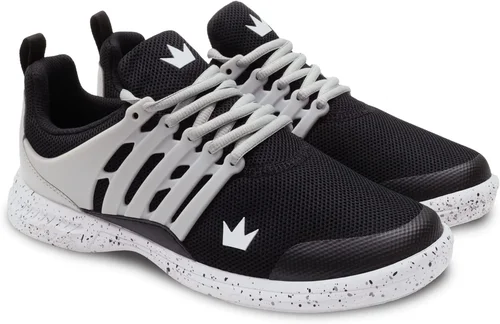
Choosing the right bowling shoes isn’t just about style—it’s about performance, consistency, and comfort on the lanes. Whether you’re a weekend warrior rolling a few games with friends or a competitive league player aiming for a 300, your footwear can make or break your game. Among the top brands trusted by bowlers across skill levels, Taylor bowling shoes stand out for their innovation, reliability, and attention to detail. With decades of experience crafting high-performance footwear, Taylor has become synonymous with precision engineering tailored to the unique demands of modern bowling.
In this comprehensive guide, we’ll walk you through everything you need to know to choose the perfect pair of Taylor bowling shoes in 2026. You’ll learn how to evaluate key factors like fit, slide mechanics, durability, and price—so you can make a confident decision that matches your playing style and budget. We’ll also break down different shoe types, highlight common pitfalls to avoid, and share expert tips to help you get the best value. By the end, you’ll have all the knowledge needed to step onto the approach with confidence, knowing your shoes are built to support your best game.
The market for bowling shoes has evolved significantly in recent years. Gone are the days when generic rental shoes were the only option. Today, brands like Taylor offer specialized designs for right-handed and left-handed players, interchangeable soles for varying lane conditions, and advanced materials that enhance breathability and support. Whether you’re upgrading from rentals or switching from another brand, understanding what makes Taylor shoes unique—and how to pick the right model—is essential. This guide cuts through the noise and delivers actionable insights based on real-world use, professional feedback, and technical specifications.

What to Look for When Buying Taylor Bowling Shoes
1. Fit and Comfort
Fit is arguably the most critical factor when selecting any athletic shoe—and bowling shoes are no exception. A poorly fitting pair can cause blisters, foot fatigue, or even alter your stance and delivery. Taylor bowling shoes are designed with anatomical lasts (the internal mold that shapes the shoe) that closely follow the natural contours of the foot, promoting better alignment during your approach. Look for models with padded collars, cushioned insoles, and breathable uppers—features commonly found in Taylor’s premium lines like the T-900 series.
When trying on Taylor shoes, always wear the same type of socks you’ll bowl in. Your toes should have a little wiggle room, but the heel must lock securely without slippage. Remember: bowling involves a controlled slide, so a snug—but not tight—fit ensures stability during your final step. If you’re ordering online, check Taylor’s size chart carefully and consider ordering half a size up if you’re between sizes, as some users report their shoes run slightly narrow.
2. Slide Sole Technology
One of Taylor’s standout innovations is their proprietary slide sole system, which allows players to customize their level of traction based on lane conditions. Most Taylor shoes feature replaceable soles—typically a slide sole on one foot (usually the non-dominant side) and a traction sole on the other. This dual-sole design enables bowlers to fine-tune their approach for dry, oily, or mixed lane surfaces.
Taylor offers multiple slide sole options, including microfiber, rubberized, and hybrid materials, each with distinct glide characteristics. For example, microfiber soles provide a smooth, consistent slide ideal for medium-to-heavy oil patterns, while rubberized soles offer more resistance for drier lanes. Advanced players often carry multiple sole sets to adapt mid-game. When choosing a Taylor model, confirm whether it includes interchangeable soles or requires separate purchases—some entry-level shoes come with fixed soles, limiting customization.
3. Build Quality and Durability
Bowling shoes endure unique stresses: repeated sliding, moisture from sweat, and exposure to lane oil and cleaning chemicals. Taylor addresses these challenges with reinforced stitching, abrasion-resistant toe caps, and high-density rubber outsoles that resist wear. Their upper materials range from synthetic leather to engineered mesh, balancing durability with flexibility.
Higher-end Taylor models, such as the T-850 and T-900 series, use full-grain leather uppers and dual-density midsoles for long-term resilience. These shoes can last several seasons with proper care, making them a worthwhile investment for frequent bowlers. In contrast, budget-friendly options may use lighter synthetics that sacrifice longevity for affordability. Always inspect the sole attachment—loose or peeling soles are a red flag, even in new shoes.
4. Performance Specifications
Performance specs go beyond just slide and grip—they include heel height, flex points, and weight distribution, all of which influence your approach rhythm. Taylor designs its shoes with a low-profile heel (typically 0.75 to 1 inch) to promote balance and reduce unwanted sway. The forefoot is engineered to bend naturally at the ball of the foot, supporting a fluid slide without over-flexing.
Weight matters too. Lighter shoes (under 14 oz per shoe) reduce leg fatigue during long sessions, while heavier models may offer more stability for power players. Taylor’s T-700 series strikes a middle ground, offering sub-13-oz weight with solid arch support. For competitive bowlers, consider shoes with removable insoles—this allows you to insert custom orthotics for personalized support.
5. Style and Aesthetics
While performance is paramount, aesthetics still play a role—especially in social leagues or tournaments where appearance matters. Taylor offers a wide range of colorways and finishes, from classic black and white to bold metallics and team-themed designs. Their 2026 lineup includes retro-inspired models alongside sleek, modern silhouettes.
That said, don’t let style override function. Some limited-edition colorways use non-breathable materials or lack the same sole interchangeability as standard models. If you’re buying for looks, ensure the shoe still meets your performance needs. Taylor’s website clearly labels which features are included in each variant, so use that to your advantage.
6. Brand Reputation and Heritage
Taylor has been crafting bowling shoes since the 1980s and is widely regarded as one of the most respected names in the sport. Their shoes are worn by PBA professionals, collegiate champions, and recreational bowlers alike. This reputation stems from consistent innovation—like introducing the first widely adopted interchangeable sole system—and a commitment to quality control.
Unlike generic brands that prioritize low cost over craftsmanship, Taylor invests in research and development to refine fit, function, and feedback from real players. Customer service is also a strong point: Taylor offers responsive support for sizing questions, sole replacements, and warranty claims. Choosing Taylor means aligning with a brand that understands the nuances of bowling biomechanics.
7. Warranty and Support
Taylor backs its shoes with a solid warranty—typically one year against manufacturing defects, including sole separation, stitching failure, or material flaws. This coverage is especially valuable given the specialized nature of bowling shoes, which aren’t always handled gently by retailers or repair shops.
Additionally, Taylor provides excellent post-purchase support. Their website features a sole replacement program, detailed care instructions, and a dealer locator to find authorized retailers. If you buy from an unauthorized seller, however, warranty coverage may be voided—so always verify the seller’s status before purchasing. For international buyers, check local distributor policies, as warranty terms can vary by region.
8. User Reviews and Real-World Feedback
Before committing to a model, read verified user reviews from league bowlers, coaches, and gear reviewers. Look for patterns: if multiple users mention poor arch support or sole wear after three months, that’s a red flag. Conversely, consistent praise for comfort or slide consistency is a strong endorsement.
Taylor’s T-850, for instance, receives high marks for its balanced slide and all-day comfort, while the T-600 is often recommended for beginners due to its affordability and ease of use. Pay attention to reviews that mention specific lane conditions or playing styles—this helps you match the shoe to your environment. Avoid reviews that focus solely on appearance or shipping speed; those don’t reflect performance.
Different Types of Taylor Bowling Shoes

Common Buying Mistakes to Avoid
❌ Mistake: Prioritizing Price Over Performance
Why it’s bad: Opting for the cheapest Taylor model might save money upfront, but fixed soles and lower-quality materials can limit your game and require earlier replacement. A $90 shoe that lasts six months costs more per use than a $180 pair that lasts two years.
What to do instead: Invest in a mid-range model with interchangeable soles. The T-700 offers excellent value and adaptability, making it a smarter long-term choice.
❌ Mistake: Ignoring Dominant Hand Configuration
Why it’s bad: Taylor shoes are built specifically for right-handed or left-handed players. Wearing the wrong configuration disrupts your slide and can cause instability or injury.
What to do instead: Double-check the product description before buying. Taylor clearly labels each model as RH (right-hand) or LH (left-hand). If you’re ambidextrous, consider a universal slide sole kit.
❌ Mistake: Buying Without Trying On
Why it’s bad: Sizing varies slightly between Taylor models, and online photos don’t reveal fit issues like narrow toe boxes or high arches.
What to do instead: Visit an authorized dealer to try on multiple sizes. If shopping online, choose retailers with generous return policies (e.g., BowlersMart, BuddiesProShop).
❌ Mistake: Overlooking Sole Maintenance
Why it’s bad: Dirty or worn slide soles reduce consistency and increase the risk of slipping or sticking mid-approach.
What to do instead: Clean your slide sole after every session with a microfiber cloth and mild cleaner. Replace soles when they show signs of cracking or excessive wear.
❌ Mistake: Choosing Style Over Function
Why it’s bad: Flashy designs may lack the technical features you need, such as breathable uppers or replaceable insoles.
What to do instead: Use color and design as a secondary criterion. First, ensure the shoe meets your performance, fit, and sole requirements.
❌ Mistake: Neglecting Break-In Period
Why it’s bad: New Taylor shoes, especially leather models, need time to mold to your feet. Bowling a full league night in unworn shoes can cause blisters or discomfort.
What to do instead: Wear your new shoes around the house for a few days before hitting the lanes. Start with shorter sessions to allow your feet to adapt.
❌ Mistake: Buying from Unauthorized Sellers
Why it’s bad: Counterfeit or refurbished shoes sold as new may lack warranty coverage and genuine Taylor components.
What to do instead: Purchase only from Taylor’s website or authorized dealers listed on their official site. Verify serial numbers if possible.
Budget Guidelines: How Much Should You Spend?
- Entry-Level ($80–$120): Ideal for occasional bowlers or those new to the sport. Models like the T-500 offer basic comfort and fixed soles. Expect synthetic uppers and limited customization. Great for testing your commitment before upgrading.
- Mid-Range ($130–$180): The sweet spot for most recreational and league players. Shoes like the T-700 include interchangeable soles, better cushioning, and improved durability. You get 80% of pro-level performance at half the price.
- Premium ($190–$240): Designed for serious bowlers who play multiple times per week. Features include full-grain leather, advanced arch support, and multi-density midsoles. The T-850 is a standout in this tier.
- Luxury ($250+): Reserved for professionals and tournament competitors. The T-900 series offers precision-engineered slide control, custom-fit options, and maximum longevity. Only necessary if you demand peak performance.
Expert Tips for Getting the Best Deal
- Shop During Off-Season: Prices drop in late spring and early summer when demand is lowest. Taylor often runs promotions around Memorial Day and July 4th.
- Bundle with Accessories: Some retailers offer discounts when you buy shoes with a bag, spare soles, or cleaning kits. This saves money and ensures you have essentials from day one.
- Check for Refurbished Models: Taylor occasionally sells certified refurbished shoes at 20–30% off. These are inspected, cleaned, and come with a limited warranty.
- Use Price Tracking Tools: Set alerts on sites like CamelCamelCamel (for Amazon) or Honey to notify you when prices dip.
- Join Bowling Forums: Communities like BowlingBoards.com often share exclusive coupon codes or flash sales from authorized dealers.
- Consider Last Year’s Model: When Taylor releases a new line (typically in Q1), previous versions go on sale. The tech differences are usually minor.
- Verify Return Policies: Ensure you can return or exchange shoes within 30 days if they don’t fit. Some stores charge restocking fees—read the fine print.
- Ask About Loyalty Programs: Retailers like Lucky Strike or national chains may offer points or discounts for repeat customers.

Frequently Asked Questions
Q: Can I use Taylor bowling shoes on carpet or hardwood floors?
A: No. Taylor slide soles are designed exclusively for synthetic lane surfaces. Using them on other flooring can damage the sole and void your warranty. Always change into street shoes when off the lanes.
Q: How often should I replace my slide soles?
A: It depends on usage. Casual bowlers may need replacement every 6–12 months, while league players might replace them every 3–4 months. Inspect for cracks, flat spots, or reduced glide.
Q: Are Taylor shoes suitable for wide feet?
A: Taylor offers some models in wide widths (marked as “W”). The T-700W and T-850W are good options. If you have very wide feet, consider adding a gel toe pad for extra room.
Q: Do Taylor shoes require special cleaning?
A: Yes. Use a damp cloth with mild soap for the upper. For slide soles, wipe with a dry microfiber cloth after each use. Avoid submerging the shoes or using harsh chemicals.
Q: Can I convert a right-handed Taylor shoe for left-handed use?
A: Technically yes, but it’s not recommended. The shoe’s internal structure and sole placement are optimized for one hand. Converting may affect balance and void the warranty.
Q: Are Taylor shoes compatible with other brands’ soles?
A: Most Taylor shoes use a universal screw-in sole system compatible with Brindle, Dexter, and other major brands. Check thread size (typically #6-32) before mixing.
Q: How do I know if my Taylor shoes are authentic?
A: Genuine Taylor shoes have a holographic tag inside the tongue, a serial number on the box, and crisp stitching. Compare with images on Taylor’s official site.
Q: What’s the difference between the T-850 and T-900?
A: The T-900 uses higher-grade leather, a more refined slide sole interface, and enhanced heel cushioning. It’s lighter and offers slightly better energy return—ideal for pros.
Q: Can I wear orthotics in Taylor shoes?
A: Yes, if the model has a removable insole (most mid-to-high-end Taylors do). Remove the stock insole and insert your custom orthotic for personalized support.
Q: Do Taylor shoes run true to size?
A: Generally yes, but some users report the T-900 runs half a size small. Always check the size chart and consider ordering a half size up if unsure.
Our Final Recommendations
- Best for Budget-Conscious Buyers: Taylor T-500 – Reliable, comfortable, and affordable. Perfect for beginners or those bowling once a week.
- Best Overall Value: Taylor T-700 – Interchangeable soles, solid build, and excellent comfort. The go-to choice for league players.
- Best Premium Option: Taylor T-850 – Premium materials, customizable fit, and consistent performance. Ideal for serious competitors.
- Best for Beginners: Taylor T-600 – Simple design, easy maintenance, and forgiving slide. Great for learning proper footwork.
- Best for Advanced Users: Taylor T-900 – Tournament-grade precision, ultra-responsive slide, and maximum durability. Built for those who demand excellence.
Conclusion: Making the Right Choice
Selecting the right Taylor bowling shoes is about more than just picking a stylish pair—it’s about finding footwear that enhances your natural motion, supports your body, and adapts to your environment. From fit and slide technology to durability and brand trust, every element plays a role in your performance. By understanding your playing frequency, skill level, and lane conditions, you can narrow down the options and invest in shoes that grow with your game.
Don’t rush the decision. Take advantage of try-before-you-buy opportunities, read real user feedback, and consider the long-term value over the initial price tag. Remember, the best bowling shoes aren’t necessarily the most expensive—they’re the ones that feel like an extension of your body when you’re in your approach. With Taylor’s proven track record and innovative designs, you’re already on the right path. Now, take that step forward—with confidence, comfort, and control.