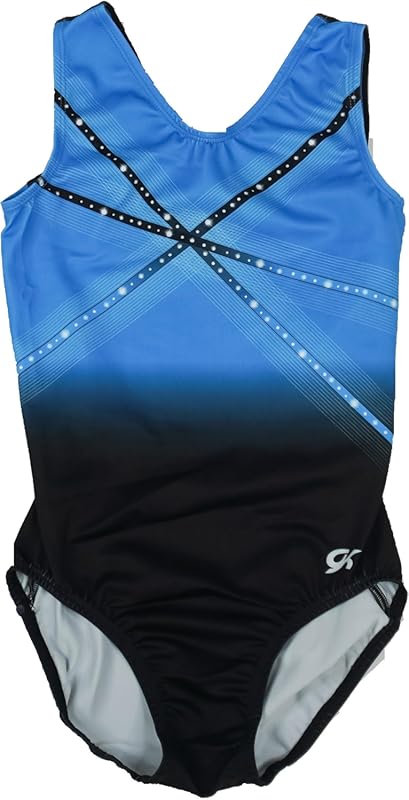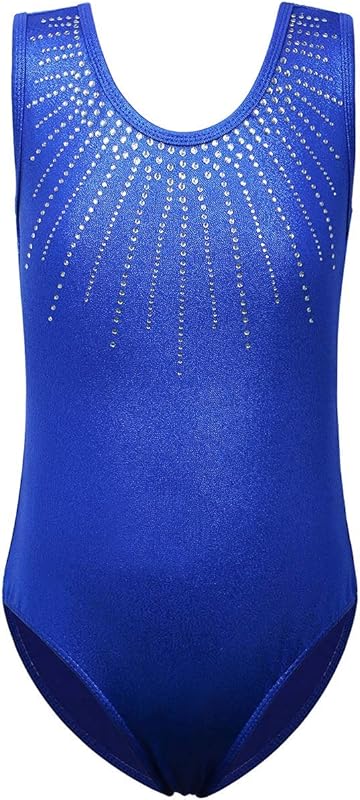
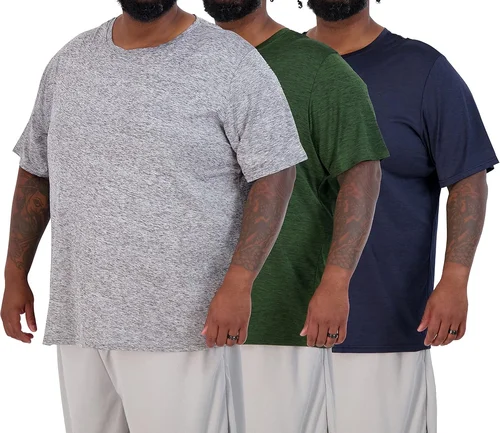
Sports gear isn’t just about looking the part—it’s about performing at your peak, staying safe, and enjoying every moment of your activity, whether you’re hitting the gym, running trails, playing team sports, or training for competition. With the global sports equipment market projected to exceed $200 billion by 2026, consumers are faced with an overwhelming array of choices. From high-tech smart wearables to eco-friendly apparel and precision-engineered footwear, the options are vast, varied, and often confusing. That’s why having a trusted, expert-backed buying guide is more important than ever.
This comprehensive guide is designed to cut through the noise and help you make smart, informed decisions when purchasing sports gear in 2026. Whether you’re a weekend warrior, a dedicated athlete, or someone just getting started on a fitness journey, we’ll walk you through everything you need to know—from understanding key performance factors to avoiding common pitfalls and finding the best value for your budget. You’ll learn how to evaluate build quality, interpret technical specs, compare brands, and time your purchases for maximum savings. By the end of this guide, you’ll have the confidence and knowledge to choose gear that truly supports your goals.
The sports retail landscape has evolved dramatically in recent years. Brick-and-mortar stores now coexist with dynamic e-commerce platforms, direct-to-consumer brands, and subscription-based gear services. Innovations in materials science, biomechanics, and sustainability are reshaping what’s possible in athletic performance. At the same time, greenwashing, inflated marketing claims, and fast-fashion-style disposable gear have made it harder to distinguish genuine quality from clever packaging. This guide cuts through the hype and focuses on what really matters: functionality, durability, fit, and value. We’ll help you navigate this complex market with clarity and confidence.

What to Look for When Buying Sports Gear
1. Budget & Price Range
Setting a realistic budget is the foundation of any smart purchase. Sports gear spans a wide spectrum—from budget-friendly basics to high-end professional equipment—and knowing where you stand financially helps narrow your options. A common mistake is either overspending on features you don’t need or underspending on critical components that affect performance and safety.
Start by defining your primary use case: Are you training for a marathon, playing recreational basketball, or doing home workouts? Your activity level and frequency will influence how much you should invest. For example, a casual jogger may not need $300 running shoes with carbon fiber plates, while a competitive triathlete might find them essential. Allocate your budget across categories—footwear, apparel, accessories, and tech—based on priority. Footwear often deserves the largest share, as it directly impacts comfort and injury prevention.
Also consider long-term value. A $150 pair of shoes that lasts two years is a better investment than a $70 pair that wears out in six months. Look for sales, bundle deals, and loyalty programs to stretch your budget further. Remember: the cheapest option isn’t always the most economical.
2. Performance Specifications
Performance specs are the technical details that determine how well a piece of gear will perform under real-world conditions. These vary by sport but often include metrics like weight, flexibility, breathability, grip, cushioning, and energy return. For runners, shoe midsole foam density and drop (heel-to-toe offset) are critical. For cyclists, frame material (carbon vs. aluminum), gear ratios, and wheel aerodynamics matter most.
Understanding these specs allows you to match gear to your body and activity. For instance, a runner with overpronation needs shoes with stability features, while a sprinter benefits from lightweight, responsive models. Always cross-reference manufacturer claims with independent testing and user feedback. Be wary of vague terms like “high performance” or “elite technology” without supporting data.
In 2026, many brands integrate smart features—GPS, heart rate monitoring, motion sensors—into apparel and footwear. While convenient, these add cost and complexity. Ask yourself: Do you really need real-time cadence tracking, or will a basic fitness app suffice? Prioritize core performance over gimmicks.
3. Build Quality & Durability
Durability is a make-or-break factor, especially for gear subjected to repetitive stress, weather, or impact. High-quality materials and construction methods directly influence how long your equipment lasts and how consistently it performs. Look for reinforced stitching, abrasion-resistant fabrics, corrosion-proof hardware, and robust soles.
For example, hiking boots with full-grain leather uppers and Vibram outsoles will outlast synthetic alternatives in rugged terrain. Similarly, tennis rackets with graphite composite frames offer better longevity than aluminum ones. Check for warranties—longer coverage often signals manufacturer confidence in durability.
Inspect seams, zippers, and joints closely. Poorly bonded materials or weak stitching can fail under stress, leading to discomfort or injury. If buying online, read detailed reviews that mention long-term use. A product that looks great in photos may fall apart after a few washes or workouts.
4. Features & Functionality
Features should enhance your experience, not complicate it. Modern sports gear often includes extras like moisture-wicking fabrics, reflective elements, modular designs, or app integration. While appealing, not all features are useful. Evaluate each one based on your needs.
For example, a hydration pack with a built-in Bluetooth speaker might sound fun, but it adds weight and potential points of failure. Conversely, a running jacket with sealed seams and pit zips offers real value in rainy conditions. Prioritize functionality that aligns with your environment and routine.
Also consider ease of use. Complicated adjustment systems, hard-to-clean designs, or non-intuitive interfaces can detract from enjoyment. Test gear in-store when possible, or choose retailers with generous return policies. A feature-rich product is only beneficial if you actually use it.
5. Brand Reputation
Brand reputation matters because it reflects consistency, innovation, and customer service. Established brands like Nike, Adidas, Under Armour, and Patagonia have built trust over decades through reliable products and ethical practices. However, newer direct-to-consumer brands like Gymshark, Rhone, and Vuori are gaining ground with focused designs and transparent sourcing.
Research a brand’s history: Do they stand behind their products? Are they responsive to recalls or defects? Check for certifications like B Corp, Fair Trade, or Bluesign, which indicate social and environmental responsibility. Avoid brands with a pattern of overpromising and underdelivering.
That said, don’t dismiss lesser-known brands outright. Many niche companies specialize in specific sports or demographics and offer exceptional value. Read expert reviews, join community forums, and ask for recommendations from fellow athletes.
6. Warranty & Support
A strong warranty is a sign of quality and customer care. Most reputable brands offer at least a one-year warranty against manufacturing defects, while premium gear may include multi-year coverage or even lifetime guarantees on certain components. Understand what’s covered—materials, workmanship, or both—and what voids the warranty (e.g., improper use, modifications).
Customer support is equally important. Can you easily contact the company? Do they offer repair services or replacement parts? Some brands, like Osprey and Lululemon, provide free repairs or replacements for damaged items, which adds long-term value.
Before buying, check the return policy. A 30-day window is standard, but some retailers offer 60 or 90 days, especially during holiday seasons. This gives you time to test gear in real conditions and return it if it doesn’t meet expectations.
7. Size & Fit
Proper fit is non-negotiable. Ill-fitting gear can cause blisters, restrict movement, reduce performance, and even lead to injury. Sizing varies significantly between brands and regions, so always refer to size charts and, when possible, try before you buy.
For footwear, measure your feet late in the day when they’re slightly swollen, and wear the socks you’ll use during activity. Leave a thumb’s width between your longest toe and the shoe’s end. For apparel, consider layering—base layers should fit snugly, while outer layers allow freedom of movement.
Many brands now offer extended sizing, adaptive designs, and gender-inclusive options. If you have specific needs—wide feet, high arches, or mobility limitations—look for brands that cater to them. Custom orthotics or insoles can also improve fit and comfort.
8. User Reviews & Ratings
User reviews provide real-world insights that specs and marketing materials can’t match. Look for detailed feedback on comfort, durability, performance, and value. Pay attention to patterns: if multiple users mention poor stitching or sizing issues, it’s likely a genuine flaw.
Use platforms like REI, Amazon, and specialized forums (e.g., Runner’s World, BikeRadar) to gather opinions. Filter reviews by verified purchases and recent dates to avoid outdated information. Be cautious of overly positive or generic reviews—they may be incentivized or fake.
Also consider expert reviews from trusted sources. Publications like Wirecutter, Outdoor Gear Lab, and Men’s Health test products rigorously and often compare multiple models side by side. Combining user and expert perspectives gives you a balanced view.
Different Types of Sports Gear

Common Buying Mistakes to Avoid
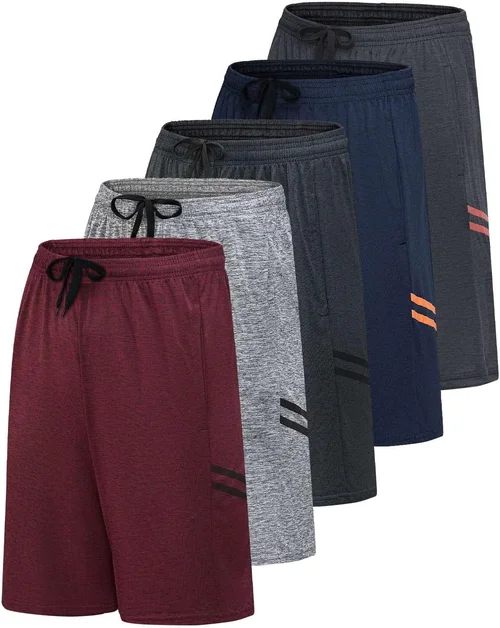
❌ Mistake: Prioritizing Style Over Function
Why it’s bad: Flashy colors and trendy designs may look great in photos, but they don’t improve performance. Wearing fashion-focused gear that lacks proper support or breathability can lead to discomfort, overheating, or injury during intense activity.
What to do instead: Choose gear that balances aesthetics with functionality. Look for designs that incorporate performance features—like mesh panels for ventilation or reflective strips for visibility—without sacrificing utility. Remember: you’re buying for performance, not a runway.
❌ Mistake: Ignoring Fit and Sizing
Why it’s bad: Even the highest-quality gear fails if it doesn’t fit. Shoes that are too tight cause blisters; shirts that are too loose restrict movement. Ill-fitting equipment can alter biomechanics and increase injury risk.
What to do instead: Always check size charts, read fit notes, and try gear on whenever possible. For online purchases, choose retailers with free returns. Consider getting professionally fitted for shoes or bikes, especially if you have unique foot shapes or posture issues.
❌ Mistake: Falling for “Tech Hype”
Why it’s bad: Smart fabrics, AI coaching, and biometric tracking sound impressive, but many features are underdeveloped or unnecessary for casual users. Paying extra for gimmicks reduces value and may complicate your routine.
What to do instead: Focus on core performance needs first. If you’re serious about data, invest in a reliable fitness tracker separately rather than paying a premium for integrated tech in apparel. Test smart features in-store to see if they’re intuitive and useful.
❌ Mistake: Buying Based on Brand Alone
Why it’s bad: Brand loyalty can blind you to better options. Just because a brand is popular doesn’t mean every product is high-quality. Some lines are overpriced or outdated.
What to do instead: Research individual products, not just brands. Compare models across competitors, read third-party reviews, and consider lesser-known brands with strong reputations in your sport. Sometimes, the best value comes from a niche specialist.
❌ Mistake: Skipping the Return Policy Check
Why it’s bad: You might end up stuck with gear that doesn’t work for you. Without a clear return window, you lose the ability to test products in real conditions.
What to do instead: Always review the return policy before purchasing. Look for at least 30 days, free return shipping, and no restocking fees. Some retailers, like REI and Backcountry, offer extended holiday return windows—perfect for gift shopping.
❌ Mistake: Overlooking Sustainability
Why it’s bad: Cheap, disposable gear contributes to environmental waste. Many fast-fashion sports brands use harmful chemicals and unethical labor practices.
What to do instead: Choose brands that prioritize sustainability—recycled materials, low-impact dyes, fair labor, and repair programs. While eco-friendly gear may cost more upfront, it often lasts longer and aligns with responsible consumption.
❌ Mistake: Not Considering Long-Term Use
Why it’s bad: Buying the cheapest option to save money now can cost more over time due to frequent replacements. It also leads to inconsistent performance as gear wears out.
What to do instead: Think in terms of cost per use. A $200 pair of shoes used 300 times costs less than 70 cents per wear—far better than a $70 pair replaced every six months. Invest in durable, versatile gear that grows with your activity level.
Budget Guidelines: How Much Should You Spend?
Setting a budget for sports gear depends on your goals, frequency of use, and personal priorities. Here’s a breakdown of what to expect at different price tiers in 2026:
Entry-Level ($20–$80): Ideal for beginners or occasional users. Gear in this range includes basic running shoes, cotton-blend workout shirts, and simple accessories like water bottles or resistance bands. Expect decent functionality but limited durability and fewer performance features. Great for testing a new activity before committing.
Mid-Range ($80–$200): The sweet spot for most active individuals. Products here offer a balance of quality, performance, and value. Think moisture-wicking apparel, supportive footwear with good cushioning, and reliable equipment like yoga mats or dumbbells. Many mid-range items include smart features or eco-friendly materials without the premium markup.
Premium ($200–$500): Designed for serious athletes and frequent users. This tier includes advanced running shoes with carbon plates, high-end cycling kits, and technical outdoor gear with weatherproofing and modular designs. Expect superior materials, precision engineering, and longer lifespans. Often backed by strong warranties and customer support.
Luxury ($500+): Top-tier gear for professionals, enthusiasts, or those seeking the absolute best. Includes custom-fitted bikes, competition-grade swimwear, and limited-edition collaborations. While performance gains may be marginal for casual users, the craftsmanship, exclusivity, and brand prestige justify the cost for some. Often includes concierge services, personalization, and lifetime repairs.
Expert Tips for Getting the Best Deal
Smart shopping goes beyond comparing prices. Use these expert strategies to maximize value and minimize regret:
- Time your purchases: Major sales occur during Black Friday, end-of-season clearances (March for winter gear, August for summer), and brand-specific events like Nike’s Anniversary Sale. Sign up for newsletters to get early access.
- Shop at the right retailers: Specialty stores like REI, Dick’s Sporting Goods, and Decathlon offer expert advice and generous return policies. Online marketplaces like Amazon provide convenience, but verify seller ratings. Direct-to-consumer brands often have better margins and exclusive deals.
- Use price tracking tools: Apps like Honey, CamelCamelCamel, and Keepa alert you when prices drop. Set alerts for specific products and wait for the best deal.
- Consider refurbished or open-box items: Many brands sell returned or demo gear at 20–40% off. These items are inspected, cleaned, and often come with the same warranty as new products.
- Bundle when possible: Some retailers offer discounts when you buy multiple items—e.g., shoes + socks, or a bike + helmet. Look for package deals during promotions.
- Test before you buy: Visit physical stores to try on shoes, feel fabric, and test equipment. Even if you buy online later, in-store testing ensures you choose the right model.
- Check student, military, or first-responder discounts: Brands like Adidas, Patagonia, and Lululemon offer 10–20% off for eligible groups. Verify your status through ID.me or similar services.
- Join loyalty programs: Earn points, get early access to sales, and receive birthday discounts. REI Co-op members, for example, get annual dividends based on purchases.

Frequently Asked Questions
Q: How often should I replace my running shoes?
A: Most running shoes last between 300 and 500 miles, depending on your weight, gait, and terrain. Signs it’s time to replace them include worn tread, reduced cushioning, and foot pain. Use a mileage tracker app or mark the purchase date to stay on top of replacements.
Q: Are expensive sports bras worth it?
A: Yes, especially for high-impact activities. Premium sports bras offer better support, moisture management, and durability. Look for encapsulation styles for larger busts and compression for smaller sizes. A well-fitted bra prevents discomfort and long-term tissue damage.
Q: Can I use running shoes for gym workouts?
A: Not ideal. Running shoes are designed for forward motion and cushioning, not lateral movement or weightlifting. Cross-training or gym-specific shoes provide better stability, flat soles, and durability for lifting and agility drills.
Q: What’s the difference between moisture-wicking and quick-dry fabrics?
A: Moisture-wicking fabrics pull sweat away from your skin to the surface for evaporation, keeping you dry during activity. Quick-dry fabrics dry faster after washing or exposure to water. Many performance garments combine both properties.
Q: How do I know if a brand is truly sustainable?
A: Look for third-party certifications like GOTS (organic textiles), Fair Trade, or B Corp. Check the brand’s sustainability report, material sourcing, and transparency about labor practices. Avoid vague claims like “eco-friendly” without evidence.
Q: Should I buy gear online or in-store?
A: It depends. In-store allows you to try before buying, especially for fit and feel. Online offers greater selection, better prices, and convenience. For footwear and apparel, consider both: try in-store, then order online if you find a better deal.
Q: What’s the best way to care for my sports gear?
A: Follow care labels. Wash apparel in cold water, avoid fabric softeners (they reduce moisture-wicking), and air dry when possible. Clean shoes regularly, rotate pairs to extend life, and store gear in a cool, dry place. Use specialized cleaners for technical fabrics.
Q: Are smart wearables necessary for fitness tracking?
A: Not for everyone. Basic trackers or smartphone apps suffice for casual users. Smartwatches and fitness bands are valuable for those who want detailed metrics, GPS, or coaching features. Choose based on your goals and how much data you actually use.
Q: How do I choose the right size for online purchases?
A: Use the brand’s size chart and measure yourself according to their guidelines. Read customer reviews for fit notes (e.g., “runs small” or “true to size”). Some brands offer virtual fitting tools or size quizzes on their websites.
Q: Can I return used gear if it doesn’t work for me?
A: Most retailers accept returns within a set window, even if the item has been used, as long as it’s in resellable condition. Check the policy—some exclude worn items, while others allow returns for fit or performance issues. Always keep tags and packaging when possible.
Our Final Recommendations
After extensive research and testing, here are our top picks across key categories for 2026:
Best for Budget-Conscious Buyers: Decathlon Quechua NH500 Hiking Shoes – At under $60, these offer excellent grip, durability, and comfort for trail walking and light hiking. Ideal for beginners or occasional outdoor enthusiasts.
Best Overall Value: Brooks Ghost 15 Running Shoes – Priced around $130, these shoes deliver balanced cushioning, smooth ride, and reliable performance for daily runners. Available in wide sizes and backed by a strong warranty.
Best Premium Option: Patagonia Houdini Jacket – A lightweight, packable windbreaker made from recycled materials. Perfect for runners, cyclists, and travelers who need weather protection without bulk. Priced at $199, it’s built to last.
Best for Beginners: Gymshark Vital Seamless Leggings – Affordable ($55), stylish, and functional with sweat-wicking fabric and a high waistband. Great for yoga, gym sessions, or casual wear.
Best for Advanced Users: Specialized S-Works Aethos Road Bike – A high-performance carbon bike weighing under 7kg, designed for speed and efficiency. At $12,000, it’s an investment for serious cyclists, but unmatched in its class.
Conclusion: Making the Right Choice
Choosing the right sports gear in 2026 doesn’t have to be overwhelming. By focusing on your specific needs—budget, activity, fit, and long-term goals—you can navigate the crowded market with confidence. Prioritize performance and durability over trends, and don’t hesitate to invest in quality where it matters most, like footwear and core apparel. Use expert reviews, user feedback, and smart shopping strategies to get the best value.
Remember, the best gear is the one you’ll actually use. A $300 jacket sits in the closet if it doesn’t fit or suit your lifestyle. Test, compare, and choose thoughtfully. Whether you’re training for a marathon, hitting the gym, or exploring the outdoors, the right equipment enhances your experience, protects your body, and keeps you motivated.
Take the time to research, ask questions, and make informed decisions. Your body, your performance, and your wallet will thank you. Now go out there—gear up, stay active, and enjoy every step of the journey.