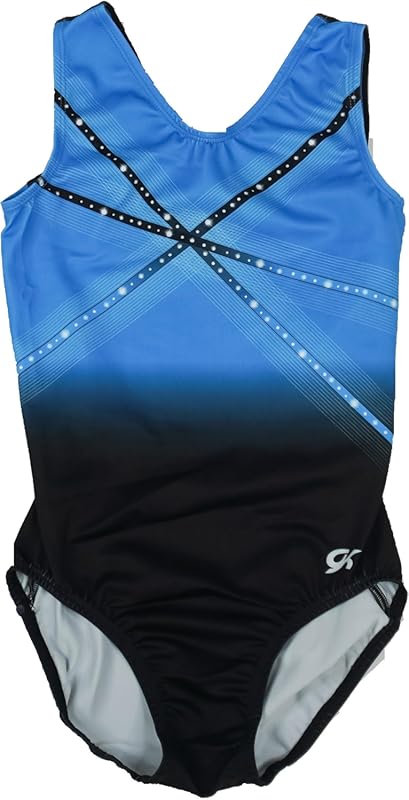
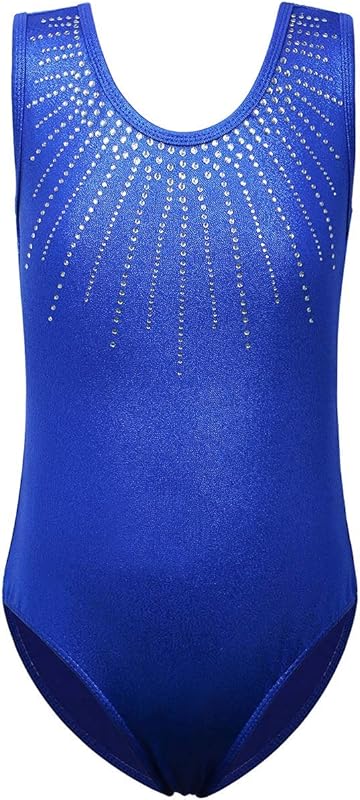
Choosing the right gymnastics leotard is more than just picking a pretty design—it’s about performance, comfort, confidence, and safety. Whether you’re a beginner taking your first tumbling class, a competitive gymnast preparing for nationals, or a coach outfitting an entire team, the leotard you wear can significantly impact your experience in the gym. From fit and flexibility to durability and style, every detail matters when you’re executing a flawless routine or mastering a new skill. That’s why this comprehensive buying guide exists: to help you make an informed, confident decision that aligns with your goals, budget, and personal preferences.
In this guide, we’ll walk you through everything you need to know about The Zone gymnastics leotards—one of the most trusted names in the gymnastics apparel industry. You’ll learn what sets these leotards apart, how to evaluate key factors like fabric quality and construction, and how to avoid common pitfalls that can lead to disappointment. We’ll also break down different styles, price ranges, and use cases so you can find the perfect match whether you’re training at home, competing at a high level, or simply looking for a reliable practice leotard. By the end, you’ll have all the tools you need to choose a leotard that not only looks great but performs exceptionally under pressure.
The gymnastics apparel market is flooded with options—from budget-friendly basics to high-end competition wear—but not all leotards are created equal. The Zone has built a strong reputation over the years for combining innovative design, premium materials, and athlete-focused functionality. However, with so many models, colors, and features available, it’s easy to feel overwhelmed. This guide cuts through the noise, offering expert insights, real-world advice, and practical tips to help you navigate the selection process with clarity and confidence. Whether you’re shopping for yourself or a young gymnast, we’ve got you covered.
What to Look for When Buying Buying Guide
1. Fit and Comfort
Fit is arguably the most critical factor when choosing a gymnastics leotard. A poorly fitting leotard can restrict movement, cause chafing, or even become a distraction during routines. The ideal leotard should feel like a second skin—snug enough to stay in place during flips and twists, but not so tight that it restricts breathing or circulation. Look for leotards with a four-way stretch fabric that moves with your body, especially in the shoulders, back, and hips. The neckline and leg openings should be secure without digging into the skin. For younger gymnasts, consider adjustable straps or stretchy necklines that accommodate growth spurts.
2. Fabric Quality and Breathability
The fabric of a leotard directly affects comfort, durability, and performance. High-quality gymnastics leotards are typically made from a blend of nylon, spandex (Lycra), and sometimes polyester. These materials offer excellent stretch, moisture-wicking properties, and resistance to pilling and fading. The Zone leotards often feature advanced fabrics like CoolMax or Dri-FIT technology, which help regulate body temperature and keep gymnasts dry during intense workouts. Avoid cheap, thin fabrics that lose shape quickly or become see-through with stretching. Look for double-lined areas in high-stress zones like the bust and seat for added coverage and support.
Breathability is equally important, especially during long training sessions or competitions in warm environments. Mesh panels, perforated sections, or strategically placed ventilation zones can enhance airflow without compromising coverage. Always check the care instructions—some performance fabrics require gentle washing and air drying to maintain their integrity.
3. Durability and Construction
Gymnastics is a physically demanding sport, and your leotard needs to withstand repeated stretching, tumbling, and washing. Pay close attention to the stitching and seam construction. Flatlock seams are ideal because they lie flat against the skin, reducing chafing and preventing irritation during floor exercises or bar work. Reinforced stitching at stress points like the shoulders, crotch, and leg openings can significantly extend the life of the leotard. The Zone is known for its attention to detail in this area, often using double-stitched seams and high-tenacity thread to ensure longevity.
Another durability factor is colorfastness. Bright colors and intricate designs may look stunning at first, but they can fade quickly if the dye isn’t high quality. Look for leotards that use sublimation printing or UV-resistant dyes to maintain vibrancy over time. Also, consider how the leotard holds up after multiple washes—some cheaper options may lose elasticity or develop pills after just a few cycles.
4. Style and Design
While performance is paramount, style plays a significant role in a gymnast’s confidence and identity. The Zone offers a wide range of designs—from classic solid colors to bold patterns, metallic accents, and crystal embellishments. For competitions, many gymnasts prefer leotards with rhinestones or sequins that catch the light and enhance visual appeal. However, it’s important to balance aesthetics with practicality. Excessive decorations can snag on equipment or come loose during routines, potentially causing deductions in scoring.
Consider the event or purpose when choosing a design. Practice leotards can be simpler and more durable, while competition leotards often feature more elaborate designs. The Zone excels in offering customizable options, allowing teams to add names, logos, or specific color schemes. For younger gymnasts, fun prints like animals, stars, or gradients can make training more enjoyable. Just ensure the design doesn’t compromise comfort or functionality.
5. Support and Coverage
Support is essential, especially for gymnasts with larger busts or those performing high-impact skills. Look for leotards with built-in shelf bras, molded cups, or compression panels that provide lift and stability without the need for additional undergarments. The back design also matters—racerback, crisscross, or halter styles offer different levels of support and range of motion. For floor exercises and vaulting, a leotard with full back coverage can prevent slipping and ensure modesty.
Coverage extends to the legs as well. Some gymnasts prefer biketard styles (leotards with attached shorts) for added security during dynamic movements, while others stick to traditional one-piece designs. The Zone offers both options, so consider your personal preference and the requirements of your gym or competition. Always test the leotard in motion—do a few jumps, handstands, or splits to ensure nothing rides up or feels restrictive.
6. Brand Reputation and Reviews
The Zone has been a staple in the gymnastics community for decades, known for its commitment to quality, innovation, and athlete support. The brand sponsors elite gymnasts, supplies national teams, and consistently receives positive feedback from coaches and competitors alike. When evaluating any leotard, it’s wise to research the brand’s reputation—look for transparency in manufacturing, ethical labor practices, and responsiveness to customer concerns.
User reviews are invaluable. Read through customer feedback on retailer websites, gymnastics forums, and social media groups. Pay attention to comments about fit, durability, and how the leotard performs under real training conditions. A leotard that looks great in photos might not hold up in practice. The Zone generally scores high in customer satisfaction, but individual experiences can vary based on model and use case.
7. Price and Value
Price is always a consideration, but it’s important to think in terms of value rather than just cost. A $30 leotard might seem like a bargain, but if it falls apart after a month, it’s not a good investment. The Zone leotards typically range from $40 to $120, depending on the style and features. Entry-level models are great for beginners or casual practice, while competition-grade leotards with crystals and premium fabrics command higher prices.
Consider how often you’ll wear the leotard and for what purpose. If you’re training daily, investing in a durable, high-performance model makes sense. For occasional use, a more affordable option may suffice. Look for sales, team discounts, or bundle deals to get the best value. The Zone often runs promotions during the off-season or around major competitions.
8. Care and Maintenance
Proper care can significantly extend the life of your leotard. Most The Zone leotards should be hand-washed or machine-washed on a gentle cycle with cold water and mild detergent. Avoid fabric softeners and bleach, as they can break down elastic fibers and dull colors. Always air dry—never use a dryer, as heat can damage spandex and cause shrinkage.
Store leotards flat or hung to prevent stretching. If your leotard has crystals or embellishments, turn it inside out before washing to protect the decorations. Regular maintenance not only preserves the appearance but also ensures the leotard continues to perform at its best. A well-cared-for leotard can last through an entire season of training and competition.
Different Types of Buying Guide
Common Buying Mistakes to Avoid
❌ Mistake: Prioritizing Looks Over Function
Why it’s bad: A leotard that looks amazing in photos might be uncomfortable, restrictive, or poorly constructed. Flashy designs with too many crystals can snag on equipment or fall off during routines, leading to deductions in competition.
What to do instead: Always prioritize fit, fabric, and durability. Choose designs that enhance performance, not hinder it. Test the leotard in motion before committing to a competition piece.
❌ Mistake: Ignoring the Size Chart
Why it’s bad: Sizing varies widely between brands and even between different The Zone models. Assuming your usual size will fit can lead to a leotard that’s too tight, too loose, or unevenly stretched.
What to do instead: Always consult the official size chart and measure yourself or your child accurately. When in doubt, read recent customer reviews for feedback on fit.
❌ Mistake: Buying the Cheapest Option
Why it’s bad: Budget leotards often use inferior fabrics and construction, leading to poor performance, quick wear, and frequent replacements. This can end up costing more in the long run.
What to do instead: Invest in quality. Look for mid-range leotards that offer the best balance of price and performance. Consider The Zone’s practice line for affordability without sacrificing too much quality.
❌ Mistake: Overlooking Care Instructions
Why it’s bad: Improper washing and drying can ruin a leotard’s elasticity, color, and embellishments. Using a dryer or harsh detergents can shorten its lifespan significantly.
What to do instead: Follow care labels carefully. Hand wash when possible, use mild detergent, and always air dry. Store properly to maintain shape.
❌ Mistake: Not Testing Before Competing
Why it’s bad: Wearing a new leotard for the first time at a competition is risky. It might chafe, restrict movement, or have unexpected fit issues under pressure.
What to do instead: Break in competition leotards during practice sessions. Test them during full routines to ensure comfort and performance.
❌ Mistake: Forgetting About Growth
Why it’s bad: Young gymnasts grow quickly. Buying a leotard that fits perfectly now might mean it’s too small in a few months.
What to do instead: Consider adjustable features or buy slightly larger with the option to alter later. Some The Zone models offer stretchy designs that accommodate growth.
❌ Mistake: Ignoring Return Policies
Why it’s bad: If a leotard doesn’t fit or meet expectations, you could be stuck with it if the retailer has a strict no-return policy.
What to do instead: Always check return and exchange policies before purchasing. Buy from retailers with flexible options, especially when shopping online.
Budget Guidelines: How Much Should You Spend?
- Entry-Level ($35 – $50): Ideal for beginners, casual practice, or young gymnasts who are still growing. These leotards offer basic functionality with decent fabric and construction. The Zone’s practice line fits here—simple designs, solid colors, and reliable durability for everyday use.
- Mid-Range ($50 – $80): The sweet spot for most gymnasts. These leotards feature better fabrics, improved stitching, and more stylish designs. Great for regular training, team wear, or regional competitions. Many include moisture-wicking properties and reinforced seams.
- Premium ($80 – $120): Designed for serious competitors and advanced gymnasts. These leotards use high-performance materials, intricate designs, and often include crystal embellishments. They’re built to withstand intense training and look stunning under competition lights.
- Luxury ($120+): Top-tier competition wear with custom fittings, hand-applied crystals, and exclusive designs. Often used by elite gymnasts or for national-level events. These leotards represent the pinnacle of craftsmanship and performance.
Expert Tips for Getting the Best Deal
- Shop Off-Season: The best time to buy gymnastics leotards is after the competition season (late spring to early summer). Retailers often discount old stock to make room for new designs.
- Sign Up for Newsletters: The Zone and major retailers like GK Elite, Alpha Omega, and Discount Dance often send exclusive promo codes to subscribers.
- Buy in Bulk for Teams: If you’re purchasing for a gym or team, ask about volume discounts. The Zone offers custom team pricing that can save 10–20%.
- Check Return Policies: Always verify the return window and conditions. Some stores allow exchanges but not returns, especially on custom items.
- Read Recent Reviews: Look for reviews from the past 6–12 months to ensure the product hasn’t changed in quality or fit.
- Test Before Committing: If possible, visit a local gymnastics shop to try on different styles. Many carry The Zone and can help with sizing.
- Consider Secondhand Options: Gently used competition leotards can be found on gymnastics forums or resale sites. Just inspect for wear, especially in seams and crystals.
- Use Cashback and Rewards: Some online retailers partner with cashback sites like Rakuten or offer loyalty points that can reduce the final price.
Frequently Asked Questions
Q: How do I know what size to order?
A: Always refer to The Zone’s official size chart, which is based on height, weight, and chest/waist/hip measurements. If you’re between sizes, consider your body type—gymnasts with broader shoulders may size up, while those with narrow frames might size down. Reading customer reviews can also provide insight into how a specific model fits.
Q: Can I wear a The Zone leotard for dance or cheer?
A: While designed for gymnastics, many The Zone leotards are suitable for dance, cheerleading, or acro classes due to their stretch and coverage. However, check with your instructor or team guidelines, as some styles may not meet uniform requirements.
Q: Are The Zone leotards machine washable?
A: Yes, but always use a gentle cycle with cold water and mild detergent. Avoid fabric softeners and bleach. For leotards with crystals, turn inside out and use a mesh laundry bag. Air drying is strongly recommended.
Q: Do The Zone leotards run small or large?
A: Fit varies by model. Some practice leotards run true to size, while competition styles may run slightly small due to their snug fit. Always check the size chart and recent reviews for the specific leotard you’re considering.
Q: Can I customize a The Zone leotard?
A: Yes! The Zone offers custom team leotards with options to add names, logos, and specific color schemes. Minimum order quantities usually apply, so this is best for gyms or clubs.
Q: How long do The Zone leotards last?
A: With proper care, a high-quality The Zone leotard can last one to two full seasons of regular use. Practice leotards may last longer, while competition models with crystals may show wear faster due to frequent handling.
Q: Are The Zone leotards suitable for sensitive skin?
A: Many The Zone leotards feature tagless labels, flatlock seams, and soft fabrics that are gentle on skin. Look for their adaptive or sensory-friendly lines if you have specific sensitivities.
Q: Where is the best place to buy The Zone leotards?
A: Authorized retailers include The Zone’s official website, GK Elite, Alpha Omega, and Discount Dance Supply. Buying from authorized sellers ensures authenticity and access to customer support.
Q: What’s the difference between a leotard and a biketard?
A: A leotard is a one-piece garment that ends at the legs, while a biketard includes attached shorts for added coverage and security during dynamic movements. Biketards are popular for floor exercises and younger gymnasts.
Q: Can I return a custom leotard?
A: Typically, custom leotards cannot be returned or exchanged due to personalization. Always confirm the policy before ordering and double-check measurements and design details.
Our Final Recommendations
- Best for Budget-Conscious Buyers: The Zone Practice Leotard (Solid Colors) – Affordable, durable, and perfect for daily training. Offers great value without sacrificing essential features.
- Best Overall Value: The Zone Performance Leotard (Mid-Range) – Combines quality fabric, stylish design, and reliable construction. Ideal for regular use and occasional competitions.
- Best Premium Option: The Zone Competition Leotard with Crystals – High-performance fabric, stunning aesthetics, and elite-level durability. Perfect for serious competitors.
- Best for Beginners: The Zone Youth Practice Biketard – Comfortable, secure, and easy to wear. Great for young gymnasts learning the basics.
- Best for Advanced Users: The Zone Elite Custom Leotard – Fully customizable, competition-ready, and designed for peak performance. Ideal for national-level gymnasts.
Conclusion: Making the Right Choice
Choosing the right gymnastics leotard is a personal decision that depends on your skill level, training frequency, budget, and aesthetic preferences. The Zone offers a diverse range of high-quality options that cater to every need—from beginner-friendly practice wear to elite competition gear. By focusing on fit, fabric, durability, and function, you can find a leotard that not only looks great but enhances your performance and confidence in the gym.
Remember, the best leotard is one that makes you feel strong, comfortable, and ready to conquer your goals. Don’t rush the decision—take time to research, try on different styles, and consider your long-term needs. Whether you’re flipping on the floor, swinging on the bars, or simply building confidence through movement, the right leotard can be a powerful ally in your gymnastics journey.
We hope this guide has equipped you with the knowledge and confidence to make an informed choice. Now it’s your turn—step into the gym with pride, knowing you’ve chosen a leotard that supports your passion and performance. Happy training!