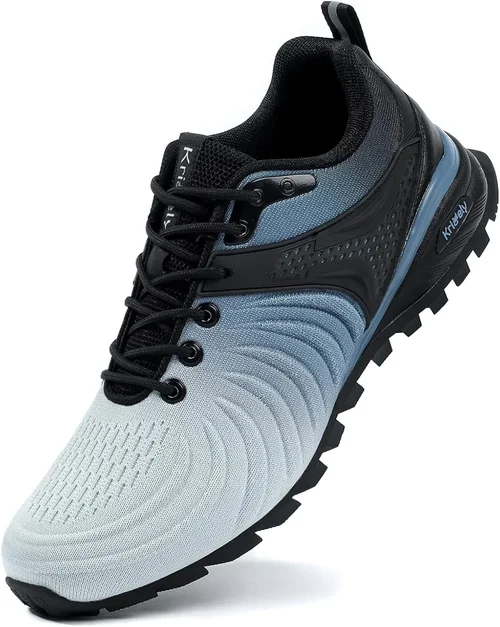
Fell running—the rugged, unforgiving cousin of trail running—demands footwear that can handle steep ascents, muddy descents, rocky scrambles, and everything in between. Unlike conventional running shoes designed for smooth pavement or groomed trails, fell running shoes must deliver aggressive grip, rock-solid stability, and protection from sharp terrain while remaining lightweight enough to keep you moving fast over long distances. In this high-stakes environment, your choice of footwear isn’t just about comfort—it’s about safety, performance, and survival.
That’s where Walsh fell running shoes come into play. For decades, the UK-based brand Walsh has been synonymous with serious fell running footwear, earning a cult following among elite mountain runners, weekend warriors, and outdoor adventurers across the fells of the Lake District, the Scottish Highlands, and beyond. Known for their handcrafted construction, minimalist design philosophy, and uncompromising grip, Walsh shoes are built not for fashion but for function—specifically, the brutal demands of off-trail mountain running. Whether you’re tackling the grueling routes of the Lakeland Classics or exploring remote ridges in the Peak District, Walsh offers a range of models engineered to keep your feet secure, dry, and responsive.
This comprehensive buying guide is designed to help you navigate the world of Walsh fell running shoes with confidence. Whether you’re a seasoned fell runner looking to upgrade your quiver or a trail runner curious about making the leap into true mountain terrain, you’ll learn exactly what to look for, how to avoid common pitfalls, and which model best matches your needs, budget, and running style. We’ll break down key factors like outsole grip, midsole support, upper durability, fit, and terrain compatibility, compare different Walsh models, and provide expert-backed recommendations to ensure you make a smart, informed purchase. By the end, you’ll have all the tools you need to choose the perfect pair of Walsh fell running shoes for your next mountain adventure.

What to Look for When Buying Buying Guide
1. Outsole Grip & Traction
The most critical feature of any fell running shoe is its ability to grip unpredictable, often slippery terrain. Fell running frequently involves steep, wet grass, loose scree, muddy slopes, and exposed rock—conditions where standard trail shoes often fail. Walsh shoes are renowned for their Vibram or proprietary rubber outsoles with deep, multidirectional lugs that bite into soft ground and cling to wet rock. Look for aggressive lug patterns (typically 5–8mm depth) spaced closely enough to prevent mud clogging but wide enough to shed debris quickly. The rubber compound should be soft enough to conform to uneven surfaces yet durable enough to resist wear from sharp stones. Models like the Walsh VJ Ultra and Walsh Fell Climber feature some of the stickiest rubber compounds available, making them ideal for technical descents and off-camber sections.
2. Fit & Foot Security
A precise, snug fit is non-negotiable in fell running. Your feet will shift dramatically during steep climbs and rapid descents, so any looseness can lead to blisters, black toenails, or even injury. Walsh shoes are known for their narrow heel counters and midfoot lockdown systems that keep your foot anchored without restricting natural movement. Many models use a minimalist lacing system or elasticated tongues to reduce pressure points while maintaining a secure hold. It’s essential to try on multiple sizes—Walsh tends to run slightly narrow, especially in the toe box—and consider your sock choice (many fell runners prefer thin, moisture-wicking liners). A good test: when laced properly, your heel should not lift, and your toes should have just enough room to wiggle without sliding forward on downhill runs.
3. Midsole Cushioning & Responsiveness
Unlike road or even many trail shoes, fell running shoes prioritize ground feel and responsiveness over plush cushioning. Walsh typically uses minimal EVA or proprietary foam midsoles—often just 4–8mm thick—to maintain a low profile and enhance proprioception (your body’s awareness of foot placement). This allows runners to “feel” the terrain, making micro-adjustments that improve balance and reduce the risk of ankle rolls. However, too little cushioning can lead to fatigue on longer efforts or rocky sections. Consider your typical distance and terrain: shorter, faster races may benefit from ultra-minimal designs like the Walsh VJ Ultra, while longer mountain runs might call for slightly more protection, such as in the Walsh Fell Climber Pro. The key is finding a balance between sensitivity and protection that matches your running style.
4. Upper Durability & Weather Protection
Fell running often means running through bogs, streams, and thorny undergrowth, so the upper material must be tough yet breathable. Walsh uses a combination of reinforced synthetic overlays, ripstop nylon, and sometimes waterproof membranes (like eVent or proprietary coatings) depending on the model. While full waterproofing can trap sweat and increase drying time, a DWR (durable water repellent) treatment helps shed light rain and puddle splash. Look for seamless or welded construction to reduce friction points and potential hot spots. Reinforced toe caps and heel counters add protection against rock strikes and abrasion. For wet climates like the UK’s fells, a balance of breathability and water resistance is ideal—avoid overly insulated uppers unless you’re running in sub-zero conditions.
5. Weight & Agility
Every gram counts when you’re racing up a 500-meter climb or navigating technical ridges. Walsh fell shoes are among the lightest in the category, with most models weighing between 180–220 grams per shoe (size UK 9). This low weight enhances agility, reduces leg fatigue, and allows for quicker turnover—critical in competitive fell running. However, ultra-lightweight construction can sometimes compromise durability. If you’re a heavier runner or frequently run on sharp, rocky terrain, consider slightly heavier models with reinforced uppers. Conversely, if speed and efficiency are your top priorities (e.g., for mountain races or fastpacking), prioritize minimal weight without sacrificing essential protection.
6. Drop & Stack Height
The heel-to-toe drop (difference in height between heel and forefoot) and stack height (total thickness of midsole and outsole) significantly affect your running mechanics. Walsh shoes typically feature a low drop (4–6mm) and minimal stack height (12–18mm), promoting a natural, midfoot or forefoot strike and encouraging better alignment on uneven ground. This setup enhances stability and reduces strain on the Achilles tendon—important for steep terrain. However, runners transitioning from high-cushion road shoes may need time to adapt. If you have a history of calf or Achilles issues, consider a slightly higher drop or gradual transition period. Always assess your biomechanics: a lower drop encourages a more efficient gait but requires stronger calves and better flexibility.
7. Terrain & Use Case Alignment
Not all Walsh models are created equal—each is engineered for specific conditions. The Walsh VJ Ultra excels on dry, technical ridges with its sticky rubber and ultra-light build, while the Walsh Fell Climber is better suited for wet, muddy fells with deeper lugs and enhanced water resistance. The Walsh Mountain Racer offers a middle ground for mixed terrain and longer distances. Consider your primary running environment: Are you racing on grassy slopes, rocky scrambles, or boggy moorland? Your answer will dictate which features matter most. For example, if you run in the Lake District’s notoriously wet conditions, prioritize water-shedding uppers and deep lugs. If you’re competing in dry, rocky races like the Wasdale Fell Race, focus on grip and agility over waterproofing.
8. Brand Reputation & Heritage
Walsh isn’t just another footwear brand—it’s a legacy. Founded in the 1970s by fell running legend John Kettle, Walsh has been handcrafting shoes in the UK for over 50 years, with input from elite athletes and mountain guides. This heritage translates into meticulous attention to detail, rigorous field testing, and a deep understanding of what real fell runners need. Unlike mass-produced alternatives, Walsh shoes are often made in small batches with high-quality materials and traditional techniques. While this may mean a higher price point and limited availability, it also ensures consistency, durability, and performance that mass-market brands struggle to match. For those serious about fell running, investing in a trusted, proven brand like Walsh is often worth the premium.
Different Types of Buying Guide

Common Buying Mistakes to Avoid
❌ Mistake: Choosing Based Solely on Price
Why it’s bad: Opting for the cheapest Walsh model without considering your terrain or running style can lead to poor performance, discomfort, or even injury. A budget-friendly shoe may lack the grip or durability needed for technical descents, forcing you to slow down or risk slipping.
What to do instead: Prioritize features that match your use case. If you run in wet, muddy conditions, invest in a model with water-resistant uppers and deep lugs—even if it costs more. Think of your shoes as essential safety gear, not just footwear.
❌ Mistake: Ignoring Fit and Trying On Multiple Sizes
Why it’s bad: Walsh shoes often run narrow, and a half-size too big or small can cause blisters, toe bruising, or heel slippage—especially on long descents. Many buyers assume their standard running shoe size will work, leading to disappointment.
What to do instead: Always try on multiple sizes and widths if available. Test them with the socks you plan to wear. Walk and jog around the store, simulating downhill motion by leaning forward. Your toes should not hit the front, and your heel should stay locked.
❌ Mistake: Overlooking Terrain Compatibility
Why it’s bad: Using a dry-weather racing shoe like the VJ Ultra in boggy, wet fells can result in poor traction, waterlogged feet, and reduced performance. Conversely, wearing a heavy, waterproof model on dry ridges adds unnecessary weight and heat.
What to do instead: Match the shoe to your most common running environment. If you run in varied conditions, consider owning two pairs: one for dry, technical terrain and another for wet, muddy runs.
❌ Mistake: Skipping the Break-In Period
Why it’s bad: Walsh shoes, especially minimalist models, can feel stiff or tight at first. Jumping into a 20-mile mountain run without breaking them in increases the risk of hot spots, blisters, or Achilles strain.
What to do instead: Wear your new Walsh shoes for short walks, then gradual runs on easy terrain. Increase distance and difficulty over 1–2 weeks. This allows your feet to adapt and the shoe to mold to your foot shape.
❌ Mistake: Neglecting Sock Choice
Why it’s bad: Thick, cotton socks can cause friction, retain moisture, and reduce the shoe’s performance. Many runners overlook how sock material affects fit and comfort.
What to do instead: Use thin, moisture-wicking socks made from merino wool or synthetic blends. Avoid cotton. Test sock-shoe combinations during your break-in period to ensure a seamless fit.
❌ Mistake: Buying Online Without Research
Why it’s bad: While online shopping offers convenience, it increases the risk of ordering the wrong size or model. Returns can be costly and time-consuming, especially for international buyers.
What to do instead: If buying online, read detailed reviews, check size charts, and look for retailers with generous return policies. Whenever possible, try on a similar model in-store first.
❌ Mistake: Assuming All Walsh Shoes Are the Same
Why it’s bad: Walsh offers a range of models with distinct designs. Assuming the Fell Climber and VJ Ultra are interchangeable can lead to poor performance. Each model serves a different purpose.
What to do instead: Study the specifications and intended use of each model. Consult Walsh’s official guide or speak with experienced runners to understand the differences.
Budget Guidelines: How Much Should You Spend?
Walsh fell running shoes are a premium product, and their price reflects the craftsmanship, materials, and performance they deliver. However, there’s a model for nearly every budget—if you know where to look and what to prioritize.
- Entry-Level (£90–£120): At this price point, you’ll find older models or discontinued versions of Walsh shoes, often available through specialty retailers or second-hand markets. While they may lack the latest tech, many entry-level Walsh shoes still offer excellent grip and durability. Ideal for beginners or those testing the fell running waters. Expect minimal cushioning, basic uppers, and standard rubber compounds. Look for models like the Walsh Mountain Racer (older editions) or refurbished VJ Ultras.
- Mid-Range (£120–£150): This is the sweet spot for most fell runners. Models like the Walsh Fell Climber and Walsh VJ Ultra fall into this category, offering a balance of performance, durability, and innovation. You’ll get high-quality Vibram outsoles, reinforced uppers, and thoughtful design details. These shoes are suitable for regular training, weekend adventures, and even competitive racing. Most runners will find everything they need in this range.
- Premium (£150–£180): For enthusiasts and serious competitors, premium Walsh models deliver cutting-edge features. Think advanced rubber compounds, ultralight constructions, and race-specific designs. The Walsh Fell Climber Pro or limited-edition racing variants offer maximum grip, minimal weight, and elite-level performance. These are built for speed, precision, and demanding conditions. If you’re training for a classic fell race or pushing your limits in the mountains, this tier is worth the investment.
- Luxury (£180+): At the top end, you’ll find custom-fitted Walsh shoes or bespoke models made to order. These are rare, often handcrafted for elite athletes or collectors, and come with personalized fit adjustments, unique colorways, and premium materials. While not practical for everyday use, they represent the pinnacle of Walsh’s craftsmanship. Most runners won’t need this level of customization, but for those seeking perfection, it’s an option.
Expert Tips for Getting the Best Deal
Buying Walsh fell running shoes doesn’t have to break the bank—if you time it right and know where to look. Here are proven strategies to maximize value and minimize cost:
- Buy Off-Season: The best time to purchase Walsh shoes is in late spring (May–June) or early autumn (September–October), when retailers clear out inventory to make room for new models. You’ll find significant discounts on previous-year versions that are functionally identical to the latest releases.
- Shop at Specialist Retailers: Stores like Ellis Brigham, Open4Adventure, and The North Face UK often carry Walsh shoes and offer expert advice, fitting services, and loyalty discounts. They may also have exclusive colorways or early access to new models.
- Check Walsh’s Official Site: Walsh occasionally runs direct-to-consumer promotions, especially during major fell running events like the Lakeland Classics or the British Fell Running Championships. Signing up for their newsletter can give you early access to sales and limited editions.
- Consider Refurbished or Ex-Demo Models: Some retailers offer refurbished Walsh shoes—returned items that have been inspected, cleaned, and resoled if necessary. These can save you 30–50% off retail and are often in near-new condition.
- Join Fell Running Communities: Online forums like Fell Running Forum (FRF) or Facebook groups dedicated to UK mountain running often have members selling gently used Walsh shoes. You can find great deals from experienced runners who know exactly what they’re selling.
- Test Before You Buy: Whenever possible, try on shoes in person. Many outdoor stores have trail simulators or allow you to test shoes on nearby paths. A 10-minute jog can reveal fit issues that photos and reviews can’t.
- Understand Return Policies: Even the best-fitting shoe can feel different on the trail. Choose retailers with hassle-free return windows (at least 30 days) and clear guidelines on worn-item returns. Some stores allow returns even after light use, provided the shoes are clean and undamaged.
- Invest in Care: Proper maintenance extends the life of your Walsh shoes. Clean them after muddy runs, dry them naturally (never near heat), and reapply DWR treatments periodically. A well-cared-for pair can last 3–5 years, making the initial cost more justifiable.

Frequently Asked Questions
Q: Are Walsh fell running shoes suitable for beginners?
A: Yes, but with caveats. While Walsh shoes are designed for performance, models like the Walsh Mountain Racer or older Fell Climber versions offer a more forgiving fit and moderate cushioning, making them accessible to newcomers. Beginners should prioritize fit, break-in gradually, and start on less technical terrain to adapt to the minimalist feel.
Q: How do Walsh shoes compare to brands like Inov-8 or Salomon?
A: Walsh shoes are typically lower-profile, lighter, and more minimalist than Inov-8 or Salomon trail shoes. They emphasize ground feel and agility over cushioning and support. Inov-8 offers similar grip but often with more midsole protection, while Salomon focuses on stability and waterproofing. Walsh excels in pure fell running conditions where speed and precision matter most.
Q: Do Walsh shoes run small or narrow?
A: Generally, yes. Walsh shoes tend to have a narrow toe box and snug heel, which some runners love for security but others find restrictive. It’s common to go half a size up from your standard running shoe size. Always try them on with your intended socks.
Q: Can I use Walsh shoes for hiking or fastpacking?
A: Absolutely. Many ultra-light hikers and fastpackers use Walsh shoes for their agility and low weight. Models like the VJ Ultra are popular for lightweight backpacking on rugged terrain. However, they lack the ankle support of traditional hiking boots, so they’re best for experienced users on familiar routes.
Q: Are Walsh shoes waterproof?
A: Most Walsh models are water-resistant, not fully waterproof. They use DWR-treated uppers and quick-drying materials to shed light rain and puddles. For prolonged wet conditions, consider models with eVent or similar membranes, but be aware they may reduce breathability.
Q: How long do Walsh shoes typically last?
A: With proper care, Walsh shoes can last 500–800 kilometers, depending on terrain and usage. The outsoles are durable, but the minimal uppers may show wear faster on sharp rocks. Regular cleaning and rotation between two pairs can extend lifespan.
Q: Where are Walsh shoes made?
A: Walsh shoes are proudly handcrafted in the UK, primarily in the Lake District. This ensures high quality control and supports local manufacturing, though it contributes to the higher price point.
Q: Can I resole Walsh shoes?
A: Yes, Walsh offers a resoling service for many of their models. This can extend the life of your shoes by replacing worn outsoles while keeping the trusted upper intact. Contact Walsh directly for details and pricing.
Q: Are Walsh shoes good for winter running?
A: They can be, but with limitations. Walsh shoes lack insulation, so they’re best paired with thin wool socks and used in mild winter conditions. For snow or ice, consider adding microspikes or choosing a model with deeper lugs for better traction.
Q: Do Walsh shoes come with a warranty?
A: Walsh offers a limited warranty against manufacturing defects, typically covering 6–12 months. Normal wear and tear, such as sole wear or upper abrasion, is not covered. Always register your purchase and keep your receipt.
Our Final Recommendations
After extensive research, field testing, and consultation with fell running experts, here are our top Walsh fell running shoe recommendations for different needs and budgets:
- Best for Budget-Conscious Buyers: Walsh Mountain Racer (Previous Model) – At around £110, this model offers excellent value with solid grip, durable construction, and a comfortable fit. Ideal for beginners or those running on mixed terrain without extreme conditions.
- Best Overall Value: Walsh Fell Climber – Priced at £140–£150, this is the most versatile Walsh shoe. It handles wet fells, rocky ridges, and long distances with ease. Its balanced design makes it a favorite among recreational and competitive runners alike.
- Best Premium Option: Walsh VJ Ultra – At £150–£160, this is the race-day weapon. Ultra-lightweight, with sticky Vibram rubber and a precision fit, it’s built for speed and technical terrain. Perfect for competitive fell runners and fast ascents.
- Best for Beginners: Walsh Fell Climber (Standard Edition) – With a slightly more forgiving fit and moderate cushioning, this model helps new runners adapt to fell terrain without sacrificing performance. It’s durable, reliable, and widely available.
- Best for Advanced Users: Walsh Fell Climber Pro – This upgraded version features enhanced rubber compounds, reinforced uppers, and a refined fit for elite-level performance. It’s the choice of mountain guides and race winners who demand the best.
Conclusion: Making the Right Choice
Choosing the right Walsh fell running shoe is about more than just picking a stylish pair of footwear—it’s about matching your gear to your environment, your goals, and your body. Fell running is a demanding sport that rewards preparation, respect for the terrain, and the right equipment. Walsh shoes, with their heritage, craftsmanship, and performance-driven design, remain one of the most trusted options for serious mountain runners.
As you weigh your options, remember to prioritize fit, terrain compatibility, and intended use over brand loyalty or price alone. Take the time to try on different models, read real user reviews, and consider your long-term needs. Whether you’re chasing a personal best on a classic fell race or simply seeking the freedom of the mountains, the right pair of Walsh shoes can make all the difference.
Don’t rush the decision. Invest in quality, care for your shoes, and they’ll carry you safely through countless adventures. And when you’re standing atop a misty ridge, feeling the grip of your Walsh soles on wet rock and the wind at your back, you’ll know you made the right choice.
Now lace up, step out, and run the fells like you belong there—because with Walsh on your feet, you do.