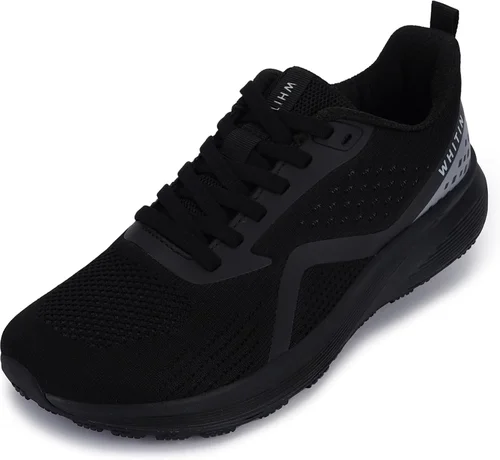
When it comes to outdoor footwear, few brands command the same level of respect and heritage as Walsh. For over a century, Walsh has been crafting fell shoes—rugged, high-performance boots designed specifically for the demanding terrain of the British fells and mountains. Whether you’re navigating rocky ridges, muddy trails, or steep ascents, Walsh fell shoes have long been the go-to choice for serious hillwalkers, runners, and outdoor professionals. But with so many models, materials, and features on the market, choosing the right pair can feel overwhelming—especially if you’re new to the world of fell running or mountain hiking.
That’s exactly why this guide exists. Whether you’re a seasoned fell runner preparing for your next race, a weekend hiker exploring the Lake District, or a first-time buyer looking to invest in durable, high-quality footwear, this comprehensive buying guide will equip you with everything you need to make an informed decision. We’ll break down the key factors to consider, compare different types of Walsh fell shoes, highlight common pitfalls to avoid, and offer expert-backed recommendations tailored to your needs and budget. By the end, you’ll not only understand what makes Walsh fell shoes special—you’ll know exactly which model is right for you.
The market for outdoor footwear has exploded in recent years, with countless brands offering everything from minimalist trail runners to heavy-duty mountaineering boots. Yet, despite the competition, Walsh continues to stand out thanks to its unwavering commitment to craftsmanship, performance, and tradition. Handmade in the UK using premium materials and time-tested construction techniques, Walsh fell shoes are built to last—and to perform—in some of the harshest conditions imaginable. In this guide, we’ll dive deep into what sets Walsh apart, how to evaluate different models, and how to ensure you’re getting the best value for your investment.

What to Look for When Buying Walsh Fell Shoes
1. Intended Use & Terrain
The first and most critical factor in choosing Walsh fell shoes is understanding how and where you’ll be using them. Walsh offers a range of models designed for different activities—from fast-paced fell running to long-distance hiking and even winter mountaineering. If you’re a competitive fell runner, you’ll want a lightweight, responsive shoe with aggressive grip and minimal cushioning to maximize speed and agility. On the other hand, if you’re planning multi-day hikes across uneven terrain, you’ll prioritize support, durability, and comfort over long distances.
Consider the typical conditions you’ll encounter: wet grass, rocky scrambles, muddy paths, or snow-covered slopes. Walsh shoes are renowned for their exceptional traction on soft, slippery ground—thanks to their deep, multidirectional lugs and sticky rubber compounds. However, some models are better suited to specific terrains. For example, the Walsh Pro Lite is ideal for dry, rocky fells, while the Walsh Fell Runner excels in wet, muddy conditions. Always match the shoe’s design to your primary use case to avoid disappointment.
2. Fit & Comfort
Even the most technically advanced shoe is useless if it doesn’t fit properly. Walsh fell shoes are known for their snug, performance-oriented fit, which helps prevent foot movement inside the shoe—a crucial factor when navigating technical terrain. However, this means they often run narrower than standard hiking boots, so it’s essential to try them on or order from a retailer with a generous return policy.
Pay close attention to the toe box, heel cup, and arch support. A well-fitted Walsh shoe should feel secure without pinching or causing hot spots. Many users recommend sizing up half a size to accommodate thick socks or foot swelling during long descents. Additionally, Walsh shoes tend to break in quickly, but the initial fit should still feel comfortable—never painfully tight. If you have wide feet or specific orthotic needs, consider models like the Walsh Classic, which offers a slightly roomier fit.
3. Weight & Flexibility
Weight is a major differentiator among Walsh models and directly impacts performance. Fell runners, in particular, favor lightweight shoes that allow for quick foot turnover and reduced fatigue over long distances. The Walsh Pro Lite, for instance, weighs just 480 grams per pair, making it one of the lightest fell shoes on the market. In contrast, the Walsh Classic weighs closer to 700 grams, offering more durability and protection at the cost of speed.
Flexibility is equally important. A shoe that’s too stiff can hinder natural foot movement and lead to discomfort or injury, especially on technical descents. Walsh shoes strike a balance between flexibility and support, with a midsole that allows for natural flex while maintaining stability. When trying on a pair, flex the shoe with your hands—it should bend easily at the forefoot but remain firm through the heel and midfoot. This ensures responsiveness without sacrificing control.
4. Outsole & Traction
The outsole is arguably the most important component of any fell shoe, and Walsh excels in this area. Most Walsh models feature a Vibram or proprietary rubber compound with deep, multidirectional lugs designed to grip wet rock, grass, and mud. The pattern and depth of the lugs vary by model—some are optimized for speed, while others prioritize maximum grip in extreme conditions.
Look for outsoles with a high coefficient of friction and self-cleaning properties to prevent mud buildup. Walsh’s signature “sticky rubber” formula provides exceptional adhesion on wet surfaces, a feature that sets them apart from many competitors. Additionally, check the lug depth: deeper lugs (5–6mm) are better for soft, muddy terrain, while shallower lugs (3–4mm) offer better ground feel and speed on hard-packed trails. For winter use, consider models with reinforced toe caps and insulated linings for added protection.
5. Upper Material & Water Resistance
Walsh fell shoes are typically constructed from a combination of leather, synthetic mesh, and waterproof membranes. The choice of upper material affects breathability, durability, and weather resistance. Full-grain leather uppers, like those found on the Walsh Classic, offer excellent abrasion resistance and longevity but may take longer to dry if soaked. Synthetic mesh uppers, such as those on the Walsh Pro Lite, are lighter and more breathable but less durable in rugged conditions.
Water resistance is a key consideration, especially in the UK’s notoriously wet climate. Many Walsh models feature Gore-Tex or similar waterproof membranes, which keep feet dry in puddles and light rain. However, fully waterproof shoes can trap moisture from sweat, leading to blisters on long hikes. For mixed conditions, consider a water-resistant (not fully waterproof) model that balances breathability and protection. Always check the seam sealing and gusseted tongue to ensure water doesn’t seep in through the laces.
6. Support & Stability
Fell terrain is unpredictable—loose rocks, steep inclines, and uneven ground demand a shoe that provides reliable support and stability. Walsh shoes are engineered with a low heel-to-toe drop (typically 4–6mm), which encourages a natural foot strike and improves balance. This design is particularly beneficial for fell runners who need agility and quick transitions.
Look for features like a reinforced heel counter, rock plate, and firm midsole to protect against impacts and prevent ankle rolling. The Walsh Fell Runner, for example, includes a lightweight rock plate that shields the foot from sharp stones without adding bulk. Additionally, a secure lacing system—such as a quick-lace or double-lace setup—helps lock the foot in place and reduces slippage during descents. If you have weak ankles or a history of injuries, opt for a model with extra midfoot support.
7. Durability & Longevity
Walsh fell shoes are built to last, but their lifespan depends on usage, care, and model selection. Hand-stitched construction, high-quality leather, and reinforced stress points contribute to their reputation for durability. However, lighter models like the Pro Lite may show wear faster than heavier-duty options like the Classic or Elite.
Consider how often you’ll be using the shoes and the intensity of your activities. A weekend hiker may get 2–3 years of use from a mid-range model, while a competitive runner might need a replacement every 6–12 months. Regular maintenance—such as cleaning after use, conditioning leather, and replacing worn insoles—can significantly extend the life of your shoes. Walsh also offers resoling services for many of their models, which is a cost-effective way to refresh your footwear without buying new.
8. Brand Reputation & Heritage
Walsh isn’t just a brand—it’s a legacy. Founded in 1921 in Kendal, Cumbria, Walsh has been handcrafting fell shoes for over a century, earning the trust of outdoor enthusiasts, military personnel, and professional guides. Their shoes are still made in the UK, using traditional techniques and locally sourced materials whenever possible. This commitment to quality and craftsmanship is reflected in every pair.
When you buy Walsh, you’re not just getting a shoe—you’re investing in a piece of British outdoor history. The brand’s reputation for reliability and performance is backed by decades of real-world testing in the fells of the Lake District and beyond. While newer brands may offer flashy features or lower prices, few can match Walsh’s proven track record. For those who value authenticity and long-term value, Walsh remains the gold standard.
Different Types of Walsh Fell Shoes
Common Buying Mistakes to Avoid
❌ Mistake: Choosing Based on Price Alone
Why it’s bad: Opting for the cheapest Walsh model might save money upfront, but it could lead to discomfort, poor performance, or premature wear—especially if the shoe isn’t suited to your activity. For example, the Pro Lite is affordable but may not provide enough support for long hikes.
What to do instead: Prioritize fit and function over cost. Invest in a model that matches your use case, even if it means spending a bit more. Remember, a well-chosen Walsh shoe can last years with proper care.
❌ Mistake: Ignoring Fit and Sizing
Why it’s bad: Walsh shoes have a unique fit profile—snug through the heel and midfoot, with a narrow toe box. Wearing the wrong size can cause blisters, black toenails, or instability on descents.
What to do instead: Always try on shoes with the socks you plan to wear. If buying online, check the retailer’s sizing guide and return policy. Consider visiting a specialist outdoor store for a professional fitting.
❌ Mistake: Overlooking Terrain-Specific Needs
Why it’s bad: A shoe designed for dry, rocky fells will perform poorly in deep mud or snow. Using the wrong model can compromise safety and enjoyment.
What to do instead: Match the shoe to your most common terrain. If you run in wet conditions, choose a model with aggressive lugs and water resistance. For mixed use, consider a versatile option like the Walsh Classic.
❌ Mistake: Neglecting Break-In Period
Why it’s bad: Even though Walsh shoes break in quickly, wearing them on a long hike or race right out of the box can lead to hot spots and discomfort.
What to do instead: Wear your new shoes for short walks around the house or on easy trails for a few days before tackling challenging terrain. This allows the materials to adapt to your foot shape.
❌ Mistake: Skipping Maintenance
Why it’s bad: Dirt, moisture, and salt can degrade leather and degrade performance over time. Neglecting care shortens the lifespan of your shoes.
What to do instead: Clean your shoes after each use, condition leather uppers regularly, and store them in a cool, dry place. Consider using waterproofing sprays for added protection.
❌ Mistake: Assuming All Walsh Shoes Are the Same
Why it’s bad: While all Walsh shoes share a heritage of quality, each model is engineered for specific purposes. Treating them as interchangeable can lead to poor performance.
What to do instead: Research each model’s features and read user reviews. Understand the differences in weight, flexibility, and support before making a decision.
❌ Mistake: Buying Without Trying
Why it’s bad: Online shopping is convenient, but you can’t assess fit, comfort, or flexibility without trying shoes on. Sizing charts aren’t always accurate.
What to do instead: Whenever possible, visit a physical store to try on multiple models. If buying online, choose retailers with free returns and exchanges.
Budget Guidelines: How Much Should You Spend?
Walsh fell shoes are a premium investment, but their price reflects their quality, craftsmanship, and performance. Here’s a breakdown of what to expect at different price points:
- Entry-Level (£120 – £140): Models like the Walsh Pro Lite fall into this range. They’re ideal for beginners or occasional users who prioritize lightweight performance. Expect minimal cushioning, basic water resistance, and a focus on speed over durability.
- Mid-Range (£140 – £170): This is the sweet spot for most buyers. Shoes like the Walsh Fell Runner and Walsh Classic offer a balance of comfort, support, and durability. They’re suitable for regular hiking, fell running, and mixed terrain. Most users will find excellent value here.
- Premium (£170 – £200): Designed for serious enthusiasts and professionals, these models—such as the Walsh Elite and Walsh Ultra—feature advanced materials, enhanced insulation, and superior protection. They’re built for technical terrain, long distances, and harsh conditions.
- Luxury (£200+): Limited editions or custom-fitted Walsh shoes may exceed £200. These are for collectors, elite athletes, or those seeking bespoke craftsmanship. While not necessary for most users, they represent the pinnacle of the brand’s expertise.

Expert Tips for Getting the Best Deal
- Shop During Off-Season: Prices often drop in late spring and early summer, after the peak hiking season. Look for end-of-line sales or clearance events.
- Sign Up for Newsletters: Walsh and major outdoor retailers often offer exclusive discounts to subscribers. You might save 10–15% on your first purchase.
- Check Specialist Retailers: Stores like Ellis Brigham, Cotswold Outdoor, and Trekitt often carry a wide range of Walsh models and may offer price matching or bundle deals.
- Consider Last Season’s Models: New versions of Walsh shoes are released infrequently, so older models are rarely outdated. They’re often discounted when updated versions launch.
- Look for Package Deals: Some retailers offer discounts when you buy shoes with socks, gaiters, or waterproofing kits. These bundles can save you money and enhance performance.
- Read Return Policies Carefully: Ensure the retailer allows returns or exchanges, especially if you’re buying online. A generous policy gives you peace of mind when trying new models.
- Test Before Committing: If possible, attend outdoor events or demo days where you can try Walsh shoes on varied terrain. Many brands offer trial periods for serious buyers.
- Invest in Quality Socks: Even the best shoe won’t perform well with poor socks. Pair your Walsh fell shoes with moisture-wicking, cushioned hiking socks for maximum comfort.

Frequently Asked Questions
Q: Are Walsh fell shoes waterproof?
A: Some models, like the Walsh Classic and Elite, feature waterproof membranes such as Gore-Tex. However, lighter models like the Pro Lite prioritize breathability over full waterproofing. Always check the product specifications to confirm.
Q: How long do Walsh fell shoes last?
A: With proper care, Walsh shoes can last 2–5 years depending on usage. Competitive runners may need replacements every 6–12 months, while casual hikers can expect longer lifespans. Resoling is available for many models.
Q: Can I use Walsh fell shoes for road running?
A: While possible, Walsh shoes are optimized for off-road terrain. Their aggressive lugs and stiff soles can cause discomfort on pavement. For road running, consider a dedicated road shoe.
Q: Do Walsh shoes run small?
A: Walsh shoes tend to fit snugly, especially in the toe box. Many users recommend sizing up half a size, particularly if you plan to wear thick socks or have wider feet.
Q: Are Walsh shoes suitable for winter hiking?
A: Yes, models like the Walsh Elite are designed for cold, wet conditions with insulated linings and reinforced uppers. For extreme winter use, consider adding gaiters and thermal socks.
Q: Can I resole my Walsh shoes?
A: Yes, Walsh offers a resoling service for many of their models. This is a cost-effective way to extend the life of your shoes and maintain performance.
Q: Where are Walsh fell shoes made?
A: Walsh shoes are still handmade in Kendal, Cumbria, UK. The brand maintains its commitment to British craftsmanship and quality control.
Q: Are Walsh shoes good for beginners?
A: Absolutely. Models like the Walsh Classic offer excellent support and durability, making them ideal for those new to fell walking or hiking. Start with a mid-range model to build confidence.
Q: How do I clean my Walsh fell shoes?
A: Remove dirt with a soft brush, rinse with cold water, and air dry away from direct heat. Use a leather conditioner on leather uppers and avoid machine washing.
Q: Do Walsh shoes come with a warranty?
A: Yes, Walsh offers a 12-month warranty against manufacturing defects. This covers issues like stitching failure or sole separation but not normal wear and tear.
Our Final Recommendations
- Best for Budget-Conscious Buyers: Walsh Pro Lite – At £140–£160, it offers exceptional value for fell runners and fastpackers who need lightweight performance without breaking the bank.
- Best Overall Value: Walsh Fell Runner – Priced at £150–£170, it strikes the perfect balance between grip, comfort, and durability, making it ideal for most outdoor enthusiasts.
- Best Premium Option: Walsh Elite – At £180–£200, it’s the top choice for technical terrain, winter use, and long-distance adventures where protection and insulation are critical.
- Best for Beginners: Walsh Classic – With its roomier fit, excellent support, and durable construction, it’s the ideal entry point for new fell walkers and hikers.
- Best for Advanced Users: Walsh Ultra – Designed for ultra-distance races, it combines lightweight construction with enhanced cushioning for maximum performance over long distances.
Conclusion: Making the Right Choice
Choosing the right Walsh fell shoes is about more than just picking a stylish pair of boots—it’s about finding a reliable partner for your outdoor adventures. Whether you’re scaling the fells of the Lake District, racing through the Dales, or simply exploring local trails, the right footwear can make all the difference in comfort, safety, and enjoyment. Throughout this guide, we’ve explored the key factors that matter most: fit, terrain suitability, weight, traction, durability, and brand heritage. We’ve compared different models, highlighted common mistakes, and offered practical tips to help you get the best value.
Ultimately, the best Walsh fell shoe for you depends on your individual needs, preferences, and budget. Don’t rush the decision. Take the time to research, try on different models, and consider how you’ll use them most often. Remember, a well-chosen pair of Walsh shoes isn’t just an expense—it’s an investment in your outdoor passion. With proper care, they’ll serve you faithfully for years, carrying you across miles of rugged terrain with confidence and comfort.
So lace up, step out, and embrace the fells. Your adventure starts with the right pair of shoes—and now, you know exactly how to find them.