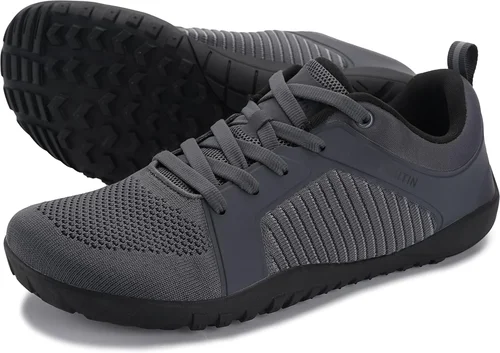
Trail running and hiking have exploded in popularity over the past decade, and with that surge comes an ever-growing demand for footwear that can handle rugged terrain, unpredictable weather, and long miles. Among the brands that have consistently earned respect in this space is Walsh—a name synonymous with durability, performance, and thoughtful design tailored to real-world trail conditions. Whether you’re a weekend warrior exploring local fire roads or an ultra-runner tackling mountainous backcountry, choosing the right pair of Walsh trail shoes can make the difference between a rewarding adventure and a painful ordeal.
This comprehensive buying guide is designed to cut through the noise and help you make an informed decision. We’ll walk you through every critical factor—from fit and traction to cushioning and durability—so you can confidently select a shoe that matches your activity, foot shape, and budget. You’ll learn how to avoid common pitfalls, understand what different price tiers really deliver, and discover expert-backed tips for getting the best value. By the end, you won’t just know which Walsh trail shoes exist—you’ll know exactly which one is right for you.
The trail shoe market is crowded, with dozens of brands offering seemingly similar products. But Walsh stands apart by focusing on purpose-built designs that prioritize function over fashion. Their shoes are engineered for grip on loose rock, stability on uneven ground, and protection from roots, stones, and mud. Unlike many competitors who repurpose road-running models with minor tweaks, Walsh develops its trail shoes from the ground up—literally—with outsoles, midsoles, and uppers all optimized for off-road performance. This guide will help you navigate their lineup and find the perfect match for your next outdoor pursuit.

What to Look for When Buying Buying Guide
1. Fit and Comfort
No matter how advanced the technology or how sleek the design, a trail shoe fails if it doesn’t fit properly. Fit is arguably the most important factor when selecting any footwear, but especially so for trail use where blisters, hot spots, or toe-jamming can ruin a long hike or run. Walsh emphasizes anatomical shaping and generous toe boxes in many of their models, allowing your feet to splay naturally—a key feature for balance and comfort on uneven terrain.
When trying on Walsh trail shoes, always wear the socks you plan to use outdoors. Your feet swell during activity, so a shoe that feels snug at the store might become painfully tight after a few miles. Look for a secure heel lock (no slippage), ample room in the toe box (about a thumb’s width beyond your longest toe), and minimal internal seam irritation. Walsh often uses soft, abrasion-resistant linings to reduce friction, but individual foot shapes vary—so don’t assume one model will work for everyone.
2. Traction and Outsole Design
Traction determines your confidence on slippery rocks, muddy slopes, and loose gravel. Walsh trail shoes typically feature aggressive, multidirectional lugs made from high-rebound rubber compounds. The depth, spacing, and pattern of these lugs are engineered to bite into soft ground while shedding mud efficiently—a critical feature in wet or muddy environments.
Look for outsoles with varying lug depths: deeper lugs (4–5mm) excel in soft terrain like dirt and snow, while shallower, more tightly spaced lugs offer better performance on hard-packed trails and rocky surfaces. Walsh often uses proprietary rubber blends (like their “GripMax” compound) that maintain flexibility in cold weather without sacrificing durability. Additionally, check the heel-to-toe drop and flex points—some Walsh models have a rock plate embedded in the forefoot to protect against sharp stones without compromising ground feel.
3. Cushioning and Midsole Technology
Cushioning affects how much impact your joints absorb over long distances. Walsh offers a range of midsole densities to suit different preferences: some models prioritize responsive, low-profile cushioning for speed and agility, while others provide plush, high-stack midsoles for maximum comfort on multi-hour adventures.
Their midsoles often incorporate EVA foam blends or proprietary compounds like “CloudFoam” or “ReboundX,” which balance energy return with shock absorption. Runners seeking a natural, connected feel may prefer minimal cushioning (8–10mm stack height), while hikers carrying heavy packs or covering long distances might opt for higher cushioning (12–16mm). Importantly, Walsh designs its midsoles to remain stable under load—avoiding the “squishy” instability that can lead to ankle rolls on technical terrain.
4. Weight and Responsiveness
Weight directly impacts fatigue, especially on long runs or steep climbs. Walsh trail shoes generally fall into three categories: lightweight racers (under 9 oz per shoe), versatile all-rounders (9–11 oz), and rugged hikers (11+ oz). Lighter shoes enhance agility and reduce leg strain but may sacrifice durability or protection.
Responsiveness—how quickly the shoe returns energy with each step—is closely tied to weight and midsole composition. Walsh’s lighter models often use firmer foams and minimal overlays to maximize rebound, making them ideal for fast-paced trail runs. Heavier models prioritize cushioning and structural support, better suited for slow-and-steady hiking or backpacking. Consider your pace and terrain: a featherlight shoe might feel great on a 5-mile loop but could leave you sore on a 20-mile ridge traverse.
5. Upper Materials and Breathability
The upper protects your foot from debris, moisture, and abrasion while allowing airflow to prevent overheating. Walsh uses a mix of engineered mesh, synthetic leather, and waterproof membranes (like their “DryShield” technology) depending on the model. Mesh uppers offer superior breathability and quick drying but less protection; waterproof versions keep feet dry in rain or snow but can trap heat and take longer to dry if soaked.
Look for reinforced toe caps and heel counters for durability, and seamless interiors to reduce blister risk. Some Walsh models feature gusseted tongues that prevent dirt and pebbles from entering the shoe—a small but valuable detail on rocky trails. If you frequently encounter wet conditions, consider a waterproof model, but be aware that breathability decreases significantly. For dry, hot climates, non-waterproof mesh is usually the better choice.
6. Stability and Support Features
Trail terrain is inherently unstable, so Walsh incorporates several design elements to enhance lateral support and prevent rolling. Many models include a dual-density midsole (firmer on the medial side to resist overpronation), a wide base for better balance, and a secure lacing system that locks the midfoot in place.
Some higher-end Walsh shoes also feature a TPU shank or nylon plate that runs through the midfoot, providing torsional rigidity without adding excessive weight. This helps maintain foot alignment on sidehill traverses and uneven surfaces. If you have a history of ankle sprains or weak arches, prioritize models with enhanced stability features. However, if you prefer a more natural, barefoot-like experience, look for Walsh’s minimalist line, which offers protection without rigid support structures.
7. Durability and Build Quality
Trail shoes endure far more abuse than road shoes—scraping against rocks, absorbing moisture, and flexing over roots. Walsh builds its shoes to last, using reinforced stitching, abrasion-resistant uppers, and high-wear rubber in high-impact zones (like the toe drag area). Check customer reviews for reports of outsole separation, midsole compression, or upper tearing—common failure points in lower-quality trail shoes.
Walsh typically offers a 6-month to 1-year warranty against manufacturing defects, which is a good indicator of their confidence in build quality. While no trail shoe lasts forever, a well-made Walsh model should comfortably handle 300–500 miles of mixed terrain before showing significant wear. Rotate between two pairs if you trail run or hike frequently—this extends the life of both shoes by allowing midsoles to fully decompress between uses.
8. Brand Reputation and User Feedback
Walsh has built a loyal following among outdoor enthusiasts for its consistent performance and honest marketing. Unlike some brands that overpromise on “revolutionary” tech, Walsh focuses on incremental improvements based on real user feedback. Their shoes are widely used by search-and-rescue teams, park rangers, and endurance athletes—testament to their reliability in demanding conditions.
Before buying, read verified purchaser reviews on retailer sites like REI, Backcountry, or Moosejaw. Pay attention to comments about long-term comfort, traction in specific conditions (e.g., “grippy on wet granite”), and how the shoe performs after 100+ miles. Walsh also maintains an active community forum where users share mods, repair tips, and route recommendations—another sign of a brand that values its customers beyond the sale.
Different Types of Buying Guide

Common Buying Mistakes to Avoid
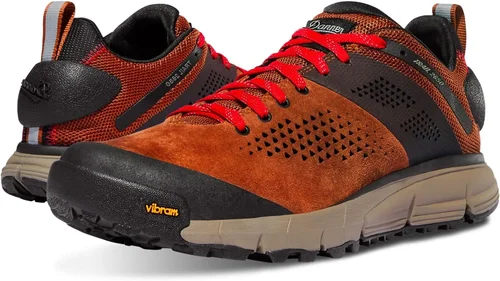
❌ Mistake: Choosing Based Solely on Looks
Why it’s bad: A shoe that looks cool in photos might have poor arch support, inadequate toe room, or slippery soles—leading to discomfort or injury on the trail.
What to do instead: Prioritize function over form. Read detailed reviews, check technical specs, and if possible, try them on before buying. Remember: trail shoes are tools, not fashion statements.
❌ Mistake: Ignoring Your Foot Type
Why it’s bad: Flat feet, high arches, wide forefeet, or narrow heels all require different support structures. Wearing the wrong shoe can cause plantar fasciitis, shin splints, or chronic knee pain.
What to do instead: Get professionally fitted or use online guides to determine your foot shape. Walsh offers multiple width options and arch profiles—choose accordingly.
❌ Mistake: Buying the Same Model as a Friend
Why it’s bad: Just because a shoe works for your hiking buddy doesn’t mean it’ll suit your gait, weight, or terrain preferences. Trail needs are highly individual.
What to do instead: Use others’ experiences as参考 (reference), not prescriptions. Test multiple models and listen to your body during trial walks or runs.
❌ Mistake: Overlooking Break-In Periods
Why it’s bad: Even the best trail shoes need time to mold to your feet. Jumping into a 10-mile hike on day one can cause blisters or strain.
What to do instead: Wear new Walsh shoes around the house, then on short walks, gradually increasing distance over 1–2 weeks before taking them on serious adventures.
❌ Mistake: Skimping on Socks
Why it’s bad: Poor socks can negate even the best shoe’s comfort. Cotton retains moisture, leading to blisters; thin socks offer no cushioning.
What to do instead: Invest in merino wool or synthetic trail-specific socks with targeted padding and moisture-wicking properties. Walsh often recommends compatible sock brands in their care guides.
❌ Mistake: Not Considering Terrain Specificity
Why it’s bad: A shoe optimized for desert trails will fail in muddy forests, and vice versa. Using the wrong tread pattern or upper material leads to slips, wet feet, or rapid wear.
What to do instead: Match the shoe to your most common environments. Check Walsh’s terrain recommendations for each model—they’re clearly labeled on their website.
❌ Mistake: Ignoring Return Policies
Why it’s bad: Even with careful research, sometimes a shoe just doesn’t work. Without a good return window, you’re stuck with an unusable pair.
What to do instead: Buy from retailers with generous return policies (e.g., REI’s 1-year satisfaction guarantee). Avoid final-sale items unless you’re certain of the fit.
Budget Guidelines: How Much Should You Spend?
Entry-Level ($90–$120): These Walsh models offer solid basics—decent traction, moderate cushioning, and durable construction. Ideal for occasional hikers or beginners testing the trail lifestyle. Expect simpler uppers and standard rubber compounds, but still built to Walsh’s quality standards. Great for well-maintained trails and short outings.
Mid-Range ($120–$160): This is the sweet spot for most buyers. You’ll get advanced features like improved rock plates, better breathability, and proprietary foam midsoles. These shoes handle a wide variety of conditions and are suitable for regular trail runners and weekend adventurers. Many include upgraded lacing systems and reinforced toe guards.
Premium ($160–$200): Designed for serious enthusiasts and professionals, these models boast top-tier materials, maximum protection, and cutting-edge tech like adaptive cushioning or ultra-grip outsoles. Perfect for ultra-distance runners, backpackers, or those tackling extreme terrain. Often include extended warranties and detailed fit guides.
Luxury ($200+): Reserved for niche applications—think alpine scrambling, winter trail running, or expedition-grade hiking. These Walsh shoes may feature hybrid designs (e.g., approach shoe meets trail runner), custom insoles, or eco-conscious materials. Only necessary if your activities demand specialized performance.
Expert Tips for Getting the Best Deal
- Shop During Off-Seasons: Buy trail shoes in late winter (February–March) or late summer (August–September) when retailers clear inventory for new models. Walsh often discounts previous-year colors by 20–30%.
- Sign Up for Newsletters: Walsh and major outdoor retailers send exclusive promo codes to subscribers—sometimes offering free shipping or early access to sales.
- Check Outlet Stores and Online Clearance: Walsh’s official outlet carries discontinued styles at reduced prices. These are identical in quality to current models—just older designs.
- Use Price Tracking Tools: Sites like Honey or CamelCamelCamel alert you when prices drop on specific Walsh models.
- Consider Refurbished Options: Some retailers sell returned-but-unused Walsh shoes at a discount after inspection and cleaning. These often come with the same warranty.
- Bundle with Accessories: Look for deals that include free gaiters, insoles, or waterproofing spray—add-ons that enhance performance and save money long-term.
- Test In-Store, Buy Online: Visit a local outfitter to try on sizes and models, then purchase online where prices are often lower and selection broader.
- Read the Fine Print on Warranties: Ensure the warranty covers wear-and-tear (not just defects) and understand the claim process before buying.

Frequently Asked Questions
Q: Are Walsh trail shoes true to size?
A: Generally, yes—but it varies by model. Most Walsh trail shoes run slightly roomier in the toe box than road shoes. Check the specific product page for fit notes (e.g., “runs half-size large”). When in doubt, order both your usual size and a half-size up/down to test at home.
Q: Can I use Walsh trail shoes for road running?
A: While possible, it’s not ideal. The aggressive lugs create uneven wear on pavement and can feel clunky. Save them for trails and invest in a dedicated road shoe if you run frequently on asphalt.
Q: How often should I replace my Walsh trail shoes?
A: Most last 300–500 miles, depending on terrain and weight. Signs it’s time to replace: flattened lugs, compressed midsoles (less bounce), or upper damage. Keep a log of your mileage to track wear.
Q: Do Walsh shoes run wide or narrow?
A: Walsh offers multiple widths (standard, wide, extra-wide) across their lineup. Their standard fit is slightly narrower than brands like Altra but wider than Salomon. Check the size chart for each model.
Q: Are Walsh trail shoes vegan?
A: Many are, but not all. Look for the “Vegan-Friendly” badge on product pages. Walsh clearly labels materials, so you can verify before purchasing.
Q: Can I machine wash my Walsh trail shoes?
A: No—machine washing can damage adhesives and degrade foam. Instead, hand-wash with mild soap, air dry away from direct heat, and use a soft brush for stubborn dirt.
Q: Do Walsh shoes work for flat feet?
A: Yes, several models feature built-in arch support or accommodate aftermarket orthotics. The Walsh Stability Series is particularly recommended for overpronators.
Q: Are Walsh shoes good for snow and ice?
A: Their waterproof models with deep lugs perform well in snow, but for icy conditions, consider adding microspikes. Walsh doesn’t make dedicated winter boots, but their cold-weather trail shoes are a solid compromise.
Q: Where are Walsh shoes made?
A: Walsh manufactures in Vietnam and Portugal, with strict quality control. All design and testing occurs in the U.S., ensuring performance meets American trail standards.
Q: Can I resole Walsh trail shoes?
A: Officially, no—but some independent cobblers specialize in trail shoe resoling. Contact Walsh customer service for recommendations in your area.
Our Final Recommendations
Best for Budget-Conscious Buyers: Walsh TrailLite 2 ($109) – Excellent entry point with reliable traction, comfortable fit, and Walsh’s signature durability. Perfect for casual hikers and new trail runners.
Best Overall Value: Walsh All-Terrain Pro ($149) – Balances cushioning, weight, and protection flawlessly. Handles everything from rocky ridges to muddy valleys. Our top pick for versatility.
Best Premium Option: Walsh Summit X ($189) – Built for endurance athletes and serious backpackers. Features a full-length rock plate, adaptive midsole, and DryShield waterproofing. Unmatched on technical terrain.
Best for Beginners: Walsh Pathfinder ($119) – Simple, comfortable, and forgiving. Great for learning proper trail etiquette and building confidence on moderate routes.
Best for Advanced Users: Walsh Velocity Racer ($159) – Lightweight, responsive, and built for speed. Favored by competitive trail runners for its precision and energy return on fast descents.
Conclusion: Making the Right Choice
Choosing the right Walsh trail shoe isn’t about finding the “best” model—it’s about finding the right one for your feet, your terrain, and your goals. We’ve covered everything from fit and traction to budget and brand reputation, equipping you with the knowledge to make a confident decision. Remember: the most expensive shoe isn’t always the best, and the trendiest design won’t save you from a poorly fitting pair.
Prioritize comfort, match the shoe to your activity, and don’t rush the process. Take advantage of return policies, break in your shoes gradually, and invest in quality socks. With the right Walsh trail shoes on your feet, you’ll move farther, faster, and more comfortably—whether you’re chasing summit views or simply enjoying the rhythm of the trail.
Now it’s your turn. Lace up, step outside, and let your adventure begin.