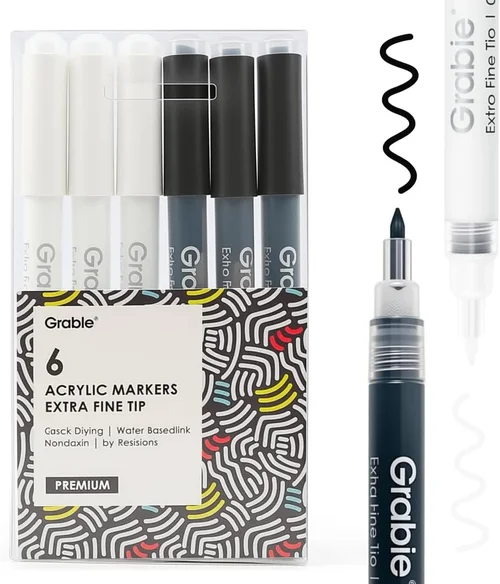
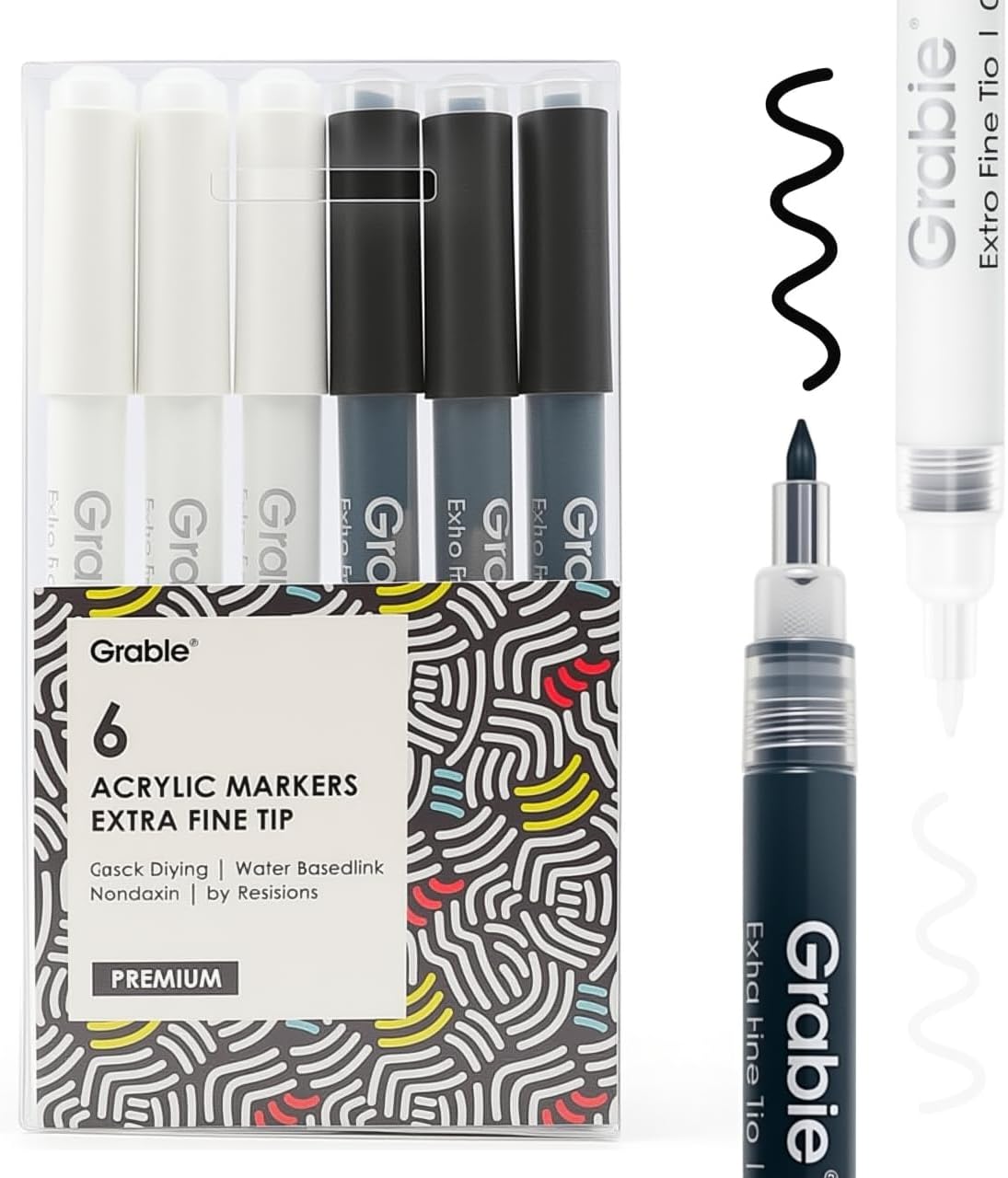
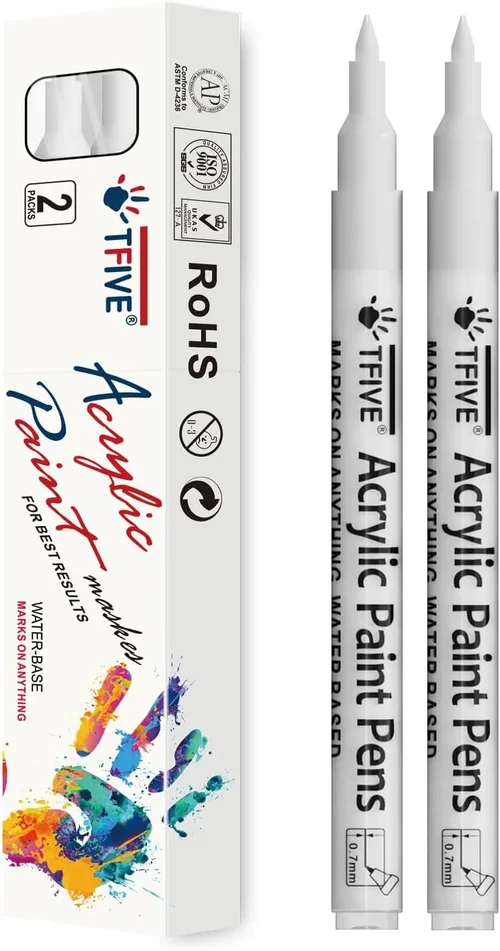
White line markers are essential tools for anyone involved in sports field maintenance, construction, landscaping, or facility management. Whether you’re marking out a soccer field, creating parking lot boundaries, or setting up temporary zones for an event, the right white line marker can make all the difference in achieving crisp, professional-looking lines that last. With a wide range of options available—from handheld sprayers to walk-behind machines and even robotic systems—it’s easy to feel overwhelmed when trying to choose the best model for your needs.
This comprehensive buyer’s guide is designed to cut through the noise and help you make an informed decision. We’ll walk you through every critical factor to consider, from performance specifications and durability to budget constraints and brand reputation. You’ll learn how different types of white line markers compare, what common pitfalls to avoid, and how to get the best value for your investment. Whether you’re a school groundskeeper, a contractor, or a weekend DIYer, this guide will equip you with the knowledge to select a white line marker that delivers consistent results, stands up to regular use, and fits your operational requirements.
The market for white line markers has evolved significantly over the past decade. Advances in paint technology, ergonomic design, and automation have led to more efficient, user-friendly, and environmentally conscious products. Today’s models offer features like adjustable line widths, precise flow control, UV-resistant paints, and even GPS-guided systems for large-scale applications. At the same time, prices vary widely—from under $50 for basic handheld units to several thousand dollars for industrial-grade equipment. Understanding these differences is key to avoiding overspending on unnecessary features or underestimating the demands of your project. By the end of this guide, you’ll have a clear roadmap to navigate the options and choose a white line marker that truly meets your needs.
What to Look for When Buying Buying Guide
1. Budget & Price Range
Your budget is often the first and most important consideration when purchasing a white line marker. Prices can range from as low as $40 for a simple handheld spray bottle to over $5,000 for high-end robotic or ride-on systems. Determining how much you’re willing to spend upfront will help narrow your options and prevent buyer’s remorse down the line.
However, it’s crucial to think beyond the initial purchase price. A cheaper model may seem appealing, but if it requires frequent refills, clogs often, or wears out after a few uses, it could end up costing more in the long run due to wasted paint, labor, and replacement parts. Conversely, investing in a mid-range or premium model with durable construction and reliable performance can save time, reduce maintenance, and deliver better results over time.
Consider your usage frequency and project scale. If you’re marking a small backyard court once a year, a budget-friendly handheld unit may suffice. But if you’re maintaining multiple athletic fields weekly, a walk-behind or push-style marker with a large paint capacity and consistent output will be far more efficient. Always factor in the cost of consumables like paint and nozzles, as these can add up quickly with heavy use.
2. Performance Specifications
Performance specs determine how effectively and efficiently a white line marker gets the job done. Key metrics to evaluate include paint flow rate, line width adjustability, spray pattern consistency, and coverage area per tank.
The flow rate—measured in ounces per minute (oz/min) or milliliters per second—affects how quickly you can mark a surface. Higher flow rates are ideal for large areas like football fields, while lower rates offer better control for detailed work. Adjustable flow valves allow you to fine-tune output based on surface type and weather conditions.
Line width is another critical spec. Most markers offer widths between 1 and 6 inches, with some high-end models going up to 8 inches. For standard sports fields, 2–4 inches is typical, but parking lots or warehouse floors may require wider lines. Ensure the marker allows for easy width adjustments without requiring tools or complex disassembly.
Consistency in spray pattern is vital for professional results. Look for models with anti-drip valves, pressure-regulated systems, and clog-resistant nozzles. Uneven lines not only look unprofessional but can also confuse players or drivers, especially in competitive or safety-critical environments.
Finally, consider coverage capacity. A larger paint tank (e.g., 1–5 gallons) reduces refill frequency, which is especially important for large jobs. Some models include dual tanks or quick-swap systems for continuous operation.
3. Build Quality & Durability
A white line marker is an investment, and its build quality directly impacts how long it will last and how well it performs under stress. Construction materials matter—look for frames made from powder-coated steel, aluminum, or reinforced polymers that resist rust, corrosion, and impact damage.
Pay close attention to the wheels and axles. For walk-behind or push models, sturdy pneumatic or solid rubber wheels with sealed bearings ensure smooth movement over uneven terrain. Cheap plastic wheels may crack or wear down quickly, especially on rough surfaces like gravel or asphalt.
The paint delivery system should also be robust. Metal nozzles and hoses are more durable than plastic ones and less prone to cracking under pressure. Check for reinforced seals and gaskets that prevent leaks. Internal components like pumps and valves should be made from corrosion-resistant materials like stainless steel or brass, particularly if you’re using water-based or solvent-heavy paints.
Real-world durability also depends on design simplicity. Models with fewer moving parts tend to be more reliable and easier to maintain. Avoid overly complex mechanisms that could fail in the field. Reading user reviews can provide insight into long-term reliability—look for mentions of breakdowns, part failures, or wear after months of use.
4. Features & Functionality
Modern white line markers come with a variety of features that enhance usability, precision, and efficiency. While not all are essential, the right combination can significantly improve your workflow.
Adjustable line width is one of the most useful features. It allows you to switch between different applications—say, marking a tennis court one day and a bike lane the next—without needing multiple tools. Some models use interchangeable nozzles, while others have sliding guides or adjustable spray arms.
Ergonomic design is another key consideration. Handles should be padded and adjustable in height to reduce strain during long marking sessions. Weight distribution matters too—a well-balanced marker is easier to push or maneuver, especially over long distances.
Look for features like built-in paint agitators, which keep the pigment evenly mixed and prevent settling. This is especially important for thicker paints or when working in hot weather. Some models include sight lines or alignment guides to help you maintain straight, consistent lines without guesswork.
Advanced models may offer digital controls, flow rate indicators, or even Bluetooth connectivity for remote monitoring. While these are typically found in professional-grade equipment, they can be valuable for large-scale operations where precision and record-keeping are important.
Other helpful features include quick-release tanks, easy-clean systems, and foldable frames for compact storage. If you’re working in tight spaces or need to transport the marker frequently, portability features like collapsible handles or lightweight designs become essential.
5. Brand Reputation
Brand reputation is a strong indicator of product quality, customer support, and long-term reliability. Established brands like Rust-Oleum, Field Marker, Graco, and Chapin have built their names on consistent performance and innovation in the marking and coating industry.
Researching a brand’s history can reveal patterns in product development, customer service responsiveness, and warranty fulfillment. Brands with a long track record in industrial or commercial equipment are more likely to stand behind their products and offer replacement parts years after purchase.
Customer support is a critical but often overlooked aspect. A reputable brand will provide clear documentation, accessible technical support, and readily available spare parts. This is especially important if your marker breaks down mid-season or requires maintenance.
Online reviews and testimonials can also shed light on brand reliability. Look for patterns in feedback—consistent praise for durability or complaints about poor customer service can help you make an informed choice. Independent review sites, forums, and industry publications often provide unbiased insights that go beyond marketing claims.
6. Warranty & Support
A strong warranty is a sign that the manufacturer stands behind its product. Most white line markers come with warranties ranging from 6 months to 3 years, covering defects in materials and workmanship. Longer warranties typically indicate higher confidence in build quality.
Read the fine print carefully. Some warranties only cover specific components—like the frame or pump—while excluding wear items such as nozzles, hoses, or paint tanks. Others may require registration within a certain timeframe or proof of purchase.
Customer support responsiveness is just as important as the warranty length. Can you easily reach a technician by phone or email? Are replacement parts shipped quickly? Are there local service centers or authorized repair shops?
Some brands offer extended warranty options for an additional fee, which may be worth considering for high-use or mission-critical applications. Also, check if the warranty is transferable—this can add value if you plan to resell the unit later.
7. Size & Portability
The physical size and weight of a white line marker affect how easy it is to transport, store, and operate. Handheld models are the most portable, often weighing under 5 pounds and fitting in a backpack or toolbox. These are ideal for small jobs or quick touch-ups.
Walk-behind and push-style markers are larger and heavier, typically ranging from 20 to 60 pounds. While less portable, they offer greater capacity and efficiency for medium to large areas. Look for models with foldable handles or detachable tanks to save space when not in use.
For very large jobs—such as marking multiple fields or long roadways—ride-on or towed systems may be necessary. These are the least portable but offer unmatched speed and coverage.
Consider your storage space. If you’re working out of a small garage or shed, a compact design is essential. Also, think about how you’ll transport the marker. Will you need to lift it into a truck bed? Is there a ramp or lift gate available? Some models include transport wheels or handles specifically for this purpose.
8. User Reviews & Ratings
User reviews provide real-world insights that specs and marketing materials can’t match. They reveal how a product performs under actual conditions, including durability, ease of use, and common issues.
Look for reviews from users with similar needs. A landscaper’s experience with a marker on grass may differ significantly from a contractor using it on concrete. Pay attention to recurring themes—multiple reports of clogging, for example, suggest a design flaw.
Ratings on platforms like Amazon, Home Depot, or specialized equipment sites can give you a quick sense of overall satisfaction. Aim for products with at least 4 stars and a substantial number of reviews (100+ is ideal). Be cautious of products with only a handful of glowing reviews, as these may be incentivized or fake.
Also, check for video reviews or unboxing content on YouTube. Seeing the marker in action can help you assess build quality, setup time, and usability.
Different Types of Buying Guide

Common Buying Mistakes to Avoid

❌ Mistake: Choosing Based Solely on Price
Why it’s bad: Opting for the cheapest option often leads to poor performance, frequent breakdowns, and higher long-term costs. Low-end markers may use inferior materials, lack precision, or require constant maintenance.
What to do instead: Balance cost with features and durability. Invest in a mid-range model that offers reliability and efficiency. Think of it as a long-term tool, not a disposable purchase.
❌ Mistake: Ignoring Paint Compatibility
Why it’s bad: Not all markers work with all paint types. Using incompatible paint can clog nozzles, damage pumps, or produce uneven lines. Some systems only work with specific brands, limiting your options.
What to do instead: Check the manufacturer’s recommended paint types. Choose a marker that supports widely available, cost-effective paints like acrylic or latex-based line marking paint.
❌ Mistake: Overlooking Maintenance Requirements
Why it’s bad: Many buyers assume white line markers are “set and forget” tools. In reality, they require regular cleaning, nozzle checks, and part replacements to function properly.
What to do instead: Read the maintenance guide before buying. Choose models with easy-access components and clear cleaning instructions. Allocate time for post-use cleaning to extend the tool’s life.
❌ Mistake: Buying for the Wrong Scale
Why it’s bad: A handheld sprayer may be insufficient for a full soccer field, leading to fatigue and inconsistent lines. Conversely, a large walk-behind unit is overkill for a small driveway.
What to do instead: Match the marker to your typical job size. Estimate the square footage you’ll be marking and choose a model with appropriate capacity and output.
❌ Mistake: Neglecting Ergonomics
Why it’s bad: Poorly designed handles, heavy weight, or awkward controls can cause strain or injury during extended use.
What to do instead: Test the marker if possible. Look for padded grips, adjustable handles, and balanced weight distribution. Consider how it feels after 30 minutes of use.
❌ Mistake: Skipping the Warranty Check
Why it’s bad: A broken marker mid-season can delay important projects. Without a solid warranty, repairs or replacements may come out of pocket.
What to do instead: Always verify warranty terms. Choose brands with strong support and accessible service centers.
❌ Mistake: Not Reading User Reviews
Why it’s bad: Marketing materials highlight only the positives. Real user experiences reveal flaws, quirks, and long-term performance.
What to do instead: Spend time reading reviews from verified buyers. Look for patterns in feedback and prioritize products with consistent praise.
Budget Guidelines: How Much Should You Spend?
Entry-Level ($20 – $100): These are typically handheld spray bottles or basic pump sprayers. They’re suitable for small jobs like marking a backyard court, driveway, or garden path. Expect limited capacity (1–2 quarts), minimal adjustability, and plastic construction. While affordable, they may require frequent refills and offer less precision. Best for occasional use or DIY projects.
Mid-Range ($100 – $400): This is the sweet spot for most buyers. These models include handheld pump sprayers with larger tanks (1–3 gallons) and push-style markers with wheels and adjustable nozzles. They offer better durability, more consistent flow, and improved ergonomics. Ideal for schools, small sports fields, or community centers. You’ll get reliable performance without overspending.
Premium ($400 – $1,500): Designed for frequent or professional use, these markers feature metal frames, precision nozzles, large tanks (3–5 gallons), and advanced controls. Walk-behind models in this range often include flow regulators, anti-drip systems, and foldable designs. They’re built to last and deliver professional-quality lines with minimal effort. Great for athletic departments, contractors, or municipalities.
Luxury ($1,500+): These include motorized walk-behind units, ride-on systems, and robotic markers. They offer GPS guidance, automated patterns, high-speed application, and minimal operator input. While expensive, they’re cost-effective for large-scale operations where time and accuracy are critical. Best for professional sports venues, universities, or large commercial properties.
Expert Tips for Getting the Best Deal
1. Buy During Off-Season: Prices on white line markers often drop in late fall and winter when demand is low. Retailers may offer discounts to clear inventory before the spring marking season.
2. Compare Retailers: Check prices across multiple platforms—Home Depot, Lowe’s, Amazon, and specialty equipment suppliers. Online retailers sometimes offer exclusive deals or free shipping.
3. Look for Bundles: Some sellers offer paint-and-marker bundles at a discount. While convenient, ensure the included paint is compatible and high-quality.
4. Consider Refurbished Models: Certified refurbished units from reputable brands can save 20–40% off retail price and often come with the same warranty as new models.
5. Read Return Policies: Ensure the seller offers a reasonable return window (at least 30 days) in case the marker doesn’t meet your needs.
6. Test Before Committing: If possible, rent or borrow a model to test it on your intended surface. This helps verify performance and usability.
7. Join Industry Groups: Schools, parks departments, and contractors often share equipment or get group discounts. Networking can lead to cost-saving opportunities.
8. Monitor for Sales Events: Black Friday, Memorial Day, and end-of-season sales are prime times to find deals on outdoor equipment.

Frequently Asked Questions
Q: Can I use regular spray paint with a white line marker?
A: No, regular spray paint is not recommended. It’s too thick, clogs easily, and may damage the marker’s internal components. Always use paint specifically formulated for line marking, such as water-based acrylic or latex paint.
Q: How long does line marking paint last?
A: Depending on weather, foot traffic, and surface type, most quality line marking paints last 3–6 months. UV-resistant formulas can extend this to 8–12 months. Regular maintenance and reapplication ensure visibility.
Q: Do I need to clean the marker after each use?
A: Yes. Residual paint can dry and clog nozzles, pumps, and hoses. Flush the system with water or a cleaning solution after every use. Follow the manufacturer’s cleaning instructions.
Q: Can I adjust the line width on all markers?
A: Not all models offer adjustable width. Handheld bottles typically have fixed nozzles, while push-style and walk-behind units often include adjustable guides or interchangeable tips. Check specs before buying.
Q: Is it safe to use line markers on grass?
A: Yes, most line marking paints are safe for grass when used as directed. Water-based formulas are biodegradable and non-toxic. Avoid over-application, which can smother grass.
Q: How do I ensure straight lines?
A: Use alignment guides, string lines, or chalk outlines as a reference. Some markers include built-in sight lines. For long lines, have a partner assist or use a guide wheel.
Q: Can I use a white line marker on concrete or asphalt?
A: Absolutely. In fact, these surfaces are ideal for line marking due to their durability and visibility. Ensure the surface is clean and dry before application.
Q: What’s the difference between pump and gravity-fed sprayers?
A: Pump sprayers use manual pressure to force paint through the nozzle, offering better control and consistency. Gravity-fed models rely on tank position and may produce uneven flow, especially as paint levels drop.
Q: Are robotic line markers worth the cost?
A: For large, repetitive jobs—like marking multiple fields with identical layouts—robotic systems save significant time and ensure precision. For smaller operations, the ROI may not justify the expense.
Q: Can I store paint in the marker between uses?
A: It’s not recommended. Storing paint in the tank can lead to clogs and corrosion. Empty and clean the tank after each use. Store paint separately in a cool, dry place.
Our Final Recommendations
Best for Budget-Conscious Buyers: Chapin 2-Gallon Hand Pump Sprayer – Reliable, easy to use, and compatible with most line marking paints. Ideal for small to medium jobs under $100.
Best Overall Value: Rust-Oleum Field Marker Walk-Behind Line Striper – Durable steel frame, adjustable line width (2–4 inches), and large 3-gallon tank. Priced around $300, it’s perfect for schools and community fields.
Best Premium Option: Graco LineLazer V 3900 – Professional-grade walk-behind marker with precision controls, high flow rate, and excellent build quality. Ideal for contractors and large facilities.
Best for Beginners: Field Marker Pro Handheld Pump Sprayer – Simple operation, clear instructions, and affordable price. Great for first-time users or occasional projects.
Best for Advanced Users: TurfTeq RoboMarker 5000 – GPS-guided robotic system with automated patterns and remote control. Designed for professional sports venues and large campuses.
Conclusion: Making the Right Choice
Choosing the right white line marker doesn’t have to be overwhelming. By focusing on your specific needs—budget, project scale, frequency of use, and desired features—you can narrow down the options and find a tool that delivers consistent, professional results. Remember to prioritize durability, ease of maintenance, and compatibility with standard paints to ensure long-term value.
Don’t let price alone dictate your decision. A slightly higher upfront cost can lead to significant savings in time, paint, and frustration down the road. Take advantage of user reviews, expert tips, and seasonal sales to get the best deal possible. And always test the marker if you can—your back, your fields, and your peace of mind will thank you.
Whether you’re marking a single tennis court or managing a multi-field complex, the right white line marker is an investment in quality, efficiency, and professionalism. Use this guide as your roadmap, and you’ll be well on your way to crisp, clean lines that stand the test of time.