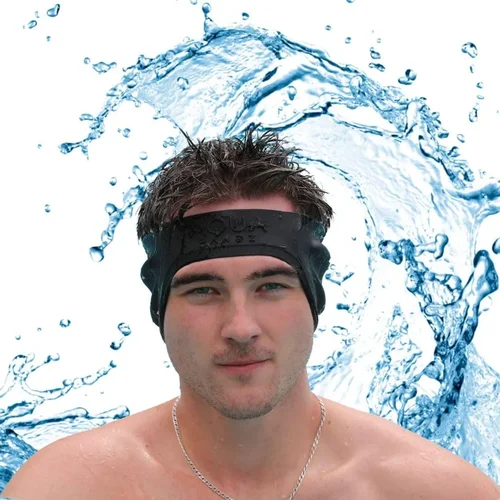
When it comes to swimming gear, most people immediately think of goggles, swimsuits, or kickboards. But for serious swimmers—especially those who train regularly or compete—ear protection is just as critical. Water in the ears doesn’t just cause discomfort; it can lead to painful infections like swimmer’s ear (otitis externa), hearing issues, and long-term ear damage. That’s where the Zoggs Ear Band comes in—a simple yet highly effective piece of equipment designed to keep water out while staying secure during vigorous activity.
But not all ear bands are created equal. With so many options on the market, choosing the right one can feel overwhelming. Some are flimsy and slip off mid-lap. Others are bulky and uncomfortable. And then there’s the question of fit, material, durability, and compatibility with other gear like goggles or swim caps. This comprehensive buying guide cuts through the noise to help you make an informed decision. Whether you’re a competitive swimmer, a triathlete, a recreational lap swimmer, or a parent looking to protect your child’s ears at the pool, this guide will walk you through everything you need to know about selecting the best Zoggs Ear Band for your needs.
We’ll cover the essential factors to consider—from comfort and fit to material quality and price—and compare different types available today. You’ll also learn about common mistakes buyers make, how to stretch your budget without sacrificing performance, and expert tips for getting the most value. By the end, you’ll have a clear understanding of what makes a great ear band and which Zoggs model is right for you.
—

What to Look for When Buying Buying Guide
1. Comfort & Fit
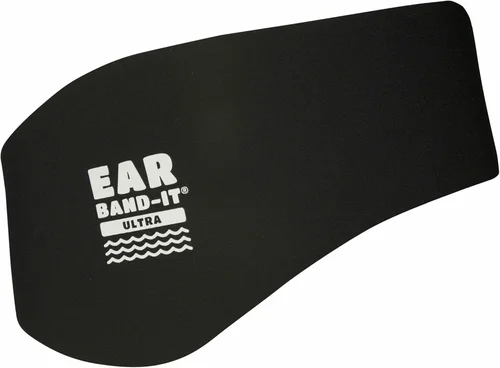
Comfort is arguably the most important factor when choosing an ear band. If it’s uncomfortable, you won’t wear it—no matter how effective it is. The Zoggs Ear Band is designed to wrap securely around the back of the head, holding silicone or foam earplugs in place without pinching or slipping. Look for adjustable straps that allow you to customize tightness based on your head size and activity level. A well-fitted band should stay in place during flip turns, dives, and vigorous strokes without causing pressure behind the ears or on the crown of the head.
For children or adults with smaller heads, ensure the band offers enough adjustability. Some models come with multiple sizing options or stretchable neoprene bands that accommodate a wider range of head circumferences. Also consider padding—soft, cushioned interiors reduce friction and prevent chafing during long training sessions. Remember: comfort directly impacts compliance. If it feels good, you’ll use it consistently, which is key to preventing ear infections.
2. Material Quality & Durability
The materials used in your ear band determine how long it lasts and how well it performs under repeated use. Zoggs typically uses high-grade neoprene, silicone, or elastic blends that resist chlorine, saltwater, and UV degradation. Neoprene offers excellent insulation and flexibility, making it ideal for cold-water swimmers, while silicone-based bands are lightweight and quick-drying.
Check the stitching and seam construction—reinforced seams prevent fraying and extend lifespan. Avoid bands made from thin, cheap elastic that loses tension after a few washes. Also, look for antimicrobial treatments if you plan to share the band (e.g., in a family setting) or use it frequently. High-quality materials may cost slightly more upfront but save money in the long run by reducing replacement frequency.
Real-world example: A triathlete training six days a week in both pool and open water needs a band that won’t degrade from constant exposure to chlorine, salt, and sun. A premium neoprene model with double-stitched edges will outlast a basic elastic version by months—or even years.
3. Water Resistance & Seal Effectiveness
An ear band’s primary job is to keep water out of the ears—but it can’t do that alone. It works in tandem with earplugs, so the seal between the plug and ear canal must be watertight. However, the band plays a crucial role in maintaining that seal by holding the plugs firmly in place. If the band slips or loosens during movement, water can seep in.
Look for designs that integrate seamlessly with Zoggs’ own earplugs (like the Zoggs Swim Ear Plugs) or are compatible with standard silicone/foam plugs. Some models feature molded channels or clips that grip the plugs securely. Test the seal by gently tugging on the plugs—if they shift easily, the band isn’t doing its job.
Additionally, consider hydrodynamics. A low-profile band that sits flat against the head creates less drag, which is vital for competitive swimmers. Bulky designs may trap water or create turbulence, slowing you down.
4. Compatibility with Other Gear
Swimmers often wear multiple accessories simultaneously: goggles, swim caps, nose clips, and ear bands. Compatibility matters because poorly designed gear can interfere with others. For instance, a thick ear band might push goggles away from the face, breaking the seal and causing leaks. Similarly, it shouldn’t bunch up under a silicone swim cap or create uncomfortable pressure points.
Zoggs designs many of its ear bands to work harmoniously with its goggle lines. Look for models labeled “goggle-compatible” or those with a slim profile that tucks neatly beneath caps. If you wear prescription goggles or specialized racing models, check user reviews to confirm fit. Some swimmers prefer wearing the ear band over the cap for easier adjustment, while others tuck it underneath for a cleaner look—choose based on your preference and gear setup.
5. Ease of Use & Adjustability
Nobody wants to struggle with their gear before every swim. The best ear bands are quick to put on, easy to adjust, and simple to clean. Look for intuitive buckle systems—some Zoggs models use quick-release clips or sliding adjusters that let you fine-tune fit in seconds. Avoid complicated harnesses or multiple straps that require precise alignment.
For parents buying for kids, ease of use is even more critical. Children may resist wearing ear protection if it’s fiddly or takes too long to secure. A one-size-fits-most design with a single adjustment point is ideal for younger swimmers.
Post-swim maintenance should also be hassle-free. The band should rinse clean with fresh water and dry quickly. Some models are machine-washable (check care instructions), while others recommend hand-washing to preserve elasticity.
6. Brand Reputation & Reliability
Zoggs has been a trusted name in aquatic sports since 1983, known for innovation, quality, and athlete-focused design. Their ear bands are tested by professional swimmers and designed with input from coaches and medical professionals. Choosing a reputable brand like Zoggs means you’re getting a product backed by research, customer support, and a legacy of performance.
Be cautious of generic or off-brand alternatives that mimic Zoggs’ design but use inferior materials. While they may be cheaper, they often lack durability, proper fit, or safety certifications. Stick with authorized retailers to avoid counterfeit products.
Moreover, established brands typically offer better warranties and responsive customer service. If your band breaks or doesn’t fit, you can usually get a replacement or refund—something rarely guaranteed with no-name brands.
7. Warranty & Support
A good warranty reflects confidence in product quality. Zoggs generally offers a 12-month limited warranty against manufacturing defects, covering issues like seam failure, strap breakage, or material degradation under normal use. This protects your investment and gives peace of mind.
Before purchasing, review the warranty terms: Does it cover wear and tear? What’s the process for claims? Is international support available? Also check return policies—most reputable sellers allow returns within 30 days if the product is unused and in original packaging.
For frequent swimmers, consider registering your product online. Some brands offer extended coverage or exclusive discounts for registered users.
8. User Reviews & Real-World Performance
While specs and marketing copy are helpful, nothing beats real user feedback. Read reviews from swimmers who’ve used the band in similar conditions—pool, open water, training vs. recreation. Pay attention to comments about longevity, comfort during long sessions, and effectiveness in preventing water entry.
Look for patterns: If multiple users report the same issue (e.g., “strap snapped after two months”), it’s likely a design flaw. Conversely, consistent praise for fit or ease of use is a strong indicator of quality.
Platforms like Amazon, SwimOutlet, and swimming forums are great resources. Also check YouTube for video reviews—seeing the band in action can reveal details photos can’t show, like how it moves during a flip turn.
—
Different Types of Buying Guide

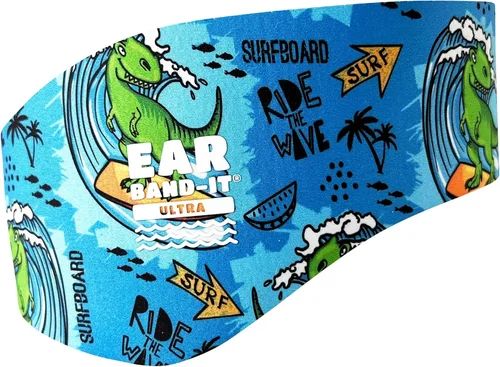
Each type serves a distinct purpose. The Basic Elastic Band is perfect for weekend swimmers who only need occasional protection. The Neoprene Adjustable Band shines in colder environments or for those logging serious yardage. Competitive athletes will appreciate the Silicone Hybrid’s hydrodynamic design, while parents love the Kids’ Fun-Design Band for making ear protection appealing to little ones. Finally, the Pro Performance Band is built for those who demand the absolute best—no compromises.
—
Common Buying Mistakes to Avoid
❌ Mistake: Prioritizing Price Over Quality
Why it’s bad: Cheap ear bands often use low-grade elastic or thin neoprene that stretches out quickly. They may slip during swimming, fail to hold plugs securely, or degrade after just a few uses. This leads to frustration, wasted money, and continued risk of ear infections.
What to do instead: Invest in a mid-range or premium model from a trusted brand like Zoggs. The extra $10–$15 pays off in durability, comfort, and effectiveness. Think of it as preventive healthcare—not just swim gear.
❌ Mistake: Ignoring Fit for Style
Why it’s bad: A brightly colored band with cool patterns might look great, but if it doesn’t fit properly, it’s useless. Tight bands cause headaches; loose ones slip off. Either way, you’re left unprotected.
What to do instead: Always prioritize fit and adjustability. Choose style second. Many Zoggs models come in multiple colors, so you can still express personality without sacrificing function.
❌ Mistake: Assuming All Ear Bands Work the Same
Why it’s bad: Not all bands are compatible with all earplugs. Using mismatched plugs can compromise the seal or damage the band’s clips. Also, some designs aren’t suited for certain head shapes or activities.
What to do instead: Check compatibility specs. If possible, buy the ear band and plugs as a set. Test the combination before committing to long sessions.
❌ Mistake: Overlooking Maintenance
Why it’s bad: Neglecting to rinse and dry the band after each use leads to bacterial growth, odor, and material breakdown. Chlorine and salt accelerate wear if not cleaned properly.
What to do instead: Rinse with fresh water immediately after swimming. Hang to dry away from direct sunlight. Store in a ventilated bag—not a wet locker.
❌ Mistake: Buying Based Solely on Marketing
Why it’s bad: Flashy ads might claim “100% waterproof” or “unbeatable comfort,” but real performance varies. Marketing doesn’t account for individual fit or usage patterns.
What to do instead: Rely on verified customer reviews, expert tests, and hands-on trials. Look for unbiased sources and real swimmer testimonials.
❌ Mistake: Not Considering Long-Term Use
Why it’s bad: Buying a band for a single vacation or short-term use might justify a cheaper option—but if you plan to swim regularly, short-term savings lead to long-term costs.
What to do instead: Assess your swimming frequency. If you swim more than twice a week, opt for a durable, adjustable model that will last years.
❌ Mistake: Skipping the Trial Period
Why it’s bad: Every head is different. What fits one person perfectly might be too tight or loose for another. Buying without trying increases the chance of returns or dissatisfaction.
What to do instead: Purchase from retailers with generous return policies. Test the band at home—wear it for 10 minutes to check for pressure points or slippage.
—
Budget Guidelines: How Much Should You Spend?
Choosing the right ear band doesn’t have to break the bank—but it’s important to align your budget with your needs.
– Entry-Level ($8 – $15): Ideal for occasional swimmers, kids, or those trying ear protection for the first time. These basic elastic or thin neoprene bands offer decent functionality but may lack adjustability or durability. Expect to replace them every 3–6 months with regular use.
– Mid-Range ($18 – $28): The sweet spot for most buyers. These models feature adjustable straps, better materials, and improved compatibility with goggles and caps. They’re suitable for 2–5 swims per week and typically last 1–2 years. Great value for recreational and fitness swimmers.
– Premium ($30 – $45): Designed for serious athletes and frequent trainers. Made with high-performance neoprene or silicone, these bands offer superior comfort, hydrodynamics, and longevity. Often include antimicrobial treatments and reinforced stitching. Worth the investment if you swim daily or compete.
– Luxury ($45+): Top-tier options with advanced features like custom-molded clips, integrated hearing protection, or smart materials that adapt to temperature. These are rare and typically used by professionals or those with specific medical needs (e.g., post-surgery ear protection).
—
Expert Tips for Getting the Best Deal
– Buy During Off-Season: Prices drop in late fall and winter when demand for swim gear is low. Stock up ahead of summer swim season.
– Check Retailer Bundles: Many online stores (like SwimOutlet or Decathlon) offer ear band + plug + goggle combos at discounted rates. You save 15–25% compared to buying separately.
– Sign Up for Newsletters: Zoggs and major retailers send exclusive promo codes to subscribers—often 10–20% off first purchases.
– Read Return Policies Carefully: Ensure you can return or exchange if the fit isn’t right. Some stores only accept unworn items, so test gently.
– Consider Multi-Packs: If you have kids or train with a team, buying in bulk reduces per-unit cost. Zoggs sometimes offers family packs.
– Look for Refurbished or Open-Box Deals: Authorized sellers occasionally list lightly used or returned items at steep discounts—perfect if you’re budget-conscious.
– Test Before Committing: If possible, visit a local swim shop to try different models. Fit is personal, and hands-on testing beats online guesswork.
– Register for Warranty: Even if it’s just a simple online form, registration ensures you’re covered if defects arise.
—

Frequently Asked Questions
Q: Can I wear the Zoggs Ear Band without earplugs?
A: Technically yes, but it won’t keep water out. The band is designed to hold earplugs in place—it doesn’t create a seal on its own. Always use compatible earplugs for full protection.
Q: Will the ear band interfere with my hearing?
A: No. The band holds plugs securely but doesn’t block sound entirely. You’ll still hear coaches, whistles, and ambient noise—just not water rushing into your ears.
Q: Is the Zoggs Ear Band suitable for open-water swimming?
A: Absolutely. In fact, it’s highly recommended. Open water introduces more variables—waves, currents, colder temps—and ear protection is even more critical. The neoprene models are especially popular among open-water swimmers.
Q: How do I clean my ear band?
A: Rinse thoroughly with fresh water after each use. Hand-wash weekly with mild soap if needed. Avoid bleach or harsh detergents. Air dry completely before storing.
Q: Can adults use kids’ ear bands?
A: Generally no—they’re sized for smaller heads and may not provide adequate tension or coverage. Conversely, adult bands are usually too large for children. Choose age-appropriate sizing.
Q: Does the ear band help with ear equalization (popping ears)?
A: Not directly. Equalization is managed by techniques like the Valsalva maneuver. However, keeping water out prevents inflammation that can make equalization harder.
Q: Are Zoggs Ear Bands latex-free?
A: Most are, but check product labels. Zoggs typically uses neoprene or silicone, which are latex-free. If you have allergies, confirm before purchasing.
Q: How long does a Zoggs Ear Band last?
A: With proper care, 1–3 years depending on usage. Frequent swimmers should inspect monthly for signs of wear: fraying, loss of elasticity, or cracked clips.
Q: Can I wear headphones under the ear band?
A: Not recommended. Most waterproof headphones sit over the ears, and the band will push them out of place. For music while swimming, consider bone-conduction headphones worn separately.
Q: Where is the best place to buy a Zoggs Ear Band?
A: Authorized retailers like Zoggs.com, Amazon (sold by Zoggs or verified partners), SwimOutlet, and Decathlon offer genuine products with reliable shipping and returns.
—
Our Final Recommendations
– Best for Budget-Conscious Buyers: Zoggs Basic Elastic Ear Band – Simple, effective, and under $15. Perfect for casual use or kids.
– Best Overall Value: Zoggs Neoprene Adjustable Ear Band – Combines comfort, durability, and adjustability at a mid-range price. Ideal for regular swimmers.
– Best Premium Option: Zoggs Pro Performance Silicone Hybrid Band – Engineered for speed and endurance. Low-profile, quick-drying, and built to last.
– Best for Beginners: Zoggs Starter Ear Band + Plug Set – Includes everything needed to get started. Easy to use and affordably priced.
– Best for Advanced Users: Zoggs Elite Neoprene Band with Antimicrobial Coating – Designed for daily training, open-water conditions, and maximum hygiene.
Each recommendation balances performance, price, and user needs. Your choice should reflect how often you swim, your environment, and personal comfort preferences.
—
Conclusion: Making the Right Choice
Selecting the right Zoggs Ear Band isn’t just about picking a piece of gear—it’s about protecting your health, enhancing your performance, and ensuring every swim is comfortable and safe. From understanding material quality and fit to avoiding common pitfalls and maximizing your budget, this guide equips you with the knowledge to make a confident decision.
Remember: the best ear band is the one you’ll actually wear. Prioritize comfort, compatibility, and durability over flashy features or rock-bottom prices. Whether you’re diving into your first lap or training for a triathlon, investing in quality ear protection pays dividends in ear health and swimming enjoyment.
Take the time to assess your needs, read reviews, and test options when possible. And when you find the right fit, you’ll wonder how you ever swam without it. Dive in—your ears will thank you.