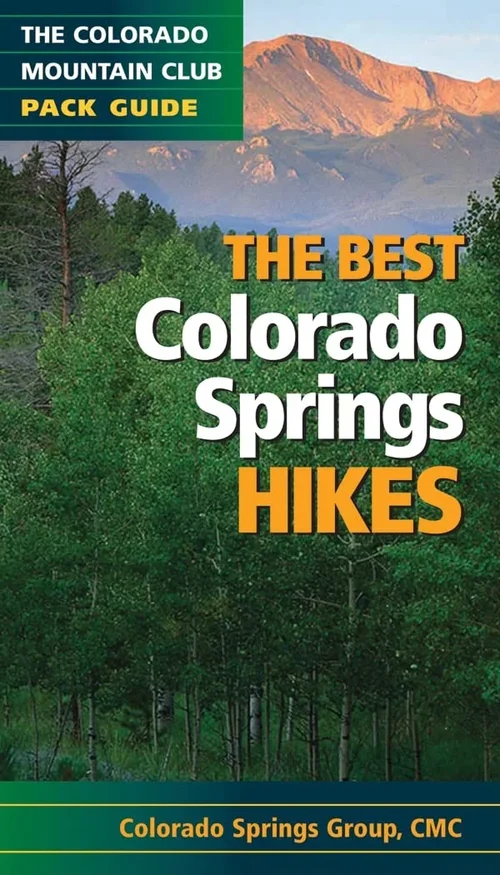
When it comes to outdoor adventure, fitness, and recreational sports, Colorado Springs stands out as one of the most dynamic markets in the United States. Nestled at the base of Pikes Peak and surrounded by mountains, forests, and open trails, this city thrives on an active lifestyle. Whether you’re hiking the Barr Trail, mountain biking through Red Rock Canyon, or training for your next triathlon, having the right gear can make all the difference. But with so many sporting goods stores in Colorado Springs—ranging from big-box retailers to specialty boutiques—it’s easy to feel overwhelmed when trying to find the best equipment for your needs.
That’s where this comprehensive buyer’s guide comes in. Whether you’re a seasoned athlete, a weekend warrior, or a parent gearing up your kids for Little League, this guide is designed to help you navigate the local sporting goods landscape with confidence. We’ll walk you through what to look for when shopping, compare different types of stores and product categories, highlight common pitfalls to avoid, and offer expert-backed advice to ensure you get the best value for your money. Our goal isn’t just to list stores—it’s to empower you to make informed decisions based on your unique goals, budget, and lifestyle.
The sporting goods market in Colorado Springs is both competitive and diverse. You’ll find national chains like Dick’s Sporting Goods and REI alongside local favorites such as Mountain Chalet, The North Face Store, and Trailside Sports. Each offers distinct advantages, from expert staff and curated selections to competitive pricing and community events. Understanding how these stores differ—and knowing what questions to ask before you buy—can save you time, money, and frustration. In the following sections, we’ll break down everything you need to know to shop smarter, whether you’re buying hiking boots, golf clubs, cycling kits, or youth soccer gear.

What to Look for When Buying Buying Guide
1. Budget & Price Range
Your budget is the foundation of any purchasing decision, especially when it comes to sporting goods—a category where prices can vary dramatically based on brand, materials, and technology. In Colorado Springs, you’ll find options ranging from under $20 for basic athletic socks to over $2,000 for high-end mountain bikes or technical climbing kits. Before stepping foot in a store (or clicking “add to cart” online), define your spending limit. Ask yourself: Is this a one-time purchase or part of an ongoing investment? Will I use this item frequently enough to justify a higher price?
Keep in mind that the cheapest option isn’t always the best value. A $50 pair of running shoes may seem like a bargain, but if they cause blisters or wear out after 100 miles, you’ll end up spending more in replacements. Conversely, splurging on premium gear you’ll rarely use isn’t smart either. Aim for the “sweet spot”—products that balance cost with durability and performance. Many local stores in Colorado Springs offer price-matching policies or seasonal discounts, so don’t hesitate to ask about promotions.
2. Performance Specifications
Not all sporting goods are created equal, and performance specs matter—especially in a city where elevation, weather, and terrain demand reliable equipment. For example, if you’re buying hiking boots, look for details like waterproof membranes (e.g., Gore-Tex), ankle support, lug depth for traction, and weight. Cyclists should pay attention to frame material (aluminum vs. carbon fiber), gear ratios, and brake type (disc vs. rim). Even something as simple as a yoga mat benefits from knowing its thickness, grip level, and eco-friendliness.
In Colorado Springs, where trails can be steep and unpredictable, performance isn’t just about comfort—it’s about safety. Visit stores with knowledgeable staff who can explain technical features in plain language. At places like Mountain Chalet or Trailside Sports, employees are often outdoor enthusiasts themselves and can recommend gear based on real-world use in local conditions. Don’t shy away from asking: “How does this perform on icy trails?” or “Will this tent handle a sudden snowstorm?” These questions separate casual shoppers from informed buyers.
3. Build Quality & Durability
Durability directly impacts how long your gear will last and how well it performs under stress. High-quality materials—like ripstop nylon, reinforced stitching, or aircraft-grade aluminum—cost more upfront but save money over time. In a climate like Colorado Springs, where UV exposure is intense and temperature swings are common, gear must withstand harsh conditions. A backpack that frays after one season or a tent pole that snaps in a gust of wind isn’t just inconvenient—it’s potentially dangerous.
When evaluating build quality, inspect seams, zippers, buckles, and joints. Feel the weight and sturdiness of the item. Does it feel flimsy or solid? Check for warranties—brands like Patagonia, The North Face, and Osprey often offer lifetime guarantees, which speaks volumes about their confidence in product longevity. Local retailers like REI also stand behind their gear with generous return policies, giving you peace of mind if something fails prematurely.
4. Features & Functionality
Modern sporting goods come packed with features, but not all are useful for every user. A GPS-enabled fitness watch might be essential for a trail runner tracking elevation gain, but overkill for someone just logging daily steps. Similarly, a ski jacket with built-in heating elements sounds impressive, but unless you’re skiing in sub-zero temps, it may be unnecessary bulk and cost.
Focus on features that align with your actual use case. If you’re buying a road bike, prioritize aerodynamics and lightweight design. For mountain biking in Palmer Park, look for suspension travel and tire width suited to rocky terrain. In Colorado Springs, where activities range from urban jogging to backcountry camping, versatility matters. Look for multi-use items—like convertible hiking pants or modular camping stoves—that adapt to different scenarios without compromising performance.
5. Brand Reputation
Brand reputation isn’t just about marketing—it reflects years of customer feedback, innovation, and reliability. Established brands like Columbia, Salomon, Yeti, and Brooks have earned trust through consistent quality and customer service. While lesser-known brands may offer lower prices, they often lack the R&D, testing, and support infrastructure of industry leaders.
That said, don’t dismiss emerging brands entirely. Some local Colorado companies, like Topo Designs or Western Rise, have built loyal followings by focusing on craftsmanship and sustainability. Research brands online, read reviews on sites like REI or Backcountry, and ask around at local trailheads or gyms. Word-of-mouth in the Colorado Springs outdoor community is powerful—and often more honest than sponsored content.
6. Warranty & Support
A strong warranty is a sign that a manufacturer stands behind its product. In sporting goods, where wear and tear are inevitable, this can be a lifesaver. Look for warranties that cover defects, accidental damage, or even normal wear over time. For example, REI offers a one-year satisfaction guarantee on all purchases, while brands like Leki and Black Diamond provide extensive repair services for trekking poles and climbing gear.
Also consider post-purchase support. Can you easily get replacement parts? Is there a local service center? Stores like Dick’s Sporting Goods often have in-house repair stations for bicycles and footwear, which adds convenience. In Colorado Springs, where remote adventures mean you can’t always rush back to town, knowing your gear is backed by reliable support is invaluable.
7. Size & Portability
Whether you’re packing for a weekend camping trip or storing gear in a small apartment, size and portability matter. Bulky items like kayaks or full-sized treadmills require storage space and transportation planning. Even smaller items—like sleeping bags or hydration packs—should be evaluated for packability and weight.
In Colorado Springs, where many residents live in condos or townhomes with limited storage, compact and collapsible designs are highly valued. Look for foldable camping chairs, inflatable paddleboards, or modular workout equipment. For travelers heading to nearby destinations like Garden of the Gods or Manitou Springs, lightweight and easy-to-carry gear enhances the experience. Always check dimensions and weight before buying, and consider how you’ll transport the item home from the store.
8. User Reviews & Ratings
User reviews provide real-world insights that specs sheets can’t match. They reveal how gear performs in actual conditions—like whether those trail runners really are waterproof after crossing a creek or if that tent truly sets up in under five minutes. Platforms like Google Reviews, Yelp, and specialized forums (e.g., Mountain Project for climbers) are goldmines of honest feedback.
When reading reviews, look for patterns. If multiple users mention the same issue—say, a bike helmet that fogs up easily—it’s likely a genuine flaw. Also pay attention to reviewer profiles: Are they casual users or serious athletes? Their experience level affects expectations. In Colorado Springs, local Facebook groups like “Colorado Springs Outdoor Adventures” often feature detailed gear discussions, making them excellent resources for region-specific advice.
Different Types of Buying Guide

Common Buying Mistakes to Avoid

❌ Mistake: Prioritizing Price Over Fit
Why it’s bad: Ill-fitting gear—whether it’s running shoes, ski boots, or a backpack—can lead to discomfort, injury, or poor performance. A cheap pair of boots that rubs your heels isn’t a bargain if it keeps you off the trail.
What to do instead: Always try before you buy, especially for footwear and apparel. Visit stores like Fleet Feet or Trailside Sports that offer gait analysis or professional fitting services. If shopping online, check size charts carefully and read fit notes in reviews.
❌ Mistake: Ignoring Local Conditions
Why it’s bad: Gear that works in Florida may fail in Colorado’s high-altitude, variable climate. Buying a lightweight summer tent for winter camping near Pikes Peak could be disastrous.
What to do instead: Choose equipment rated for the seasons and elevations you’ll encounter. Ask store staff about local use cases. For example, many Colorado Springs hikers prefer four-season tents and insulated sleeping bags even in summer due to sudden weather changes.
❌ Mistake: Overbuying Based on Trends
Why it’s bad: Flashy new gadgets or “must-have” items often go unused. That $300 fitness tracker might collect dust after a month if it doesn’t integrate with your routine.
What to do instead: Stick to essentials that match your actual activities. Start simple—buy a good pair of trail shoes before investing in a full ultralight backpacking kit. Build your gear collection gradually based on experience.
❌ Mistake: Skipping the Return Policy Check
Why it’s bad: Some retailers have strict no-return policies on opened items, leaving you stuck with gear that doesn’t work for you.
What to do instead: Always ask about return windows and conditions. REI, for instance, allows returns within one year for members. Know your rights before walking out the door.
❌ Mistake: Not Testing Gear Before Purchase
Why it’s bad: You can’t judge comfort, balance, or usability from a box. A bike that looks great on the rack might feel unstable on a test ride.
What to do instead: Take advantage of in-store demos. Many Colorado Springs bike shops offer test rides. For larger items like kayaks or stand-up paddleboards, look for local rental programs that let you try before committing.
❌ Mistake: Buying Solely Based on Brand Loyalty
Why it’s bad: Sticking to one brand limits your options and may cause you to overlook better-performing alternatives.
What to do instead: Stay open-minded. Compare specs, read cross-brand reviews, and ask staff for unbiased recommendations. Sometimes a lesser-known brand offers superior value for your specific needs.
❌ Mistake: Forgetting About Maintenance Needs
Why it’s bad: Some gear requires regular upkeep—like waxing skis, cleaning wetsuits, or servicing bike drivetrains. Neglecting this shortens lifespan and increases long-term costs.
What to do instead: Factor in maintenance when choosing gear. Opt for low-maintenance options if you’re busy, or learn basic care techniques. Many local stores offer free workshops on gear maintenance.
Budget Guidelines: How Much Should You Spend?
Setting a realistic budget ensures you get quality gear without overspending. Here’s a breakdown tailored to typical buyers in Colorado Springs:
- Entry-Level ($10 – $100): Ideal for beginners or occasional users. Expect basic functionality and shorter lifespan. Examples include generic running shoes, polyester athletic wear, or entry-level yoga mats. Great for kids’ sports or trying a new activity.
- Mid-Range ($100 – $400): The sweet spot for most active Coloradans. Offers reliable performance, better materials, and decent warranties. Think Merrell hiking boots, Shimano cycling components, or Coleman camping stoves. This tier balances cost and quality effectively.
- Premium ($400 – $1,200): For enthusiasts and regular adventurers. Features advanced tech, superior durability, and brand-backed support. Examples include Osprey backpacks, Garmin GPS watches, or Yeti coolers. Worth the investment if you use the gear frequently.
- Luxury ($1,200+): Reserved for professionals or serious collectors. Includes carbon-fiber mountain bikes, custom-fitted ski boots, or expedition-grade tents. These items offer peak performance but may be overkill for casual use.

Expert Tips for Getting the Best Deal
- Shop During Off-Seasons: Buy winter gear in spring and summer items in fall. Stores like Dick’s and REI often discount seasonal inventory to clear space. You can save 30–50% on last year’s models.
- Leverage Membership Discounts: REI Co-op members get annual dividends, exclusive sales, and free classes. Academy Sports offers a loyalty program with points and coupons. These perks add up over time.
- Compare Prices Across Channels: Use apps like Honey or CamelCamelCamel to track price history. Sometimes online prices are lower, but local stores may match them—especially during holidays.
- Attend Local Gear Swaps: Events like the Colorado Springs Outdoor Gear Exchange let you buy used gear at steep discounts. It’s eco-friendly and budget-smart.
- Ask About Student, Military, or First Responder Discounts: Many stores—including The North Face and Patagonia—offer 10–20% off for eligible groups. Always carry ID.
- Bundle Purchases: Buying a full camping kit or cycling setup at once often qualifies for package deals. Stores may throw in free accessories or installation.
- Check Return Policies Before Buying Online: Ensure you can return items locally if needed. Some online retailers partner with Colorado Springs stores for hassle-free returns.
- Test Gear at Local Events: Stores like Mountain Chalet host demo days where you can try skis, bikes, or packs for free. It’s a risk-free way to find your perfect match.

Frequently Asked Questions
Q: Where is the best place to buy hiking boots in Colorado Springs?
A: For expert fittings and trail-tested recommendations, visit Mountain Chalet or Trailside Sports. Both stores have staff who hike locally and can match you with boots suited to Pikes Peak terrain. REI is also a solid choice with a generous return policy.
Q: Can I return sporting goods if they don’t fit or work for me?
A: It depends on the retailer. REI allows returns within one year for members. Dick’s Sporting Goods typically offers 90 days. Always check the policy before purchasing, especially for opened or used items.
Q: Are online prices usually cheaper than in-store in Colorado Springs?
A: Not always. While online retailers like Backcountry often have lower base prices, local stores may match them—and offer instant gratification, free advice, and no shipping fees. Compare total cost including tax and delivery.
Q: What’s the best time of year to buy camping gear in Colorado Springs?
A: Late winter (February–March) is ideal. Retailers discount winter camping items to make room for spring inventory. You’ll find great deals on sleeping bags, tents, and stoves.
Q: Do I need special gear for high-altitude activities near Colorado Springs?
A: Yes. At 6,000+ feet, UV exposure is intense, temperatures drop quickly, and weather changes fast. Invest in sun protection, layered clothing, and gear rated for variable conditions. Local staff can guide you.
Q: Are there stores in Colorado Springs that specialize in youth sports equipment?
A: Absolutely. Dick’s Sporting Goods and Academy Sports have large youth sections. For soccer, baseball, or basketball, these stores offer everything from cleats to team uniforms with frequent sales.
Q: How do I know if a product is truly “waterproof”?
A: Look for certifications like Gore-Tex or ratings in millimeters (e.g., 10,000mm). Higher numbers mean better water resistance. Ask staff to explain the difference between waterproof and water-resistant—many confuse the two.
Q: Can I get my bike serviced at sporting goods stores in Colorado Springs?
A: Yes. Most bike shops, including those inside Dick’s and standalone stores like Peak Cyclery, offer tune-ups, repairs, and custom builds. Some even provide free basic maintenance with purchase.
Q: Is it worth paying more for eco-friendly sporting goods?
A: If sustainability matters to you, yes. Brands like Patagonia and prAna use recycled materials and ethical labor practices. While often pricier, they tend to last longer and align with Colorado’s outdoor conservation values.
Q: What should I bring when trying on athletic shoes?
A: Wear the socks you’ll use during activity, and bring any orthotics or insoles. Walk or jog around the store—don’t just stand. Feet swell during exercise, so ensure there’s a thumb’s width of space at the toe.
Our Final Recommendations
- Best for Budget-Conscious Buyers: Academy Sports + Outdoors – Offers wide selection, frequent sales, and affordable entry-level gear perfect for families and beginners.
- Best Overall Value: REI Colorado Springs – Combines expert advice, high-quality products, member benefits, and a generous return policy. Ideal for outdoor enthusiasts of all levels.
- Best Premium Option: Mountain Chalet – Locally owned with deep roots in the Colorado outdoor community. Carries top-tier brands and provides unmatched local knowledge.
- Best for Beginners: Dick’s Sporting Goods – Easy navigation, helpful staff, and broad range of introductory gear for team sports, fitness, and casual recreation.
- Best for Advanced Users: Trailside Sports – Specializes in technical outdoor equipment with staff who are active in the local climbing, biking, and hiking scenes. Perfect for serious adventurers.
Conclusion: Making the Right Choice
Choosing the right sporting goods in Colorado Springs isn’t just about finding the cheapest or flashiest option—it’s about matching your gear to your lifestyle, environment, and goals. With the city’s unique blend of urban convenience and wild landscapes, your equipment needs to be versatile, durable, and reliable. By considering factors like budget, performance, build quality, and local conditions, you’ll avoid common pitfalls and invest in gear that enhances—not hinders—your adventures.
Remember, the best store for you depends on what you’re buying and how you plan to use it. Don’t hesitate to visit multiple locations, ask questions, and test products before deciding. The Colorado Springs sporting goods community is welcoming and knowledgeable—take advantage of it. Whether you’re lacing up for a morning run on the Legacy Loop or packing for a weekend in the Sangre de Cristo Mountains, the right gear makes all the difference.
Now that you’re equipped with expert insights, it’s time to hit the stores—or the trails. Prioritize your needs, stick to your budget, and choose quality over hype. Your next great outdoor experience starts with the right purchase. Happy shopping, and see you out there!