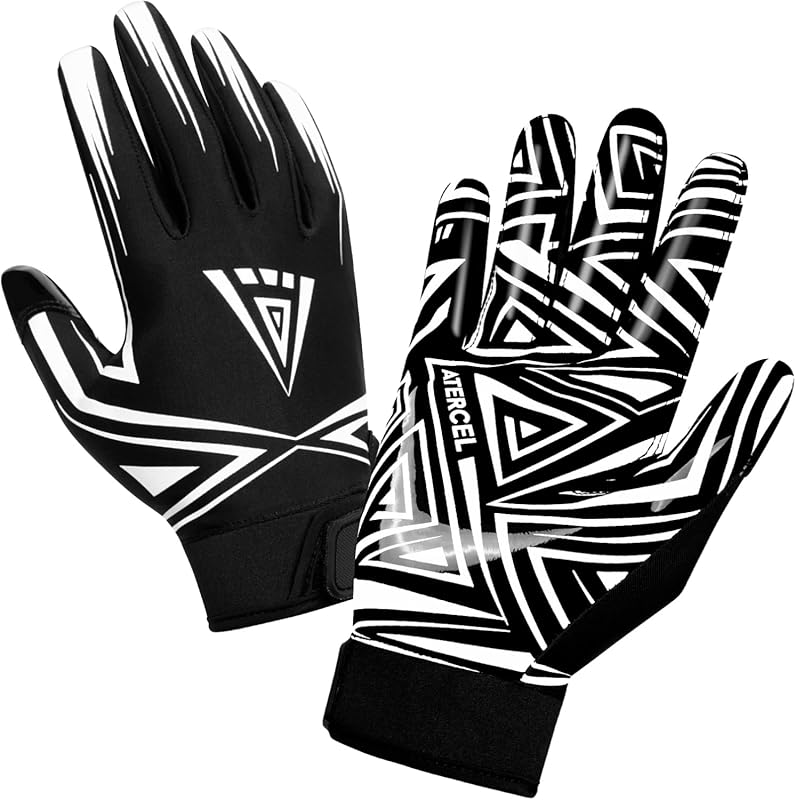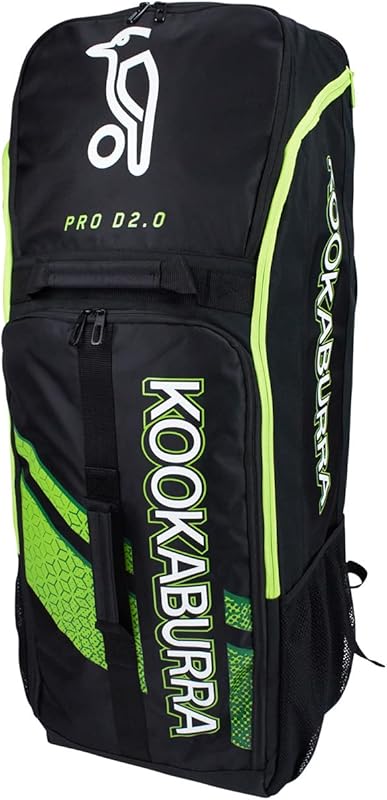
Arizona’s diverse landscape—from the red rocks of Sedona to the saguaro-studded deserts of Tucson and the snow-capped peaks near Flagstaff—demands gear that can handle everything from desert hikes to alpine climbs. Whether you’re a weekend warrior exploring the Grand Canyon, a parent gearing up your kids for Little League, or an outdoor enthusiast prepping for a multi-day backpacking trip, choosing the right sporting goods store in Arizona is more than just a shopping decision. It’s about finding a partner who understands your needs, offers reliable products, and supports your active lifestyle with knowledgeable service and trustworthy brands.
This comprehensive buying guide is designed to help you navigate the vast world of Arizona sporting goods stores with confidence. You’ll learn how to evaluate stores based on critical factors like product selection, pricing, customer service, and local expertise. We’ll break down the types of stores available—from big-box retailers to specialty outdoor shops—and help you avoid common pitfalls that can lead to buyer’s remorse. Whether you’re shopping for hiking boots, fishing tackle, golf clubs, or team sports equipment, this guide arms you with the knowledge to make smart, informed decisions.
The Arizona sporting goods market is as varied as its terrain. Major national chains like REI, Dick’s Sporting Goods, and Sportsman’s Warehouse have strong presences in cities like Phoenix, Scottsdale, and Tucson. At the same time, locally owned shops such as Summit Hut, Arizona Hiking Shack, and Bass Pro Shops at WestWorld offer specialized knowledge and curated selections tailored to regional needs. Online options are also expanding, with many local stores offering robust e-commerce platforms. With so many choices, it’s easy to feel overwhelmed—but with the right approach, you can find the perfect store for your needs.

What to Look for When Buying Buying Guide
1. Budget & Price Range
Your budget is the foundation of any purchasing decision, and sporting goods are no exception. Arizona stores vary widely in pricing, from discount outlets offering entry-level gear to premium boutiques carrying top-tier brands. Before stepping into a store—or even browsing online—determine how much you’re willing to spend. This helps narrow your options and prevents impulse buys that don’t align with your financial goals.
Consider not just the upfront cost but also long-term value. A $50 pair of hiking boots may seem like a bargain, but if they fall apart after one season, you’ll end up spending more in the long run. Conversely, investing in high-quality gear from the start can save money over time. Look for stores that offer price matching, seasonal sales, or loyalty programs to stretch your dollar further.
Also, be aware of hidden costs. Some stores may advertise low prices but charge extra for assembly, customization, or shipping. Always ask about total costs upfront. If you’re on a tight budget, consider buying during end-of-season sales—many Arizona stores clear out summer gear in late August or winter equipment in March.
2. Performance Specifications
Performance specs are crucial when selecting gear that must perform under real-world conditions. For example, if you’re buying a tent for desert camping, you’ll want one with UV-resistant fabric, excellent ventilation, and a lightweight design. For fishing rods, consider action, power, and line weight compatibility based on the species you’re targeting in Arizona’s lakes and rivers.
Always match the product’s specifications to your intended use. A beginner kayaker doesn’t need the same level of durability and responsiveness as a whitewater expert. Look for detailed product descriptions, technical data sheets, and expert reviews. Many Arizona stores have staff who can walk you through specs and help you compare models side by side.
Don’t overlook certifications and standards. For safety gear like helmets, life jackets, or climbing harnesses, ensure the product meets industry standards (e.g., ASTM, CE, or UIAA). These certifications are your assurance that the gear has been tested for reliability and safety.
3. Build Quality & Durability
In Arizona’s harsh climate—extreme heat, intense sun, and rugged terrain—durability isn’t a luxury; it’s a necessity. Gear that can’t withstand the elements will fail when you need it most. When evaluating build quality, examine materials, stitching, zippers, and hardware. For example, a backpack with reinforced seams and ripstop nylon will last far longer than one made from thin polyester.
Ask about warranty coverage and repair services. Reputable stores often partner with brands that offer lifetime guarantees or free repairs. Summit Hut, for instance, is known for its excellent customer service and willingness to help customers with warranty claims. This kind of support adds long-term value to your purchase.
Test the product if possible. Try on hiking boots for fit and comfort, swing a golf club to assess balance, or inflate a sleeping pad to check for leaks. Hands-on evaluation is one of the best ways to assess quality before buying.
4. Features & Functionality
Modern sporting goods are packed with features designed to enhance performance, comfort, and convenience. But more features don’t always mean better value. Focus on what matters most for your activity. For example, a GPS watch with heart rate monitoring and altitude tracking is ideal for trail runners, but overkill for casual walkers.
Look for intuitive design and user-friendly interfaces. Complicated gear can be frustrating and may go unused. Features like quick-dry fabric, modular storage, or collapsible designs can make a big difference in usability. For families, consider gear that’s easy to clean and maintain—especially if kids are involved.
Also, consider compatibility. If you’re buying accessories like bike racks, fishing reels, or camera mounts, ensure they work with your existing equipment. Many Arizona stores offer compatibility guides or can assist with matching components.
5. Brand Reputation
Brand reputation is a strong indicator of quality and reliability. Established brands like Patagonia, The North Face, Columbia, and Yeti have built their names on consistent performance and ethical practices. While lesser-known brands can offer great value, they may lack the track record or customer support of industry leaders.
Research brands before you buy. Read customer reviews, check ratings on platforms like Trustpilot or the Better Business Bureau, and look for awards or recognitions. In Arizona, local口碑 (word-of-mouth) matters—ask fellow hikers, anglers, or coaches which brands they trust.
Be cautious of counterfeit or knockoff products, especially when shopping online or at discount outlets. Stick to authorized retailers to ensure authenticity. Stores like REI and Bass Pro Shops only carry genuine products, giving you peace of mind.
6. Warranty & Support
A strong warranty and responsive customer support can turn a good purchase into a great one. Look for stores and brands that offer comprehensive coverage—ideally at least one year, with options for extended protection. Some premium brands, like Osprey or Arc’teryx, offer lifetime warranties on backpacks and outerwear.
Understand what the warranty covers. Does it include normal wear and tear, or only manufacturing defects? Can you get repairs locally, or must you ship the item back? Arizona stores with in-house repair services—like Arizona Hiking Shack’s boot resoling program—add significant value.
Also, consider the store’s return policy. A flexible return window (30 days or more) gives you time to test the product in real conditions. Avoid stores with strict “no returns” policies unless you’re certain about your choice.
7. Size & Portability
Size and portability are critical for gear that needs to be carried, stored, or transported. Whether you’re backpacking through the Superstition Mountains or loading gear into a compact car for a weekend trip, space and weight matter. Look for collapsible designs, lightweight materials, and efficient packing systems.
For families, consider multi-use gear. A convertible stroller that doubles as a jogger or a tent that sleeps four but packs down small can save space and money. For urban dwellers with limited storage, compact folding bikes or inflatable SUPs are excellent options.
Always check dimensions and weight before buying. Some stores provide detailed specs online, while others allow in-store testing. If you’re unsure, ask staff for recommendations based on your vehicle or storage space.
8. User Reviews & Ratings
User reviews offer real-world insights that specs and marketing materials can’t match. They reveal how a product performs over time, in different conditions, and with various users. Look for detailed reviews that mention pros, cons, and specific use cases.
Pay attention to patterns. If multiple reviewers mention the same issue—like a tent leaking in rain or a bike helmet feeling too tight—it’s likely a legitimate concern. Conversely, consistent praise for comfort, durability, or ease of use is a good sign.
Use multiple sources. Check the store’s website, Amazon, Google Reviews, and outdoor forums like Reddit’s r/hiking or r/fishing. In Arizona, local Facebook groups and hiking clubs often share honest feedback about gear and stores.
Different Types of Buying Guide

Common Buying Mistakes to Avoid
❌ Mistake: Buying Based Solely on Price
Why it’s bad: The cheapest option often sacrifices quality, durability, and safety. In Arizona’s extreme conditions, subpar gear can fail at critical moments—leading to discomfort, injury, or even danger.
What to do instead: Focus on value, not just cost. Compare price per use, warranty terms, and long-term reliability. Invest in key items like footwear, backpacks, and safety gear.
❌ Mistake: Ignoring Fit and Comfort
Why it’s bad: Ill-fitting gear—whether hiking boots, bike helmets, or golf gloves—can ruin your experience and lead to blisters, fatigue, or poor performance.
What to do instead: Always try before you buy. Visit stores with knowledgeable staff who can help with sizing and adjustments. For online purchases, check size guides and return policies.
❌ Mistake: Overlooking Local Conditions
Why it’s bad: Gear designed for mild climates may not handle Arizona’s heat, sun, or rugged terrain. For example, a tent without UV protection will degrade quickly in desert sun.
What to do instead: Choose gear specifically rated for desert or alpine use. Ask store staff about local recommendations—many Arizona shops stock regionally appropriate products.
❌ Mistake: Skipping the Research Phase
Why it’s bad: Impulse buys often lead to regret. Without research, you might miss better options, overlook key features, or buy incompatible gear.
What to do instead: Spend time reading reviews, comparing models, and consulting experts. Use this guide and online resources to make informed decisions.
❌ Mistake: Neglecting Return and Warranty Policies
Why it’s bad: If a product doesn’t work out, a strict return policy can leave you stuck with unusable gear. Poor warranty support means costly repairs or replacements.
What to do instead: Always check return windows and warranty terms before buying. Prefer stores with flexible policies and strong customer service.
❌ Mistake: Buying Everything at Once
Why it’s bad: Overbuying can lead to clutter, wasted money, and unused gear. It’s hard to know what you truly need without testing basics first.
What to do instead: Start with essentials and build your kit over time. Rent or borrow gear for new activities before committing to purchases.
❌ Mistake: Ignoring Staff Expertise
Why it’s bad: Staff at specialty stores often have firsthand experience with the gear they sell. Ignoring their advice means missing out on valuable insights.
What to do instead: Ask questions! Share your plans, skill level, and budget. Let experts guide you to the best options for your needs.
Budget Guidelines: How Much Should You Spend?
- Entry-Level ($20 – $100): Ideal for beginners or occasional use. Expect basic functionality and shorter lifespan. Great for kids’ sports gear, casual hiking shoes, or entry-level fishing rods. Look for sales at big-box stores or clearance sections.
- Mid-Range ($100 – $400): The sweet spot for most buyers. Offers a balance of quality, features, and durability. Suitable for regular hikers, weekend campers, and recreational athletes. Brands like Columbia, Merrell, and Shimano offer excellent mid-tier options.
- Premium ($400 – $1,000): For enthusiasts and serious adventurers. High-performance materials, advanced features, and superior craftsmanship. Think ultralight tents, carbon-fiber trekking poles, or custom-fitted golf clubs. Worth the investment for frequent use.
- Luxury ($1,000+): Top-tier gear for professionals or those who demand the best. Includes expedition-grade equipment, luxury outdoor apparel, and high-end electronics. Often comes with lifetime warranties and concierge-level support.
Expert Tips for Getting the Best Deal
- Shop During Off-Season: Buy winter gear in spring and summer equipment in fall. Arizona stores often discount seasonal items to clear inventory.
- Sign Up for Loyalty Programs: Stores like REI and Dick’s offer member discounts, early access to sales, and reward points. Free to join and can save you hundreds over time.
- Compare Online and In-Store Prices: Use apps like Google Shopping or PriceGrabber to compare prices across retailers. Many stores will price-match competitors.
- Attend Local Events: Outdoor expos, fishing derbies, and golf tournaments often feature vendor booths with exclusive deals and demos.
- Ask About Student, Military, or Senior Discounts: Many Arizona stores offer discounts for eligible customers—just ask at checkout.
- Consider Used or Refurbished Gear: Stores like Play It Again Sports or online marketplaces offer quality pre-owned items at lower prices. Inspect carefully for wear.
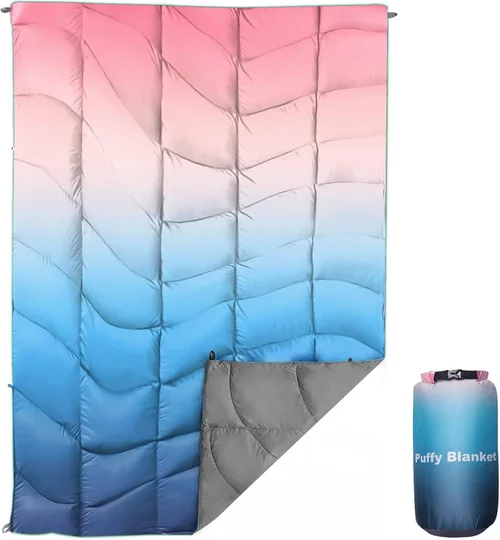
- Bundle Purchases: Some stores offer discounts when you buy multiple items together—like a tent, sleeping bag, and stove as a camping kit.
- Test Before You Buy: Take advantage of in-store demos, rental programs, or trial periods. Many outdoor shops let you test gear on local trails.

Frequently Asked Questions
Q: What’s the best time of year to buy sporting goods in Arizona?
A: Late summer (August–September) and late winter (February–March) are ideal. Stores clear out seasonal inventory, offering discounts on summer and winter gear. Holiday sales around Black Friday and Memorial Day also provide great deals.
Q: Are online sporting goods stores reliable for Arizona buyers?
A: Yes, but choose reputable retailers with strong return policies. Look for sites that offer free shipping to Arizona and easy returns. Local stores with online platforms—like Summit Hut or Arizona Hiking Shack—combine convenience with regional expertise.
Q: How do I know if a store has knowledgeable staff?
A: Visit the store and ask detailed questions about product use, maintenance, and local conditions. Staff who can share personal experiences or recommend gear based on your plans are a good sign. Specialty shops typically have more experienced employees than big-box stores.
Q: Can I return gear if it doesn’t work out?
A: Most stores allow returns within 30 days, especially if the item is unused and in original packaging. Always check the return policy before buying. Some items—like personalized gear or clearance items—may be final sale.
Q: What should I look for in hiking boots for Arizona trails?
A: Prioritize breathability, ankle support, and heat resistance. Look for boots with moisture-wicking liners, Vibram soles for traction, and durable uppers. Avoid heavy, insulated boots unless you’re hiking in winter near Flagstaff.
Q: Are there stores that offer gear rentals in Arizona?
A: Yes! Summit Hut, Arizona Hiking Shack, and some REI locations offer rentals for tents, backpacks, sleeping bags, and climbing gear. This is a great way to test equipment before buying.
Q: How important is brand when buying sporting goods?
A: Brand matters for consistency and support, but it’s not everything. Focus on fit, function, and reviews. Some lesser-known brands offer excellent value, especially in niche categories like ultralight camping gear.
Q: What’s the difference between a big-box store and a specialty shop?
A: Big-box stores offer wide selection and low prices but limited expertise. Specialty shops have curated inventories and staff with hands-on experience. For technical gear, specialty shops are usually the better choice.
Q: Can I get custom-fitted gear in Arizona?
A: Absolutely. Golf pro shops, bike fitters, and some outdoor stores offer custom fitting services. This ensures optimal performance and comfort, especially for activities like golf, cycling, or skiing.
Q: Are there eco-friendly sporting goods options available?
A: Yes. Brands like Patagonia, prAna, and Cotopaxi focus on sustainability. Many Arizona stores carry these lines and can help you find gear made from recycled materials or produced ethically.
Our Final Recommendations
- Best for Budget-Conscious Buyers: Dick’s Sporting Goods – Offers a wide range of affordable gear with frequent sales and a solid return policy.
- Best Overall Value: REI – Combines quality products, expert staff, member benefits, and a strong commitment to outdoor ethics.
- Best Premium Option: Summit Hut – Known for high-end outdoor gear, knowledgeable staff, and excellent customer service across multiple Arizona locations.
- Best for Beginners: Arizona Hiking Shack – Friendly, approachable staff and a focus on entry-level to mid-range gear make it ideal for newcomers.
- Best for Advanced Users: Backcountry (online) – Offers technical, high-performance gear for serious adventurers, with detailed reviews and expert guides.
Conclusion: Making the Right Choice
Choosing the right sporting goods store in Arizona isn’t just about finding the lowest price—it’s about finding a partner who understands your needs, supports your adventures, and helps you make smart, long-term investments in your active lifestyle. By considering factors like budget, performance, build quality, and local expertise, you can avoid common pitfalls and find gear that enhances your experience.
Remember, the best store for you depends on your specific activities, skill level, and preferences. Whether you’re exploring the Sonoran Desert, fishing in Lake Powell, or hitting the greens in Scottsdale, take the time to research, compare, and ask questions. Use the tips and recommendations in this guide to shop with confidence.
Your outdoor adventures are worth the investment. Don’t settle for less than the best. Visit a reputable Arizona sporting goods store today, talk to the experts, and gear up for your next great experience. The desert, the mountains, and the open road are waiting.