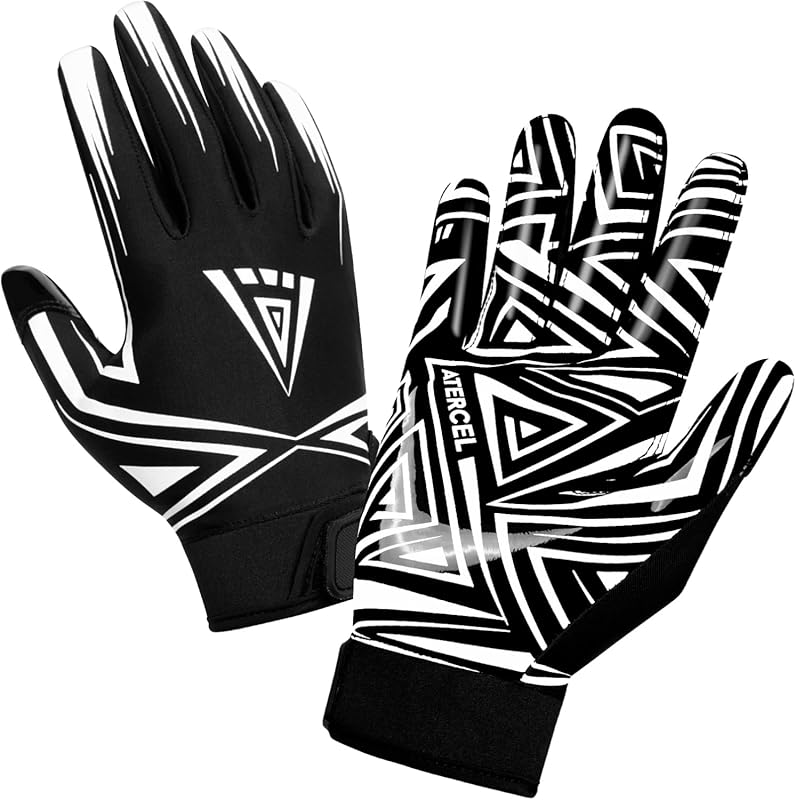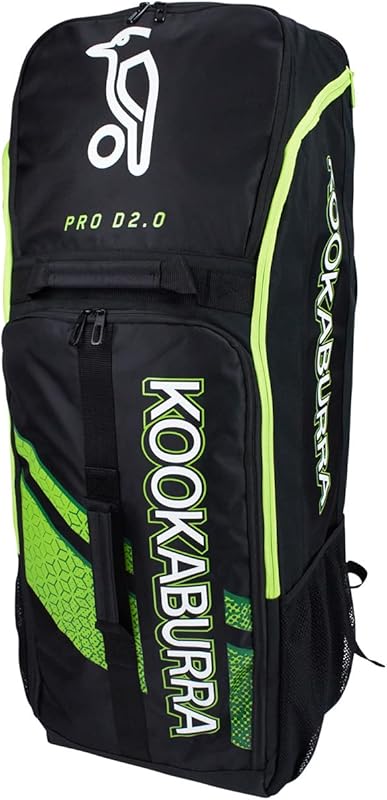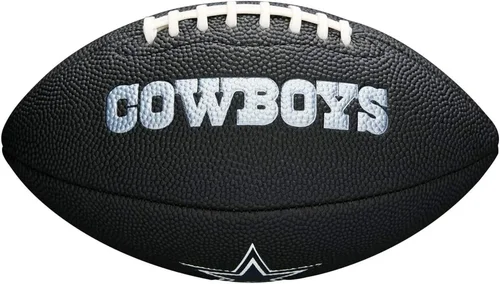
Choosing the right sporting goods store in Dallas isn’t just about convenience—it’s about ensuring you get the right gear, expert advice, and long-term value for your active lifestyle. Whether you’re a weekend warrior hitting the trails at White Rock Lake, a parent shopping for your child’s first soccer cleats, or a seasoned athlete preparing for competition, the store you choose can make or break your experience. With Dallas being one of the largest metropolitan areas in the U.S., the options are abundant—but not all stores are created equal. Some specialize in outdoor adventure, others in team sports, and a few offer premium fitness equipment with white-glove delivery. Navigating this landscape without a clear strategy can lead to overspending, poor fit, or equipment that doesn’t stand up to real-world use.
This comprehensive guide is designed to help you cut through the noise and make informed decisions when selecting a sporting goods retailer in Dallas in 2026. You’ll learn how to evaluate stores based on critical factors like product selection, pricing transparency, staff expertise, return policies, and community reputation. We’ll walk you through the different types of sporting goods stores available—from big-box chains to local boutiques—and highlight common pitfalls to avoid. Whether you’re shopping in-person at a flagship location or browsing online with local pickup, this guide equips you with the knowledge to find a store that aligns with your budget, sport, and expectations. By the end, you’ll not only know where to shop but also how to shop smarter.
The Dallas sporting goods market is dynamic and highly competitive, shaped by the city’s diverse population, strong youth sports culture, and growing interest in fitness and outdoor recreation. Major retailers like Dick’s Sporting Goods, Academy Sports + Outdoors, and REI have established strong footholds, while independent shops such as Dallas Running Company and Lone Star Archery cater to niche audiences. Online platforms like Backcountry and Moosejaw also offer local pickup options, blending digital convenience with in-store support. In 2026, sustainability, inclusivity, and tech integration—like virtual try-ons and AI-powered gear recommendations—are becoming key differentiators. Understanding these trends and how they play out across store types will help you choose a retailer that doesn’t just sell products, but supports your athletic journey.

What to Look for When Buying Buying Guide
1. Product Selection & Specialization
The breadth and depth of a store’s inventory is one of the most important factors to consider. A store that carries everything from yoga mats to climbing harnesses may seem appealing, but if they lack depth in your specific sport, you could end up with subpar gear. For example, a runner needs more than just running shoes—they need moisture-wicking apparel, GPS watches, hydration belts, and recovery tools. Look for stores that specialize in your sport or activity. Dallas Running Company, for instance, offers gait analysis and custom shoe fittings, which big-box stores typically don’t provide. Similarly, Lone Star Archery stocks a wide range of bows, arrows, and accessories, along with tuning services and beginner classes. A specialized store often means better-curated products and staff who truly understand the nuances of your sport.
2. Staff Expertise & Customer Service
Knowledgeable staff can be the difference between buying the right product and regretting your purchase. In a city like Dallas, where sports culture is deeply embedded in community life, you’ll find stores staffed by former athletes, certified trainers, and outdoor enthusiasts. These experts can help you choose the right size, explain technical features, and even recommend local trails or leagues. For example, REI’s Dallas locations often have staff who are certified in wilderness first aid or rock climbing, allowing them to offer informed advice on backpacks, tents, and safety gear. In contrast, larger chains may have seasonal employees with limited training. Don’t hesitate to ask questions—how a store responds is a strong indicator of their commitment to customer satisfaction.
3. Pricing & Value Proposition
Price is important, but it shouldn’t be the only factor. A cheaper product may save you money upfront but cost more in the long run if it wears out quickly or doesn’t perform well. Compare prices across stores, but also consider what’s included. Academy Sports + Outdoors often runs aggressive promotions and offers price matching, making it a strong option for budget-conscious shoppers. However, they may not carry premium brands like Salomon or Patagonia. On the other hand, specialty stores may charge more but offer added value through services like free adjustments, loyalty programs, or exclusive access to new releases. Look for stores that offer a balance of competitive pricing and long-term value.
4. Return & Exchange Policies
Even the most careful shopper can end up with the wrong size or a defective product. A flexible return policy is essential, especially for items like footwear or fitness equipment that require a trial period. Most major retailers in Dallas offer 30- to 90-day return windows, but conditions vary. Dick’s Sporting Goods, for example, allows returns within 90 days with a receipt, while some specialty stores may offer extended periods for members. Be wary of stores that charge restocking fees or only offer store credit. Also, check whether online purchases can be returned in-store—this is a major convenience in a sprawling city like Dallas where driving across town can be time-consuming.
5. Location & Accessibility
Dallas is a car-dependent city, so proximity matters. A store that’s 30 minutes away may seem close on paper, but traffic on I-35 or the LBJ Freeway can turn a quick trip into a two-hour ordeal. Consider stores located near major highways or in shopping centers with ample parking. Some retailers, like REI and Academy, have multiple locations across the metroplex, increasing your chances of finding one nearby. Additionally, check if the store offers curbside pickup, home delivery, or same-day shipping. In 2026, many Dallas sporting goods stores have integrated omnichannel experiences, allowing you to buy online and pick up in-store within hours.
6. Community Engagement & Events
Stores that actively engage with the local community often provide a richer shopping experience. Look for retailers that host free clinics, group runs, gear demos, or youth sports sponsorships. For example, Dallas Running Company organizes weekly group runs and partners with local charities for race events. REI frequently offers outdoor skills workshops, from map reading to bike maintenance. These events not only help you test products in real conditions but also connect you with like-minded individuals. A store that invests in the community is more likely to stand behind its products and provide ongoing support.
7. Sustainability & Ethical Practices
As environmental awareness grows, more Dallas shoppers are prioritizing sustainability. Check whether a store carries eco-friendly brands, uses recyclable packaging, or supports conservation initiatives. REI, for instance, is a certified B Corporation and donates 1% of sales to environmental causes. Some local shops also offer gear repair services to extend product life, reducing waste. While sustainability may not affect performance directly, it reflects a store’s values and long-term commitment to responsible business practices. If this matters to you, ask about a store’s sustainability policies or look for certifications like Fair Trade or Bluesign.
8. Online Experience & Digital Tools
Even if you prefer in-store shopping, a strong online presence enhances convenience. Look for stores with user-friendly websites, detailed product descriptions, customer reviews, and virtual sizing tools. Some Dallas retailers now offer augmented reality features—like seeing how a bike fits in your garage or how a tent looks in your backyard. Mobile apps with loyalty rewards, digital receipts, and in-store navigation can also improve your experience. Additionally, check if the store provides live chat support or virtual consultations. In 2026, the best sporting goods stores blend physical and digital experiences seamlessly.
Different Types of Buying Guide

Common Buying Mistakes to Avoid
❌ Mistake: Choosing Based Solely on Price
Why it’s bad: Opting for the cheapest option often leads to poor performance, frequent replacements, and safety risks—especially in sports like cycling or rock climbing where gear failure can have serious consequences.
What to do instead: Focus on value, not just cost. Consider the cost per use: a $200 pair of running shoes that lasts 500 miles is a better deal than a $80 pair that wears out in 200. Look for stores that offer price matching or loyalty discounts to get quality gear at a fair price.
❌ Mistake: Ignoring Fit and Sizing
Why it’s bad: Ill-fitting gear can cause discomfort, injury, or reduced performance. This is especially true for footwear, helmets, and protective equipment.
What to do instead: Always try before you buy when possible. Use stores with fitting services, like gait analysis for runners or bike fit consultations for cyclists. If shopping online, check size charts, read reviews, and choose retailers with generous return policies.
❌ Mistake: Overlooking Return Policies
Why it’s bad: You might end up stuck with gear that doesn’t work for you, especially if you’re trying a new sport or brand.
What to do instead: Before purchasing, review the store’s return policy. Prefer stores that offer at least 30 days, accept returns without restocking fees, and allow in-store returns for online orders.
❌ Mistake: Not Researching Staff Expertise
Why it’s bad: Uninformed staff may give incorrect advice, leading to poor purchases. This is common in large chains with high employee turnover.
What to do instead: Visit stores known for knowledgeable staff. Ask about their experience, certifications, or involvement in the sport. Stores that host events or clinics often have more engaged, informed employees.
❌ Mistake: Buying Without Testing
Why it’s bad: Gear that looks good on a shelf may not perform well in real conditions. For example, a tent may seem spacious but leak in rain.
What to do instead: Attend demo days, rent gear first, or use stores with trial programs. REI, for instance, offers a 1-year return policy and often hosts gear-testing events.
❌ Mistake: Neglecting Local Support
Why it’s bad: Online-only retailers may offer low prices but lack local service, repairs, or community connection.
What to do instead: Support local businesses when possible. They often provide better service, faster repairs, and contribute to the local economy. Plus, they’re more likely to stand behind their products.
❌ Mistake: Forgetting About Future Needs
Why it’s bad: Buying gear that only meets your current level can limit growth. For example, a beginner tennis racket may hinder skill development.
What to do instead: Choose scalable gear or stores that offer trade-in programs. Some shops allow you to upgrade as you progress, reducing long-term costs.
Budget Guidelines: How Much Should You Spend?
- Entry-Level ($20 – $100): Ideal for casual users or children. Expect basic functionality and shorter lifespan. Great for trying a new sport without a big investment. Stores like Academy and Walmart offer solid options in this range.
- Mid-Range ($100 – $400): The sweet spot for most recreational athletes. Gear in this tier offers better materials, durability, and performance. Look for brands like Nike, Adidas, or Columbia. Available at Dick’s, REI, and local shops.
- Premium ($400 – $1,200): For serious enthusiasts and competitive athletes. Features advanced technology, superior craftsmanship, and often come with professional support. Examples include high-end road bikes, climbing harnesses, or golf clubs. Found at specialty stores and outdoor retailers.
- Luxury ($1,200+): Top-tier gear for professionals or collectors. Includes custom-fitted equipment, limited editions, and cutting-edge innovation. Think carbon fiber racing bikes or handcrafted archery bows. Available at select boutiques and by appointment.
Expert Tips for Getting the Best Deal
- Shop During Off-Seasons: Buy winter gear in spring and summer equipment in fall. Retailers often discount seasonal items to clear inventory.
- Sign Up for Loyalty Programs: Stores like REI and Academy offer member-exclusive discounts, early access to sales, and reward points.
- Use Price Matching: Many retailers will match competitors’ prices. Bring a printout or screenshot to the store.
- Attend Store Events: Demo days, clearance sales, and member nights often feature deep discounts and free gifts.
- Check for Student or Military Discounts: Some stores offer 10–15% off with valid ID. Always ask.
- Buy Last Year’s Models: New versions often come out in spring. Previous models are usually discounted and nearly identical in performance.
- Negotiate on Big-Ticket Items: For items over $500, especially at local shops, polite negotiation can sometimes yield a better deal.
- Use Cashback and Coupon Sites: Rakuten, Honey, and RetailMeNot often have codes for sporting goods retailers.

Frequently Asked Questions
Q: What’s the best sporting goods store in Dallas for running?
A: Dallas Running Company is widely regarded as the top choice for runners. They offer gait analysis, custom fittings, and a curated selection of performance footwear and apparel. Their staff are experienced runners who understand the local terrain and climate.
Q: Can I return online purchases in-store?
A: Yes, most major retailers like Dick’s, Academy, and REI allow in-store returns for online orders. Check the store’s policy for details on time limits and required documentation.
Q: Are there stores that offer gear rentals in Dallas?
A: Yes. REI offers rentals for camping, climbing, and snow sports. Some local shops, like The Bike Shop, rent road and mountain bikes. This is a great way to test gear before buying.
Q: How do I know if a store has knowledgeable staff?
A: Look for stores that host events, have staff bios on their website, or are affiliated with local teams or clubs. You can also call ahead and ask about staff certifications or experience.
Q: What’s the advantage of shopping at a local independent store?
A: Local shops often provide personalized service, faster repairs, and support the community. They’re more likely to remember your preferences and offer tailored recommendations.
Q: Do Dallas sporting goods stores price match?
A: Many do. Academy, Dick’s, and REI all have price-matching policies. Bring proof of the lower price from a local competitor or major online retailer.
Q: Are there eco-friendly sporting goods stores in Dallas?
A: Yes. REI is a leader in sustainability. Some local shops also carry eco-conscious brands and offer repair services to reduce waste.
Q: What should I do if I buy defective gear?
A: Contact the store immediately. Most will offer a replacement, refund, or repair. If the issue isn’t resolved, check the manufacturer’s warranty, which often covers defects for 1–2 years.
Q: Can I get a bike fitted at a Dallas store?
A: Yes. Stores like The Bike Shop and REI offer professional bike fitting services for a fee. This ensures comfort and efficiency, especially for long rides.
Q: Are there stores that cater to adaptive sports?
A: Yes. Some stores, like REI and local nonprofits, offer adaptive gear and host inclusive events. Contact the store directly to inquire about accessibility and specialized equipment.
Our Final Recommendations
- Best for Budget-Conscious Buyers: Academy Sports + Outdoors – Offers the widest range of affordable gear, frequent sales, and price matching.
- Best Overall Value: REI – Combines high-quality products, expert staff, sustainability, and a generous return policy.
- Best Premium Option: Dallas Running Company – Unmatched expertise in running, with custom fittings and community support.
- Best for Beginners: Dick’s Sporting Goods – Easy navigation, broad selection, and helpful staff make it ideal for newcomers.
- Best for Advanced Users: Lone Star Archery – Specialized gear, tuning services, and a deep understanding of competitive archery.
Conclusion: Making the Right Choice
Choosing the right sporting goods store in Dallas is about more than just finding a place to buy equipment—it’s about aligning with a retailer that supports your goals, values, and lifestyle. Whether you prioritize price, expertise, sustainability, or community, there’s a store in Dallas that fits your needs. Use the factors outlined in this guide to evaluate your options, avoid common pitfalls, and take advantage of expert tips to get the best deal. Remember, the right gear can enhance performance, prevent injury, and make your time active more enjoyable. Don’t rush the decision. Visit a few stores, talk to staff, and test products when possible. Your athletic journey deserves the best support, and the right store can be a trusted partner every step of the way. Start exploring today—your next adventure is waiting.