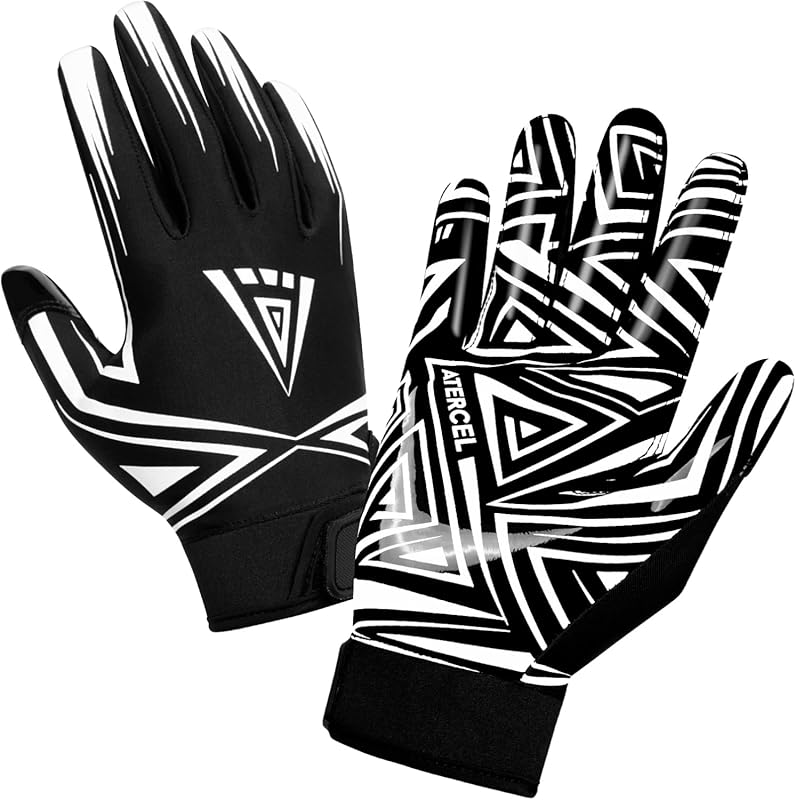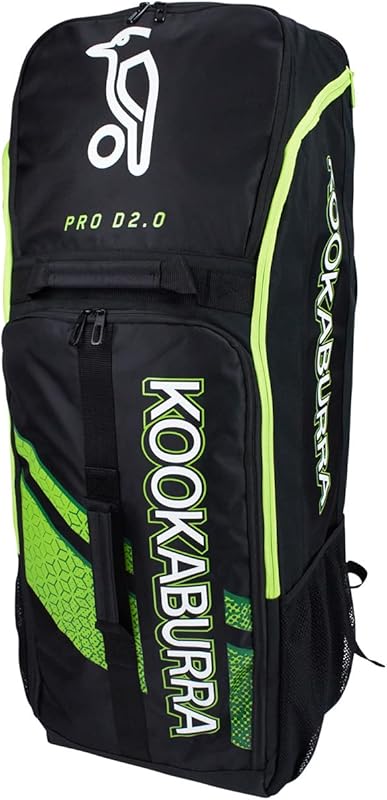
Duluth, Minnesota isn’t just a scenic port city nestled along the shores of Lake Superior—it’s a haven for outdoor enthusiasts, weekend warriors, and serious athletes alike. With its rugged terrain, four distinct seasons, and proximity to some of the Midwest’s most beautiful natural landscapes, Duluth offers endless opportunities for hiking, fishing, skiing, biking, hunting, and more. Whether you’re prepping for a winter trek through the Superior Hiking Trail, gearing up for a summer kayak expedition on the lake, or simply looking to stay active year-round, having access to high-quality sporting goods is essential. That’s where local sporting goods stores come in—not just as places to buy equipment, but as community hubs that understand the unique demands of life in northern Minnesota.
This comprehensive guide is designed to help you navigate the vibrant sporting goods scene in Duluth with confidence. Whether you’re a lifelong resident or visiting for an adventure, we’ll walk you through everything you need to know to make smart, informed purchasing decisions. From evaluating store reputations and comparing product categories to understanding seasonal sales cycles and avoiding common buyer pitfalls, this guide covers it all. You’ll learn how to balance budget constraints with performance needs, identify trustworthy retailers, and ultimately find the gear that matches your lifestyle—not just your wallet.
The Duluth sporting goods market is surprisingly diverse for a city of its size. You’ll find everything from national chains with broad inventories to family-owned shops specializing in niche activities like fly fishing or backcountry skiing. Each type of retailer brings its own strengths—some excel in customer service and local expertise, while others offer competitive pricing and wide selection. Understanding these differences is key to getting the best value and the right fit for your needs. By the end of this guide, you’ll have a clear roadmap for shopping smart in Duluth’s dynamic sporting goods landscape.

What to Look for When Buying Buying Guide
1. Budget & Price Range
One of the first—and most practical—considerations when shopping for sporting goods in Duluth is your budget. Prices can vary dramatically depending on the activity, brand, and quality tier. For example, a basic pair of trail running shoes might start around $60, while high-performance mountaineering boots can exceed $400. It’s easy to overspend if you’re not clear about what you truly need versus what’s nice to have.
Start by defining your spending limit before stepping into any store. Ask yourself: Is this a one-time purchase or part of an ongoing hobby? Will I use this gear frequently enough to justify a premium investment? Many Duluth stores offer layaway plans or seasonal financing options, which can help spread out costs without sacrificing quality. Also, keep an eye out for end-of-season clearance events—especially in spring (for winter gear) and fall (for summer equipment)—when you can often score 30–50% off last year’s models.
Remember, the cheapest option isn’t always the best value. A $20 pair of gloves may seem like a bargain, but if they fall apart after two uses, you’ve wasted money. Conversely, splurging on top-tier gear you’ll rarely use may not be wise either. Aim for the “sweet spot” where price aligns with durability, frequency of use, and performance needs.
2. Performance Specifications
Not all gear is created equal—especially when it comes to performance. In Duluth’s variable climate, where temperatures can swing from -20°F in January to 85°F in July, your equipment must perform reliably under real-world conditions. Look for detailed specs that match your intended use.
For instance, if you’re buying a backpack for multi-day hikes along the North Shore, check weight capacity, hip belt padding, ventilation, and waterproofing ratings. If you’re shopping for skis, consider camber profile, flex pattern, and recommended terrain. Even something as simple as a water bottle should be evaluated for insulation (double-wall vacuum vs. single-layer), leak-proof seals, and ease of cleaning.
Don’t rely solely on marketing claims. Read technical descriptions carefully and, when possible, ask store staff for demonstrations or comparisons. Many Duluth retailers employ knowledgeable associates who are passionate about outdoor sports and can explain subtle differences between models. If a store can’t provide clear performance data, that’s a red flag.
3. Build Quality & Durability
In a place like Duluth, where weather extremes and rugged terrain are the norm, durability isn’t optional—it’s essential. Gear that fails mid-hike or during a fishing trip can ruin your experience and even pose safety risks. When assessing build quality, examine materials, stitching, zippers, hinges, and overall construction.
Look for reinforced stress points (like shoulder straps on packs or seams on tents), corrosion-resistant hardware (critical near Lake Superior’s salty air), and reputable manufacturing standards. Brands like Patagonia, Arc’teryx, and Yeti are known for rigorous testing and long-lasting designs—but they come at a premium. However, many mid-tier brands now offer excellent durability at more accessible prices.
A good rule of thumb: if it feels flimsy in the store, it will likely fail in the field. Test zippers, buckles, and moving parts before buying. And don’t hesitate to ask about warranty coverage—many quality items come with lifetime guarantees against defects.
4. Features & Functionality
Modern sporting goods are packed with features, but not all of them are useful—or necessary. The key is matching functionality to your specific needs. A feature-rich tent with 10 pockets and LED lighting might be overkill for a casual camper, but invaluable for someone who spends weeks in the wilderness.
Consider how you’ll actually use the item. Do you need quick-dry fabric for summer hikes? Adjustable suspension for a growing child? Modular attachments for multi-sport versatility? Avoid “feature creep”—the tendency to choose gear because it has more bells and whistles, not because those features solve a real problem.
In Duluth, where activities often overlap (e.g., snowshoeing in winter, trail running in summer), multi-functional gear can be a smart investment. Look for convertible jackets, hybrid bikes, or modular fishing rods that adapt to changing conditions. Just ensure core performance isn’t compromised for versatility.
5. Brand Reputation
Brand matters—not because of logos, but because established brands often have proven track records for quality, innovation, and customer support. In Duluth, certain brands dominate specific niches: Simms for waders, Black Diamond for climbing gear, and Orvis for fly fishing equipment.
Research brands online, read user forums, and ask locals for recommendations. A brand with a strong reputation in the outdoor community is more likely to stand behind its products and offer reliable service. That said, don’t dismiss lesser-known or regional brands—some local Duluth shops carry handmade or small-batch gear that outperforms mass-produced alternatives.
Be wary of “me-too” brands that mimic popular designs but cut corners on materials. If a price seems too good to be true for a well-known brand name, it probably is. Authentic gear from reputable brands may cost more upfront but saves money (and frustration) in the long run.
6. Warranty & Support
A solid warranty isn’t just a safety net—it’s a sign of a manufacturer’s confidence in their product. In Duluth, where gear faces harsh conditions, warranty terms can make or break your buying decision. Look for warranties that cover both materials and workmanship, ideally for multiple years or even lifetime.
Check what the warranty includes: Does it cover accidental damage? Normal wear and tear? Repairs or replacements? Some brands (like Osprey) offer no-questions-asked repair programs, while others require original receipts and limit coverage. Also, consider whether the store offers in-house repair services—many Duluth shops do, which can save time and shipping costs.
Customer support matters too. Can you easily reach someone by phone or email? Is there a local service center? Stores with strong post-purchase support add significant value beyond the initial sale.
7. Size & Portability
Whether you’re packing gear into a compact car for a weekend trip or storing it in a small Duluth apartment, size and portability are practical concerns. Bulky or heavy items may be impractical for frequent use, especially if you rely on public transit or have limited storage space.
Measure your vehicle’s cargo area and home storage before buying large items like kayaks, tents, or exercise equipment. Consider foldable, collapsible, or modular designs that save space. For example, inflatable stand-up paddleboards are easier to store than hard-shell models, and compact camping stoves fit in tiny kitchens.
Weight also affects usability. A lightweight sleeping bag is easier to carry on long hikes, while a heavy treadmill may never get used if it’s hard to move. Always check dimensions and weight specs—and if possible, test how the item feels when carried or assembled.
8. User Reviews & Ratings
In the digital age, user reviews are one of your most powerful tools for evaluating sporting goods. Platforms like REI, Amazon, and Google Reviews offer thousands of real-world insights—from durability issues to sizing quirks. But don’t take reviews at face value; learn to read them critically.
Look for patterns: If multiple reviewers mention the same flaw (e.g., “zipper broke after three uses”), it’s likely a genuine issue. Conversely, consistent praise for comfort or performance is a strong endorsement. Pay attention to reviews from users in similar climates or activity levels—someone in Arizona may not notice cold-weather flaws that matter in Duluth.
Also, check if local Duluth stores have in-store review boards or staff picks. Many shops curate their inventory based on customer feedback, so their recommendations often reflect what works best in the region.
Different Types of Buying Guide

Common Buying Mistakes to Avoid
❌ Mistake: Prioritizing Brand Over Fit
Why it’s bad: Just because a brand is popular doesn’t mean its gear will fit your body or suit your activity. Ill-fitting boots, helmets, or clothing can cause discomfort, blisters, or even injury—especially on long hikes or runs.
What to do instead: Always try before you buy, especially for footwear and apparel. If shopping online, check sizing charts carefully and read fit notes from other users. Many Duluth stores offer fitting services or exchanges within 30 days.
❌ Mistake: Ignoring Seasonal Timing
Why it’s bad: Buying winter gear in July or summer equipment in December means missing out on deep discounts and limited selection. Stores clear inventory to make room for new stock, so timing matters.
What to do instead: Plan purchases around seasonal transitions. Buy skis in April, swimsuits in October, and hiking boots in February. Sign up for store newsletters to get alerts on sales.
❌ Mistake: Overlooking Return Policies
Why it’s bad: Some stores have strict no-return policies on opened or used items, leaving you stuck with gear that doesn’t work. This is especially risky with online purchases.
What to do instead: Always read the fine print. Choose retailers with generous return windows (30+ days) and clear terms. Local Duluth shops often have more flexible policies than big-box chains.
❌ Mistake: Skipping In-Person Testing
Why it’s bad: Photos and descriptions can’t replicate how gear feels in real life. A tent may look spacious online but feel cramped inside.
What to do instead: Visit stores to test weight, comfort, and usability. Sit in kayaks, lift packs, and try on layers. Many Duluth shops encourage hands-on exploration.
❌ Mistake: Buying Based on Trends
Why it’s bad: Flashy new gear may look cool but lack proven performance. Trends fade, but your needs remain.
What to do instead: Focus on timeless functionality. Choose gear that meets your core requirements, not social media aesthetics.
❌ Mistake: Neglecting Maintenance Needs
Why it’s bad: Some gear requires regular care (e.g., waxing skis, cleaning waders). Ignoring this leads to premature failure.
What to do instead: Ask about maintenance requirements before buying. Choose low-maintenance options if you’re short on time.
❌ Mistake: Forgetting About Local Conditions
Why it’s bad: Gear designed for mild climates may fail in Duluth’s snow, wind, or humidity.
What to do instead: Seek out products tested in similar environments. Ask store staff: “What works best here in winter?”
Budget Guidelines: How Much Should You Spend?
- Entry-Level ($20–$100): Ideal for occasional use or beginners. Expect basic materials and limited features. Great for kids’ gear, casual fitness equipment, or seasonal items like sleds. Quality varies widely—read reviews carefully.
- Mid-Range ($100–$300): The sweet spot for most Duluth residents. Offers solid performance, decent durability, and useful features without premium pricing. Look here for reliable hiking boots, mid-tier bikes, or all-season jackets.
- Premium ($300–$600): For enthusiasts and frequent users. High-quality materials, advanced tech, and excellent craftsmanship. Worth the investment for gear used weekly or in demanding conditions (e.g., backcountry skis, technical climbing harnesses).
- Luxury ($600+): Top-tier performance and design, often with lifetime warranties. Best for professionals or those who prioritize cutting-edge innovation. Examples include custom-fit waders, expedition-grade tents, or carbon-fiber bikes.
Expert Tips for Getting the Best Deal
- Shop During Off-Seasons: Winter gear goes on sale in spring; summer items in fall. Plan ahead to save 30–50%.
- Join Store Loyalty Programs: Many Duluth retailers offer points, exclusive discounts, and early access to sales for members.
- Compare Online and In-Store Prices: Use apps like Honey or CamelCamelCamel to track price history. Sometimes matching online prices in-store gets you free shipping or instant pickup.
- Ask About Price Matching: Stores like Scheels and REI often match competitors’ prices—just bring proof.
- Inspect Used Gear Thoroughly: At consignment shops, check for wear, rust, or missing parts. Test functionality before buying.
- Bundle Purchases: Buying multiple items (e.g., tent + sleeping bag) may qualify for package discounts.
- Leverage Local Knowledge: Staff at specialty shops often know about unadvertised deals or upcoming promotions.
- Check for Student/Military Discounts: Many stores offer 10–15% off with valid ID—always ask!

Frequently Asked Questions
Q: Are Duluth sporting goods stores more expensive than online retailers?
A: Not necessarily. While online stores may have lower overhead, local Duluth shops often run competitive promotions and offer price matching. Plus, you save on shipping and get instant access to gear—plus expert advice you can’t get online.
Q: Can I return gear if it doesn’t fit or work for my needs?
A: It depends on the store. Most national chains and reputable local shops allow returns within 30 days with a receipt. Specialty items (like custom-fit boots) may be final sale, so always confirm the policy before buying.
Q: Do Duluth stores carry gear for winter sports like snowshoeing and ice fishing?
A: Absolutely! Many local shops specialize in cold-weather gear. Look for stores near Canal Park or the Lakewalk—they often stock insulated bibs, augers, and avalanche safety equipment.
Q: Is it worth buying used sporting goods?
A: Yes, if inspected carefully. Used gear from trusted consignment shops can offer huge savings, especially for kids who outgrow items quickly or for seasonal equipment. Just avoid anything with structural damage or missing safety components.
Q: How do I know if a store’s staff is knowledgeable?
A: Observe how they interact with customers. Do they ask about your experience level and intended use? Can they explain technical differences between products? Stores that host clinics or guided trips often have the most experienced staff.
Q: Are there stores in Duluth that offer rentals?
A: Yes! Several outfitters along the North Shore rent kayaks, canoes, bikes, and camping gear. This is a great way to try before you buy or save money for occasional use.
Q: What’s the best time of year to buy hiking or camping gear in Duluth?
A: Late winter (February–March) is ideal. Stores clear summer inventory to make room for spring arrivals, offering deep discounts on tents, sleeping bags, and backpacks.
Q: Do local shops support the community?
A: Many do! Family-owned stores often sponsor local races, trail cleanups, and youth programs. Shopping locally keeps money in the community and supports Duluth’s outdoor culture.
Q: Can I get gear repaired in Duluth?
A: Yes—several shops offer repair services for boots, packs, tents, and bikes. Some even provide free basic maintenance clinics.
Q: Should I buy waterproof gear even if I don’t plan to be in the water?
A: In Duluth, yes! The lake effect creates sudden rain, fog, and snow. Waterproof jackets, packs, and footwear are wise investments for anyone spending time outdoors.
Our Final Recommendations
- Best for Budget-Conscious Buyers: Play It Again Sports – Offers high-quality used gear at unbeatable prices, perfect for families and casual users.
- Best Overall Value: Scheels – Combines wide selection, competitive pricing, knowledgeable staff, and strong return policies under one roof.
- Best Premium Option: Wild Country – Specializes in technical outdoor gear with expert guidance and top-tier brands for serious adventurers.
- Best for Beginners: Dick’s Sporting Goods – User-friendly layout, affordable entry-level options, and helpful staff make it ideal for newcomers.
- Best for Advanced Users: Trailfitters – Carries cutting-edge equipment for hiking, climbing, and backpacking, with staff who live the lifestyle.
Conclusion: Making the Right Choice
Choosing the right sporting goods in Duluth isn’t just about finding the cheapest price or the flashiest brand—it’s about matching your gear to your lifestyle, environment, and goals. With its unique blend of natural beauty and seasonal extremes, Duluth demands equipment that performs when it counts. By considering factors like budget, durability, fit, and local expertise, you’ll avoid common pitfalls and invest in gear that enhances—not hinders—your adventures.
Remember, the best store for you depends on what you need right now. A family looking for affordable soccer cleats will have different priorities than a backcountry skier seeking avalanche safety gear. Take advantage of Duluth’s diverse retail landscape: compare options, ask questions, and don’t rush. And whenever possible, support local businesses that contribute to the city’s vibrant outdoor community.
Whether you’re hitting the trails, paddling the lake, or simply staying active through Minnesota’s long winters, the right gear makes all the difference. Use this guide as your compass, and you’ll be ready for whatever Duluth throws your way—rain, snow, or sunshine. Now go get out there and play!