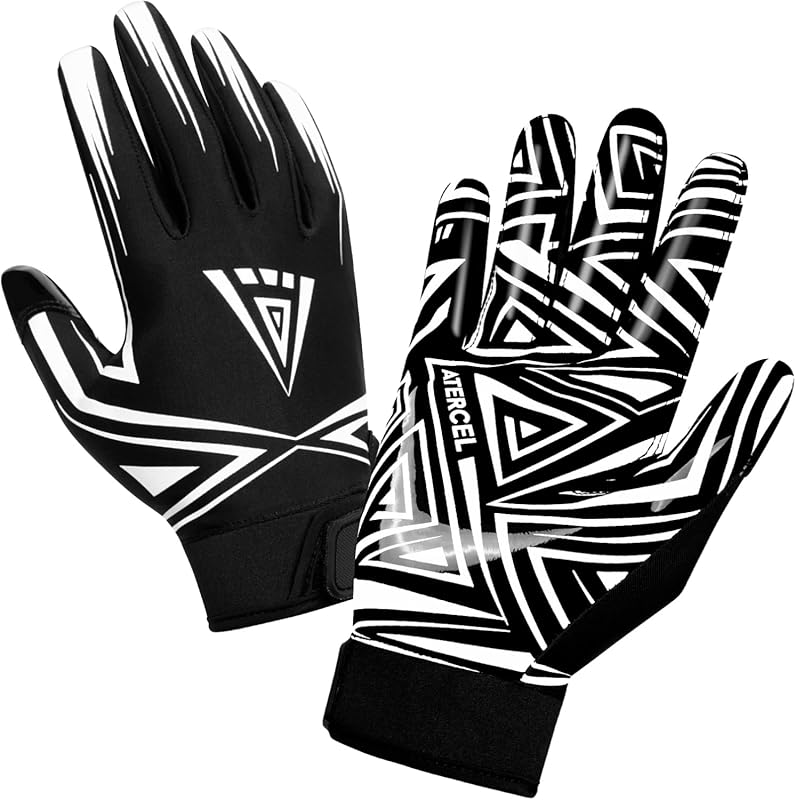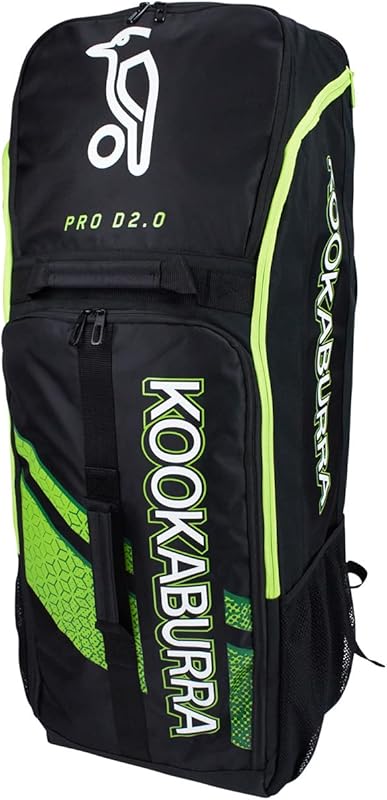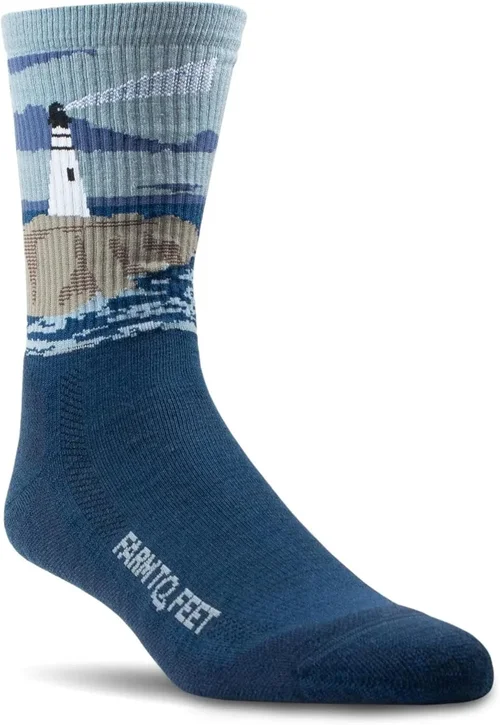
When it comes to outfitting yourself for outdoor adventures, fitness goals, or competitive sports, choosing the right sporting goods store can make all the difference—especially in a place like Cheyenne, Wyoming. Nestled in the heart of the American West, Cheyenne offers a unique blend of rugged terrain, wide-open spaces, and a strong culture of outdoor recreation. Whether you’re gearing up for a weekend hunting trip in the Medicine Bow Mountains, training for a marathon along the Cheyenne Greenway, or simply looking to stay active with your family, having access to high-quality, reliable sporting goods is essential. But with so many options—both locally and online—it’s easy to feel overwhelmed. That’s where this expert buying guide comes in.
This comprehensive guide is designed to help you navigate the sporting goods landscape in Cheyenne, Wyoming, with confidence and clarity. We’ll walk you through the key factors to consider when shopping, compare different types of stores and product categories, highlight common pitfalls to avoid, and provide actionable tips to get the best value for your money. Whether you’re a seasoned outdoorsman, a weekend warrior, or a parent buying gear for your kids’ Little League team, this guide will equip you with the knowledge to make smart, informed decisions. By the end, you’ll know exactly what to look for, where to shop, and how to maximize your investment—no matter your budget or activity level.
The sporting goods market in Cheyenne is a dynamic mix of national chains, local specialty shops, and online retailers. Stores like Dick’s Sporting Goods and Scheels offer broad selections and competitive pricing, while local outfitters such as Cheyenne Guns & Archery and Wyoming Outdoor Traders cater to niche interests like hunting, fishing, and western-style recreation. Meanwhile, the rise of e-commerce has made it easier than ever to compare prices and access reviews from across the country. However, the convenience of online shopping doesn’t always outweigh the benefits of in-person service, expert advice, and immediate availability—especially when you’re preparing for a time-sensitive trip or event. Understanding the strengths and limitations of each shopping option is crucial to finding the right gear at the right price.

What to Look for When Buying Sporting Goods
1. Budget & Price Range
One of the first and most important factors to consider when buying sporting goods is your budget. Cheyenne offers a wide range of options, from budget-friendly big-box stores to premium specialty shops, so knowing how much you’re willing to spend will help narrow your choices. A common mistake is either overspending on features you don’t need or underspending on gear that won’t last. For example, a $50 pair of hiking boots might seem like a great deal, but if they fall apart after two trail hikes, you’ll end up spending more in the long run. Conversely, dropping $300 on top-tier boots for casual weekend walks may be overkill.
To set a realistic budget, start by identifying your primary use case. Are you buying gear for occasional recreation, regular training, or professional-level performance? Next, research average price points for the items you need. Use online tools like Google Shopping or PriceGrabber to compare prices across retailers. Don’t forget to factor in additional costs such as shipping (for online orders), taxes, and potential accessories like socks, cleaning kits, or protective cases. In Cheyenne, local sales tax is 6%, so that’s an important consideration when comparing in-store vs. online prices.
2. Performance Specifications
Performance specs are the technical details that determine how well a piece of gear will perform under real-world conditions. These vary widely depending on the sport or activity, but they’re critical for ensuring safety, comfort, and effectiveness. For example, if you’re buying a tent for camping in the Laramie Mountains, you’ll want to check its waterproof rating (measured in millimeters), wind resistance, and weight. A tent rated for 3,000mm will handle light rain, but one rated for 5,000mm or higher is better for Cheyenne’s unpredictable mountain weather.
Other examples include the draw weight and let-off percentage of a compound bow for archery, the grip size and string tension of a tennis racket, or the shock absorption and arch support of running shoes. Always match the specs to your skill level and environment. A beginner hiker doesn’t need the same level of technical performance as a thru-hiker attempting the Continental Divide Trail. When shopping in Cheyenne, don’t hesitate to ask store staff for spec sheets or demonstrations—many local shops pride themselves on their expertise and are happy to help.
3. Build Quality & Durability
Durability is especially important in Cheyenne, where outdoor gear is often subjected to harsh conditions—extreme temperatures, high winds, rocky terrain, and heavy use. A product’s build quality directly impacts how long it will last and how well it will perform over time. Look for materials known for strength and resilience, such as ripstop nylon for backpacks, stainless steel for cookware, and full-grain leather for boots. Avoid gear made with thin plastics, flimsy zippers, or glued seams, as these are prone to failure.
Pay attention to construction details like reinforced stitching, welded joints, and weather-resistant coatings. For example, a high-quality fishing rod will have smooth guides, a sturdy reel seat, and a blank made from graphite or fiberglass. In contrast, a cheaper rod may have rough guides that wear down your line or a weak tip that breaks under pressure. When shopping in Cheyenne, inspect items in person whenever possible. Feel the weight, check the finish, and test moving parts like zippers, buckles, and hinges.
4. Features & Functionality
Modern sporting goods are packed with features designed to enhance performance, comfort, and convenience. While some features are essential, others may be unnecessary or even distracting. The key is to focus on functionality that aligns with your specific needs. For instance, a backpack with multiple compartments, hydration compatibility, and a ventilated back panel is ideal for long hikes, but overkill for a quick trip to the gym. Similarly, a fishing reel with advanced drag systems and digital line counters is great for serious anglers, but a simple spinning reel may suffice for casual fishing at Curt Gowdy State Park.
When evaluating features, ask yourself: Does this improve my experience? Will I actually use it? Is it worth the extra cost? Avoid “feature creep”—the tendency to buy gear with more bells and whistles than you need. In Cheyenne, many local shops offer hands-on demos, so take advantage of these to test features in real time. For example, try on different types of hiking boots to see how the ankle support and cushioning feel on your feet.
5. Brand Reputation
Brand reputation matters because it reflects a company’s track record for quality, innovation, and customer service. Well-established brands like Patagonia, Columbia, Yeti, and Shimano have built their names on consistent performance and reliability. While lesser-known brands can offer great value, they may lack the same level of support or proven durability. In Cheyenne, certain brands are especially popular due to their suitability for local conditions. For example, brands like Kuhl and Mountain Hardwear are favored by outdoor enthusiasts for their rugged, weather-resistant apparel.
Research brands by reading expert reviews, checking customer feedback on sites like REI or Amazon, and asking for recommendations at local stores. Be cautious of brands that rely heavily on marketing but have limited real-world testing. Also, consider a brand’s commitment to sustainability and ethical practices—many Cheyenne residents value outdoor conservation and prefer companies that align with those values.
6. Warranty & Support
A solid warranty can save you hundreds of dollars in replacement costs and provide peace of mind. Most reputable sporting goods brands offer at least a one-year warranty against defects, but some go much further. For example, Osprey offers an All Mighty Guarantee that covers any damage, even from accidents, for the life of the pack. Similarly, Yeti provides a five-year warranty on coolers and a lifetime warranty on tumblers.
When comparing warranties, check what’s covered (manufacturing defects, normal wear and tear, accidental damage), the process for filing a claim, and whether you need to register the product. In Cheyenne, local retailers like Scheels often assist with warranty claims, making the process easier than dealing with manufacturers directly. Always keep your receipt and warranty information in a safe place.
7. Size & Portability
Size and portability are crucial for gear that you’ll be carrying, transporting, or storing. A bulky tent or heavy cooler might be fine for car camping, but it’s impractical for backpacking. Similarly, a large gym bag may be inconvenient for daily commutes. When shopping in Cheyenne, consider how and where you’ll use the item. Will you be hiking 10 miles with it on your back? Storing it in a small apartment? Traveling with it in a compact car?
Pay attention to dimensions, weight, and packability. Look for features like collapsible handles, foldable frames, and compression straps. For example, a portable camping stove that folds down to the size of a coffee mug is ideal for backpackers, while a full-sized grill is better for tailgating at Frontier Days. Always test the fit—try on backpacks, hold fishing rods, and sit in camping chairs to ensure comfort and usability.
8. User Reviews & Ratings
User reviews provide real-world insights that specs and marketing materials can’t match. They reveal how a product performs over time, how it handles edge cases, and whether it lives up to expectations. In Cheyenne, where outdoor conditions can be extreme, reviews from other Wyoming residents are especially valuable. Look for reviews that mention durability, weather resistance, and ease of use in similar environments.
Use platforms like Google Reviews, Yelp, Amazon, and REI to gather feedback. Pay attention to both positive and negative reviews—consistent complaints about a specific issue (e.g., zippers breaking, straps fraying) are red flags. Also, check the date of reviews; older reviews may not reflect current product versions. When possible, ask local shop staff if they’ve heard feedback from customers about specific products.
Different Types of Sporting Goods Stores in Cheyenne
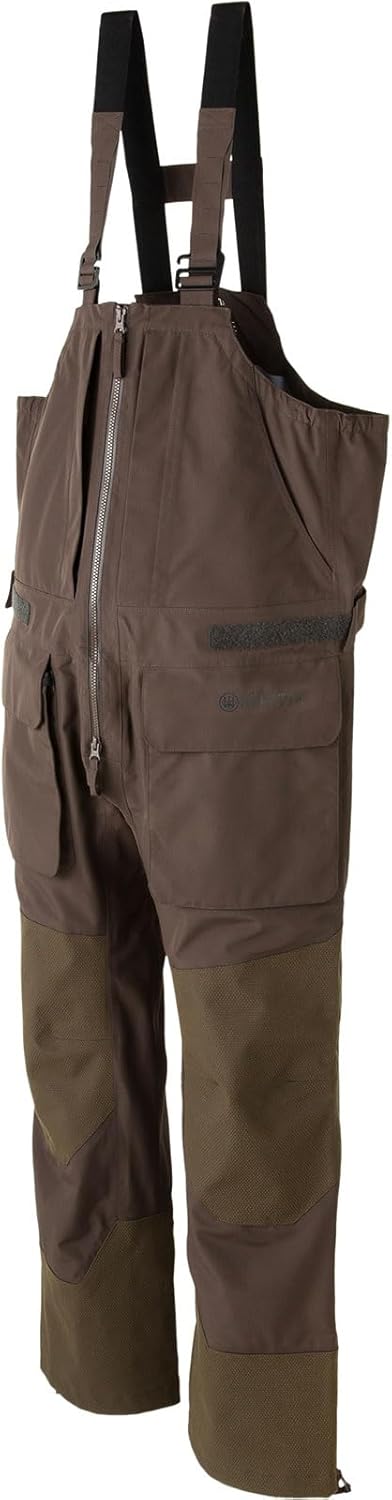
Common Buying Mistakes to Avoid
❌ Mistake: Buying Based on Brand Name Alone
Why it’s bad: Just because a brand is popular doesn’t mean it’s the best fit for your needs. Some brands charge a premium for their name without offering superior performance. You might end up overpaying for gear that doesn’t meet your specific requirements.
What to do instead: Research multiple brands and compare specs, reviews, and prices. Focus on performance and value, not just reputation. In Cheyenne, local shops can help you find lesser-known brands that perform just as well as the big names.
❌ Mistake: Ignoring the Return Policy
Why it’s bad: If gear doesn’t fit, perform, or meet your expectations, you need a way to return or exchange it. Stores with strict return policies can leave you stuck with unusable items.
What to do instead: Always check the return policy before buying. Look for stores that offer at least 30 days to return items, preferably with no restocking fee. In Cheyenne, Scheels and Dick’s both have generous return policies, while some small shops may be more limited.
❌ Mistake: Overlooking Seasonal Needs
Why it’s bad: Cheyenne experiences four distinct seasons, and gear that works in summer may fail in winter. Buying a lightweight tent for winter camping, for example, could be dangerous.
What to do instead: Consider the season and weather conditions when selecting gear. Look for items rated for four-season use or invest in season-specific equipment. Local outfitters can advise on what’s suitable for Wyoming’s climate.
❌ Mistake: Skipping the Test Fit
Why it’s bad: Shoes, backpacks, helmets, and clothing need to fit properly to be safe and comfortable. Buying online without trying them on increases the risk of poor fit.
What to do instead: Whenever possible, try before you buy. Visit Cheyenne stores to test footwear, adjust backpack straps, and check helmet sizing. If buying online, choose retailers with free returns.
❌ Mistake: Focusing Only on Price
Why it’s bad: The cheapest option isn’t always the best value. Low-cost gear may break quickly, require frequent replacement, or lack essential features.
What to do instead: Consider the total cost of ownership, including durability, warranty, and performance. A mid-range item that lasts five years is often a better investment than a cheap one that fails in six months.
❌ Mistake: Not Researching Local Conditions
Why it’s bad: Gear that works in mild climates may not hold up in Cheyenne’s high altitude, strong winds, or rapid weather changes. A tent rated for light rain might not survive a Wyoming thunderstorm.
What to do instead: Research local weather patterns and terrain. Ask local experts or check online forums for recommendations. Choose gear designed for similar environments.
❌ Mistake: Buying Too Much at Once
Why it’s bad: It’s tempting to buy everything you think you’ll need, but this can lead to overspending and unused gear. You might discover you prefer different activities than you expected.
What to do instead: Start with the essentials and build your collection over time. Rent or borrow gear for new activities before committing to a purchase. In Cheyenne, some shops offer rental programs for camping and hunting equipment.
Budget Guidelines: How Much Should You Spend?
Setting a budget for sporting goods depends on your activity level, frequency of use, and personal priorities. Here’s a breakdown of what to expect at different price tiers:
- Entry-Level ($20 – $100): Ideal for beginners or occasional use. Expect basic functionality, lighter materials, and shorter lifespans. Examples include budget hiking boots, entry-level tennis rackets, or simple camping stoves. Great for kids’ sports or trying out a new hobby.
- Mid-Range ($100 – $300): The sweet spot for most buyers. Offers a balance of quality, features, and durability. You’ll find reliable brands, better materials, and improved performance. Examples include mid-tier backpacks, compound bows, or running shoes with good cushioning.
- Premium ($300 – $800): For enthusiasts and regular users who demand high performance and longevity. Features advanced materials, superior craftsmanship, and specialized functions. Examples include high-end fishing rods, technical climbing gear, or professional-grade fitness equipment.
- Luxury ($800+): Top-tier gear for professionals or serious collectors. Often includes custom options, premium materials, and cutting-edge technology. Examples include custom-fitted hunting rifles, expedition-grade tents, or limited-edition outdoor apparel.
Expert Tips for Getting the Best Deal
- Shop During Sales Cycles: Major sales occur around holidays (Memorial Day, Labor Day, Black Friday) and season changes. In Cheyenne, stores often run promotions during Frontier Days in July.
- Use Price Matching: Many local stores, including Scheels, offer price matching. Bring a competitor’s ad or show a lower online price to get the same deal in-store.
- Join Loyalty Programs: Sign up for rewards programs at Dick’s, REI, or local shops. Earn points, get exclusive discounts, and receive early access to sales.
- Buy Used or Refurbished: Check out secondhand shops, Facebook Marketplace, or REI Used Gear for high-quality items at a fraction of the cost.
- Bundle Purchases: Some stores offer discounts when you buy multiple items together, like a tent and sleeping bag combo.
- Ask for Student or Military Discounts: Many retailers offer 10-15% off with valid ID. Always ask—it’s free money!
- Check for Local Events: Cheyenne hosts outdoor expos and gear swaps where you can find deals and meet fellow enthusiasts.
- Negotiate at Small Shops: Unlike big chains, local stores may be willing to negotiate, especially on high-ticket items like bows or firearms.

Frequently Asked Questions
Q: What’s the best time of year to buy sporting goods in Cheyenne?
A: The best times are late summer (August) for winter gear and late winter (February) for summer equipment. Stores clear inventory to make room for new stock, offering discounts up to 50% off.
Q: Should I buy online or in-store in Cheyenne?
A: It depends. In-store shopping lets you test gear and get expert advice, which is invaluable for items like boots or bows. Online shopping offers better selection and prices, but check return policies carefully.
Q: Are local Cheyenne shops more expensive than national chains?
A: Not necessarily. While some specialty items may cost more, local shops often match online prices and offer personalized service that adds value.
Q: How do I know if a product is suitable for Wyoming’s climate?
A: Look for gear rated for four-season use, high wind resistance, and UV protection. Ask local staff or check reviews from Wyoming users.
Q: Can I return online purchases to a Cheyenne store?
A: It depends on the retailer. Dick’s and Scheels allow in-store returns for online orders, but Amazon and others may require shipping back.
Q: What’s the best way to store sporting goods in Cheyenne’s dry climate?
A: Use breathable storage bags, avoid plastic containers that trap moisture, and store gear in a cool, dry place. Silica gel packs can help prevent mold.
Q: Are there outdoor gear rental options in Cheyenne?
A: Yes, some local outfitters and REI offer rentals for camping, climbing, and hunting gear. This is a great way to try before you buy.
Q: How important is brand reputation when buying in Cheyenne?
A: Very important, but not the only factor. Reputable brands offer better warranties and support, which is crucial in remote areas where replacement parts may be hard to find.
Q: What should I do if my gear breaks while on a trip?
A: Carry a basic repair kit (duct tape, zip ties, needle and thread) and know how to use it. For serious issues, contact the manufacturer or visit a local shop upon return.
Q: Are there eco-friendly sporting goods options in Cheyenne?
A: Yes. Look for brands like Patagonia, Cotopaxi, or REI Co-op that use recycled materials and sustainable practices. Some local shops also carry eco-conscious lines.
Our Final Recommendations
- Best for Budget-Conscious Buyers: Dick’s Sporting Goods – Offers a wide range of affordable gear with frequent sales and price matching.
- Best Overall Value: REI Co-op – Combines quality, sustainability, and member benefits with expert staff and a generous return policy.
- Best Premium Option: Scheels – High-end selection with in-store experts, especially strong in hunting, fishing, and outdoor apparel.
- Best for Beginners: Local secondhand shops or REI Used Gear – Low-cost way to try new activities without a big investment.
- Best for Advanced Users: Wyoming Outdoor Traders – Specializes in high-performance gear for serious hunters, anglers, and outdoorsmen.
Conclusion: Making the Right Choice
Choosing the right sporting goods in Cheyenne, Wyoming, doesn’t have to be overwhelming. By focusing on your needs, budget, and the unique demands of the local environment, you can make smart, confident decisions that enhance your outdoor experiences. Remember to prioritize quality over price, test gear whenever possible, and take advantage of local expertise and seasonal sales. Whether you’re exploring the trails of Vedauwoo or training for a race at Lions Park, the right gear will make all the difference.
Use this guide as your roadmap—compare stores, read reviews, and don’t rush the process. Investing time upfront will save you money and frustration down the road. And most importantly, get out there and enjoy what Cheyenne has to offer. The mountains, rivers, and open skies are waiting.