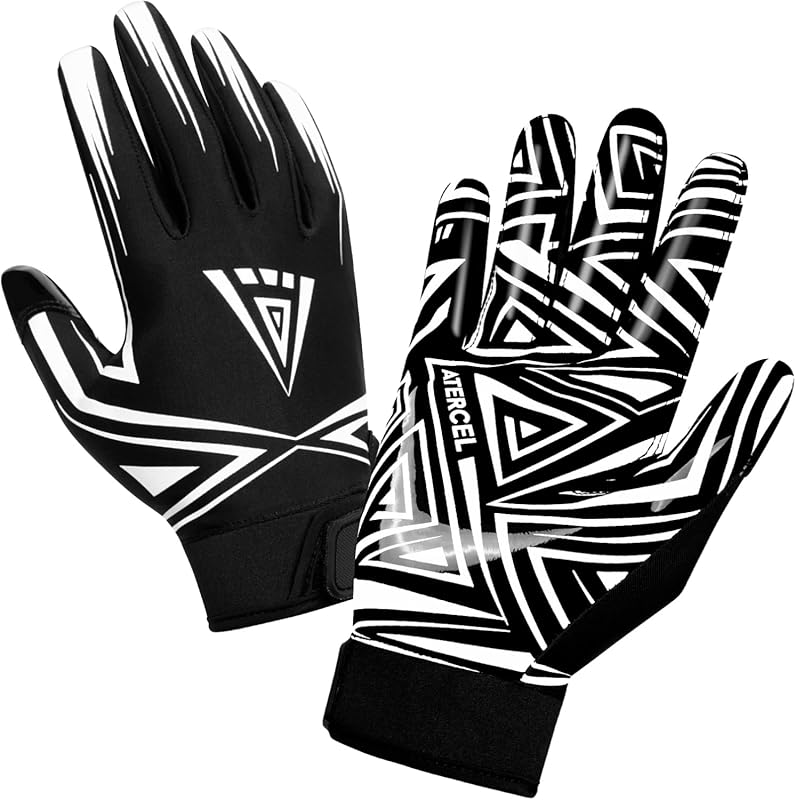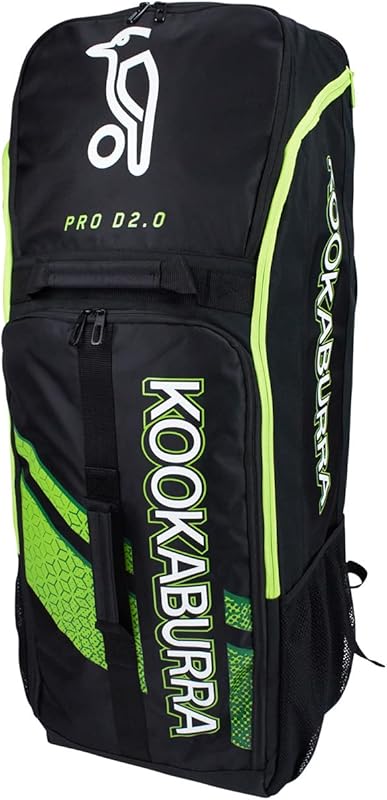
When it comes to finding the right sporting goods store in Spokane, Washington, the options can feel overwhelming. Whether you’re gearing up for a weekend hike in the Palouse, training for a local 5K, or equipping your kids for youth soccer, choosing the right retailer makes all the difference. With a mix of national chains, local specialty shops, and outdoor-focused retailers, Spokane offers a surprisingly robust market for athletes, adventurers, and fitness enthusiasts alike. But not all stores are created equal—some excel in customer service, others in product selection, and a few stand out for their deep community roots and expert knowledge.
This comprehensive guide is designed to cut through the noise and help you make informed decisions when shopping for sporting goods in the Spokane area. Whether you’re a seasoned athlete, a weekend warrior, or a parent buying your child’s first pair of cleats, this guide will walk you through everything you need to know. From understanding key factors like price, quality, and return policies to comparing store types and avoiding common pitfalls, we’ve got you covered. By the end, you’ll have a clear roadmap to find the best sporting goods store—or stores—that match your needs, budget, and lifestyle.
Spokane’s sporting goods landscape reflects the city’s active culture. Nestled between mountains, rivers, and forests, the region attracts outdoor lovers, runners, cyclists, climbers, and team sports participants year-round. This demand has fostered a diverse retail environment, ranging from big-box stores like Dick’s Sporting Goods and REI to independent outfitters such as Mountain Gear and local favorites like The Sportsman’s Warehouse. Each brings something unique to the table, whether it’s competitive pricing, expert advice, or access to hard-to-find gear. Understanding how these stores differ—and what they offer—is essential to getting the most value from your purchase.
What to Look for When Buying Sporting Goods
1. Budget & Price Range
One of the first things to consider when shopping for sporting goods is your budget. Prices can vary dramatically depending on the sport, brand, and quality of the equipment. For example, a beginner’s tennis racket might cost $50, while a professional-grade model can exceed $200. Similarly, hiking boots range from $80 for entry-level options to over $300 for high-performance, waterproof models designed for rugged terrain.
Spokane stores cater to a wide range of budgets. Big-box retailers often offer frequent sales and clearance sections, making them ideal for cost-conscious shoppers. Meanwhile, specialty stores may carry premium brands with higher price tags but superior performance and durability. It’s important to set a realistic budget before you start shopping and stick to it—while also leaving room for unexpected needs like protective gear or accessories.
2. Performance Specifications
Not all sporting goods are built the same. Performance specs—such as weight, material, flexibility, and design—can significantly impact your experience. For instance, a lightweight carbon-fiber road bike will perform far better on long rides than a heavier steel-frame model. Similarly, running shoes with proper arch support and cushioning can prevent injuries and improve endurance.
When evaluating performance, consider your skill level and intended use. A recreational cyclist doesn’t need the same level of gear as a competitive racer. Spokane’s outdoor retailers often have staff who can explain technical details and help you match equipment to your goals. Don’t hesitate to ask questions about materials, construction, and intended use. For example, if you’re buying a tent for backpacking in the nearby Selkirk Mountains, you’ll want one that’s lightweight, waterproof, and easy to set up.
3. Build Quality & Durability
Durability is crucial, especially for gear that will face harsh conditions. A cheap pair of hiking boots might save you money upfront, but if they fall apart after one season, you’ll end up spending more in the long run. Look for reinforced stitching, high-denier fabrics, rust-resistant hardware, and reputable manufacturing standards.
In Spokane, where outdoor activities often involve exposure to rain, snow, and rough terrain, investing in durable gear pays off. Stores like Mountain Gear and REI carry brands known for their longevity, such as Patagonia, The North Face, and Osprey. These retailers often provide detailed product descriptions and may even offer in-store demonstrations or trials. Always check warranty information—many high-quality products come with lifetime guarantees or repair programs.
4. Features & Functionality
Modern sporting goods are packed with features designed to enhance performance, comfort, and safety. For example, cycling helmets now include MIPS (Multi-directional Impact Protection System) technology to reduce rotational forces during impacts. Fishing rods may feature sensitive tips for detecting subtle bites, while GPS watches offer heart rate monitoring, route tracking, and weather alerts.
When comparing products, prioritize features that align with your needs. A casual jogger might not need a GPS watch with altitude tracking, but a trail runner exploring the Dishman Hills would benefit from it. Spokane stores often carry a range of feature-rich options, so take time to explore what’s available. Some retailers even allow you to test products in-store—like trying on skis at a demo day or testing a kayak paddle at a local lake event.
5. Brand Reputation
Brand reputation matters because it reflects consistency, innovation, and customer satisfaction. Well-established brands like Nike, Adidas, Columbia, and Yeti have earned trust through years of reliable products and strong customer support. However, lesser-known or niche brands can also offer excellent value, especially in specialized categories like rock climbing or fly fishing.
In Spokane, you’ll find a healthy mix of mainstream and boutique brands. Local outfitters often carry regional favorites or emerging labels that cater to Pacific Northwest lifestyles. Don’t dismiss smaller brands outright—many are founded by athletes who design gear based on real-world experience. Reading reviews and asking store staff for recommendations can help you identify trustworthy brands, even if they’re not household names.
6. Warranty & Support
A solid warranty is a sign that a manufacturer stands behind its product. Look for warranties that cover defects, normal wear, and sometimes even accidental damage. For example, many outdoor gear companies offer lifetime warranties on backpacks and tents, allowing free repairs or replacements. Some Spokane stores also provide in-house repair services or partner with local technicians.
Customer support is equally important. If something goes wrong, you want a store that responds quickly and fairly. National chains may have standardized policies, while local shops often offer more personalized service. Before making a purchase, ask about return windows, repair options, and whether the store honors manufacturer warranties. This can save you time and money if issues arise down the line.
7. Size & Portability
Size and portability matter, especially for gear you’ll be carrying or transporting. A bulky camping stove might be fine for car camping, but it’s impractical for backpacking. Similarly, a full-sized treadmill takes up significant space and isn’t ideal for small apartments. Consider where and how you’ll use your equipment.
In Spokane, where many residents enjoy both urban and wilderness activities, portability is a common concern. Stores often highlight compact or foldable designs, especially for travel-friendly items like portable grills, collapsible kayaks, or lightweight camping chairs. If you’re unsure about fit, ask if the store offers sizing guides or in-person fittings—many do, particularly for footwear and apparel.
8. User Reviews & Ratings
User reviews provide real-world insights that specs and marketing materials can’t match. They reveal how a product performs over time, whether it fits as expected, and if it’s worth the price. Platforms like Google, Yelp, and specialized forums (like Mountain Project for climbers) are great resources.
In Spokane, many sporting goods stores encourage customers to leave feedback, and some even display reviews in-store or online. Pay attention to recurring comments—if multiple reviewers mention poor stitching or uncomfortable fit, it’s likely a genuine issue. However, also consider the context: a review from someone using gear in extreme conditions may not apply to casual users. Balance online feedback with in-store testing whenever possible.
Different Types of Sporting Goods Stores in Spokane

Common Buying Mistakes to Avoid
❌ Mistake: Buying Based Solely on Price
Why it’s bad: The cheapest option isn’t always the best value. Low-cost gear often uses inferior materials, lacks essential features, and may need replacing sooner. This leads to higher long-term costs and potential safety risks.
What to do instead: Focus on cost per use. A $200 pair of boots that lasts five years is better value than a $60 pair that fails after one season. Compare warranties, reviews, and expected lifespan before deciding.
❌ Mistake: Ignoring Fit and Comfort
Why it’s bad: Ill-fitting gear can cause blisters, discomfort, or even injury. Shoes that are too tight, helmets that don’t sit properly, or backpacks with poor weight distribution can ruin your experience.
What to do instead: Always try before you buy, especially for footwear and apparel. Many Spokane stores offer fitting services or allow returns if the fit isn’t right. For online purchases, check sizing charts and read fit-related reviews.
❌ Mistake: Overlooking Return Policies
Why it’s bad: If a product doesn’t work out, a strict return policy can leave you stuck with unusable gear. Some stores charge restocking fees or only offer store credit.
What to do instead: Read the fine print before purchasing. Look for stores with generous return windows (30+ days), free returns, and clear policies. REI, for example, offers a one-year return policy for members.
❌ Mistake: Not Researching Before Buying
Why it’s bad: Impulse buys often lead to regret. Without research, you might miss better alternatives, overlook key features, or end up with gear that doesn’t suit your needs.
What to do instead: Spend time reading reviews, watching demos, and talking to experts. Spokane’s outdoor community is active—join local Facebook groups or attend store-hosted clinics to learn from experienced users.
❌ Mistake: Choosing the Wrong Store Type
Why it’s bad: Buying climbing ropes at a big-box store might save money, but you’ll miss out on expert advice and certified safety gear. Conversely, paying premium prices for basic soccer balls at a specialty shop is unnecessary.
What to do instead: Match the store to your needs. Use big-box stores for general items, specialty shops for technical gear, and local stores for personalized service.
❌ Mistake: Neglecting Maintenance and Care
Why it’s bad: Even the best gear degrades without proper care. Dirty hiking boots, unwashed athletic wear, and unmaintained bikes can shorten lifespan and reduce performance.
What to do instead: Follow manufacturer care instructions. Many Spokane stores offer maintenance workshops or sell cleaning kits. Regular upkeep extends product life and keeps you safe.
❌ Mistake: Forgetting About Accessories
Why it’s bad: Accessories like hydration packs, gloves, or bike lights are often essential but easily overlooked. Skipping them can limit functionality or compromise safety.
What to do instead: Make a checklist before shopping. Ask store staff for recommended add-ons. Some Spokane retailers bundle accessories at a discount.
Budget Guidelines: How Much Should You Spend?
Setting a budget for sporting goods depends on your activity level, frequency of use, and personal priorities. Here’s a breakdown of what to expect at different price tiers:
- Entry-Level ($20–$100): Ideal for beginners or occasional users. Expect basic functionality, simpler designs, and shorter lifespans. Great for kids’ sports, casual workouts, or trying a new activity. Stores like Dick’s Sporting Goods and Play It Again Sports offer solid options in this range.
- Mid-Range ($100–$300): The sweet spot for most buyers. Products in this tier balance quality, features, and affordability. You’ll find durable materials, better performance, and reliable warranties. This range works well for regular hikers, weekend cyclists, and amateur athletes. REI and local shops carry many mid-tier brands.
- Premium ($300–$600): For enthusiasts and serious participants. These items use advanced materials, cutting-edge technology, and superior craftsmanship. Expect longer warranties, expert support, and enhanced performance. Ideal for competitive runners, backcountry skiers, or dedicated climbers. Mountain Gear and specialty boutiques specialize in this category.
- Luxury ($600+): Top-tier gear for professionals or those who demand the best. Includes custom fittings, limited editions, and ultra-lightweight or high-performance designs. Think carbon-fiber racing bikes, expedition-grade tents, or pro-level fishing rods. These are available at select Spokane retailers and often require special ordering.
Expert Tips for Getting the Best Deal
Smart shopping goes beyond just finding the lowest price. Here are proven strategies to maximize value when buying sporting goods in Spokane:
- Shop During Off-Seasons: Buy winter gear in spring and summer equipment in fall. Stores clear inventory to make room for new stock, offering discounts up to 50% off.
- Join Store Loyalty Programs: REI Co-op, Dick’s MVP, and Mountain Gear’s rewards program offer member discounts, early access to sales, and annual dividends. These can save you hundreds over time.
- Compare Online and In-Store Prices: Use apps like Honey or CamelCamelCamel to track price history. Some Spokane stores match online prices—ask at checkout.
- Attend Local Events and Demos: Stores often host free clinics, gear swaps, and demo days. These events let you test products, meet experts, and sometimes win discounts.
- Negotiate on Big-Ticket Items: For purchases over $200, especially at independent shops, polite negotiation can lead to free accessories or minor price reductions.
- Check for Student, Military, or First Responder Discounts: Many retailers offer 10–15% off with valid ID. Always ask—even if it’s not advertised.
- Buy Last Year’s Models: New gear releases often mean last year’s versions go on sale. The differences are usually minor, but the savings can be significant.
- Use Cashback and Credit Card Rewards: Pair store discounts with cashback apps (like Rakuten) or credit cards that offer rewards on retail purchases.
Frequently Asked Questions
Q: What’s the best sporting goods store in Spokane for outdoor gear?
A: For outdoor enthusiasts, REI and Mountain Gear are top choices. REI offers a wide selection, expert staff, and a generous return policy. Mountain Gear, headquartered in nearby Spokane Valley, specializes in climbing, skiing, and backpacking gear with deep regional expertise. Both stores host workshops and community events.
Q: Can I return sporting goods if they don’t fit or work?
A: Most Spokane stores accept returns within 30 days, provided the item is unused and in original packaging. REI allows returns for up to one year for members. Always keep your receipt and check the store’s policy before buying.
Q: Are there stores in Spokane that offer gear rentals?
A: Yes! Stores like Mountain Gear, REI, and The Ski Locker offer rentals for skis, snowboards, kayaks, and camping equipment. This is a great way to try before you buy or save money for occasional use.
Q: Where can I find affordable kids’ sports equipment?
A: Play It Again Sports specializes in gently used gear at low prices. Dick’s Sporting Goods and local thrift stores also carry affordable options. Many schools and leagues host gear swaps at the start of each season.
Q: Do Spokane stores price-match online retailers?
A: Some do. Dick’s Sporting Goods and REI have price-matching policies for identical items from major online competitors. Bring proof of the lower price (like a screenshot) to the store.
Q: What’s the best time of year to buy sporting goods in Spokane?
A: Late winter (February–March) is ideal for buying winter sports gear on clearance. Late summer (August–September) offers deals on camping and hiking equipment. Holiday weekends like Memorial Day and Labor Day also feature major sales.
Q: Are there stores that offer custom fittings?
A: Yes. Running specialty shops like Fleet Feet Spokane provide gait analysis and shoe fitting. Bike shops like River City Cycles offer professional bike fits. These services improve comfort and performance.
Q: Can I buy sporting goods online and pick them up in Spokane?
A: Absolutely. Most major retailers—including Dick’s, REI, and Sportsman’s Warehouse—offer buy-online, pick-up-in-store options. This saves shipping costs and lets you inspect items before taking them home.
Q: Are there eco-friendly sporting goods options in Spokane?
A: Yes. REI and Mountain Gear carry sustainable brands like Patagonia and Cotopaxi. Look for products made from recycled materials, organic cotton, or with fair-trade certifications. Some stores also offer gear repair services to extend product life.
Q: What should I do if my gear breaks under warranty?
A: Contact the store where you purchased it or the manufacturer directly. Bring your receipt and describe the issue. Many brands offer free repairs or replacements. Spokane stores like REI often assist with warranty claims.
Our Final Recommendations
After evaluating selection, service, pricing, and community impact, here are our top picks for sporting goods shopping in Spokane:
- Best for Budget-Conscious Buyers: Play It Again Sports – Offers high-quality used gear at a fraction of retail price. Perfect for kids, beginners, or those testing a new sport.
- Best Overall Value: REI Co-op – Combines wide selection, expert staff, member benefits, and a generous return policy. Ideal for outdoor adventurers and fitness enthusiasts.
- Best Premium Option: Mountain Gear – Spokane’s go-to for technical outdoor gear. Carries top-tier brands and offers in-house repairs, rentals, and expert advice.
- Best for Beginners: Dick’s Sporting Goods – User-friendly layout, helpful staff, and frequent sales make it easy for newcomers to find what they need without overwhelm.
- Best for Advanced Users: Local Specialty Shops (e.g., The Ski Locker, River City Cycles) – These stores offer deep expertise, custom fittings, and access to niche or high-performance equipment.
Conclusion: Making the Right Choice
Choosing the right sporting goods store in Spokane isn’t just about finding the cheapest price—it’s about matching your needs with the right retailer. Whether you’re scaling peaks in the Cascades, playing pickup basketball at Riverfront Park, or teaching your child to ride a bike, the gear you choose impacts your safety, enjoyment, and success. By considering factors like budget, quality, fit, and support, and by avoiding common pitfalls, you can make confident, informed decisions.
Spokane’s sporting goods market is rich with options, from national chains to beloved local shops. Each has its strengths, and the best approach is often to use multiple stores depending on your needs. Don’t hesitate to ask questions, test products, and take advantage of community resources. Remember, the right gear doesn’t have to be the most expensive—it just has to be the right fit for you.
So get out there, explore your options, and gear up with confidence. Whether you’re hitting the trails, the court, or the gym, Spokane has everything you need to play, perform, and thrive.