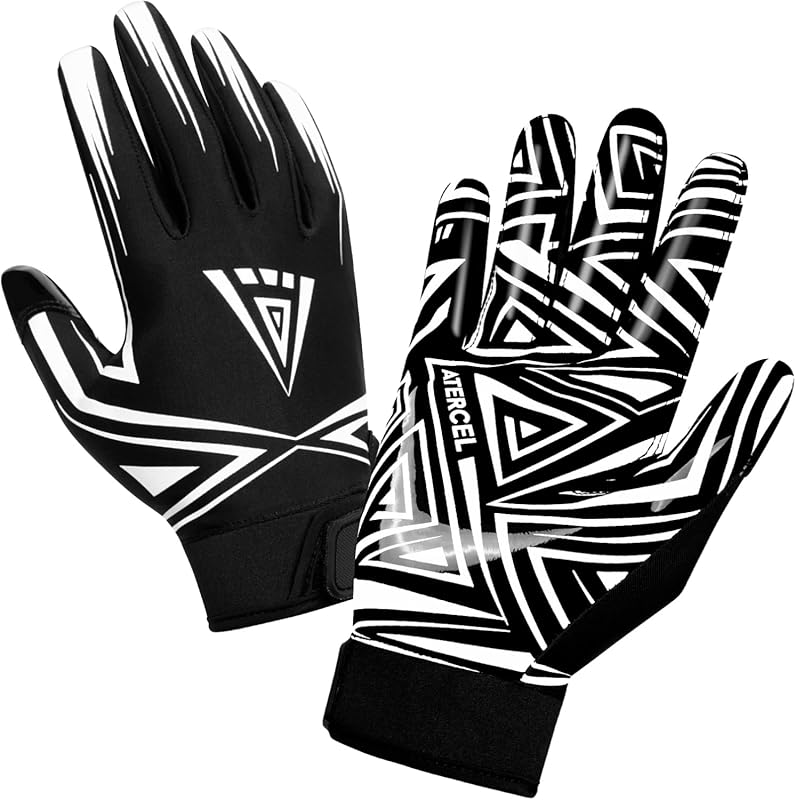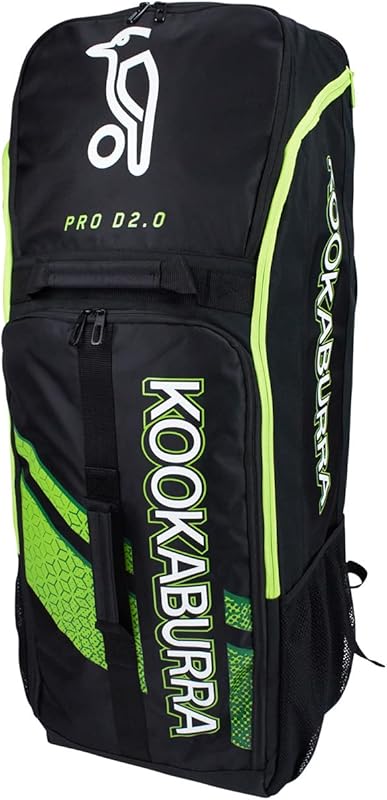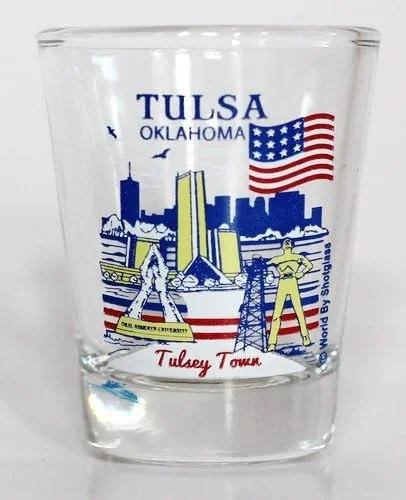
If you’re an outdoor enthusiast, weekend warrior, or competitive athlete in Tulsa, Oklahoma, finding the right sporting goods store can make all the difference in your performance, safety, and overall enjoyment. Whether you’re gearing up for a round of golf at Mohawk Park, prepping for a fishing trip on Lake Keystone, or training for a marathon along the Arkansas River Trail, having access to quality equipment from a knowledgeable retailer is essential. With a growing number of sporting goods stores in Tulsa—ranging from national chains to local specialty shops—it’s easy to feel overwhelmed by the options. That’s why this comprehensive buying guide exists: to help you navigate the landscape, make informed decisions, and find the best gear for your needs without overspending or settling for subpar products.
This guide is designed for everyone from first-time buyers to seasoned athletes who want to upgrade their equipment. You’ll learn how to evaluate stores based on key factors like product selection, pricing, customer service, and return policies. We’ll also break down the different types of sporting goods retailers available in Tulsa, highlight common pitfalls to avoid, and offer expert tips to help you get the most value for your money. Whether you’re shopping for hiking boots, tennis rackets, cycling gear, or team sports equipment, this guide will equip you with the knowledge to choose wisely.
Tulsa’s sporting goods market is surprisingly diverse. While big-box retailers like Dick’s Sporting Goods and Academy Sports + Outdoors offer broad selections and competitive prices, independent shops such as Tulsa Running Company and Backcountry Gear provide specialized expertise and curated inventories. The city’s active community—supported by parks, trails, lakes, and youth leagues—creates strong demand for everything from beginner-friendly gear to high-performance equipment. Understanding how these stores differ and what they excel at will help you match your needs with the right retailer. Let’s dive into the key factors you should consider when choosing where to shop.

What to Look for When Buying Sporting Goods in Tulsa
1. Product Selection & Specialization
One of the most important factors when choosing a sporting goods store is the breadth and depth of its inventory. A store that carries a wide range of products—from running shoes to kayaks—may seem appealing, but it might lack the specialized knowledge or high-end options you need for a specific sport. For example, if you’re a serious cyclist, you’ll want a shop that stocks performance road bikes, professional-grade components, and offers tune-up services. On the other hand, a generalist store might only carry entry-level bikes and basic accessories.
Look for stores that specialize in your sport or activity. Tulsa Running Company, for instance, focuses exclusively on running gear and offers gait analysis, custom shoe fittings, and training plans. Similarly, Backcountry Gear caters to hikers, campers, and climbers with technical apparel, GPS devices, and expert advice on backcountry safety. Specialty stores often have staff who are passionate participants in the sports they serve, which translates into better recommendations and more reliable product knowledge.
Ask yourself: Does the store carry the brands and models I’m interested in? Are they up to date with the latest gear trends? Do they offer demo equipment or trial periods? A strong selection isn’t just about quantity—it’s about relevance and quality.
2. Budget & Price Range
Your budget will naturally influence where you shop, but it’s important to understand that price doesn’t always correlate with value. Some stores may have lower sticker prices but charge extra for services like assembly, fitting, or returns. Others might offer higher upfront costs but include perks like free maintenance, extended warranties, or loyalty rewards.
In Tulsa, you’ll find options across all price tiers. Big-box retailers like Academy Sports + Outdoors often run frequent sales and carry budget-friendly lines, making them ideal for families or casual users. Mid-range stores like REI (with a nearby location in Oklahoma City) or local favorites like Tulsa Archery supply quality gear at reasonable prices. Premium shops, such as those specializing in golf or cycling, may carry higher-end brands like Titleist, Trek, or Patagonia, which come with a steeper price tag but offer superior performance and durability.
Before you shop, determine your maximum spend and prioritize must-have features over nice-to-have extras. For example, if you’re buying a fishing rod, decide whether you need a carbon fiber blank for sensitivity or if a fiberglass rod will suffice for weekend trips. Setting a budget helps you avoid impulse buys and focus on gear that truly enhances your experience.
3. Staff Knowledge & Customer Service
You can have the best gear in the world, but if no one can help you use it properly, you’re missing out. Knowledgeable staff can mean the difference between a frustrating purchase and a game-changing investment. In Tulsa, some stores pride themselves on hiring athletes and enthusiasts who live and breathe the sports they sell.
When visiting a store, observe how staff interact with customers. Do they ask questions about your experience level, goals, and usage patterns? Or do they simply point you toward the most expensive item? A good salesperson will listen first, then recommend products that match your needs—not just their commission goals.
Customer service extends beyond the sale. Look for stores that offer post-purchase support, such as free adjustments, repair services, or educational workshops. For example, Tulsa Cycling Club partners with local bike shops to host maintenance clinics, helping riders learn basic repairs. This kind of ongoing support builds trust and ensures you get the most out of your gear.
Don’t hesitate to ask questions. If a staff member can’t explain the difference between two similar products or seems unsure about sizing, that’s a red flag. The best stores empower you with information, not pressure you into a sale.
4. Build Quality & Durability
Sporting goods are an investment, and you want them to last. Whether it’s a pair of trail running shoes, a hockey stick, or a camping tent, build quality directly impacts performance and safety. Cheaply made gear may save you money upfront but can fail at critical moments—like a tent collapsing in a storm or a ski binding releasing unexpectedly.
When evaluating durability, consider materials, construction methods, and brand reputation. For example, hiking boots with Vibram soles and full-grain leather uppers are built to withstand rugged terrain, while synthetic alternatives may wear out faster. Similarly, golf clubs with forged heads and graphite shafts offer better feel and longevity than cast, steel-shafted models.
In Tulsa, stores that carry reputable brands—such as The North Face, Columbia, Callaway, or Yeti—are more likely to stock durable products. Avoid stores that primarily sell unbranded or “value” lines unless you’re certain of their quality. Reading product labels, checking warranty information, and asking about return policies can also give you insight into how confident the retailer is in their merchandise.
Remember: durability isn’t just about toughness—it’s about consistent performance over time. A well-made tennis racket should maintain its tension and balance after hundreds of serves, not just the first few matches.
5. Features & Functionality
Modern sporting goods are packed with features designed to enhance performance, comfort, and convenience. But more features don’t always mean better value. It’s easy to get dazzled by tech specs and forget what you actually need.
For example, a GPS watch with heart rate monitoring, altitude tracking, and sleep analysis might sound impressive, but if you only run 5Ks on flat terrain, you may not use half those functions. Focus on features that align with your goals. If you’re a weekend hiker, look for a backpack with adjustable torso length, hip belt pockets, and hydration compatibility—not built-in speakers or solar panels.
In Tulsa, specialty stores often highlight functional details that big-box retailers overlook. A staff member at Tulsa Kayak might explain how a sit-on-top kayak’s scupper holes improve drainage, while a general store might just list “easy to use” as a benefit. These nuances matter when you’re on the water or trail.
Test products whenever possible. Try on shoes, swing a bat, or sit in a kayak. Feel how the gear responds. Does it fit comfortably? Is it intuitive to use? Functionality should serve your experience, not complicate it.
6. Brand Reputation & Trustworthiness
Brand reputation matters—not because name recognition guarantees quality, but because established brands have a track record of innovation, customer support, and ethical practices. In Tulsa, shoppers often rely on familiar names like Nike, Adidas, Yeti, and Coleman because they’ve proven reliable over time.
However, don’t dismiss lesser-known brands outright. Some smaller companies focus on niche markets and produce exceptional gear. For example, Altra Running, known for its foot-shaped toe boxes, has gained a loyal following among ultramarathoners. Local shops may carry these emerging brands before they hit mainstream retailers.
Research brands before you buy. Read reviews, check forums, and ask other athletes in Tulsa what they use. The Tulsa Trail Runners Facebook group, for instance, is a great resource for real-world feedback on shoes and hydration packs. A trustworthy brand stands behind its products with solid warranties and responsive customer service.
Also consider the retailer’s reputation. Stores that have been in business for years, maintain clean and organized showrooms, and engage with the community (e.g., sponsoring local races or youth teams) are more likely to be reliable partners in your athletic journey.
7. Warranty & Return Policies
A generous warranty and flexible return policy can save you from buyer’s remorse. Sporting goods often require a break-in period, and what feels great in the store might not work on the trail or field. A good return policy gives you time to test gear in real conditions.
In Tulsa, most reputable stores offer at least a 30-day return window, though some go further. REI, for example, allows returns within one year for members, no questions asked. Local shops like Tulsa Archery often provide lifetime tuning on bows purchased in-store. These policies reflect confidence in their products and commitment to customer satisfaction.
Read the fine print. Some warranties cover manufacturing defects but not normal wear and tear. Others require original packaging or proof of purchase. High-end electronics, like fitness trackers or action cameras, may have limited international coverage.
If you’re buying online from a Tulsa-based store, check their shipping and return process. Can you return items in person? Is there a restocking fee? Knowing your options upfront prevents headaches later.
8. Location & Convenience
While online shopping offers convenience, there’s no substitute for seeing and trying gear in person—especially for items like shoes, helmets, or bicycles. Tulsa’s sporting goods stores are spread across the city, so consider proximity to your home, workplace, or favorite activity spots.
North Tulsa residents might prefer Academy Sports + Outdoors on Memorial Drive, while South Tulsa shoppers could visit Dick’s Sporting Goods at Woodland Hills Mall. West Tulsa has options like Tulsa Bike & Ski, which offers both retail and repair services near the river trails.
Convenience also includes store hours, parking availability, and online ordering with in-store pickup. Many Tulsa stores now offer curbside pickup, which is ideal for busy parents or those with mobility challenges. Check websites or call ahead to confirm availability and policies.
Don’t underestimate the value of a local shop you can visit regularly. Building a relationship with staff means better service, personalized recommendations, and potential discounts over time.
Different Types of Sporting Goods Stores in Tulsa

Common Buying Mistakes to Avoid
❌ Mistake: Buying Based Solely on Price
Why it’s bad: The cheapest option isn’t always the best value. Low-cost gear may lack durability, safety features, or proper fit, leading to injuries or frequent replacements. For example, a $30 pair of running shoes might cause plantar fasciitis due to poor arch support, costing you more in medical bills than a $120 pair would have.
What to do instead: Balance cost with quality and intended use. Invest in critical items like helmets, footwear, and safety equipment. Look for sales on mid-range products rather than settling for the lowest price.
❌ Mistake: Ignoring Fit and Sizing
Why it’s bad: Ill-fitting gear reduces performance and increases injury risk. A bike that’s too big or small can cause back pain or loss of control. Ski boots that don’t fit properly lead to cold feet and reduced responsiveness.
What to do instead: Always try before you buy. Use professional fitting services when available. For online purchases, check size charts and read reviews about fit. Many Tulsa stores offer free adjustments or exchanges.
❌ Mistake: Overlooking Return Policies
Why it’s bad: You might end up stuck with gear that doesn’t work for you. Some stores have strict no-return policies on opened items, especially electronics or personalized equipment.
What to do instead: Review return policies before purchasing. Choose retailers with flexible terms. If buying online, ensure you can return items locally without high shipping fees.
❌ Mistake: Choosing the Wrong Store for Your Sport
Why it’s bad: A general sporting goods store may not have the expertise or inventory for specialized needs. You could waste time and money on unsuitable products.
What to do instead: Match your activity with a store that specializes in it. Need climbing gear? Go to Backcountry Gear. Training for a triathlon? Visit Tulsa Multisport.
❌ Mistake: Skipping Research and Reviews
Why it’s bad: Impulse buys often lead to regret. Without research, you might miss better alternatives or fall for marketing hype.
What to do instead: Read expert and user reviews. Ask for recommendations in local groups like Tulsa Outdoor Adventures or OKC Cycling Forum. Compare models side by side.
❌ Mistake: Neglecting Maintenance and Care
Why it’s bad: Even the best gear degrades without proper care. Dirty bike chains, damp tents, or worn-out cleats reduce lifespan and performance.
What to do instead: Learn basic maintenance. Many Tulsa stores offer workshops or free guides. Store gear properly and clean it after use.
❌ Mistake: Forgetting About Seasonal Needs
Why it’s bad: Buying winter gear in summer (or vice versa) can mean missing out on sales or facing shortages.
What to do instead: Plan ahead. Buy off-season for discounts. Check store flyers and sign up for newsletters to catch promotions.
Budget Guidelines: How Much Should You Spend?
- Entry-Level ($20–$100): Ideal for beginners or occasional use. Expect basic functionality and materials. Great for kids’ sports, casual hiking, or backyard games. Look for sales at Academy or Walmart.
- Mid-Range ($100–$300): The sweet spot for most active Tulsans. Offers better durability, comfort, and performance. Suitable for regular runners, weekend campers, and recreational athletes. Brands like Columbia, Salomon, and Wilson fit here.
- Premium ($300–$800): For serious enthusiasts and competitive athletes. Features advanced materials, precision engineering, and professional-grade specs. Think carbon-fiber bikes, high-end golf clubs, or technical climbing harnesses.
- Luxury ($800+): Top-tier gear for professionals or collectors. Includes custom fittings, limited editions, and cutting-edge technology. Examples: Yeti coolers, Trek Supercaliber, or Titleist drivers.
Expert Tips for Getting the Best Deal
- Shop Off-Season: Buy winter coats in spring, swimsuits in fall. Stores clear inventory to make room for new stock.
- Sign Up for Loyalty Programs: Many Tulsa stores offer points, discounts, and early access to sales. Academy’s Rewards program is especially generous.
- Check for Price Matching: Dick’s and REI often match competitors’ prices. Bring proof of a lower price from another retailer.
- Attend Community Events: Stores like Tulsa Running Company host expos with demo gear, discounts, and expert talks.
- Buy Last Year’s Models: New gear releases mean discounts on previous versions. Performance differences are often minimal.
- Negotiate on Big-Ticket Items: For bikes, kayaks, or golf sets, ask if the store can throw in free assembly, accessories, or a discount.
- Use Student or Military Discounts: Many stores offer 10–15% off with valid ID. Always ask!
- Test Before You Buy: Take advantage of in-store trials. Ride a bike, shoot a bow, or try on multiple shoe models.

Frequently Asked Questions
Q: What’s the best sporting goods store in Tulsa for running shoes?
A: Tulsa Running Company is widely regarded as the top choice. They offer gait analysis, custom fittings, and carry brands like Brooks, Hoka, and Altra. Staff are runners themselves and provide personalized recommendations.
Q: Can I return used gear to Tulsa sporting goods stores?
A: It depends on the store and item. Most new items can be returned within 30–90 days if unused. Used or consignment gear typically has no returns. Always check the policy before buying.
Q: Are there stores in Tulsa that sell used sporting goods?
A: Yes. Look for consignment shops like Play It Again Sports or local Facebook Marketplace groups. Some specialty stores also buy and sell used equipment, especially for cycling and skiing.
Q: Do Tulsa stores offer equipment rentals?
A: Some do. Backcountry Gear rents camping and climbing gear. Tulsa Kayak offers kayak and paddleboard rentals for local lakes. Call ahead to reserve.
Q: How do I know if a store’s staff is knowledgeable?
A: Ask detailed questions about product features, fit, and use. A good staff member will explain clearly, not just push a sale. Check online reviews for mentions of helpful employees.
Q: What’s the best time of year to buy sporting goods in Tulsa?
A: Late winter (February–March) for spring/summer gear, and late summer (August) for fall/winter items. Post-holiday sales in January are also strong.
Q: Can I get custom-fitted gear in Tulsa?
A: Yes. Golf shops like Golf USA offer club fitting. Bike shops provide professional bike fits. Running stores analyze your stride for shoe selection.
Q: Are there eco-friendly sporting goods stores in Tulsa?
A: Backcountry Gear and REI emphasize sustainability, carrying brands like Patagonia and Cotopaxi that use recycled materials and ethical practices.
Q: Do Tulsa stores sponsor local teams or events?
A: Many do. Dick’s sponsors youth leagues, while Tulsa Cycling Club partners with shops for race support. Supporting these stores helps sustain local sports culture.
Q: What if I buy online but want to return in-store?
A: Check the retailer’s policy. Academy and Dick’s allow in-store returns for online purchases. Others may require shipping back. Confirm before ordering.
Our Final Recommendations
- Best for Budget-Conscious Buyers: Academy Sports + Outdoors – Wide selection, frequent sales, and family-friendly pricing.
- Best Overall Value: REI (Oklahoma City, but worth the trip) – Excellent quality, generous return policy, and member benefits.
- Best Premium Option: Backcountry Gear – Top-tier outdoor equipment with expert guidance and community focus.
- Best for Beginners: Dick’s Sporting Goods – Easy navigation, helpful staff, and gear for all skill levels.
- Best for Advanced Users: Tulsa Running Company – Specialized knowledge, performance gear, and training resources.
Conclusion: Making the Right Choice
Choosing the right sporting goods store in Tulsa isn’t just about finding the lowest price or the closest location—it’s about aligning your needs with a retailer that understands your sport, respects your budget, and supports your journey. Whether you’re lacing up for your first 5K or upgrading your mountain bike for the Osage Hills, the store you choose can enhance your experience, prevent injuries, and help you achieve your goals.
We’ve covered everything from product selection and staff expertise to budget planning and common pitfalls. Now it’s your turn to apply this knowledge. Start by identifying your primary activities and priorities. Visit a few stores, talk to the staff, and test the gear. Don’t rush—take advantage of return policies and seasonal sales. And remember, the best gear is the one that fits your life, not the one with the most features or the shiniest logo.
Tulsa’s sporting goods community is vibrant and supportive. By shopping locally and wisely, you’re not only investing in your own health and happiness but also contributing to a culture of activity and resilience. So get out there, explore the trails, hit the courts, and enjoy everything this city has to offer—with the right gear from the right store.