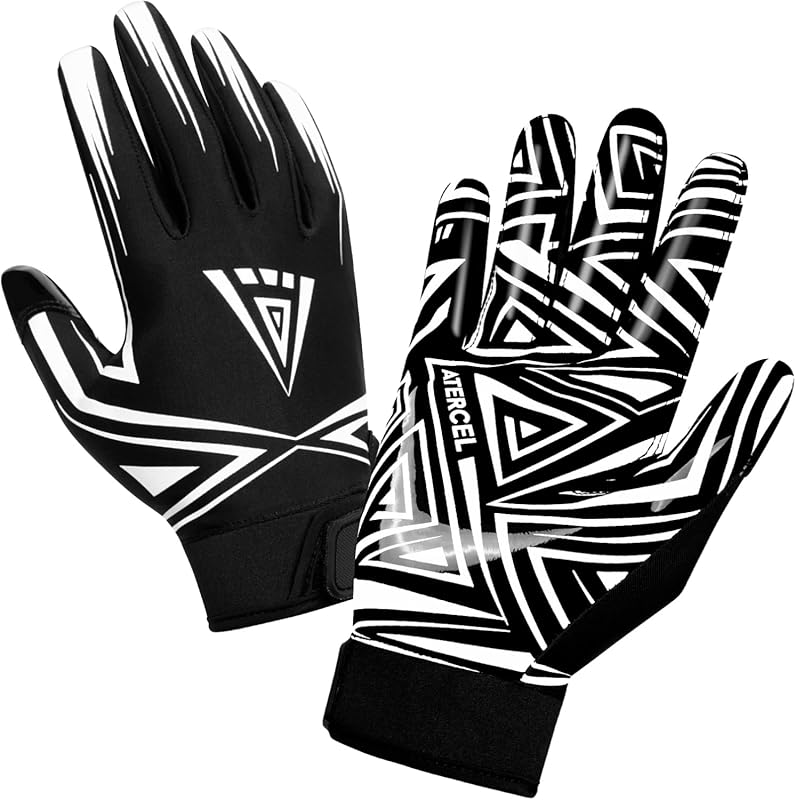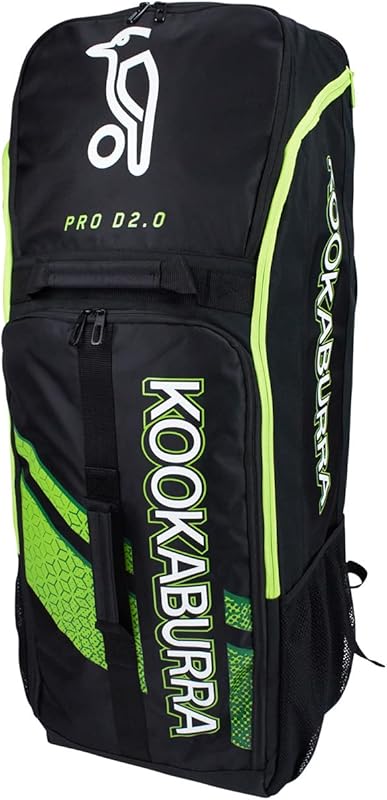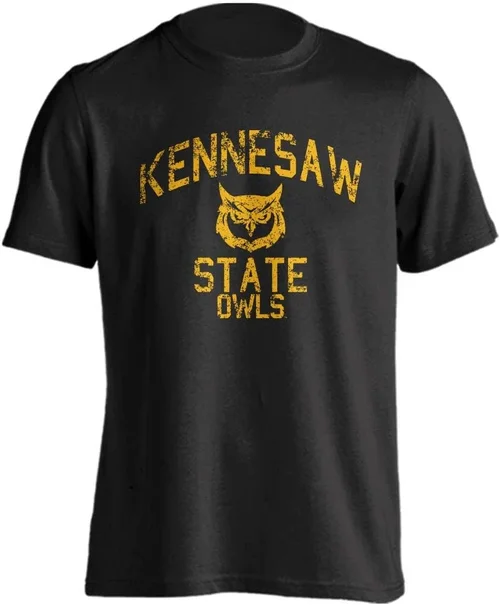
When it comes to equipping yourself for an active lifestyle, choosing the right sporting goods store can make all the difference. Whether you’re gearing up for weekend hikes, training for a marathon, joining a local soccer league, or simply looking to stay fit at home, the quality, selection, and service you receive from your local sporting goods retailer directly impacts your performance, safety, and overall enjoyment. In Kennesaw, Georgia—a vibrant suburb of Atlanta with a strong community focus on health, fitness, and outdoor recreation—residents have access to a growing number of sporting goods stores that cater to diverse athletic interests. From big-box national chains to specialized local boutiques, the options are plentiful, but not all are created equal.
This comprehensive guide is designed to help you navigate the Kennesaw sporting goods landscape with confidence. We’ll walk you through everything you need to know—from evaluating store quality and comparing product categories to avoiding common shopping pitfalls and maximizing your budget. Whether you’re a seasoned athlete, a weekend warrior, or a parent shopping for your child’s first baseball glove, this guide will equip you with expert insights and practical advice tailored specifically to the Kennesaw market. By the end, you’ll be able to make informed decisions that align with your goals, preferences, and budget.
The sporting goods industry has evolved significantly in recent years, driven by advances in materials science, increased consumer demand for sustainable products, and the rise of hybrid retail experiences that blend online convenience with in-person service. In Kennesaw, this evolution is reflected in the mix of retailers now serving the community: national giants like Dick’s Sporting Goods and Academy Sports + Outdoors offer one-stop shopping with broad inventories, while niche shops like Run Plus and local bike co-ops provide specialized expertise and curated selections. Meanwhile, online marketplaces continue to pressure brick-and-mortar stores to enhance their value proposition through personalized service, expert staff, and community engagement. Understanding how these dynamics play out locally is key to finding the right fit for your needs.

What to Look for When Buying Buying Guide
1. Budget & Price Range
Your budget is often the first and most critical factor when shopping for sporting goods. However, it’s important to view your spending not just as a cost, but as an investment in your health, safety, and performance. In Kennesaw, prices can vary widely depending on the store, brand, and product category. For example, a basic pair of running shoes might start around $50 at a discount retailer, while high-performance models from brands like Brooks or Hoka can exceed $160. Similarly, a beginner’s tennis racket may cost under $70, whereas professional-grade rackets can run over $200.
When setting your budget, consider both upfront costs and long-term value. A slightly more expensive item that lasts twice as long or performs significantly better may actually save you money over time. Also, be mindful of hidden costs—such as maintenance, accessories, or replacement parts—that can add up. For families, buying in bulk or during seasonal sales (like back-to-school or post-holiday clearances) can stretch your dollar further. Many Kennesaw stores also offer loyalty programs, student discounts, or military pricing, so always ask about available promotions.
2. Performance Specifications
Not all sporting goods are designed for the same level of performance. Whether you’re buying a carbon-fiber road bike, a moisture-wicking athletic shirt, or a set of golf clubs, understanding key performance specs ensures you get gear that matches your activity level and goals. For runners, this might mean looking at cushioning type, drop height, and weight. For cyclists, frame material, gear ratios, and wheel size matter. Even something as simple as a yoga mat has performance considerations—thickness, grip texture, and material (PVC vs. natural rubber) all affect comfort and stability.
In Kennesaw, where outdoor activities like trail running at Kennesaw Mountain National Battlefield Park or cycling along the Silver Comet Trail are popular, performance specs become even more critical. Gear that performs well in mild climates or flat terrain might not hold up on steep inclines or humid summer days. Always check manufacturer specifications and, when possible, consult with knowledgeable staff who understand local conditions. Many stores in the area employ athletes or coaches who can offer firsthand insights into what works best in the region.
3. Build Quality & Durability
Durability isn’t just about how long a product lasts—it’s about how well it maintains its functionality over time. A flimsy basketball hoop might survive a few games but could bend or break under regular use. A poorly constructed tent might keep you dry on a calm night but fail in a Georgia thunderstorm. In Kennesaw’s humid subtropical climate, materials that resist mold, mildew, and UV degradation are especially valuable.
Look for signs of quality construction: reinforced stitching on apparel, rust-resistant hardware on outdoor equipment, solid welds on metal frames, and non-slip grips on handles. Brand reputation often correlates with build quality, but don’t assume all premium brands are flawless—some prioritize style over substance. Reading detailed customer reviews (especially those mentioning long-term use) can reveal durability issues that specs alone won’t show. Additionally, many Kennesaw stores allow you to inspect items in person, so take advantage of that opportunity to assess weight, balance, and sturdiness.
4. Features & Functionality
Modern sporting goods are packed with features designed to enhance performance, comfort, and convenience. But more features don’t always mean better value—sometimes they add complexity or cost without real benefit. The key is matching features to your specific use case. For instance, a GPS-enabled fitness watch is invaluable for trail runners tracking elevation and distance, but overkill for someone who only walks the neighborhood.
In Kennesaw, where activities range from indoor gym workouts to outdoor adventures, functionality should align with your routine. If you’re into multi-sport training, look for versatile gear—like convertible hiking pants or cross-training shoes. For team sports, ensure equipment meets league regulations (e.g., NCAA-approved basketballs or USSSA-certified bats). Also consider ease of use: adjustable resistance bands, quick-release bike locks, or one-handed water bottle openers can make a big difference in daily usability. Don’t overlook ergonomics—gear that fits well and feels natural reduces injury risk and improves performance.
5. Brand Reputation
Brand reputation matters because it reflects consistency, innovation, and customer trust. Established brands like Nike, Adidas, Yeti, and Shimano have earned their status through years of reliable products and responsive customer service. However, newer or lesser-known brands can also offer excellent value—especially in niche markets like pickleball paddles or eco-friendly yoga mats.
In Kennesaw, local口碑 (word-of-mouth) plays a big role. Ask fellow gym members, coaches, or hiking group leaders which brands they recommend. Many community Facebook groups and Nextdoor forums feature active discussions about gear reliability. Also, check if brands offer local repair services or partnerships with Kennesaw retailers—this can simplify maintenance and warranty claims. While brand loyalty can be helpful, stay open-minded: sometimes a smaller brand offers comparable quality at a lower price point, especially if you’re not competing at a professional level.
6. Warranty & Support
A strong warranty is a sign that a manufacturer stands behind its product. It also provides peace of mind, especially for high-ticket items like treadmills, e-bikes, or golf clubs. Most reputable sporting goods come with at least a one-year limited warranty, but some offer extended coverage—up to 10 years for frames on bicycles or lifetime guarantees on backpacks.
When shopping in Kennesaw, ask about warranty terms: What’s covered? What voids the warranty? Is repair service available locally? Some stores, like REI (which has a strong presence nearby), offer generous return policies and in-house repair services. Others may require you to ship items back to the manufacturer, which can be inconvenient. Also, note that warranties often exclude “normal wear and tear” or damage from misuse—so read the fine print. For electronics like heart rate monitors or smart trainers, check if software updates and customer support are included.
7. Size & Portability
Whether you’re storing gear in a small apartment, transporting it in a compact car, or taking it on weekend trips, size and portability are practical considerations that affect usability. A full-size treadmill might be ideal for home workouts but impossible to move without help. A heavy-duty camping stove could be perfect for car camping but too bulky for backpacking.
In Kennesaw, where many residents enjoy both urban and outdoor lifestyles, portable gear is especially valuable. Look for foldable designs (like collapsible kayaks or compact resistance bands), lightweight materials (carbon fiber, aluminum), and modular systems that allow customization. For team sports, consider whether equipment needs to be transported to fields or gyms—lightweight bags with wheels can make a big difference. Also, think about storage: will your gear fit in your garage, closet, or trunk? Some stores offer assembly services or delivery, which can help manage large or heavy items.
8. User Reviews & Ratings
User reviews provide real-world insights that specs and marketing materials can’t match. They reveal how products perform under actual conditions, highlight common flaws, and often include photos or videos that show wear and tear over time. In Kennesaw, where community feedback is highly valued, reviews from local users can be particularly helpful—especially for region-specific activities like mountain biking on Kennesaw Mountain or fishing at Lake Acworth.
When reading reviews, focus on patterns rather than isolated complaints. If multiple users mention poor stitching on a jacket or a wobbly bike rack, that’s a red flag. Conversely, consistent praise for comfort, ease of assembly, or customer service is a good sign. Use platforms like Google Reviews, Yelp, and the retailer’s own site, but also check niche forums like Runner’s World or BikeRadar for deeper insights. Be wary of fake reviews—look for detailed, balanced feedback with specific examples.
Different Types of Buying Guide
Common Buying Mistakes to Avoid
❌ Mistake: Prioritizing Price Over Fit
Why it’s bad: Buying the cheapest option without considering fit can lead to discomfort, injury, or poor performance. For example, ill-fitting running shoes cause blisters, plantar fasciitis, or knee pain—costing you more in medical bills than you saved upfront.
What to do instead: Always try before you buy, especially for footwear, apparel, and equipment like helmets or gloves. Many Kennesaw stores offer fitting services—take advantage of them. If shopping online, check size charts carefully and read reviews about fit.
❌ Mistake: Ignoring Return Policies
Why it’s bad: Some stores have strict no-return policies on opened or used items, leaving you stuck with gear that doesn’t work for you. This is especially risky with electronics or custom-fitted equipment.
What to do instead: Before purchasing, ask about return windows, restocking fees, and conditions. Stores like REI and Dick’s typically offer generous return policies (30–365 days), while smaller shops may be more limited. Keep receipts and original packaging.
❌ Mistake: Overbuying Based on Trends
Why it’s bad: Jumping on the latest fitness trend (e.g., smart mirrors, vibration plates) without assessing your commitment can result in unused, expensive equipment cluttering your home.
What to do instead: Be honest about your consistency and goals. Rent or borrow gear first if possible. Focus on versatile, foundational items (like a good pair of shoes or resistance bands) that support multiple activities.
❌ Mistake: Neglecting Maintenance Needs
Why it’s bad: Failing to account for ongoing care—like restringing tennis rackets, cleaning fishing rods, or lubricating bike chains—can shorten a product’s lifespan and degrade performance.
What to do instead: Ask store staff about maintenance requirements and costs. Some Kennesaw shops offer tune-up services or workshops. Factor these into your total cost of ownership.
❌ Mistake: Skipping Expert Advice
Why it’s bad: Relying solely on online reviews or marketing claims can lead to mismatched purchases. For example, a “beginner-friendly” kayak might still be too heavy or unstable for a first-time paddler.
What to do instead: Consult knowledgeable staff, especially at specialty stores. Many Kennesaw retailers employ coaches, trainers, or experienced athletes who can guide you based on your skill level and local conditions.
❌ Mistake: Buying for One Season Only
Why it’s bad: Purchasing gear suited only for summer or winter limits year-round use and increases long-term costs. For instance, a summer-only bike won’t handle fall trail rides.
What to do instead: Choose versatile, all-season equipment when possible. Look for adjustable features (like layering-compatible jackets or multi-terrain tires) that adapt to changing conditions.
❌ Mistake: Overlooking Local Community Resources
Why it’s bad: Missing out on local knowledge, group discounts, or rental programs can mean paying more or getting subpar advice.
What to do instead: Join Kennesaw-based fitness groups, attend store-hosted clinics, or check city recreation department offerings. Many stores partner with local leagues for member discounts.
Budget Guidelines: How Much Should You Spend?
– Entry-Level ($20 – $75): Ideal for casual users, kids, or trying a new activity. Expect basic functionality and shorter lifespan. Examples: beginner yoga mats, recreational basketballs, entry-level running shoes. Great for testing interest before upgrading.
– Mid-Range ($75 – $200): The sweet spot for most active individuals. Offers good quality, durability, and performance without premium pricing. Examples: mid-tier road bikes, quality hiking boots, reliable fitness trackers. Best value for regular use.
– Premium ($200 – $500): For serious enthusiasts and competitive athletes. Features advanced materials, precision engineering, and enhanced comfort. Examples: carbon-fiber tennis rackets, high-end trail running shoes, professional-grade camping tents.
– Luxury ($500+): Top-tier gear for professionals or collectors. Includes cutting-edge technology, bespoke customization, and elite branding. Examples: e-bikes, smart home gyms, limited-edition athletic wear. Justified only if performance or status is critical.

Expert Tips for Getting the Best Deal
– Shop During Off-Seasons: Buy winter gear in spring and summer equipment in fall. Stores clear inventory to make room for new stock, offering discounts up to 50% off.
– Use Price Matching: Many Kennesaw retailers (like Dick’s and Academy) match competitors’ prices. Bring proof from online or local ads to save instantly.
– Join Loyalty Programs: Sign up for store rewards cards to earn points, get early access to sales, and receive exclusive coupons. Free to join and often includes birthday discounts.
– Check for Local Events: Stores frequently host demo days, athlete appearances, or community runs with special promotions. Follow their social media for updates.
– Bundle Purchases: Buying a complete set (e.g., racket + balls + bag) often costs less than individual items. Ask about package deals.
– Inspect Floor Models: Display items are usually discounted at season’s end. They’re new but may have minor cosmetic flaws—perfect if function matters more than looks.
– Ask About Open-Box or Refurbished: Gently used or returned items sold at reduced prices. Often come with full warranties and are indistinguishable from new.
– Negotiate for Big-Ticket Items: On expensive gear like treadmills or e-bikes, polite negotiation can yield free delivery, assembly, or accessory bundles.
Frequently Asked Questions
Q: What’s the best sporting goods store in Kennesaw for running shoes?
A: Run Plus on Barrett Parkway is highly recommended for runners. They offer gait analysis, expert fittings, and carry top brands like Brooks, Saucony, and Hoka. Their staff includes experienced runners who understand local terrain and climate.
Q: Can I return used sporting goods in Kennesaw?
A: It depends on the store. Dick’s Sporting Goods accepts returns within 30 days with receipt, even if used, as long as items are in resellable condition. Academy Sports allows returns within 60 days. Always check the policy before buying.
Q: Are there stores in Kennesaw that rent sporting equipment?
A: Yes! REI (in nearby Atlanta) and some local outfitters offer rentals for camping, climbing, and cycling gear. The City of Kennesaw Recreation Department also rents kayaks and paddleboards for use at Lake Acworth.
Q: How do I know if a product is safe for my child?
A: Look for age recommendations, safety certifications (like ASTM or CPSC), and avoid small parts for young children. Staff at family-friendly stores like Dick’s or Play It Again Sports can help assess suitability.
Q: Do Kennesaw stores offer assembly services?
A: Many do—especially for large items like treadmills, basketball hoops, or grills. Dick’s and Academy often provide delivery and setup for a fee. Ask at checkout.
Q: What’s the best time of year to buy sporting goods in Kennesaw?
A: Post-holiday (January–February) and back-to-school (July–August) are prime sale periods. Also watch for Memorial Day and Labor Day weekend promotions.
Q: Can I test equipment before buying?
A: Absolutely. Most stores allow you to try shoes, grips, or apparel. Some, like local bike shops, offer test rides. Always ask—it’s your right as a customer.
Q: Are there eco-friendly sporting goods options in Kennesaw?
A: Yes. Brands like Patagonia, prAna, and Cotopaxi offer sustainable products. Stores like REI and smaller boutiques often highlight eco-conscious lines. Look for recycled materials and ethical certifications.
Q: What if my gear breaks under warranty?
A: Contact the store or manufacturer with your receipt. Most will repair, replace, or refund. Keep records and act quickly—warranties often have time limits for claims.
Q: How do I choose between online and in-store shopping?
A: Buy online for convenience, price comparison, and reviews. Shop in-store for fit, immediate availability, and expert advice. Many stores now offer “buy online, pick up in-store” for the best of both.
Our Final Recommendations
– Best for Budget-Conscious Buyers: Play It Again Sports – Offers high-quality used gear at half the price of new, perfect for kids or casual use.
– Best Overall Value: Dick’s Sporting Goods (Kennesaw location) – Combines wide selection, frequent sales, knowledgeable staff, and strong return policy.
– Best Premium Option: Run Plus – Unmatched expertise in running and endurance sports, with top-tier products and personalized service.
– Best for Beginners: Academy Sports + Outdoors – Friendly staff, clear signage, and affordable entry-level gear make it ideal for newcomers.
– Best for Advanced Users: Local bike and ski shops (e.g., Bike Link, Alpine Ski Shop) – Specialize in high-performance equipment and offer tuning, repairs, and pro advice.
Conclusion: Making the Right Choice
Choosing the right sporting goods store in Kennesaw isn’t just about finding the lowest price—it’s about aligning your purchase with your lifestyle, goals, and values. By considering factors like budget, performance, durability, and support, you can avoid common pitfalls and invest in gear that truly enhances your active life. Whether you’re hitting the trails at Kennesaw Mountain, shooting hoops at the community center, or training for your first triathlon, the right equipment makes all the difference.
Remember, the best store for you is the one that listens to your needs, respects your budget, and helps you feel confident in your choices. Don’t rush—take time to compare options, ask questions, and test products. And don’t forget to tap into the vibrant Kennesaw fitness community for advice and support. Your journey to better health and performance starts with the right gear, and now you have the knowledge to get it right.
So go ahead—step into that store, lace up those shoes, and get moving. Your best athletic self is waiting.