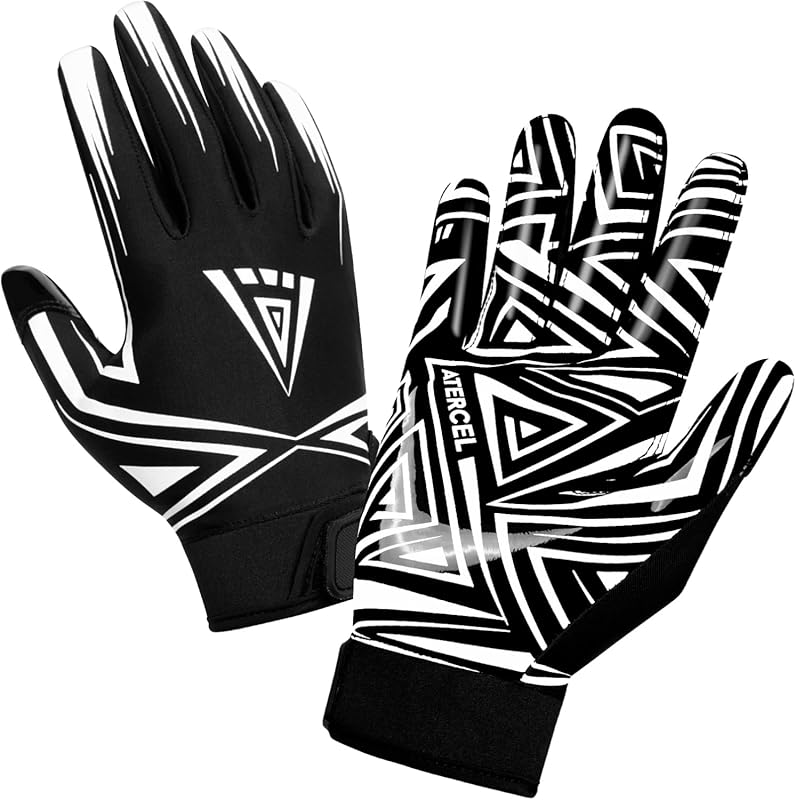
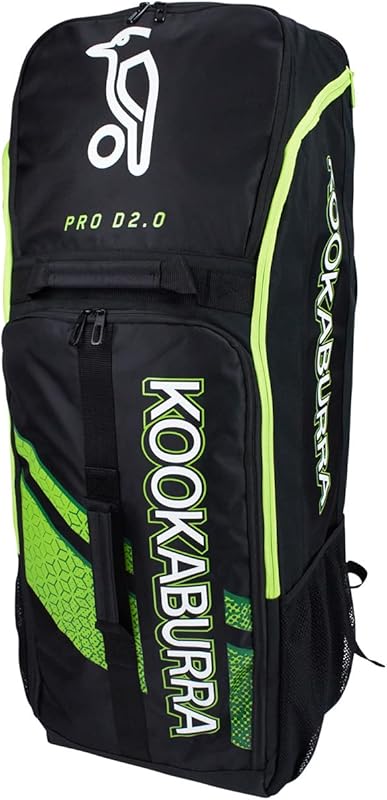
If you’re an outdoor enthusiast, weekend warrior, or just getting started with a new sport, finding the right sporting goods store in Boise can make all the difference. Whether you’re gearing up for a backcountry ski trip in the Sawtooths, preparing for a round at Hillcrest Country Club, or simply looking for reliable running shoes for your daily jog along the Boise River Greenbelt, the quality and selection of your equipment directly impact your performance, safety, and overall enjoyment. With so many options available—from big-box retailers to specialty boutiques—it’s easy to feel overwhelmed. That’s where this comprehensive buying guide comes in.
This guide is designed to help you navigate the Boise sporting goods landscape with confidence. You’ll learn how to evaluate stores based on factors like product selection, expert staff knowledge, pricing, and local community support. We’ll break down the types of stores you’ll encounter, highlight common pitfalls to avoid, and offer expert tips to ensure you get the best value for your money. Whether you’re shopping for hiking boots, fishing rods, golf clubs, or gym equipment, this guide will equip you with the knowledge to make informed decisions tailored to your needs.
The Boise market is unique. Nestled in the heart of Idaho’s Treasure Valley, the city blends urban convenience with rugged outdoor access. This means sporting goods stores here cater to a diverse range of interests—from trail running and mountain biking to fly fishing and winter sports. Major national chains like REI, Dick’s Sporting Goods, and Sportsman’s Warehouse have a presence, but local favorites such as Boise Running Company, Idaho River Sports, and Mountain Gear also play a vital role in the community. Understanding the strengths and specialties of each type of retailer will help you choose the right store for your specific sport or activity.

What to Look for When Buying Sporting Goods in Boise
1. Product Selection & Specialization
One of the most critical factors when choosing a sporting goods store in Boise is the breadth and depth of their product selection. A store with a wide range of items might seem appealing, but specialization often matters more than variety. For example, if you’re into fly fishing, a store that carries only a few rods and reels—even if it has a large general inventory—won’t serve your needs as well as a shop dedicated to angling gear.
Look for stores that align with your specific sport or activity. Boise Running Company, for instance, doesn’t just sell running shoes—they offer gait analysis, custom insoles, and host weekly group runs. Similarly, Idaho River Sports focuses exclusively on paddling, offering everything from kayaks and canoes to dry suits and river safety courses. These specialized shops often carry higher-end, performance-oriented gear that you won’t find at big-box stores.
2. Expertise & Staff Knowledge
You can have the best gear in the world, but if you don’t know how to use it properly, it’s nearly useless. That’s why the knowledge and experience of store staff are invaluable. In Boise, many sporting goods employees are not just salespeople—they’re active participants in the sports they support. A staff member at Mountain Gear might be a certified rock climbing instructor, while someone at Boise Bicycle Project could be a former competitive cyclist.
When shopping, don’t hesitate to ask detailed questions. How does this tent perform in high winds? What’s the difference between a 3-season and 4-season sleeping bag? Can this bike handle the Boise Foothills trails? A knowledgeable staffer will not only answer these questions but may also offer personalized recommendations based on your skill level, budget, and intended use.
3. Budget & Price Range
Price is always a consideration, but it shouldn’t be the only one. While it’s tempting to go for the cheapest option, especially for beginners, low-cost gear often sacrifices durability, performance, and safety. That said, you don’t need to break the bank to get quality equipment. The key is understanding what you’re paying for.
In Boise, you’ll find stores across the price spectrum. Big-box retailers like Dick’s Sporting Goods offer entry-level gear at competitive prices, ideal for casual users or kids’ sports. Mid-range stores like REI and local boutiques provide a balance of quality and affordability, often carrying reputable brands with solid warranties. High-end specialty shops may charge more, but they typically offer premium materials, advanced technology, and superior craftsmanship.
Set a realistic budget before you shop. Consider not just the upfront cost but also long-term value. A $200 pair of hiking boots that last five years is a better investment than a $80 pair that falls apart after one season.
4. Build Quality & Durability
Durability is especially important in Boise, where outdoor activities often involve rugged terrain, variable weather, and heavy use. Whether you’re backpacking in the Sawtooth National Forest or cycling the Boise Greenbelt, your gear needs to withstand real-world conditions.
When evaluating build quality, look for materials and construction details. For example, hiking boots with full-grain leather uppers and Vibram soles will outlast those made with synthetic materials and cheaper rubber. Tents with aluminum poles and ripstop nylon fabrics are more resilient than those with fiberglass poles and thin polyester.
Check stitching, zippers, buckles, and seams. Are they reinforced? Do they feel sturdy? Don’t be afraid to test items in-store—try on boots, lift backpacks, or set up a tent if possible. Many Boise stores allow customers to handle products before buying, which gives you a better sense of their quality.
5. Features & Functionality
Modern sporting goods are packed with features designed to enhance performance, comfort, and safety. But more features don’t always mean better performance—sometimes, simplicity is superior. The key is matching features to your needs.
For example, a GPS-enabled smartwatch might be overkill for a casual walker but essential for a backcountry hiker navigating remote trails. Similarly, a fishing reel with a high gear ratio and drag system is great for serious anglers but unnecessary for someone fishing at Lucky Peak Reservoir on weekends.
When evaluating features, ask yourself: Do I need this? Will it improve my experience? Can I use it effectively? Avoid “feature creep”—the tendency to buy gear with capabilities you’ll never use. Focus on functionality that directly supports your goals.
6. Brand Reputation & Reliability
Brand reputation matters. Established brands like Patagonia, The North Face, Shimano, and Yeti have built their names on consistent quality, innovation, and customer support. While lesser-known brands can offer good value, they may lack the same level of reliability or warranty service.
In Boise, many stores carry a mix of well-known and emerging brands. REI, for instance, stocks both national brands and their own high-quality house brands like REI Co-op. Local shops often support regional manufacturers, which can be a great way to discover innovative, locally made gear.
Research brands before you buy. Read reviews, check warranty policies, and ask store staff about their experiences. A reputable brand with a strong track record is more likely to stand behind its products and offer repairs or replacements if something goes wrong.
7. Warranty & Support
A good warranty is a sign that a manufacturer believes in its product. It also protects your investment. Most reputable sporting goods come with at least a one-year warranty, but some brands offer lifetime guarantees—especially on items like backpacks, tents, and cookware.
When shopping in Boise, ask about warranty terms. What’s covered? How do you file a claim? Is there a local service center? For example, REI offers a generous satisfaction guarantee and free repairs on many items. Mountain Gear provides lifetime service on gear they sell, including repairs and replacements.
Also, consider post-purchase support. Can the store help with setup, maintenance, or troubleshooting? Do they offer clinics or workshops? Stores that provide ongoing support add significant value beyond the initial sale.
8. Size & Portability
For many outdoor activities, size and portability are crucial. A bulky tent or heavy backpack can make a multi-day hike miserable. Conversely, ultralight gear might sacrifice comfort or durability.
When evaluating size and weight, think about your mode of transportation and the nature of your activity. If you’re backpacking, every ounce counts. If you’re car camping, you can afford a bit more heft. For cycling, aerodynamic and compact gear is preferable.
Many Boise stores allow you to test-pack gear. Try loading a backpack with weight and walking around. Set up a tent in the store. These hands-on experiences help you assess real-world usability.
Different Types of Sporting Goods Stores in Boise

Common Buying Mistakes to Avoid

❌ Mistake: Buying Based Solely on Price
Why it’s bad: Choosing the cheapest option often leads to poor performance, frequent replacements, and even safety risks. For example, a $50 helmet might not meet safety standards, while a $150 one could save your life in a crash.
What to do instead: Focus on value, not just cost. Consider durability, warranty, and long-term use. Invest in quality for critical items like helmets, harnesses, and footwear.
❌ Mistake: Ignoring Fit and Comfort
Why it’s bad: Ill-fitting gear can cause blisters, discomfort, and reduced performance. A backpack that doesn’t fit properly can lead to back pain on long hikes.
What to do instead: Always try before you buy. Visit stores that offer fitting services, like Boise Running Company’s gait analysis or REI’s backpack fitting station.
❌ Mistake: Overlooking Local Conditions
Why it’s bad: Gear designed for mild climates may fail in Boise’s variable weather—hot summers, snowy winters, and sudden storms in the mountains.
What to do instead: Choose gear suited to Idaho’s environment. Look for breathable fabrics for summer hikes, insulated layers for winter, and waterproof materials for river trips.
❌ Mistake: Buying Too Much at Once
Why it’s bad: Beginners often overspend on advanced gear they don’t yet need. This leads to clutter, wasted money, and frustration.
What to do instead: Start with essentials and upgrade as your skills grow. Many Boise stores offer rental programs—try before you buy.
❌ Mistake: Skipping Research
Why it’s bad: Impulse buys based on flashy displays or sales can result in poor choices. You might end up with gear that doesn’t match your needs.
What to do instead: Read reviews, ask for recommendations, and compare options. Use resources like REI’s Expert Advice or Mountain Gear’s gear guides.
❌ Mistake: Ignoring Return Policies
Why it’s bad: If gear doesn’t work out, a strict return policy can leave you stuck with unusable items.
What to do instead: Always check return and exchange policies before purchasing. REI, for example, offers a one-year satisfaction guarantee.
❌ Mistake: Not Considering Maintenance
Why it’s bad: Some gear requires regular care—like drying tents, sharpening skates, or cleaning fishing reels. Neglecting maintenance shortens lifespan.
What to do instead: Ask store staff about care instructions. Choose gear that’s easy to maintain or comes with service support.
Budget Guidelines: How Much Should You Spend?
Entry-Level ($20 – $100): Ideal for beginners or occasional use. Expect basic functionality and shorter lifespan. Great for kids’ sports, casual gym workouts, or light hiking. Look for sales at Dick’s or secondhand options at Play It Again Sports.
Mid-Range ($100 – $400): The sweet spot for most Boise residents. Offers a balance of quality, features, and durability. Brands like Columbia, Merrell, and Trek offer reliable gear in this range. Perfect for weekend adventurers and regular exercisers.
Premium ($400 – $1,200): For serious enthusiasts and frequent users. Includes advanced materials, precision engineering, and superior performance. Think high-end trail runners, technical climbing gear, or carbon-fiber bikes. Available at REI, Mountain Gear, and specialty boutiques.
Luxury ($1,200+): Top-tier gear for professionals or those who demand the best. Features cutting-edge technology, custom fittings, and lifetime warranties. Examples include custom ski boots, expedition-grade tents, or professional fishing rods. Often found at high-end outdoor retailers or by special order.

Expert Tips for Getting the Best Deal
1. Shop During Off-Seasons: Buy winter gear in spring and summer items in fall. Stores clear inventory to make room for new stock, leading to deep discounts.
2. Sign Up for Rewards Programs: REI Co-op, Dick’s, and local shops offer member discounts, early access to sales, and exclusive events.
3. Attend Local Gear Swaps: Events like the Boise Bicycle Project’s annual swap meet let you buy and sell used gear at low prices.
4. Use Price Matching: Many stores, including REI and Dick’s, will match competitors’ prices. Bring proof of a lower price online or in-store.
5. Test Before You Buy: Take advantage of in-store demos. REI offers free clinics on backpacking and cycling. Idaho River Sports lets you test kayaks on the Boise River.
6. Consider Rentals: For infrequent activities like skiing or climbing, renting can save hundreds. Mountain Gear and Boise Ski & Snowboard offer affordable rental packages.
7. Follow Local Shops on Social Media: Many Boise stores announce flash sales, new arrivals, and events on Instagram and Facebook.
8. Bundle Purchases: Some stores offer discounts when you buy multiple items—like a tent, sleeping bag, and stove together.

Frequently Asked Questions
Q: Where can I find the best running shoes in Boise?
A: Boise Running Company is the top choice for serious runners. They offer gait analysis, custom insoles, and a curated selection of performance shoes. REI and Dick’s also carry good options, but lack the personalized service.
Q: Are there stores in Boise that sell used sporting goods?
A: Yes! Play It Again Sports offers gently used gear for sports like baseball, hockey, and fitness. Boise Bicycle Project specializes in refurbished bikes and parts, with a focus on sustainability and affordability.
Q: What’s the best store for fly fishing gear in Boise?
A: Idaho River Sports is the go-to for fly fishing enthusiasts. They carry top brands like Orvis and Sage, offer casting lessons, and provide up-to-date river reports.
Q: Can I return gear if it doesn’t fit or work out?
A: Most stores have return policies, but terms vary. REI offers a one-year satisfaction guarantee. Dick’s allows returns within 90 days with a receipt. Always check the policy before buying.
Q: Do Boise stores offer repairs?
A: Yes. Mountain Gear provides lifetime repairs on gear they sell. Boise Bicycle Project offers full bike maintenance. REI has a repair center for tents, packs, and footwear.
Q: Are there outdoor gear rental options in Boise?
A: Absolutely. Mountain Gear rents backpacks, tents, and climbing gear. Boise Ski & Snowboard rents skis, snowboards, and boots. Idaho River Sports offers kayak and paddleboard rentals.
Q: What’s the best time of year to buy outdoor gear in Boise?
A: Late spring (May-June) and early fall (September-October) are ideal. Stores discount winter and summer gear to clear inventory. Black Friday also offers great deals.
Q: How do I know if a store supports the local community?
A: Look for shops that sponsor local teams, host events, or donate to conservation efforts. Boise Running Company supports youth running programs. REI funds trail maintenance through their grant program.
Q: Should I buy online or in-store?
A: In-store shopping allows you to test gear and get expert advice. Online offers convenience and often lower prices. For critical items like shoes or backpacks, in-store is best. For accessories or known brands, online can save money.
Q: What’s the best store for kids’ sporting goods?
A: Dick’s Sporting Goods has a wide selection of affordable kids’ gear. Play It Again Sports offers quality used equipment at lower prices. For bikes, Boise Bicycle Project provides safe, refurbished options.
Our Final Recommendations
Best for Budget-Conscious Buyers: Play It Again Sports or Boise Bicycle Project. Both offer high-quality used gear at a fraction of retail price, with a focus on sustainability and community.
Best Overall Value: REI Co-op. With a vast selection, expert staff, generous return policy, and member benefits, REI strikes the perfect balance between quality and affordability.
Best Premium Option: Mountain Gear. For serious outdoor adventurers, Mountain Gear offers top-tier technical gear, lifetime service, and unmatched expertise.
Best for Beginners: Dick’s Sporting Goods. With competitive pricing, wide availability, and beginner-friendly staff, Dick’s is ideal for those new to a sport.
Best for Advanced Users: Idaho River Sports or Boise Running Company. These specialty shops cater to experienced athletes with high-performance gear and personalized service.
Conclusion: Making the Right Choice
Choosing the right sporting goods store in Boise isn’t just about finding the lowest price—it’s about finding the right fit for your lifestyle, sport, and values. Whether you’re scaling the cliffs of Table Rock, paddling the Boise River, or training for a marathon, the gear you choose will shape your experience. By considering factors like product selection, staff expertise, build quality, and community support, you can make confident, informed decisions.
Remember, the best store is the one that understands your needs and helps you achieve your goals. Don’t rush the process. Visit multiple shops, ask questions, and take advantage of demos and clinics. Invest in quality where it matters, but don’t overspend on features you won’t use. And most importantly, support local businesses that give back to the Boise outdoor community.
With the insights from this guide, you’re now equipped to navigate the Boise sporting goods market like a pro. So lace up those boots, grab your gear, and get out there—Idaho’s adventures are waiting.