Most sporting good stores do not sell oxygen tanks for hikers, but they may carry portable oxygen canisters or refer you to specialty suppliers. Understanding your options and alternatives is key to safe high-altitude hiking.
Key Takeaways
- Most sporting good stores don’t sell traditional oxygen tanks: Large, refillable oxygen tanks are typically not available at general sporting goods retailers due to safety, regulatory, and storage concerns.
- Portable oxygen canisters are more common: Many stores stock disposable or rechargeable portable oxygen units designed for short-term use during hikes or altitude sickness relief.
- Specialty outdoor or medical supply stores are better sources: For serious high-altitude expeditions, visit mountaineering shops or medical oxygen providers.
- Altitude sickness prevention is more effective than treatment: Acclimatization, hydration, and gradual ascent are safer strategies than relying on oxygen tanks.
- Check local regulations before purchasing: Some regions require prescriptions or have restrictions on compressed gas containers.
- Know the difference between recreational and medical oxygen: Recreational oxygen is not FDA-approved for medical use and should not replace proper treatment for hypoxia.
- Always consult a doctor before high-altitude travel: Especially if you have heart or lung conditions, professional medical advice is essential.
Quick Answers to Common Questions
Can I buy an oxygen tank at REI?
REI does not sell traditional oxygen tanks, but they may carry portable oxygen canisters like Boost Oxygen. For full tanks, you’ll need to contact specialty suppliers.
Do I need a prescription to buy oxygen for hiking?
Recreational oxygen canisters usually don’t require a prescription. However, medical oxygen tanks often do, especially if used for health conditions.
How long does a portable oxygen canister last?
Most portable canisters provide 50–100 breaths, which is enough for a few minutes of use. They’re designed for short-term relief, not continuous support.
Is it safe to use oxygen at high altitudes?
Yes, when used properly. But it’s not a substitute for acclimatization. Always descend if symptoms worsen.
Can I take an oxygen tank on a plane?
Compressed oxygen tanks are generally not allowed on commercial flights. Portable oxygen concentrators (POCs) are permitted with airline approval.
📑 Table of Contents
- Does Sporting Good Store Sell Oxygen Tanks for Hikers?
- What Sporting Good Stores Typically Carry
- Where to Buy Oxygen Tanks for Serious Hiking
- Understanding Altitude Sickness and Oxygen Needs
- Alternatives to Oxygen Tanks for Hikers
- Safety, Regulations, and Best Practices
- Real-World Examples and Expert Insights
- Conclusion: Make Smart Choices for High-Altitude Hiking
Does Sporting Good Store Sell Oxygen Tanks for Hikers?
If you’re planning a high-altitude hike—whether it’s scaling Mount Whitney, trekking the Himalayas, or exploring the Andes—you might be wondering: Can I just walk into a sporting good store and pick up an oxygen tank for hikers? It’s a reasonable question, especially if you’ve heard stories of climbers using supplemental oxygen on Everest or other extreme peaks. But the reality is a bit more complicated.
The short answer? Most sporting good stores do not sell traditional oxygen tanks for hikers. While you’ll find a wide range of gear—from backpacks and hiking boots to GPS devices and first-aid kits—large, refillable oxygen cylinders are rarely on the shelves. That’s not because they’re unimportant, but because of logistical, legal, and safety challenges. However, that doesn’t mean you’re out of options. Many stores now carry portable oxygen canisters—smaller, lightweight units designed for short bursts of oxygen to help with fatigue or mild altitude symptoms. These are more accessible and user-friendly for the average hiker.
So, what should you know before heading out on your next high-elevation adventure? This guide will walk you through what sporting good stores actually offer, where to find real oxygen solutions, and how to stay safe when the air gets thin.
What Sporting Good Stores Typically Carry
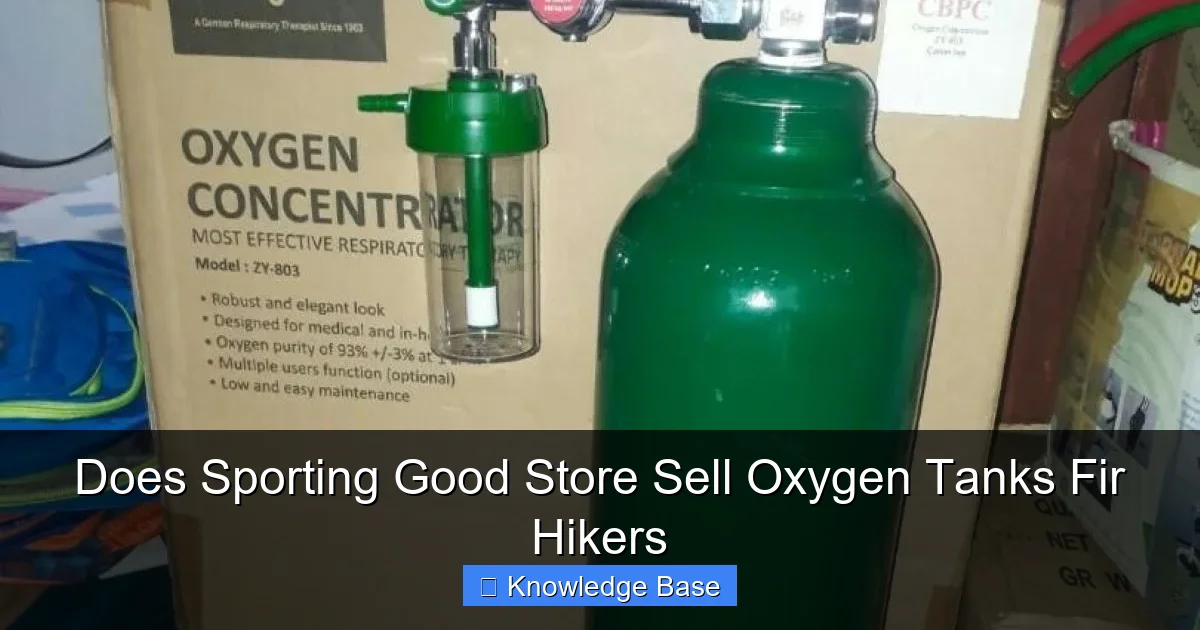
Visual guide about Does Sporting Good Store Sell Oxygen Tanks Fir Hikers
Image source: storables.com
When you walk into a major sporting good retailer like REI, Dick’s Sporting Goods, or Cabela’s, you’ll notice aisles packed with outdoor gear. But oxygen tanks? Not so much. Instead, you’re more likely to find portable oxygen canisters—sometimes called “oxygen boosters” or “altitude aid sprays.” These are small, handheld devices that release a few seconds of pure oxygen when activated.
Portable Oxygen Canisters: The Hiker’s Alternative
These canisters are usually about the size of a soda can and weigh less than a pound. They contain compressed oxygen and are designed for quick relief during short hikes or when you’re feeling winded at high elevations. Brands like Boost Oxygen, Altitude Oxygen, and O+ offer products that are widely available online and in some outdoor retail stores.
For example, Boost Oxygen sells 5-liter and 10-liter canisters that deliver about 50 to 100 breaths each. They’re marketed as aids for athletes, hikers, and even people recovering from hangovers. While they won’t keep you going for hours like a full oxygen tank, they can provide a quick energy boost or help ease mild symptoms of altitude sickness, such as headache or dizziness.
Why Full Oxygen Tanks Aren’t on the Shelves
So why don’t sporting good stores carry full-sized oxygen tanks? There are several reasons:
– Safety regulations: Compressed gas cylinders are classified as hazardous materials. Storing and selling them requires special permits, training, and secure facilities.
– Refilling logistics: Oxygen tanks need to be refilled at certified medical or industrial gas facilities. Most sporting goods stores don’t have the equipment or partnerships to offer this service.
– Limited demand: While serious mountaineers use oxygen, the average hiker doesn’t need it. Stores prioritize products with broader appeal.
– Weight and portability: Full oxygen tanks are heavy and bulky—not ideal for backpacking. Even small tanks can weigh 10–20 pounds, which is a significant burden on long treks.
Because of these factors, sporting good stores focus on lightweight, disposable alternatives that are easier to stock and sell.
Where to Buy Oxygen Tanks for Serious Hiking
If you’re planning a serious high-altitude expedition—say, climbing Denali or attempting a multi-day trek above 10,000 feet—you’ll likely need more than a portable canister. In those cases, you’ll need to look beyond your local sporting goods store.
Specialty Mountaineering and Outdoor Retailers
Some high-end outdoor retailers, especially those catering to mountaineers, do carry or can order oxygen equipment. Stores like Mountain Safety Research (MSR), Black Diamond, or even REI’s Pro Services may offer oxygen systems or can connect you with suppliers.
For example, MSR sells the MSR HyperFlow Oxygen System, a compact, refillable oxygen delivery system designed for high-altitude climbers. It includes a lightweight tank, regulator, and mask. These systems are expensive—often over $1,000—but they’re built for reliability in extreme conditions.
Medical Oxygen Providers
Another option is to contact a medical oxygen supplier. Companies like Linde, Air Liquide, or local home health providers rent or sell oxygen tanks and concentrators. However, these are typically intended for medical use and may require a prescription.
That said, some climbers use medical oxygen systems for high-altitude trips. If you go this route, make sure the equipment is compatible with your needs—portable, durable, and capable of functioning in cold temperatures.
Online Retailers and Expedition Outfitters
Websites like Amazon, Backcountry, or even specialized mountaineering sites like Expedition Gear or Alpenglow offer a range of oxygen solutions. You can find everything from portable canisters to full climbing oxygen kits.
For instance, the Topout Oxygen System is a popular choice among Everest climbers. It includes a 3-liter aluminum tank, regulator, and mask, all designed to be carried in a backpack. These systems are often rented rather than purchased, especially for one-time expeditions.
Understanding Altitude Sickness and Oxygen Needs
Before you start shopping for oxygen, it’s important to understand why you might need it in the first place. Altitude sickness—also known as acute mountain sickness (AMS)—occurs when your body doesn’t get enough oxygen at high elevations. Symptoms include headache, nausea, dizziness, fatigue, and shortness of breath.
How Altitude Affects Oxygen Levels
At sea level, the air contains about 21% oxygen. But as you go higher, the air pressure drops, which means fewer oxygen molecules reach your lungs with each breath. At 10,000 feet, for example, the effective oxygen level is roughly equivalent to 14% at sea level. At 18,000 feet, it’s closer to 12%.
Your body can adapt to these changes through a process called acclimatization. This involves producing more red blood cells, increasing breathing rate, and making other physiological adjustments. But this takes time—usually several days to a week.
When Oxygen Supplementation Helps
Supplemental oxygen can be a lifesaver in extreme conditions. On Mount Everest, climbers often use oxygen above 26,000 feet (the “death zone”), where the body can no longer acclimatize. Without it, the risk of cerebral or pulmonary edema—fluid buildup in the brain or lungs—increases dramatically.
For most hikers, however, oxygen isn’t necessary. If you ascend gradually, stay hydrated, and listen to your body, you can avoid serious altitude issues. Portable oxygen canisters can help with mild symptoms, but they’re not a substitute for proper acclimatization.
Signs You Might Need Oxygen
Consider using supplemental oxygen if:
– You experience severe headache, vomiting, or confusion at high altitude.
– You’re climbing above 12,000 feet and feeling unusually fatigued.
– You have a history of altitude sickness or underlying health conditions.
But remember: oxygen is a temporary fix. If symptoms worsen, descend immediately and seek medical help.
Alternatives to Oxygen Tanks for Hikers
Before investing in oxygen equipment, consider these safer, more practical alternatives:
Gradual Ascent and Acclimatization
The best way to prevent altitude sickness is to ascend slowly. Follow the “climb high, sleep low” rule: hike to higher elevations during the day, but sleep at lower altitudes. For every 1,000 feet above 8,000 feet, add an extra day of acclimatization.
Hydration and Nutrition
Dehydration worsens altitude symptoms. Drink plenty of water—at least 3–4 liters per day at high elevations. Avoid alcohol and caffeine, which can dehydrate you. Eat carbohydrate-rich meals to maintain energy.
Medications Like Acetazolamide (Diamox)
This prescription medication helps prevent and treat altitude sickness by speeding up acclimatization. It’s commonly used by climbers and trekkers. Talk to your doctor before using it.
Portable Hyperbaric Chambers
For serious expeditions, some teams carry portable hyperbaric chambers like the Gamow Bag. These simulate lower altitude by increasing air pressure around the body. They’re not a replacement for oxygen, but they can buy time in emergencies.
Training and Fitness
Being in good physical shape doesn’t prevent altitude sickness, but it helps your body cope with stress. Cardiovascular fitness improves oxygen efficiency, which can make high-altitude hiking easier.
Safety, Regulations, and Best Practices
Using oxygen at high altitudes isn’t just about buying the right gear—it’s about using it safely and legally.
Legal and Regulatory Considerations
In the U.S., recreational oxygen is not regulated by the FDA, but medical oxygen is. If you’re using oxygen for health reasons, you may need a prescription. Additionally, transporting compressed gas on airplanes requires compliance with FAA regulations. Most airlines allow portable oxygen concentrators (POCs) but not compressed tanks unless approved in advance.
Proper Use of Oxygen Equipment
If you do use oxygen, follow these tips:
– Use a regulator to control flow rate (usually 1–4 liters per minute).
– Wear a mask or nasal cannula properly to ensure efficient delivery.
– Monitor your oxygen saturation with a pulse oximeter if possible.
– Don’t rely on oxygen to push through severe symptoms—descend if needed.
Environmental and Ethical Concerns
Leaving oxygen tanks or canisters in the wilderness is harmful to the environment. Always pack out used containers. Some parks and climbing organizations discourage unnecessary oxygen use to reduce waste and promote self-reliance.
Real-World Examples and Expert Insights
Let’s look at a few real scenarios to understand how oxygen is used in practice.
Case Study: Hiking Mount Kilimanjaro
Mount Kilimanjaro in Tanzania reaches 19,341 feet. Most climbers do not use supplemental oxygen, relying instead on slow ascent and acclimatization. However, some tour operators offer oxygen canisters as part of their emergency kits. These are used only if a climber shows signs of severe altitude sickness.
Case Study: Everest Expeditions
On Everest, nearly all climbers use oxygen above 26,000 feet. Systems are carefully planned, with multiple tanks carried by climbers and Sherpas. Oxygen is used not just for survival but to maintain strength during summit pushes, which can take 12–18 hours.
Expert Opinion: Dr. Peter Hackett, High-Altitude Medicine Specialist
“Supplemental oxygen is a valuable tool, but it’s not a magic solution,” says Dr. Hackett, founder of the Institute for Altitude Medicine. “The best strategy is prevention through proper acclimatization. Oxygen should be reserved for emergencies or extreme climbs.”
Conclusion: Make Smart Choices for High-Altitude Hiking
So, does a sporting good store sell oxygen tanks for hikers? In most cases, no—but that doesn’t mean you’re out of luck. While full oxygen tanks are rare in retail stores, portable canisters are widely available and can provide quick relief during hikes. For serious expeditions, you’ll need to turn to specialty retailers, medical suppliers, or online outfitters.
More importantly, focus on prevention. Gradual ascent, hydration, and listening to your body are the most effective ways to stay safe at high altitudes. Oxygen should be a last resort, not a crutch.
Before your next high-elevation adventure, do your research, consult a doctor if needed, and choose the right gear for your needs. Whether you’re hiking a local peak or attempting a world-class summit, preparation and knowledge are your greatest allies.
Frequently Asked Questions
Do sporting good stores sell oxygen tanks for hikers?
Most sporting good stores do not sell traditional oxygen tanks due to safety and regulatory issues. However, they may carry portable oxygen canisters designed for short-term use.
What’s the difference between a portable oxygen canister and a full oxygen tank?
Portable canisters are small, disposable units that deliver a few breaths of oxygen. Full tanks are larger, refillable, and used for extended periods, typically in mountaineering.
Can I use medical oxygen for hiking?
Yes, but medical oxygen usually requires a prescription and may not be optimized for outdoor use. Specialized climbing oxygen systems are often a better choice.
How do I prevent altitude sickness without oxygen?
Ascend slowly, stay hydrated, avoid alcohol, and consider medications like acetazolamide. Proper acclimatization is the most effective prevention.
Are portable oxygen canisters worth it for hiking?
They can help with mild fatigue or altitude symptoms, but they’re not essential for most hikers. Use them as a supplement, not a primary strategy.
Where can I rent an oxygen tank for a climbing expedition?
Specialty mountaineering outfitters, expedition companies, and some medical suppliers offer oxygen tank rentals for high-altitude climbs.