Starting a sports retail store in 2026 begins with thorough market research and a clear niche—whether it’s fitness gear, outdoor equipment, or team sports—to stand out in a competitive landscape. Secure funding, choose a prime location or strong e-commerce platform, and build relationships with reliable suppliers to ensure quality inventory. Success hinges on blending in-store experience with digital convenience, leveraging social media, and staying ahead of athletic trends to attract loyal customers.
How to Start a Sports Retail Store in 2026
Key Takeaways
- Research your market: Identify local demand and target audience before opening.
- Choose a niche: Focus on specific sports or gear to stand out competitively.
- Secure funding: Plan startup costs and explore loans or investors early.
- Find a prime location: Pick high-traffic areas near schools, gyms, or sports fields.
- Build supplier relationships: Partner with reliable brands for quality inventory and deals.
- Leverage e-commerce: Launch an online store to expand reach and sales.
- Market strategically: Use social media and local events to attract customers.
Why This Matters / Understanding the Problem
Let’s be honest: the sports retail game has changed. Gone are the days when you could just open a store, stock some sneakers, and watch the cash roll in. In 2026, starting a sports retail store means blending passion with precision—you need a solid plan, a unique angle, and a deep understanding of what today’s athletes and fitness fans actually want.
Maybe you’ve been dreaming of opening a shop where runners can test the latest trail shoes, or a community hub where weekend warriors find gear that fits their lifestyle. That’s awesome. But here’s the truth: passion alone won’t pay the rent. The market is crowded, online competition is fierce, and customer expectations are higher than ever.
So, how to start a sports retail store in 2026? It’s not just about finding a location and ordering inventory. It’s about building a brand that resonates, choosing the right niche, and creating an experience—online and in-store—that people actually want to come back to.
I’ve seen friends try this. Some nailed it. Others closed within a year. The difference? Planning, adaptability, and a willingness to listen. Whether you’re targeting youth soccer teams, trail runners, or fitness enthusiasts, the core principles are the same. And that’s what this guide is about: giving you the real, practical roadmap to launch your dream store—without the guesswork.
By the end of this, you’ll know exactly how to start a sports retail store in 2026 with confidence, clarity, and a plan that works.
What You Need
Before we dive into the steps, let’s talk about what you’ll need—both tangible and intangible. Think of this as your starter kit for launching a successful sports retail store in today’s market.
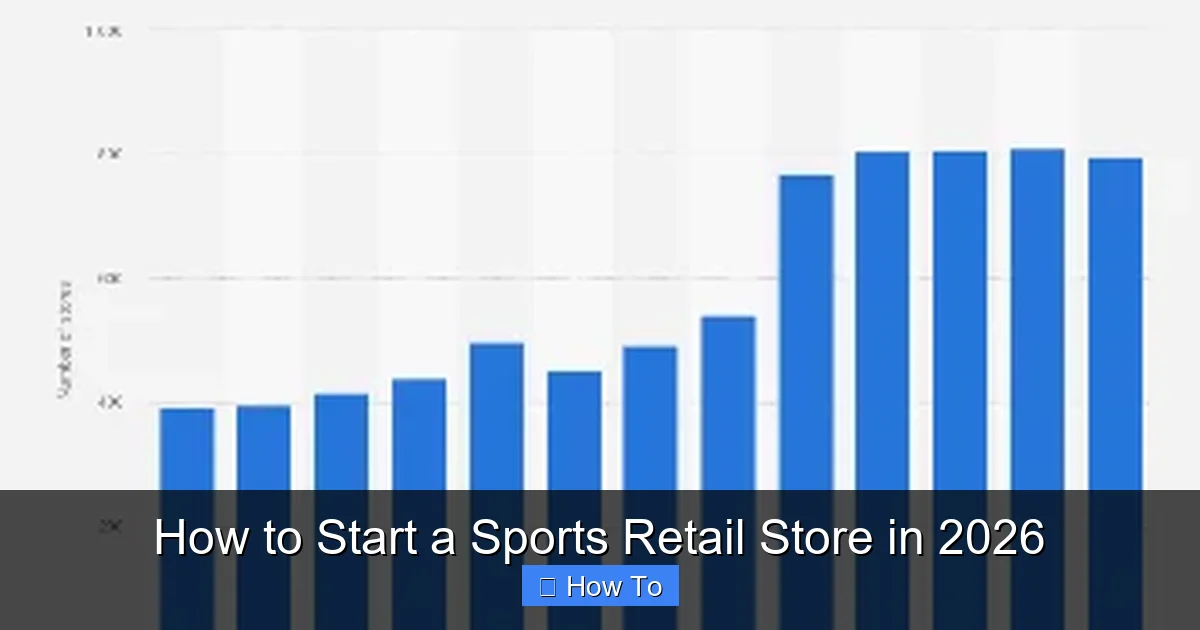
Visual guide about how to start a sports retail store
Image source: cdn.statcdn.com
Physical & Financial Essentials
- Startup capital: $50,000–$200,000 depending on size, location, and inventory. This covers rent, build-out, initial inventory, marketing, and a 6-month buffer.
- Retail space: High-visibility location near gyms, parks, or schools. Consider foot traffic, accessibility, and competition.
- Inventory: Start with a focused selection—don’t try to carry everything. Focus on 3–5 core categories (e.g., running, yoga, team sports).
- POS system: Choose a modern point-of-sale system with inventory management, CRM, and e-commerce integration (e.g., Shopify POS, Square).
- E-commerce platform: Your online store isn’t optional. It’s essential. Use Shopify, WooCommerce, or BigCommerce.
- Legal & business setup: Business license, EIN, sales tax permit, liability insurance, and possibly a DBA (Doing Business As).
Human & Strategic Needs
- Team (even if it’s just you): You’ll need staff for sales, inventory, and customer service. Passion for sports helps—customers can tell when someone truly cares.
- Supplier relationships: Build direct relationships with brands or use wholesale distributors. Look for brands that offer MAP (Minimum Advertised Price) protection and co-op marketing funds.
- Marketing plan: Social media, email, local events, and partnerships with gyms or teams.
- Community mindset: Today’s customers don’t just buy—they join. Be a place people want to be part of.
Mindset & Soft Skills
- Resilience: The first year is tough. You’ll have slow days, supply issues, and unexpected costs. Stay flexible.
- Customer obsession: Listen. Adapt. Solve problems. A single loyal customer is worth ten casual shoppers.
- Tech-savviness: You don’t need to be a developer, but you should understand online tools, data, and digital marketing.
Pro Insight: I once helped a friend open a small running store. They spent $120K on inventory before opening—only to realize 40% was wrong for their local market. Start lean. Test. Pivot. It’s cheaper and smarter.
Step-by-Step Guide to How to Start a Sports Retail Store in 2026
Step 1: Define Your Niche & Target Market
You can’t be everything to everyone. And in 2026, trying to be will kill your store before it starts.
Start by asking: Who do I want to serve? Not “everyone who plays sports.” Think specific.
- Are you focusing on youth soccer teams and their gear needs?
- Or trail runners who need hydration packs, GPS watches, and rugged shoes?
- Maybe home fitness enthusiasts buying resistance bands, kettlebells, and recovery tools?
- Or urban cyclists looking for commuter-friendly bikes and accessories?
Your niche shapes everything—your inventory, marketing, store layout, and even your name. A store called “Trailhead Outfitters” sends a different message than “City Sports Emporium.”
Once you’ve picked your niche, research your target customers:
- Where do they shop now?
- What do they complain about?
- What do they value? (Price? Quality? Expertise? Sustainability?)
- How do they discover new gear? (Social media? Word of mouth? Reviews?)
Use tools like Google Trends, Facebook Audience Insights, or even local gym bulletin boards to gather intel.
Real Talk: A store in Boulder, CO focused on trail running and outdoor recovery. They didn’t carry basketballs or tennis rackets. But they became the go-to spot for hikers and ultrarunners. Their niche became their superpower.
Step 2: Write a Lean Business Plan (Not a 50-Page Monster)
You don’t need a 50-page document. But you do need a clear, 5–7 page plan that answers the key questions.
Focus on these sections:
- Mission & Vision: Why are you doing this? What’s your long-term goal?
- Target Customer: Be specific. “25–40 year-old trail runners in Denver who train for 50K races” is better than “people who run.”
- Unique Value Proposition (UVP): Why should someone shop with you instead of Amazon or REI? Example: “We test every shoe we sell on local trails.”
- Revenue Streams: In-store sales, online sales, gear rentals, repair services, workshops, or memberships?
- Startup Costs & Funding: Itemize your budget. Include 3 months of operating expenses as a buffer.
- Marketing Strategy: How will you get your first 100 customers?
- Location & Layout: Include a rough floor plan. Where will you put fitting rooms, demo zones, and checkout?
Use this plan to guide decisions—and to show lenders or investors if you’re seeking funding.
Pro tip: Update it quarterly. The market changes. So should your plan.
Step 3: Choose the Right Location (It’s Everything)
Location isn’t just about foot traffic. It’s about alignment with your niche.
Ask yourself:
- Are there gyms, parks, or sports facilities nearby?
- Is parking easy? Is public transit accessible?
- Are there competing stores? (A little competition is good—it means demand is there.)
- Is the rent sustainable? Rule of thumb: rent should be 8–12% of projected monthly revenue.
Visit the area at different times—weekdays, weekends, mornings, evenings. Watch who walks by. Talk to local business owners. Ask: “Do you see people shopping for sports gear around here?”
Also consider:
- Visibility: Big windows? Easy-to-read signage?
- Size: You need room for inventory, fitting areas, and customer flow. 1,000–2,000 sq ft is typical for a small store.
- Build-out potential: Can you add a demo treadmill, a hydration station, or a small lounge?
Warning: Don’t fall in love with a space because it’s cheap. A $1,500/month store in a dead zone is more expensive than a $3,000/month store in a high-traffic area. Focus on ROI, not rent alone.
Step 4: Legalize Your Business & Get Permits
This part isn’t fun, but it’s essential. Skip it, and you risk fines, shutdowns, or legal trouble.
Here’s what you need:
- Choose a business structure: LLC (recommended for liability protection), sole proprietorship, or S-Corp.
- Register your business name: Check state databases for duplicates. File a DBA if using a fictitious name.
- Get an EIN: Free from the IRS. Needed for taxes, hiring, and opening a business bank account.
- Business license & permits: Required by your city/county. May include zoning permits, signage permits, and health permits (if selling food/drinks).
- Sales tax permit: Required in most states to collect and remit sales tax.
- Insurance: General liability, property, and workers’ comp (if hiring employees).
Use a service like LegalZoom or consult a local small business attorney to make sure you’re covered.
Pro tip: Set up a separate business bank account. Mixing personal and business finances is a recipe for tax nightmares.
Step 5: Build Your Brand Identity (Not Just a Logo)
Your brand is more than a name and logo. It’s the feeling people get when they interact with your store.
Ask:
- What tone do we want? Friendly? Expert? Edgy? Community-focused?
- What colors, fonts, and visuals match our niche?
- What’s our tagline? (e.g., “Gear That Moves With You”)
- What’s our story? Why did you start this store?
Create:
- A professional logo and brand guide (colors, fonts, tone)
- Store signage, packaging, and staff uniforms
- A consistent voice for social media, emails, and in-store signage
Your brand should reflect your niche. A store for elite runners might feel sleek and performance-driven. A family-friendly soccer shop might be bright, energetic, and welcoming.
And don’t forget the online brand experience. Your website, social media, and email should feel like an extension of your store.
Step 6: Source Inventory (Smartly)
Inventory is your biggest expense—and biggest risk. Buy too much, and you’re stuck with dead stock. Buy too little, and you lose sales.
Here’s how to do it right:
- Start with a curated selection: 20–30 core products per category. Focus on bestsellers and high-margin items.
- Use wholesale distributors: Companies like Intersport, Team Express, or Sport Supply Group offer access to major brands.
- Negotiate terms: Ask for net-30 or net-60 payment terms. Some brands offer consignment or return policies.
- Look for local brands: Carry products from local makers (e.g., handcrafted yoga mats, custom jerseys). It builds community and differentiates you.
- Test before you stock: Buy a few units of new products. Track sales for 30–60 days before reordering.
Use your POS system to track:
- What sells fast
- What sits on the shelf
- Profit margins per item
This data is gold. It tells you what to keep, what to drop, and what to promote.
Pro Insight: One store I know started with only 15 shoe models. They tested, learned, and expanded—only after seeing what their customers actually bought. They avoided $20K in dead inventory.
Step 7: Build Your Online Presence (It’s Not Optional)
In 2026, your store has two locations: the physical one and the digital one. And the digital one often gets more traffic.
Your online store should:
- Sync with your in-store inventory (no “out of stock” surprises)
- Offer local pickup and shipping
- Have high-quality photos and detailed product descriptions
- Include customer reviews
- Be mobile-friendly
Platforms like Shopify make this easy. You can start with a basic plan and scale as you grow.
Also build your social media presence:
- Instagram & TikTok: Great for visual content (new gear, customer photos, behind-the-scenes)
- Facebook: Good for local events, promotions, and community building
- Email marketing: Collect emails in-store and online. Send weekly updates, exclusive offers, and event invites
Pro tip: Run a “soft launch” online 1–2 weeks before your grand opening. Offer early-bird discounts to build buzz.
Step 8: Hire & Train Your Team (Even If It’s Just You)
Your staff are your front line. They represent your brand. They answer questions. They build relationships.
If you’re hiring:
- Look for people who love sports, not just those who need a job
- Prioritize customer service skills over retail experience
- Offer training on product knowledge, POS systems, and handling returns
- Create a culture of helpfulness—not hard selling
Train your team to:
- Listen more than they talk
- Offer solutions, not just products
- Remember regular customers’ names and preferences
- Handle complaints with empathy
And if you’re doing it solo? That’s okay. But plan for coverage. You’ll need time to rest, order inventory, and manage marketing.
Step 9: Launch with a Bang (Not a Whimper)
Your grand opening isn’t just a sale—it’s a celebration of your community.
Plan a launch event with:
- Free samples (e.g., energy bars, recovery drinks)
- Live demos (e.g., shoe fitting, gear testing)
- Local athlete appearances
- Giveaways (branded water bottles, hats)
- Discounts or “buy one, get one 50% off” deals
- Partnerships with gyms or sports teams (they promote you, you promote them)
Promote it everywhere:
- Social media (countdown posts, live videos)
- Local newspapers, radio, and community boards
- Email list (if you’ve built one)
- Flyers at gyms, coffee shops, and schools
And capture data: Ask for emails, follow on social media, and collect feedback.
Real Talk: One store I know invited local runners to test shoes on a 2-mile loop. They recorded it, shared it online, and got 300+ new followers in a week. Events create stories. Stories build loyalty.
Step 10: Track, Adapt, and Grow
Opening day is just the beginning. The real work starts after.
Track key metrics monthly:
- Sales by category and product
- Customer acquisition cost (CAC)
- Average order value (AOV)
- Inventory turnover rate
- Online vs. in-store sales
- Customer reviews and feedback
Use this data to:
- Adjust inventory (drop slow sellers, order more of winners)
- Refine marketing (double down on what works)
- Improve the customer experience
- Plan seasonal promotions
Also listen to your customers. Run surveys. Host focus groups. Ask: “What’s missing?” “What could we do better?”
And don’t be afraid to pivot. Maybe your yoga gear isn’t selling, but recovery tools are. Shift focus. Stay agile.
Pro Tips & Common Mistakes to Avoid
Pro Tip 1: Create a “try before you buy” zone. Let customers test shoes on a treadmill or demo a bike in a parking lot. It reduces returns and builds trust.
Pro Tip 2: Partner with local teams and gyms. Offer discounts to members. Sponsor youth leagues. It builds brand loyalty and drives traffic.
Pro Tip 3: Use data, not gut. Don’t assume what will sell. Track sales, returns, and customer feedback. Let the numbers guide you.
Common Mistake 1: Overbuying inventory. It’s tempting to order everything. But dead stock kills cash flow. Start small. Test. Expand.
Common Mistake 2: Ignoring the online store. Even if you love the in-store experience, 40–60% of sales may come online. Don’t neglect it.
Common Mistake 3: Being too generic. “We sell sports gear” doesn’t cut it. Be specific. Be memorable. Be a destination, not a warehouse.
Common Mistake 4: Underpricing. You’re not Walmart. You offer expertise, experience, and community. Price to reflect that.
FAQs About How to Start a Sports Retail Store in 2026
Q: How much money do I really need to start?
A: It depends. A small 1,000 sq ft store in a mid-sized city might need $75,000–$120,000. This includes rent, inventory, build-out, marketing, and 3–6 months of operating costs. Don’t forget a buffer—unexpected expenses happen.
Q: Can I start online-only and open a physical store later?
A: Absolutely. Many successful stores began online. It lets you test demand, build a brand, and generate revenue before taking on rent. But if your goal is a physical presence, plan for it from day one (e.g., local pickup, in-person events).
Q: How do I compete with Amazon and big chains?
A: You don’t. Instead, offer what they can’t: personalized service, expert advice, community, and experiences. A customer might buy a shoe on Amazon, but they’ll come to you for a custom fitting, a trail recommendation, or a local race group.
Q: What’s the best niche for 2026?
A: Look for growing trends: outdoor fitness, recovery tools, sustainable gear, home workouts, and youth sports. Trail running, cycling, and pickleball are hot. But the “best” niche is one you’re passionate about and that has local demand.
Q: Do I need to be a pro athlete or expert?
A: Not at all. But you do need to understand your customers’ needs. Spend time talking to athletes, reading forums, and testing gear. Passion and empathy go further than a medal.
Q: How long until I break even?
A: 12–24 months is typical. The first year is about building awareness and customer loyalty. Focus on sustainable growth, not overnight success.
Q: Should I franchise or go independent?
A: Franchises offer support and brand recognition, but they come with fees and restrictions. Independent stores have more freedom and higher profit potential. For most, starting independent—and building a unique brand—is the better path.
Final Thoughts
Starting a sports retail store in 2026 isn’t easy. But it’s possible—if you’re willing to plan, adapt, and connect with your community.
The key isn’t having the most inventory or the cheapest prices. It’s about creating a place where people feel seen, supported, and excited about their sport.
Whether you’re helping a kid find their first soccer cleat or a runner gear up for a 50-mile race, you’re not just selling gear. You’re part of their journey.
So, how to start a sports retail store in 2026? Start small. Stay focused. Listen to your customers. And don’t be afraid to ask for help.
Your store won’t be perfect on day one. And that’s okay. What matters is that you’re open, you’re learning, and you’re building something real.
Now go do it. The world needs more places where sports feel personal, local, and human.
And when you open your doors, I’ll be rooting for you.