Choose a niche and validate demand before launching your sports store in India—focus on high-growth segments like fitness gear, sportswear, or outdoor equipment to stand out in 2026’s competitive market. Secure reliable suppliers, obtain necessary licenses, and build a strong online presence to reach India’s digitally savvy consumers and ensure long-term success.
How to Start a Sports Store in India in 2026
Key Takeaways
- Research demand: Identify local sports trends and customer needs before launching.
- Secure funding: Plan startup costs and explore loans or investors early.
- Choose location wisely: Pick high-footfall areas near schools or sports centers.
- Stock smartly: Mix popular brands with niche products for diverse appeal.
- Obtain licenses: Register your business and comply with GST and local laws.
- Leverage online sales: Use e-commerce platforms to expand your reach fast.
Why This Matters / Understanding the Problem
Let’s be honest—starting a sports store in India isn’t just about selling jerseys and sneakers. It’s about tapping into a growing market fueled by rising fitness awareness, youth engagement in sports, and the government’s push for “Khelo India.” But here’s the catch: it’s not as simple as renting a shop and stocking up on footballs.
I remember when my cousin, Arjun, tried to open a cricket gear store in Pune. He had passion, a great location, and even a social media page. But within 10 months, he was struggling. Why? He underestimated the competition, overstocked niche items, and didn’t have a clear customer acquisition strategy.
That’s where **how to start a sports store in India in 2026** comes into play. This isn’t just a business idea—it’s a strategic move that requires planning, local insight, and digital savvy. Whether you’re targeting school athletes, fitness enthusiasts, or weekend warriors, success hinges on knowing the market, choosing the right niche, and delivering real value.
And 2026? It’s the perfect year. With digital payments, e-commerce growth, and a booming middle class, the timing couldn’t be better. But you’ve got to do it right.
What You Need
Before diving in, let’s talk about what you’ll need—both tangible and intangible.
- Capital: ₹10–25 lakhs (depending on size, location, and inventory). This covers rent, stock, licenses, and marketing.
- Location: High footfall areas near schools, colleges, gyms, or sports academies. Think of places like Koramangala in Bangalore or Andheri in Mumbai.
- Inventory: A mix of popular brands (Decathlon, Nivia, Cosco) and emerging Indian labels (Boldfit, Sivana). Don’t forget accessories—grips, water bottles, resistance bands.
- Licenses & Registrations: GST, FSSAI (if selling sports nutrition), MSME registration, and a shop & establishment license.
- E-commerce Platform: A website or app (or at least a presence on Flipkart, Amazon, or Meesho) is non-negotiable in 2026.
- Team: 1–2 staff members for customer service, stocking, and basic tech support.
- Digital Tools: POS system, inventory management software (like Zoho Inventory), and social media accounts.
- Passion & Patience: This is a long-term game. Don’t expect overnight profits.
Pro tip: Start small. A 500–800 sq. ft. store with a curated selection often performs better than a massive space with half-empty shelves. Focus on quality over quantity.
Step-by-Step Guide to How to Start a Sports Store in India in 2026
Step 1: Research Your Market & Choose a Niche
You can’t serve everyone. And you shouldn’t try.
When I helped my friend open a yoga and fitness store in Chennai, we spent two weeks just talking to gym-goers, yoga instructors, and PTs. We learned that most people wanted *affordable*, *eco-friendly* yoga mats and resistance bands—not the cheap plastic ones flooding the market.
Here’s how to do it:
- Pick a niche: Fitness, cricket, football, badminton, yoga, or even a combo like “indoor sports.”
- Analyze competitors: Visit 5–10 local stores. Note their pricing, bestsellers, and customer service.
- Survey potential customers: Use Google Forms or WhatsApp polls. Ask: “What do you struggle to find?” and “What would make you switch stores?”
- Check online demand: Use Google Trends and Amazon Best Sellers to see what’s trending.
For **how to start a sports store in India in 2026**, niche is king. A store focused on women’s fitness gear, for example, can stand out in a sea of male-dominated sports shops.
Pro Insight: Don’t copy others. Find a gap. Maybe there’s no store in your city selling high-quality, affordable badminton shoes. That’s your opening.
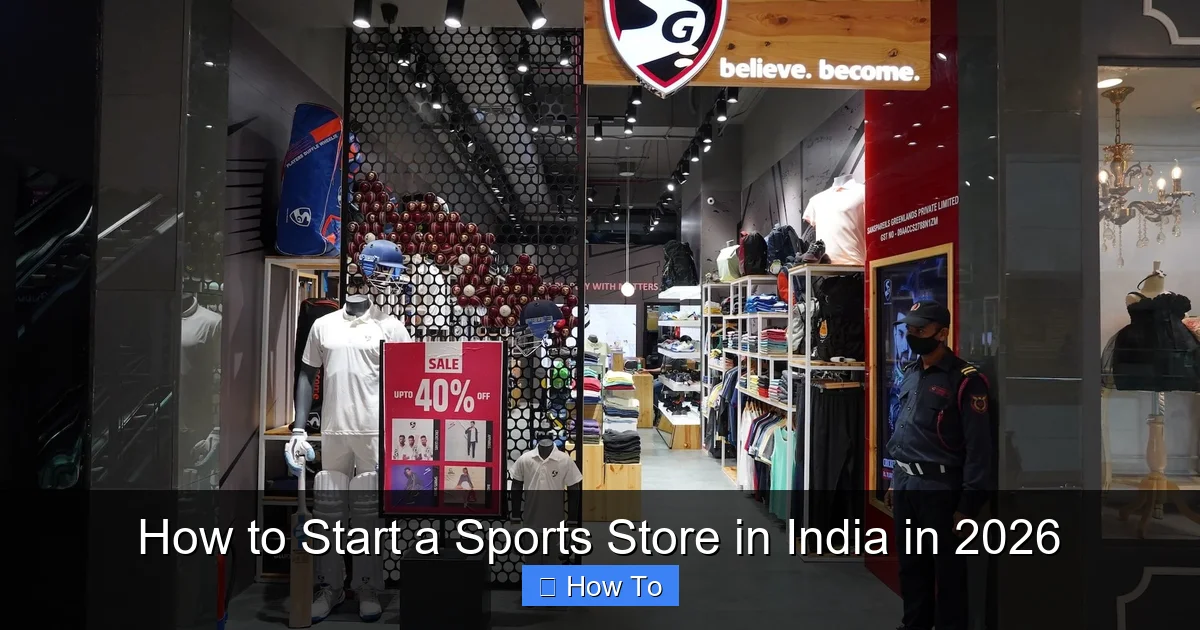
Visual guide about how to start a sports store in india
Image source: dlfmallofindia.com
Step 2: Create a Business Plan (Yes, It’s Worth It)
I know—business plans sound boring. But trust me, they’re your roadmap.
Your plan should include:
- Executive Summary: Who are you? What’s your mission?
- Target Audience: Age, income, location, interests (e.g., “urban millennials aged 20–35 who do CrossFit”).
- Revenue Model: In-store sales, online orders, workshops (e.g., “Learn to play pickleball”), or rentals (e.g., yoga mats).
- Startup Costs: Break down rent, inventory, marketing, salaries, and contingency.
- Projections: Estimate sales for Year 1. Be realistic. Aim for ₹3–6 lakhs/month initially.
- Marketing Strategy: How will you attract customers? Social media? Local events? Referral programs?
This isn’t just for banks or investors. It’s for *you*. When things get tough—and they will—this plan will keep you grounded.
Warning: Avoid “I’ll figure it out as I go” syndrome. Planning reduces costly mistakes. For example, you might realize you need a ₹50,000 POS system, not a ₹5,000 cash register.
Step 3: Register Your Business & Get Licenses
Legal stuff? Annoying, but essential.
Here’s what you need:
- Business Name: Choose something catchy and available. Check on the Ministry of Corporate Affairs (MCA) portal.
- Register as: Sole proprietorship, LLP, or Private Limited. For small stores, sole proprietorship is fine.
- GST Registration: Mandatory if turnover exceeds ₹20 lakhs (₹10 lakhs in some states). Even if not, get it—customers trust GST-registered businesses.
- FSSAI License: Required if you sell protein powders, energy bars, or any food product.
- Shop & Establishment License: Issued by your local municipal corporation.
- MSME Registration: Optional but helpful. Gives access to government schemes, loans, and subsidies.
- Trade License: Some cities require this for commercial activity.
Pro tip: Use platforms like LegalRaasta or Vakilsearch to simplify registration. Cost: ₹3,000–5,000.
For **how to start a sports store in India in 2026**, staying compliant builds trust. No one wants to buy from a “shady” shop.
Step 4: Find the Perfect Location
Location can make or break you.
Ask yourself:
- Is it near schools, colleges, or sports academies?
- Is there foot traffic? (Check during peak hours: 4–7 PM)
- Is parking available?
- Is the rent reasonable? (Aim for 10–15% of projected monthly revenue.)
- Are there complementary businesses nearby? (e.g., gyms, cafes, pharmacies)
I once saw a sports store open in a quiet residential lane. Great rent, but zero foot traffic. They closed in 6 months.
Pro Insight: Consider a “pop-up” model first. Rent a kiosk in a mall for 3 months. Test demand before committing to a long lease.
Also, think hybrid. Your store should have a strong online presence. Use the physical space for community events—like “Try Our New Running Shoes Day”—to drive both in-store and online traffic.
Step 5: Build Your Inventory (Smartly)
Don’t buy everything under the sun.
Start with:
- Core Products: 60–70% of your stock. These are bestsellers—cricket bats, footballs, running shoes, yoga mats.
- Niche Products: 20–30%. These differentiate you—e.g., eco-friendly yoga blocks, pickleball paddles, or women’s sports bras.
- Accessories: 10%. Small but high-margin—grip tapes, water bottles, headbands.
Where to source?
- Authorized Dealers: For brands like Puma, Adidas, or Nivia. You’ll get genuine products and marketing support.
- Wholesale Markets: Delhi’s Chandni Chowk, Mumbai’s Crawford Market, or online platforms like IndiaMART.
- Local Manufacturers: Support “Make in India.” Many small factories make quality gear at lower prices.
- Direct from Brands: Some Indian brands (e.g., Boldfit) allow direct orders via WhatsApp or their website.
Pro tip: Negotiate. Ask for 15–20% discount for bulk orders. Many suppliers offer 30–60 day payment terms.
Warning: Avoid counterfeit products. They might be cheaper, but they damage your reputation. In 2026, customers care about authenticity.
Step 6: Set Up Your Store & Tech Stack
Your store should be more than a shelf of products.
Think experience.
- Layout: Easy to navigate. Separate zones for cricket, fitness, footwear, etc. Use mirrors for shoe try-ons.
- Lighting: Bright, clean. Avoid dark corners.
- POS System: Use a digital system (like Zoho, Vyapar, or GoFrugal) to track sales, inventory, and customer data.
- Website: Build a simple site with Shopify, Wix, or WordPress. Include product catalog, store location, and contact info.
- E-commerce Integration: List on Flipkart, Amazon, and Meesho. Use tools like Unicommerce to sync inventory.
- Payment Options: UPI, cards, cash. Consider EMI options for high-ticket items (e.g., treadmills).
For **how to start a sports store in India in 2026**, tech isn’t optional. A customer should be able to order online, pick up in-store, and return via WhatsApp.
Pro Insight: Add a “try before you buy” section. Let customers test shoes or rackets. It builds trust and reduces returns.
Step 7: Market Your Store (Before and After Launch)
Marketing isn’t just ads. It’s about building relationships.
Here’s what works:
- Social Media: Instagram and YouTube are gold. Post reels of customers trying gear, behind-the-scenes videos, and “gear guides.”
- Local SEO: Claim your Google Business Profile. Encourage customers to leave reviews. Use keywords like “best sports store in [city]” and “sports equipment near me.”
- Community Events: Host free yoga sessions, cricket clinics, or “sports trivia nights.”
- Referral Program: Offer 10% off for every friend referred.
- Collaborations: Partner with local gyms, schools, or sports clubs. Offer discounts to their members.
- Email Marketing: Collect emails at checkout. Send monthly newsletters with new arrivals, tips, and exclusive deals.
Pro tip: Run a “Grand Opening” campaign. Offer 20% off on Day 1. Invite local influencers and press.
Warning: Don’t overspend on ads. Focus on organic growth first. In 2026, trust comes from authenticity, not flashy billboards.
Step 8: Hire & Train Your Team
Your staff are your brand ambassadors.
Look for:
- Passion for sports (not just “I need a job”)
- Customer service skills
- Basic tech skills (for POS, WhatsApp orders)
Train them on:
- Product knowledge (e.g., “This cricket bat is best for beginners”)
- Upselling (e.g., “This shoe comes with free grip tape”)
- Handling returns and complaints
- Using the POS system
Pay fairly—₹12,000–18,000/month for entry-level staff. Offer bonuses for hitting sales targets.
Pro Insight: Create a “sports trivia” quiz for staff. Reward the winner with a free gym membership. Keeps them engaged and informed.
Step 9: Launch, Listen, and Adapt
You’re open! Now what?
- Track everything: Daily sales, popular products, customer feedback.
- Ask for feedback: Use short surveys (“How was your experience?”) or comment cards.
- Adjust inventory: If yoga mats sell fast, order more. If tennis rackets sit, run a promo.
- Listen to staff: They talk to customers every day. They know what’s working and what’s not.
- Stay agile: If pickleball becomes a trend, stock paddles. If customers want home delivery, offer it.
For **how to start a sports store in India in 2026**, flexibility is key. The market changes fast. Be ready to pivot.
Pro Tips & Common Mistakes to Avoid
Let’s talk real talk.
Pro Tips:
- Start with pre-orders: Before launching, take pre-orders for 3–5 products. This funds your first inventory.
- Offer customization: Let customers engrave names on bats or shoes. Adds value and emotional connection.
- Build a loyalty program: “Buy 5, get 1 free” or points for reviews and referrals.
- Use WhatsApp for orders: Many customers prefer it over apps. Create a broadcast list for deals.
- Track seasonality: Cricket gear sells in summer, badminton in monsoon, fitness in January.
Common Mistakes:
- Over-investing in rent: A prime location is great, but not if it eats your profits.
- Ignoring online sales: In 2026, 40%+ of sports gear is bought online. Don’t be left behind.
- Skipping customer service: A rude staff member can lose you 10 customers. Train, train, train.
- Not tracking inventory: You’ll run out of popular items and overstock slow-movers.
- Forgetting the community: People don’t just buy products. They buy belonging. Host events, sponsor local teams.
Real Talk: I once saw a store with amazing gear but zero personality. They had no social media, no events, and staff who just stood there. They failed. Be more than a store—be a hub.
FAQs About How to Start a Sports Store in India in 2026
1. How much money do I need to start a sports store?
Expect to invest ₹10–25 lakhs. This includes rent (₹30,000–80,000/month), inventory (₹5–15 lakhs), licenses (₹5,000–10,000), and marketing (₹1–2 lakhs). Start small and scale.
2. Can I start online only?
Yes, but a hybrid model (online + offline) works best. A physical store builds trust and allows try-ons. Plus, you can use it for events and community building.
3. Which sports niche is most profitable in 2026?
Fitness and yoga are growing fast. Cricket and football remain strong. Emerging niches: pickleball, badminton, and women’s sports gear. Pick one and go deep.
4. How do I compete with Decathlon and Amazon?
Decathlon has scale, but you have agility. Offer personalized service, local knowledge, and community events. Use WhatsApp for quick responses. Focus on what big players ignore.
5. Do I need a business loan?
Not necessarily. Use personal savings, family support, or crowdfunding. If needed, MSME loans offer low-interest options. But avoid debt unless absolutely necessary.
6. How do I get customers in the first 3 months?
Run a launch offer (e.g., 20% off). Host free workshops. Partner with local gyms. Use Instagram Reels to show your store’s personality. Word-of-mouth is powerful.
7. What if I fail?
Many stores fail in the first year. But if you learn, adapt, and listen to customers, you can turn it around. Failure isn’t the end—it’s feedback. For **how to start a sports store in India in 2026**, persistence beats perfection.
Final Thoughts
Starting a sports store in India in 2026 isn’t about having the most money or the biggest space. It’s about passion, planning, and people.
It’s about knowing that the kid who buys his first cricket bat from you might one day play for India. It’s about the yoga mom who finds a mat that helps her back pain. It’s about building a space where people come not just to shop, but to belong.
So, if you’re serious about **how to start a sports store in India in 2026**, do this:
- Pick a niche you love.
- Talk to customers—real ones.
- Start small, but think big.
- Embrace tech, but don’t lose the human touch.
- And above all—listen. To your customers, your staff, and your gut.
The market is ready. The time is now. Your journey starts with one step. Go make it happen.