Starting a used sports equipment store in 2026 begins with sourcing high-quality, affordable gear through community donations, online marketplaces, and trade-ins. Focus on building a trusted brand by offering certified pre-owned items, transparent condition ratings, and a seamless customer experience—both in-store and online—to stand out in a competitive market. With rising interest in sustainable shopping and budget-friendly sports gear, now is the perfect time to launch a profitable, eco-conscious business.
“`html
How to Start a Used Sports Equipment Store in 2026
Key Takeaways
- Research your market: Identify demand and competition in your local area.
- Source quality inventory: Buy gently used gear from schools, teams, and online sellers.
- Set fair pricing: Base prices on condition, brand, and current market value.
- Choose the right model: Decide between online-only, pop-up, or brick-and-mortar store.
- Prioritize safety and condition: Inspect and clean all equipment before resale.
- Leverage social media: Promote deals and engage customers through targeted content.
Why This Matters / Understanding the Problem
Let’s be honest—sports gear is expensive. Whether it’s a new pair of cleats, a carbon-fiber tennis racket, or a full set of golf clubs, quality equipment often comes with a price tag that makes parents, students, and weekend warriors pause. And here’s the thing: most of that gear gets used for just one season before it’s tossed in the garage, donated, or worse—landfilled.
That’s where you come in.
Starting a used sports equipment store in 2026 isn’t just a smart business move—it’s a sustainable, community-driven solution. You’re helping people save money, reduce waste, and keep kids active without breaking the bank. Plus, with rising inflation and growing interest in circular economies, demand for affordable, pre-loved gear has never been higher.
But it’s not as simple as opening a garage sale and calling it a day. You need a plan. You need sourcing strategies, pricing know-how, and a solid understanding of your local market. That’s exactly what this guide will give you—step by step, like we’re chatting over coffee.
Whether you’re a former coach, a parent tired of buying $200 sneakers every six months, or an entrepreneur looking for a niche with real heart, this is your roadmap to launching a successful used sports equipment store in 2026.
What You Need
Before you dive in, let’s get real about what it takes to start a used sports equipment store. You don’t need a massive warehouse or a fleet of delivery trucks—especially not at first. But you do need a few key things to get off the ground.
Here’s your starter kit:
- A clear niche or focus: Will you specialize in youth sports? High-end golf gear? Winter sports? Narrowing your focus helps you stand out and build expertise.
- A reliable sourcing strategy: Where will you get your inventory? Think school sports programs, online marketplaces, donation drives, and trade-in events.
- Basic cleaning and repair tools: A little elbow grease goes a long way. You’ll need disinfectants, brushes, air compressors (for inflating balls), and maybe a sewing kit for padding repairs.
- Storage space: Even a spare garage, basement, or small retail unit works. Just make sure it’s dry, secure, and organized.
- An online presence: A simple website or social media pages (Instagram and Facebook are goldmines for this) help you reach local customers fast.
- Legal basics: A business license, liability insurance, and clear return/sale policies protect you and build trust.
- A pricing guide: Know how to value used gear fairly—this builds credibility and keeps customers coming back.
Don’t worry if you don’t have all of this on day one. Many successful stores started with just a Facebook group and a garage full of donated gear. The key is to start small, learn fast, and scale smart.
Step-by-Step Guide to How to Start a Used Sports Equipment Store in 2026
Step 1: Define Your Niche and Target Market
Not all used sports equipment is created equal—and neither are your customers. Trying to sell everything from hockey sticks to yoga mats might sound inclusive, but it can dilute your brand and make inventory management a nightmare.
Instead, pick a focus.
Ask yourself:
– What sports are most popular in your area? (Check local school teams, rec leagues, and community centers.)
– Who’s buying? Parents of young athletes? College students? Retirees picking up pickleball?
– What gear is in highest demand but hardest to afford new?
For example, if you live near a ski resort, winter sports gear might be your sweet spot. If you’re in a college town, basketball shoes and gym bags could fly off the shelves.
Once you’ve chosen your niche, tailor your branding, sourcing, and marketing to that audience. A store focused on youth soccer will speak a different language than one selling vintage baseball cards.
Pro tip: Talk to people. Visit local fields, gyms, and sports shops. Ask parents, coaches, and players what they struggle to afford. Their answers will shape your entire business.
Step 2: Source Your Inventory Smartly
This is where the magic happens—and where many new store owners go wrong. You can’t just wait for people to drop off gear. You need a proactive sourcing strategy.
Here are the best ways to build your inventory:
- Host trade-in events: Partner with schools, rec centers, or youth leagues. Offer store credit or small cash payments in exchange for gently used gear. Promote it as “Clean out your garage, fund your next season.”
- Buy from individuals: Use Facebook Marketplace, Craigslist, and Nextdoor to find people selling gear. Be fair but firm on pricing—most sellers overvalue their items.
- Accept donations: Some people just want to declutter. Offer tax receipts (if you’re a registered nonprofit or have a fiscal sponsor) to encourage giving.
- Scour garage sales and thrift stores: You’d be surprised what people toss. A $5 find could be a $100 resale item.
- Partner with schools and clubs: Many teams retire old uniforms, balls, or training equipment. Ask if you can take them off their hands.
Remember: Condition matters. Only accept items that are clean, functional, and safe. A cracked helmet or worn-out cleats aren’t just unsellable—they’re liability risks.
Step 3: Clean, Repair, and Grade Your Gear
Used doesn’t mean dirty or broken. In fact, the better your gear looks and performs, the more customers will trust your store.
Set up a simple cleaning station with:
– Mild soap and water
– Disinfectant wipes or sprays
– A soft brush for cleats and pads
– A hairdryer or fan for drying
For repairs:
– Replace missing laces or straps
– Patch small tears in padding
– Re-grip tennis rackets or hockey sticks
– Inflate balls to proper PSI
Then, grade each item:
– Like New: Minimal wear, looks almost new
– Good: Light use, fully functional
– Fair: Visible wear but still safe and usable
This grading system helps you price fairly and set customer expectations. A “Good” pair of cleats should cost less than “Like New,” but both should be clean and safe.
Step 4: Price Your Items Fairly—and Competitively
Pricing is tricky. Too high, and no one buys. Too low, and you leave money on the table.
Here’s a simple formula:
– Research the original retail price
– Check what similar used items sell for on eBay, Poshmark, or Facebook
– Apply a discount based on condition:
– Like New: 50–60% off retail
– Good: 60–70% off
– Fair: 70–80% off
For example, a $150 pair of soccer cleats in “Good” condition might sell for $45–$60.
But don’t forget local context. If your town has three other used gear shops, you’ll need to be competitive. If you’re the only game in town, you can charge a bit more—but don’t gouge. Word spreads fast in tight-knit sports communities.
Pro tip: Bundle items. Sell a full youth football set (helmet, pads, cleats) for a discount. It moves more inventory and feels like a win for the buyer.
Step 5: Choose Your Sales Model
How will customers buy from you? You’ve got options:
- Brick-and-mortar store: Great for foot traffic and community presence, but comes with rent, utilities, and staffing costs.
- Pop-up shops: Set up at sports tournaments, school fairs, or farmers markets. Low overhead, high visibility.
- Online-only: Sell via Facebook Marketplace, Instagram, or a simple Shopify site. Ideal if you’re starting small or serving a wide area.
- Hybrid model: Combine online listings with local pickup or delivery. Many successful stores use this approach.
In 2026, flexibility is key. Start with what’s affordable and scalable. A pop-up at a weekend soccer tournament can generate buzz and sales without long-term commitments.
Step 6: Build Your Brand and Online Presence
People buy from people they trust. Even if you’re just starting out, your brand should feel authentic, helpful, and community-focused.
Start with:
– A catchy name (think “Gear Up Again” or “Second Spin Sports”)
– A simple logo (Canva makes this easy)
– Social media profiles (Instagram and Facebook are best for visuals and local reach)
Post regularly:
– Before-and-after photos of cleaned gear
– Customer testimonials (“Saved $120 on my son’s cleats!”)
– Tips like “How to clean your soccer ball” or “When to replace your helmet”
Use hashtags like #UsedSportsGear, #AffordableAthletics, and #SustainableSports to reach wider audiences.
If you can, create a simple website with:
– Your story (“Why I started this store”)
– Current inventory (with photos and prices)
– Contact info and pickup/delivery options
Even a free site on Wix or WordPress works. The goal is to make it easy for locals to find you and feel confident buying from you.
Step 7: Launch with a Bang
Don’t just open quietly. Make noise.
Host a grand opening event:
– Offer 20% off all items
– Invite local coaches and team parents
– Provide free snacks and kids’ activities (face painting, mini soccer games)
– Collect email sign-ups for future deals
Partner with a local team or league. Sponsor a jersey or donate a portion of sales. This builds goodwill and gets your name out there.
And don’t forget word of mouth. Encourage happy customers to leave reviews and refer friends. A simple “Tell a teammate, get $5 off” program can go a long way.
Pro Tips & Common Mistakes to Avoid
After helping a few friends launch their own used gear shops, I’ve seen what works—and what doesn’t.
Pro Tip: Always inspect gear for safety. A cracked helmet or frayed rope can cause serious injury. If in doubt, don’t sell it. Your reputation is worth more than one sale.
Warning: Don’t underestimate cleaning time. What looks like a quick wipe-down can take 10–15 minutes per item. Build this into your pricing and workflow.
Common Mistake: Overstocking. It’s tempting to grab every donation, but slow-moving inventory takes up space and ties up cash. Focus on high-demand, fast-turning items.
Pro Tip: Build relationships with coaches and PTs. They’re trusted voices in the community and can refer customers or help you source gear.
Warning: Ignoring online sales. Even if you have a physical store, many customers will discover you online first. Keep your social media active and your listings updated.
FAQs About How to Start a Used Sports Equipment Store in 2026
How much does it cost to start a used sports equipment store?
You can start for under $1,000 if you’re smart. Use free tools like Facebook and Canva, source donated gear, and operate from home. As you grow, you might invest in a small retail space, better shelving, or a website—but you don’t need that upfront.
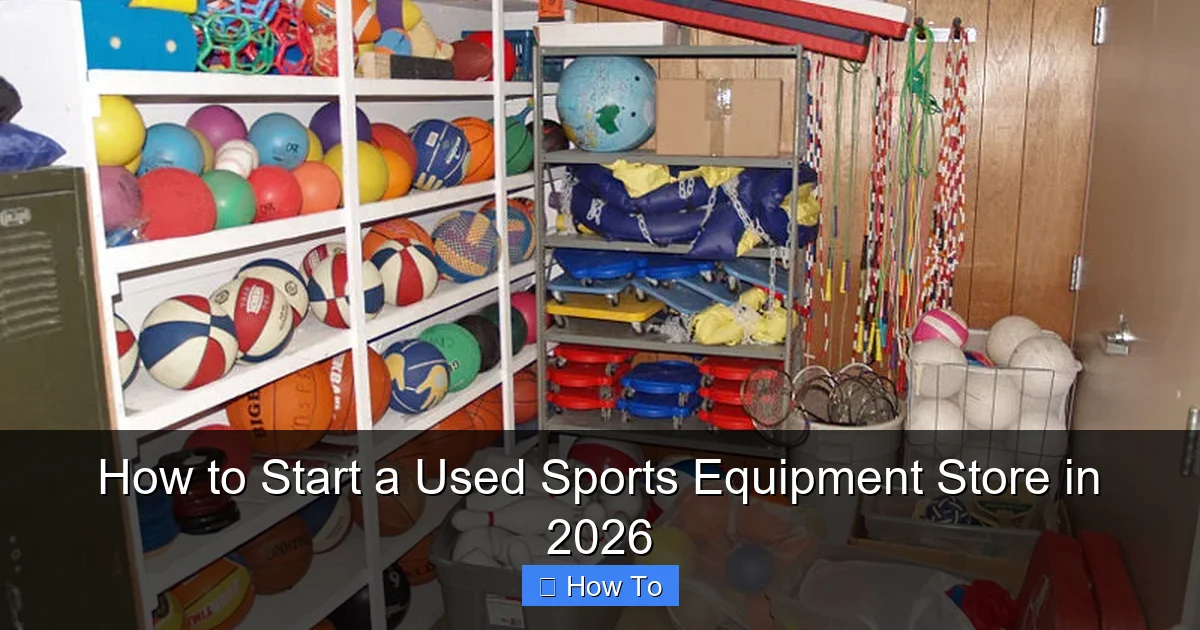
Visual guide about how to start a used sports equipment store
Image source: patch.com
Is there really demand for used sports gear?
Absolutely. Parents are stretched thin, and sports participation is rising. A 2023 study found that 68% of families would buy used gear if it was clean, safe, and affordable. You’re solving a real problem.
How do I handle returns or defective items?
Be clear from day one. Offer store credit (not cash) for returns within 7–14 days, and only if the item is clean and unused. Put your policy on your website and receipts. Most customers are honest—and those who aren’t won’t be repeat buyers anyway.
Can I sell online and locally at the same time?
Yes! Many stores list items online but offer local pickup to save on shipping. Just make sure your inventory is updated in real time so you don’t sell the same item twice.
What if I don’t know much about sports equipment?
You don’t need to be an expert—just willing to learn. Talk to coaches, read product manuals, and ask customers what they look for. Your passion for helping people will shine through more than technical know-how.
How do I compete with big retailers or online marketplaces?
You’re not competing on price alone. You’re offering convenience, community, and trust. People buy from you because you’re local, you inspect every item, and you care. That’s hard to replicate.
Should I specialize or sell everything?
Start specialized. It’s easier to build expertise, source inventory, and market yourself. Once you’re established, you can expand—but don’t try to be everything to everyone at first.
Final Thoughts
Starting a used sports equipment store in 2026 isn’t just about selling gear—it’s about building a community. You’re helping families save money, keeping kids active, and reducing waste, one cleat at a time.
It won’t always be easy. Some days, you’ll spend hours cleaning a single pair of skates. Other days, you’ll wonder if anyone will ever walk through the door. But when a parent thanks you for making sports affordable, or a kid runs off with a helmet that fits just right, you’ll know it’s worth it.
So take the first step. Talk to a coach. Clean out a garage. Post a photo of a refurbished basketball on Instagram. Small actions lead to big changes.
And remember: you don’t need perfection to begin. You just need purpose—and a little grit.
Ready to get started? Your future customers are waiting.
“`