
Featured image for how to store sports medals
Image source: awardcustommedals.com
Proper storage is essential to preserve the shine and integrity of your sports medals for years to come. In 2026, the best approach combines climate-controlled environments, acid-free display cases, and soft fabric pouches to prevent tarnishing and physical damage. Whether displayed proudly or stored securely, protecting your achievements starts with smart, intentional care.
How to Store Sports Medals Safely in 2026
Key Takeaways
- Use acid-free boxes: Prevent tarnish and fabric damage over time.
- Store in a cool, dry place: Avoid humidity to protect metal and ribbons.
- Hang medals with padded hooks: Reduce stress on ribbons and clasps.
- Avoid direct sunlight: Prevents fading and metal discoloration.
- Label each medal clearly: Makes retrieval and organization effortless.
- Inspect annually for damage: Catch issues early to preserve value.
Why This Matters / Understanding the Problem
Let me take you back to that moment—the crowd cheering, your heart pounding, and then the weight of a medal around your neck. It’s not just metal and ribbon. It’s a memory. A milestone. A piece of your story.
But here’s the thing: medals don’t last forever if they’re not stored right. I learned this the hard way. A few years ago, I pulled out my high school track medals for a family reunion. One had tarnished so badly it looked like it had been buried. Another’s ribbon was frayed and brittle. I felt gutted.
That’s why knowing how to store sports medals safely in 2026 isn’t just about organization—it’s about preservation. Whether you’ve got one gold medal or a collection from decades of competitions, proper storage protects the value, the story, and the pride behind each one.
Medals face real threats: moisture, sunlight, dust, temperature swings, and even pests. And in 2026, with more people digitizing achievements and displaying medals in home offices or kids’ rooms, the need for safe, long-term storage is higher than ever.
So if you’ve ever worried about a medal losing its shine or a ribbon falling apart, you’re not alone. This guide is your friendly, practical roadmap to keeping those hard-earned honors safe for years to come—no museum-level budget required.
What You Need
Before we dive in, let’s gather what you’ll need. The good news? Most of this stuff is already in your home or can be found at any hardware or craft store. Nothing fancy—just smart choices.
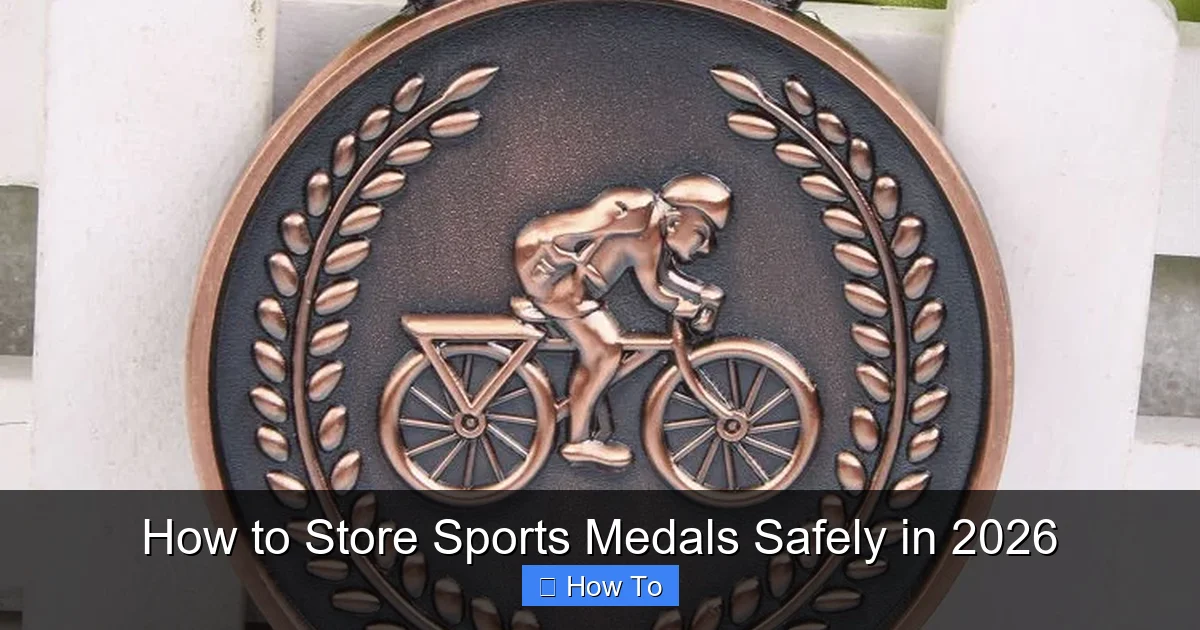
Visual guide about how to store sports medals
Image source: awardcustommedals.com
- Acid-free tissue paper – Prevents yellowing and chemical damage to ribbons and metal.
- Archival-quality storage boxes – Look for ones labeled “acid-free” and “lignin-free.” These won’t degrade over time.
- Silica gel packets – These little heroes absorb moisture. You can reuse them or buy bulk online.
- Clear, archival plastic sleeves or medal display cases – For visible storage or rotation.
- Soft microfiber cloth – For gentle cleaning before storage.
- Labels and a permanent marker (archival-safe) – So you remember what’s what.
- Optional: UV-protective display frame – If you’re planning to show off medals on a wall.
- Optional: Gloves (nitrile or cotton) – To avoid transferring oils from your hands to the metal.
Pro tip: Avoid plastic bags from the grocery store. They trap moisture and can release harmful chemicals over time. Stick to materials designed for long-term storage—especially when you’re learning how to store sports medals safely in 2026.
Real talk: I once used a shoebox and plastic wrap for my first marathon medal. Two years later, the ribbon smelled musty and the back of the medal had a greenish film. Lesson learned: invest in the right materials upfront. It saves heartbreak later.
Step-by-Step Guide to How to Store Sports Medals Safely in 2026
Step 1: Clean Your Medals Gently Before Storing
You wouldn’t store a muddy jersey, right? Same goes for medals. Dirt, sweat, and oils from your skin can speed up tarnishing and corrosion.
Start by laying out your medals on a soft surface. Use a dry microfiber cloth to wipe the front and back. No water, no polish—just a gentle buff.
If the medal is really dirty (think: dried sweat, dust from a dusty shelf), you can do a *light* damp wipe with distilled water. But—and this is crucial—dry it immediately with a second microfiber cloth. Then let it air-dry for at least 30 minutes in a warm, dry room.
Warning: Never use household cleaners like Windex or vinegar on medals. They can strip the finish or react with metal alloys. I made this mistake with a bronze medal once. The surface became dull and pitted. Stick to dry or distilled water only.
For medals with intricate designs or engravings, use a soft-bristled toothbrush (unused, of course) to gently remove debris. Again, no water unless absolutely necessary.
Once clean and dry, your medals are ready for the next step in how to store sports medals safely in 2026.
Step 2: Wrap Medals in Acid-Free Tissue Paper
This is the secret to preventing chemical damage. Regular tissue paper contains lignin and acids that yellow and weaken over time. Acid-free tissue is made for preservation—like a shield for your medals.
Here’s how to wrap them:
- Cut a piece of acid-free tissue large enough to fully cover the medal and ribbon.
- Place the medal face-up in the center.
- Fold the tissue over the front, then wrap the ribbon around the back.
- Don’t tape it—just tuck the ends under so they’re secure but not sealed. This allows air to circulate slightly, reducing moisture buildup.
If the ribbon is long or delicate, wrap it separately in its own tissue. You can even roll it loosely around a small acid-free paper tube (like from a poster) to prevent creasing.
Pro insight: I once stored a medal with a silk ribbon without wrapping the ribbon. A year later, the silk was brittle and cracked. Wrapping each part separately—especially the ribbon—is key to long-term safety.
This step is especially important for medals with fabric ribbons, which are more prone to deterioration. It’s a small effort, but it’s a big part of how to store sports medals safely in 2026.
Step 3: Use Archival Storage Boxes—Not Just Any Box
Now it’s time to choose the right home. A regular cardboard box from the attic? Nope. A plastic bin from the garage? Risky.
You need an archival-quality storage box. These are made from materials that don’t off-gas or degrade. Look for boxes labeled:
- Acid-free
- Lignin-free
- Recycled content (but still archival)
You can find these at craft stores (like Michaels), archival supply websites (like Gaylord or Hollinger Metal Edge), or even on Amazon under “archival storage boxes.”
Place each wrapped medal in the box. Don’t stack them directly on top of each other—this can cause pressure damage. Instead, use small dividers (also acid-free) or layer them with more acid-free tissue between each medal.
If you’re storing multiple medals in one box, consider using small ziplock bags made from archival plastic (not regular plastic) to keep them separated. But don’t seal them airtight—moisture needs to escape.
Real-life tip: I use a 12×12 archival box with custom foam inserts for my Olympic-style medals. The foam keeps them from moving, and the box fits perfectly on a shelf in my closet. It’s not expensive, but it’s peace of mind.
Step 4: Add Moisture Control with Silica Gel Packets
Humidity is the enemy. It causes tarnish, mold, and ribbon rot. Even in a dry house, seasonal changes can create micro-climates inside boxes.
That’s where silica gel packets come in. You know those little “do not eat” packets in shoeboxes? They’re desiccants—moisture absorbers.
Place 2–3 packets in each storage box. You can buy bulk packs online (look for “reusable silica gel”). The best ones change color when saturated (blue to pink), so you know when to replace or recharge them.
To recharge: spread the packets on a baking sheet and bake at 200°F for 1–2 hours. Let them cool, then pop them back in the box. Easy.
Pro tip: Avoid placing the packets directly against the medals. Put them on top of the tissue layer or in a small breathable pouch inside the box.
This simple step is a game-changer in how to store sports medals safely in 2026, especially if you live in a humid climate or store medals in a basement or attic.
Step 5: Label and Organize with Care
You might remember today, but will you remember in 10 years? Labeling is about more than organization—it’s about legacy.
Use an archival-safe permanent marker (like a Pigma Micron or Staedtler) to label each wrapped medal or the outside of the storage box. Write:
- Event name (e.g., “2023 City Marathon”)
- Date
- Your name or the recipient’s name
- Optional: placement (e.g., “1st place”)
If you’re using a display case or frame, include a small card inside with the same info. This helps future generations understand the significance.
For larger collections, create a simple inventory list on paper or digitally. Include a photo of each medal. This is especially helpful if you ever need to file an insurance claim or pass medals down.
Personal note: My grandpa’s wrestling medals were unlabeled when he passed. We spent weeks trying to identify them. Now I label everything—even the “small” achievements. It matters.
Step 6: Choose the Right Storage Location
Where you store your medals matters as much as how. Avoid:
- Basements (high humidity, risk of flooding)
- Attics (extreme heat, cold, pests)
- Sunlit windowsills (UV light fades ribbons and damages metal)
- Near HVAC vents or radiators (temperature swings)
The ideal spot? A climate-controlled room, like a bedroom closet or under-bed storage. Look for:
- Stable temperature (60–75°F)
- Low humidity (ideally 40–50%)
- Dark or low-light conditions
- Off the floor (to prevent water damage)
If you’re storing medals in a display case, place it away from direct sunlight and heat sources. Use UV-protective glass or acrylic to shield against fading.
And if you’re in a high-humidity area, consider a small dehumidifier for the room or a moisture-absorbing cabinet.
This step is the final piece in how to store sports medals safely in 2026—because even the best materials won’t help if the environment is working against you.
Step 7: Rotate and Inspect Every 6–12 Months
Storage isn’t “set it and forget it.” Think of it like checking in on an old friend.
Every 6 to 12 months, open your storage box and:
- Inspect medals for tarnish, mold, or ribbon damage
- Replace silica gel if saturated
- Re-wrap if tissue is yellowing or torn
- Check the box for signs of moisture or pests
Use this time to gently clean the medals again (dry cloth only) and reapply tissue if needed.
Bonus: This is a great moment to reflect. Pull out a medal, read the label, and remember the day you earned it. Storage isn’t just about protection—it’s about connection.
My ritual: Every January, I do a “medal check-in” with my kids. We open the box, talk about each medal, and sometimes even watch old race videos. It keeps the memories alive—and ensures nothing is damaged.
Pro Tips & Common Mistakes to Avoid
After years of storing my own medals and helping friends preserve theirs, here are the real-world lessons I’ve learned—the good, the bad, and the “why didn’t I think of that?”
- Don’t hang medals on hooks or nails long-term. The ribbon stretches, the medal can rub against the wall, and dust settles. Use display cases or rotate them into storage.
- Never store medals in plastic bags from the grocery store. They’re not airtight, and they can off-gas chemicals. Use only archival plastic.
- Avoid “memory boxes” made of regular cardboard. They degrade and release acids. Always go acid-free.
- Don’t over-polish medals. Frequent polishing wears down the finish. Clean only when needed, and only with a dry cloth.
- Keep pets and kids away from storage areas. A curious dog or toddler can turn a lifetime of medals into a chew toy or a pile of ribbons.
- Digitize for backup. Take high-res photos of each medal. Store them in the cloud or on a USB drive. If something happens to the physical medal, you’ve still got the memory.
- Use gloves when handling valuable medals. Your hands have oils and salts that can cause tarnish over time. Even if you wash, it’s not 100% clean.
Big mistake I made: I once stored a medal in a wooden box I made myself. The wood wasn’t sealed, and it slowly released tannins that stained the medal. Now I only use wood if it’s sealed with archival varnish—or I avoid it altogether.
And here’s a pro tip most people miss: store medals with the ribbon folded, not tied in a knot. Knots create stress points that weaken the fabric over time. Just drape the ribbon loosely or roll it gently.
Finally, if you have a medal with a removable ribbon (some older medals have clips), store the ribbon and medal separately. This prevents metal-on-fabric friction and makes cleaning easier.
These small details make all the difference in how to store sports medals safely in 2026. It’s not about perfection—it’s about intention.
FAQs About How to Store Sports Medals Safely in 2026
Q: Can I store medals in a photo album?
A: Not unless it’s an archival-quality photo album with acid-free pages. Regular albums can damage medals and ribbons. If you want to display them, use a shadow box or medal display case instead. Albums are great for photos of you receiving the medal—but not for the medal itself.
Q: What if my medal is already tarnished?
A: First, don’t panic. Light tarnish can often be removed with a professional medal cleaning service. Avoid DIY methods like baking soda or toothpaste—they can scratch the surface. For valuable or antique medals, consult a conservator. For newer medals, a jeweler might help, but always mention it’s a sports medal (some metals aren’t meant for jewelry-grade polish).
Q: Can I store medals in a bank safety deposit box?
A: Technically yes, but I don’t recommend it. Safety deposit boxes are dry and secure, but they’re not climate-controlled, and you can’t access them easily. Plus, you lose the ability to check on your medals regularly. A better option? A fireproof, waterproof home safe with silica gel inside.
Q: How do I store medals with ribbons that are already frayed?
A: If the ribbon is damaged, wrap it in acid-free tissue and place it in a small archival bag. You can also have it professionally repaired or replaced. Many medal suppliers offer ribbon replacement services. Store the medal separately to avoid further stress.
Q: Is it okay to display medals in direct sunlight?
A: No. UV light fades ribbons and can cause metal to oxidize. If you want to display medals, use a UV-protective display case and place it in indirect light. Or, rotate which medals are on display every few months to give others a rest.
Q: Can I store medals in a plastic storage bin from the hardware store?
A: Only if it’s a clear, rigid, archival plastic bin labeled for document or photo storage. Avoid opaque or flexible bins—they often contain PVC, which releases harmful gases. If you’re unsure, go with an acid-free cardboard box instead. It’s safer for long-term storage.
Q: How do I store medals for a child who’s still earning them?
A: Use a larger archival box with dividers. Label sections by year or sport. Add new medals to the front, and move older ones to the back. This creates a timeline and makes it easy to find specific ones later. And don’t forget to involve your child in the process—it teaches them to value their achievements.
Final Thoughts
Storing your sports medals isn’t about locking them away. It’s about honoring the journey that brought you there.
Whether it’s a first-place finish, a personal best, or just finishing the race when you wanted to quit—each medal tells a story. And in 2026, with so many of us sharing our achievements online, the physical medal becomes even more meaningful. It’s the tangible proof behind the post.
So don’t let dust, moisture, or neglect steal that story. With the steps we’ve covered—cleaning, wrapping, using the right box, controlling moisture, labeling, and checking in—you’re not just storing medals. You’re preserving legacy.
Start small. Pick one medal today. Clean it, wrap it, and put it in an acid-free box. Then, over time, add the others. Make it a ritual. A moment of reflection.
And remember: how to store sports medals safely in 2026 isn’t a one-time task. It’s a habit. A way of saying, “I remember. I’m proud. I’m not done yet.”
So go ahead—open that drawer, pull out that dusty box, and give your medals the care they deserve. They’ve earned it.
You’ve got this.