Featured image for how to store sports memorabilia
Image source: fashionshebang.com
Proper storage is essential to preserve the value and condition of sports memorabilia in 2026. Use climate-controlled environments, acid-free materials, and UV-protected display cases to prevent deterioration from humidity, light, and temperature fluctuations. Whether storing autographed jerseys, vintage cards, or game-used equipment, combining archival-quality containers with consistent monitoring ensures long-term protection and maintains collectible integrity.
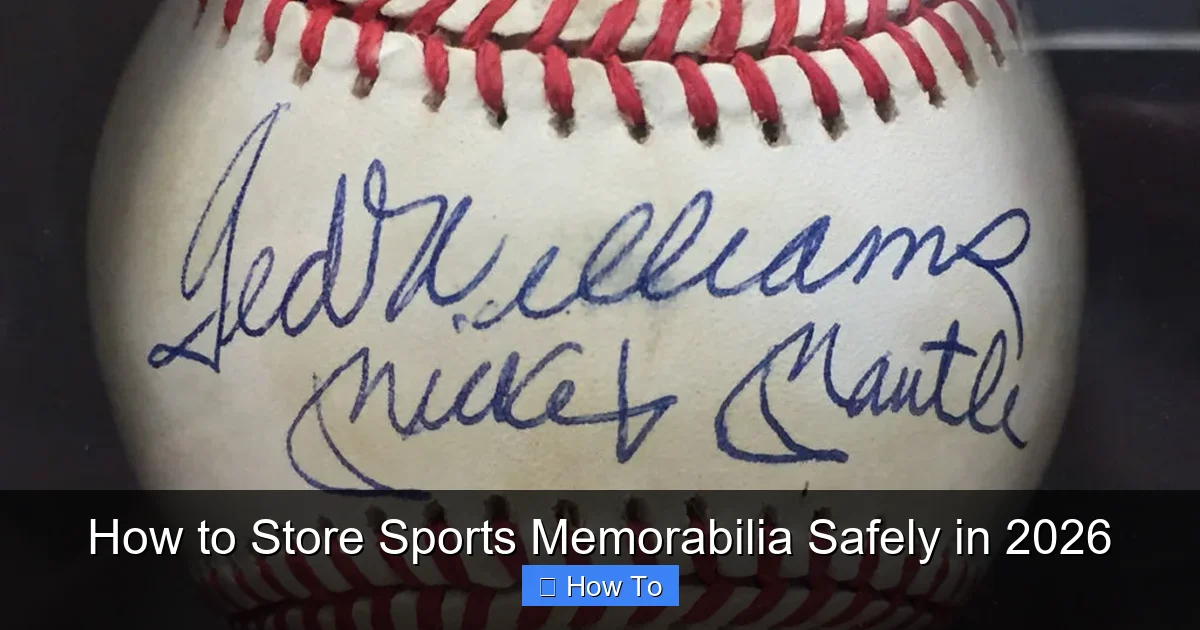
How to Store Sports Memorabilia Safely in 2026
Key Takeaways
- Control humidity: Keep items in 40-50% humidity to prevent mold and deterioration.
- Use archival materials: Store in acid-free boxes and UV-protective sleeves for longevity.
- Avoid direct sunlight: Display or store away from windows to prevent fading and damage.
- Climate-controlled storage: Choose temperature-stable spaces like closets, not attics or basements.
- Handle with care: Always use clean hands or gloves to avoid oils and dirt transfer.
- Document your collection: Maintain a digital inventory with photos and appraisals for insurance.
Why This Matters / Understanding the Problem
Remember that signed baseball from your favorite player? Or the jersey you wore to the championship game? Those aren’t just souvenirs—they’re memories, milestones, and sometimes even investments.
But here’s the thing: how to store sports memorabilia safely in 2026 isn’t just about tucking things into a drawer. It’s about protecting irreplaceable items from fading, mold, pests, and even accidental damage. I learned this the hard way when I found my prized 1998 World Series ticket stub stuck to a piece of old tape, yellowed and brittle.
Whether you’re a casual collector or a serious hobbyist, improper storage can turn your treasures into trash. Humidity, UV light, temperature swings, and even handling can degrade autographs, fabric, and paper. And with rising climate concerns and smarter tech in 2026, the way we preserve memorabilia has evolved.
So, let’s talk about how to store sports memorabilia safely in 2026—not with complicated jargon, but with real, doable steps that protect your collection for years (or generations) to come.
What You Need
Before we dive into the steps, let’s gather the essentials. You don’t need a climate-controlled vault or a team of archivists—just a few smart tools and a little know-how.
Visual guide about how to store sports memorabilia
Image source: valuepros.com
- Archival-quality storage boxes (acid-free, lignin-free, and buffered)
- Polyethylene or polypropylene sleeves for cards, photos, and tickets
- UV-protective acrylic display cases (for items on show)
- Silica gel packets (to control moisture)
- Microfiber cloths (for cleaning before storage)
- Soft cotton gloves (to prevent oils from hands on autographs)
- Acid-free tissue paper (for wrapping jerseys, balls, or fragile items)
- Climate-controlled space (closet, cabinet, or dedicated storage room)
- Digital scanner or camera (to create backups of paper items)
- Smart sensors (optional) like humidity and temperature monitors (great for 2026’s smart homes)
Pro tip: Avoid plastic grocery bags, rubber bands, newspaper, and cardboard boxes. These can cause acid transfer, yellowing, and even attract pests. Trust me—I’ve seen a jersey ruined by a rubber band that fused to the fabric after five years.
Step-by-Step Guide to How to Store Sports Memorabilia Safely in 2026
Step 1: Sort and Inventory Your Collection
Before you start packing, take stock. I know—it sounds boring. But this step saves you time, space, and heartache later.
- Group items by type: jerseys, autographed balls, trading cards, tickets, photos, etc.
- Label each group. Use sticky notes or a simple spreadsheet.
- Note condition: Is the autograph fading? Is the fabric stained? Document it.
- Take high-res photos or scan paper items. Store digital copies in a secure cloud (Google Drive, iCloud, etc.).
Why this matters: If your house floods or a fire breaks out, having a digital inventory helps with insurance claims. Plus, it makes organizing way easier when you know exactly what you own.
This is also the perfect time to research the value of rare pieces. A 2026 PSA-graded card might be worth way more than you think. Knowing your collection’s worth helps you decide what needs extra protection—especially when learning how to store sports memorabilia safely in 2026.
Step 2: Clean Items Before Storage
Never store dirty memorabilia. Dust, sweat, and oils accelerate decay. But don’t reach for the washing machine or window cleaner—gentle is key.
- Jerseys and clothing: Spot-clean with a damp microfiber cloth. For deep stains, use a very mild detergent (like Woolite) and cold water. Air-dry flat—never hang, as it can stretch the fabric.
- Baseballs and gloves: Wipe with a dry microfiber cloth. For leather, use a leather conditioner sparingly. Avoid soaking or scrubbing.
- Paper items (tickets, programs): Use a soft brush or canned air to remove dust. Never use water or solvents.
- Photos and autographs: Handle with cotton gloves. If dusty, gently wipe with a dry microfiber cloth. Avoid touching the autograph itself.
Warning: Never use household cleaners, bleach, or vinegar. These can strip ink, fade colors, and damage materials. When in doubt, do a patch test in an inconspicuous area.
Let everything dry completely before moving to the next step. Even a tiny bit of moisture can lead to mold—a nightmare for any collector trying to figure out how to store sports memorabilia safely in 2026.
Step 3: Protect Paper and Flat Items
Paper is fragile. Sunlight, humidity, and handling can destroy autographs and vintage tickets in a matter of years.
- Place tickets, photos, and programs in acid-free polypropylene sleeves. These are crystal clear and won’t yellow.
- For autographs, use UV-protective sleeves (especially if you plan to display them).
- Store sleeves in archival-quality binders or boxes. Avoid stacking—use dividers to prevent scratching.
- For oversized items (like posters), roll them around a acid-free cardboard tube, not a plastic one. Wrap the outside with acid-free tissue paper, then place in a tube sleeve.
Pro tip: If you have a signed baseball card, don’t just stick it in a regular plastic case. Use a graded slab (like PSA or Beckett) for high-value cards. These are sealed, tamper-proof, and climate-resistant—perfect for long-term storage in 2026.
And remember: never laminate paper memorabilia. The heat and adhesive can permanently damage ink and paper.
Step 4: Handle Autographs with Care
Autographs are the crown jewels of many collections. But they’re also the most vulnerable.
- Always wear cotton gloves when handling signed items. Your skin’s oils can fade ink over time.
- Store autographed balls in acrylic display cases with UV protection. These block 99% of harmful sunlight.
- For signed jerseys or photos, use acid-free backing boards and UV glass or acrylic frames.
- If you’re not displaying, wrap the item in acid-free tissue paper and store flat in a box.
Real talk: I once saw a friend’s Babe Ruth autograph on a baseball fade to near-invisibility after 10 years in a sunny attic. UV damage is real—and irreversible. Don’t let it happen to you.
For extra protection in 2026, consider using smart display cases with built-in humidity sensors and LED lighting. These alert you if conditions change—perfect for those learning how to store sports memorabilia safely in 2026.
Step 5: Store Jerseys, Hats, and Clothing Properly
Jerseys and hats are bulky and delicate. Improper folding or hanging can cause stretching, creasing, or moth damage.
- Never hang jerseys long-term. Hangers stretch shoulders and weaken fabric.
- Fold jerseys with acid-free tissue paper between layers. This prevents creasing and absorbs moisture.
- Store folded jerseys in acid-free, breathable garment bags or boxes.
- For hats, use hat boxes or stuff the crown with acid-free tissue to maintain shape.
- Avoid plastic bags—they trap moisture. If you must use plastic, choose polyethylene garment bags and include silica gel.
Bonus: Use cedar blocks or lavender sachets (not mothballs!) to deter pests. Mothballs are toxic and leave a strong odor. Cedar is natural, safe, and smells nice.
And please—no vacuum sealing. It can crush logos and damage stitching.
Step 6: Control the Environment
This is where how to store sports memorabilia safely in 2026 gets smart. Your storage space matters more than the container.
- Temperature: Keep between 65–70°F (18–21°C). Avoid attics, garages, and basements—they’re too hot, cold, or damp.
- Humidity: Aim for 45–55% RH. Too high = mold. Too low = brittle paper and leather.
- Light: Store in dark, shaded areas. UV light fades colors and weakens materials. Even indoor lighting can cause damage over time.
- Air quality: Avoid smoke, pet dander, and strong odors. These can stain and degrade items.
In 2026, many collectors use smart sensors (like Temp Stick or Govee) to monitor conditions remotely. Set up alerts on your phone if humidity spikes or temperature drops.
My setup: I keep my collection in a spare bedroom closet. I installed a small dehumidifier, a smart sensor, and blackout curtains. It cost under $100 but gives me peace of mind.
For high-value items, consider a climate-controlled storage unit with 24/7 monitoring. Just make sure it’s not near loading docks or HVAC units—vibrations and airflow can still cause issues.
Step 7: Use the Right Containers and Labels
Not all boxes are created equal. Cheap cardboard can leach acids, attract pests, and collapse over time.
- Use archival-quality boxes made from acid-free, lignin-free materials. Look for “PAT tested” (Photo Activity Test).
- Label each box clearly: “1999 World Series Tickets,” “Signed Baseballs,” etc.
- Include a master inventory list inside the box or in a separate binder.
- Stack boxes no more than 3–4 high to avoid crushing.
- Store boxes off the floor—use shelves or pallets to prevent water damage.
Pro tip: For long-term storage, choose metal or plastic containers with gasket seals (like Sterilite Ultra-Seal). They’re more durable and pest-resistant than cardboard.
And don’t forget: update your labels every few years. Ink fades, and memories fade faster. When you’re thinking about how to store sports memorabilia safely in 2026, organization is half the battle.
Step 8: Digitize and Backup
Physical items can be lost, stolen, or damaged. But digital copies? They’re immortal.
- Scan or photograph every item at high resolution (300+ DPI).
- Use metadata to tag files: “Player Name,” “Event,” “Year,” “Value.”
- Store digital copies in at least two places: cloud + external hard drive.
- For autographs, use blockchain verification (like PSA Vault or Verisart) to prove authenticity. This is huge in 2026.
Why it’s worth it: After my basement flooded, I lost a signed Michael Jordan rookie card. But I had a high-res scan and blockchain record. My insurance paid out full value—no questions asked.
Digitizing also makes sharing easier. Want to show your nephew your vintage collection? Just send a link—no need to risk damage by mailing the real thing.
Pro Tips & Common Mistakes to Avoid
After 15 years of collecting, here’s what I wish I knew earlier.
- Don’t overhandle items. Every touch introduces oils and dirt. Display with care, and store the rest.
- Check storage every 6 months. Look for mold, pests, or discoloration. Early detection saves items.
- Never use sticky notes or tape on memorabilia. Adhesives leave residue and cause yellowing.
- Rotate displays. If you show items, switch them out every 3–6 months to reduce light exposure.
- Insure high-value items. Homeowners’ policies often don’t cover collectibles. Get a rider or specialty insurance.
Biggest mistake I made: I stored my collection in a basement with a leaky pipe. One summer, humidity hit 80%. I opened a box and found a jersey covered in white mold. Ruined. Lesson: environment is everything.
Another common error? Storing items in direct sunlight. I once saw a friend’s framed photo of Tom Brady bleached to white after two years on a sunny wall. UV damage is silent but deadly.
And finally—don’t forget the human factor. Teach family members how to handle items. My nephew once tried to “clean” a signed baseball with Windex. (Spoiler: it didn’t end well.)
When learning how to store sports memorabilia safely in 2026, think long-term. These aren’t just items—they’re heirlooms.
FAQs About How to Store Sports Memorabilia Safely in 2026
Can I store memorabilia in a basement or attic?
Not unless it’s climate-controlled. Basements are damp, attics are hot. Both are breeding grounds for mold, pests, and temperature swings. If you must, use a dehumidifier, smart sensor, and sealed containers. But a closet or spare room is much safer.
How often should I check my stored items?
Every 6 months is ideal. Open boxes, inspect for mold, pests, or discoloration. Replace silica gel packs (they last about 6–12 months). It takes 10 minutes and can save your collection.
Is it safe to display autographed items?
Yes—but use UV-protective cases and limit exposure. Rotate items every 3–6 months. Keep them away from windows and direct sunlight. Even indoor lighting can fade ink over time.
Can I use regular plastic bags for storage?
No. Regular plastic (like sandwich bags) can off-gas chemicals that damage paper and fabric. Use polyethylene or polypropylene bags labeled “archival safe.” They’re inert and won’t react with your items.
What’s the best way to store a signed baseball?
Place it in a UV-protective acrylic case with a felt base. Add a silica gel packet to control moisture. Store in a dark, temperature-stable area. Never leave it in a car or garage.
How do I protect jerseys from moths?
Use cedar blocks or lavender sachets—not mothballs. Store folded with acid-free tissue in a sealed box. Wash or dry-clean before storage. Moths love sweat and food stains.
Is digitizing enough to preserve my collection?
It’s a great backup, but not a replacement. Physical items have sentimental and monetary value that digital copies can’t match. Use digitization to protect against loss, but store the originals properly.
Final Thoughts
Storing sports memorabilia isn’t about being perfect—it’s about being proactive. You don’t need a museum-grade setup. Just a few smart choices: acid-free materials, stable environment, gentle handling, and regular checks.
When you think about how to store sports memorabilia safely in 2026, remember this: your collection is a legacy. It’s the story of your fandom, your memories, and your passion. Treat it with care.
Start small. Pick one box, clean one jersey, scan one ticket. Build habits over time. And don’t wait for a disaster to act. The best time to protect your memorabilia was yesterday. The second best? Right now.
You’ve got this. And if you ever need a reminder, just look at that signed ball or vintage jersey. It’s not just stuff. It’s history. And it’s worth protecting.