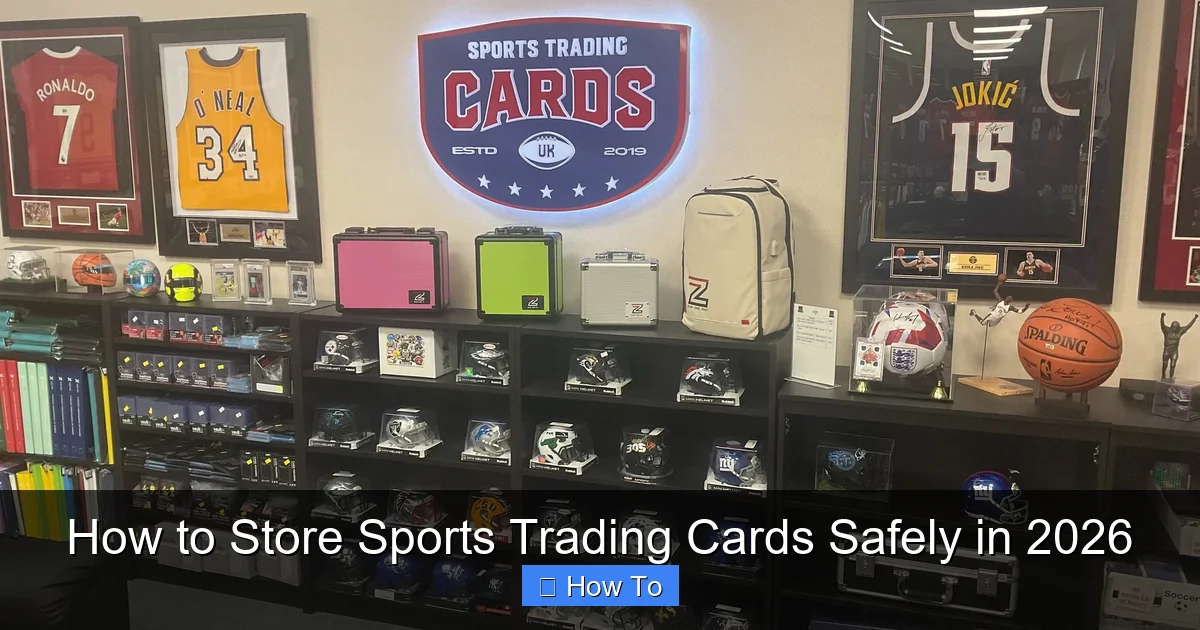
Featured image for how to store sports trading cards
Image source: sportstradingcardsuk.com
Always store sports trading cards in acid-free, archival-quality sleeves and top-loaders to prevent damage from moisture, light, and handling. Keep them in a cool, dry, and dark environment—ideally in a rigid, climate-controlled storage box—away from direct sunlight and humidity. For high-value cards, consider using magnetic holders or graded slabs to preserve condition and maximize long-term value.
“`html
How to Store Sports Trading Cards Safely in 2026
Hey there, fellow collector! If you’re anything like me, your sports trading cards aren’t just pieces of cardboard—they’re memories, investments, and sometimes even family heirlooms. I remember the first time I pulled a rookie card of my favorite player from a dusty pack at a local card shop. That moment sparked a passion that’s lasted decades. But here’s the thing: over the years, I’ve also learned the hard way how easily those precious cards can get damaged—bent corners, faded ink, moisture warping the surface. That’s why knowing how to store sports trading cards safely in 2026 isn’t just helpful—it’s essential.
Whether you’re holding onto vintage baseball cards, modern basketball inserts, or limited-edition soccer parallels, proper storage protects both their condition and value. In this guide, I’ll walk you through everything you need to keep your collection in mint shape—no fluff, no sales pitch, just real talk from someone who’s been there. Let’s dive in.
Key Takeaways
- Use acid-free sleeves: Prevent damage and discoloration over time.
- Store in rigid toploaders: Protect cards from bending and edge wear.
- Keep away from sunlight: UV rays fade colors and degrade card material.
- Control humidity and temperature: Ideal conditions prevent warping and mold.
- Organize in labeled binders: Easy access and reduced handling damage.
- Avoid PVC-based products: They release harmful chemicals that damage cards.
Why This Matters / Understanding the Problem
Imagine pulling out your prized 1986 Fleer Michael Jordan only to find the edges soft and the surface smudged. Heartbreaking, right? Unfortunately, that’s what happens when cards aren’t stored correctly. Environmental factors like humidity, heat, light, and even dust can silently degrade your collection over time.
In 2026, the market for sports trading cards is hotter than ever—but so is the risk of damage. With more collectors entering the space and values skyrocketing, protecting your investment has never been more important. Even minor flaws can slash a card’s grade (and price) significantly. For example, a PSA 10 card might sell for thousands, while the same card in PSA 6 condition could fetch just a fraction of that.
And it’s not just about money. Many of us collect for nostalgia, connection to our favorite athletes, or the joy of the hunt. Proper storage ensures those emotional connections last a lifetime. So whether you’re building a museum-quality archive or just keeping your childhood favorites safe, learning how to store sports trading cards safely in 2026 is a game-changer.
What You Need
Before we get into the nitty-gritty, let’s talk gear. You don’t need a vault or a climate-controlled room (unless you’re a mega-collector!), but you do need the right basics. Here’s what I use and recommend:
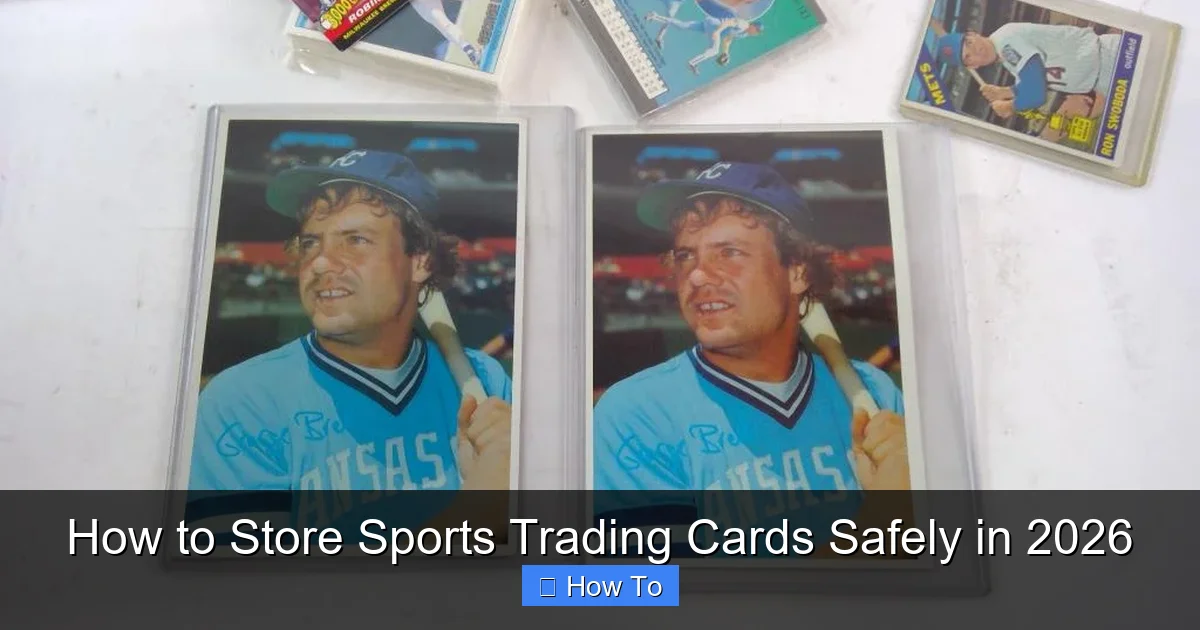
Visual guide about how to store sports trading cards
Image source: content.propertyroom.com
- Penny sleeves: Clear, soft plastic sleeves that protect individual cards from scratches and fingerprints. Look for archival-quality, acid-free options.
- Toploaders or semi-rigid holders: Hard plastic cases that add structural support and prevent bending. Essential for high-value or frequently handled cards.
- Card saver pages or binder pages: Acid-free, PVC-free pages that let you store multiple sleeved cards in a three-ring binder. Great for organization and display.
- Storage boxes: Rigid, archival-safe boxes (like BCW or Ultra Pro) that protect binders or loose cards from crushing and environmental exposure.
- Silica gel packets: Small moisture absorbers that help control humidity inside storage containers.
- Climate-controlled environment: A cool, dry, dark place—like a closet away from windows or basements prone to dampness.
Pro tip: Avoid cheap sleeves or pages labeled “non-PVC” without “acid-free” certification. Some materials may seem safe but can off-gas chemicals over time, damaging your cards.
Step-by-Step Guide to How to Store Sports Trading Cards Safely in 2026
Step 1: Clean Your Hands and Workspace
Before touching any card, wash your hands thoroughly with soap and water. Oils, lotions, and dirt from your skin can transfer onto the surface and cause permanent stains. Dry them completely—no dampness allowed!
Next, clear off a clean, flat surface. I like using a microfiber cloth as a work mat—it’s soft, lint-free, and won’t scratch delicate card surfaces. Avoid working on carpet or near food and drinks. One accidental spill could ruin an entire collection.
This simple habit might seem obvious, but it’s the foundation of safe handling. Think of it like prepping for surgery—your cards deserve that level of care.
Step 2: Sleeve Every Card Individually
Every single card—even commons—should go into a penny sleeve. These thin plastic protectors shield against surface scratches, fingerprints, and minor abrasions. I use brand-name sleeves like Ultra Pro or Dragon Shield because they’re consistently high quality and won’t cloud over time.
To sleeve properly:
- Hold the sleeve by the edges to avoid touching the inside.
- Gently slide the card in, making sure it’s centered and not bent.
- Don’t force it—if it’s tight, try a slightly larger sleeve size.
For ultra-valuable cards (think autographs, relics, or low-print parallels), consider double-sleeving: a penny sleeve inside a toploader. It’s extra protection without overkill.
Step 3: Use Toploaders for High-Value or Frequently Handled Cards
Toploaders are rigid plastic holders that prevent bending and offer superior protection. I keep all my graded cards, rookie cards, and inserts in toploaders. They’re especially useful if you’re taking cards to shows, trading events, or just showing off your collection to friends.
When inserting a sleeved card into a toploader:
- Make sure the sleeve isn’t wrinkled or folded.
- Press the card gently into the toploader until it sits flush.
- Never store unsleeved cards directly in toploaders—the plastic can stick to the card surface over time.
Store toploaders upright in a box or on a shelf—never stack heavy items on top of them.
Step 4: Organize in Acid-Free Binder Pages (For Non-Toploader Cards)
If you’re storing large sets or want to flip through your collection easily, binder pages are your best friend. Look for 9-pocket or 12-pocket pages made from archival-safe, PVC-free, and acid-free materials. Brands like BCW and Ultra Pro offer reliable options.
Insert your sleeved cards into the pockets, leaving a little space so they don’t get compressed. Label each page with the sport, year, and set name using a soft pencil or archival-safe pen—never permanent marker directly on the page.
Store these pages in a three-ring binder with a sturdy cover. Keep the binder lying flat or standing upright on a shelf—don’t cram it into a full bookcase where pages might bend.
Step 5: Choose the Right Storage Box
Whether you’re storing toploaders, binders, or loose sleeved cards, a proper storage box is crucial. I recommend rigid, plastic storage boxes designed specifically for trading cards. These are stackable, crush-resistant, and often come with dividers.
Avoid cardboard boxes—they absorb moisture, attract pests, and can collapse under weight. Also, never use Ziploc bags for long-term storage; they trap humidity and can cause condensation.
For extra protection, place a few silica gel packets inside the box to absorb excess moisture. Replace them every 6–12 months or use reusable ones that change color when saturated.
Step 6: Control Your Environment
This is where most collectors go wrong. Even the best sleeves and boxes won’t save your cards if they’re stored in a hot attic, damp basement, or sunny windowsill.
Ideal conditions for storing sports trading cards:
- Temperature: Between 65°F and 75°F (18°C–24°C)
- Humidity: 40–50% relative humidity
- Light: Minimal exposure—UV rays fade ink and discolor cardboard
- Air quality: Away from smoke, chemicals, or strong odors
I keep my main collection in a spare bedroom closet—cool, dark, and dry. If you live in a humid climate, consider a small dehumidifier or a hygrometer to monitor conditions.
Step 7: Rotate and Inspect Regularly
Don’t just store and forget! Every 3–6 months, take out your collection and give it a quick check. Look for:
- Signs of moisture (warping, cloudiness)
- Pest activity (tiny holes, droppings)
- Sleeve degradation (yellowing, stickiness)
- Loose or damaged cards
This routine helps catch problems early. I once found a tiny leak in my storage room that had started warping a few boxes—thanks to a quick inspection, I saved the rest of my collection.
Pro Tips & Common Mistakes to Avoid
Pro Tip: If you’re sending cards for grading, keep them in their original sleeves until submission. Grading companies prefer cards in clean, undamaged sleeves—and re-sleving after grading can introduce new scratches.
Warning: Never use rubber bands, paper clips, or tape on your cards. These can cause indentations, tears, or chemical reactions that ruin the surface.
One mistake I made early on was stacking too many toploaders in one box. The weight caused the bottom ones to crack. Now I limit stacks to 10–12 toploaders per box and use dividers for support.
Another common error? Using “collector’s albums” with sticky pages. Those adhesive strips degrade over time and can permanently bond to your cards. Stick to non-adhesive, pocket-style pages only.
And please—don’t store your cards in the garage. Temperature swings and humidity spikes are killers. Your car trunk? Even worse. Treat your collection like fine art—because in 2026, that’s exactly what it is.
FAQs About How to Store Sports Trading Cards Safely in 2026
Q: Can I store my cards in a basement?
A: Only if it’s climate-controlled and dry. Most basements are too humid, which leads to warping and mold. If you must use a basement, invest in a dehumidifier and store cards in sealed plastic bins with silica gel.
Q: Are penny sleeves really necessary for common cards?
A: Yes! Even low-value cards can appreciate over time. Plus, sleeves prevent dirt and oils from building up, making future grading or selling much easier. Think of it as cheap insurance.
Q: How often should I replace my sleeves?
A: If they’re high-quality and stored properly, sleeves can last decades. But inspect them annually. If you see cloudiness, stickiness, or brittleness, replace them immediately.
Q: Can I display my cards without damaging them?
A: Absolutely—but use UV-protective display cases or frames with acrylic glazing. Avoid direct sunlight and rotate displayed cards every few months to minimize exposure.
Q: What’s the best way to store graded cards?
A: Keep them in their original slab! Grading companies use durable, sealed cases designed for long-term protection. Store slabs upright in a dedicated box—never stack heavy items on top.
Q: Do I need to worry about pests?
A: Yes—especially silverfish and booklice, which love paper products. Keep your storage area clean, use sealed containers, and consider natural deterrents like cedar blocks (but keep them away from direct contact with cards).
Q: Is it okay to store cards in a binder forever?
A: Binders are great for organization and viewing, but for long-term archival storage, consider transferring high-value cards to toploaders and boxes. Binders can wear out over time, and pages may degrade.
Final Thoughts
Storing your sports trading cards safely in 2026 doesn’t have to be complicated or expensive. With the right materials, a little routine maintenance, and attention to your environment, you can preserve your collection for decades—maybe even pass it down to the next generation.
Remember, every card tells a story. Whether it’s a childhood treasure or a modern investment, it deserves to be protected. Start with the basics: clean hands, quality sleeves, proper boxes, and a cool, dry place. From there, build a system that works for your lifestyle and collection size.
And if you’re ever unsure? When in doubt, overprotect. It’s always better to have one too many layers of defense than to regret a damaged card later. Happy collecting—and here’s to keeping your cards in pristine condition for years to come.
“`