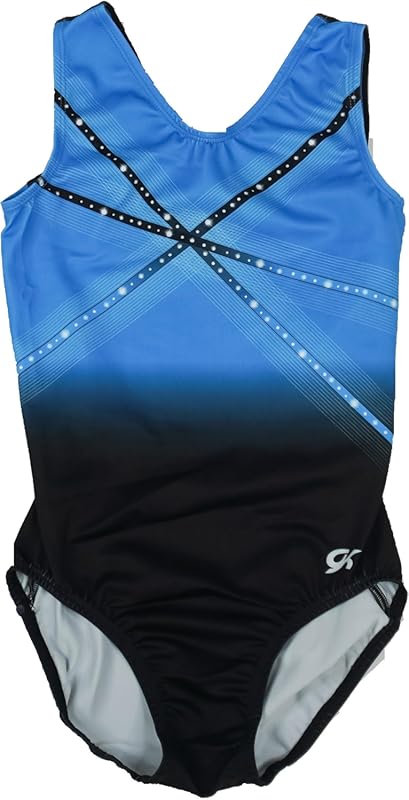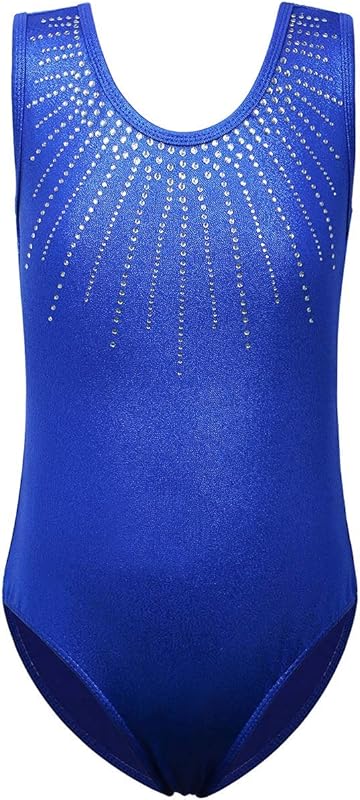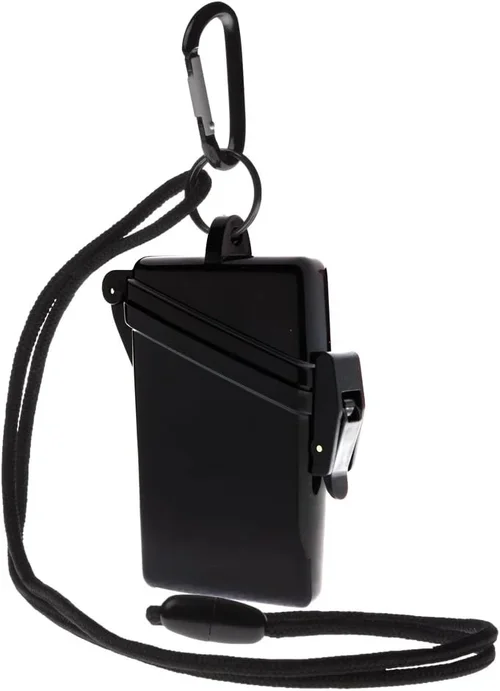
When it comes to outdoor adventure, water sports, fitness, and recreational activities, Oahu stands out as one of the most dynamic islands in Hawaii—and that means having access to high-quality sporting goods is essential. Whether you’re a local resident gearing up for your next surf session at Pipeline, a visitor planning a snorkeling trip to Hanauma Bay, or a fitness enthusiast looking for reliable equipment to stay active on the island, knowing where to shop and what to look for can make all the difference. With so many stores scattered across Honolulu, Waikiki, Kailua, and beyond, the choices can feel overwhelming. That’s exactly why this comprehensive guide exists: to cut through the noise and help you make smart, informed decisions when purchasing sporting goods on Oahu in 2026.
This guide is designed for everyone—from first-time buyers to seasoned athletes—who want to get the most value, performance, and durability from their gear. You’ll learn how to evaluate key factors like price, quality, brand reputation, and functionality, all tailored to Oahu’s unique climate and lifestyle. We’ll walk you through the different types of sporting goods available, compare top retailers across the island, highlight common pitfalls to avoid, and offer expert-backed tips to help you stretch your dollar without sacrificing performance. Whether you’re shopping for surfboards, hiking boots, tennis rackets, or home gym equipment, this guide equips you with the knowledge to choose wisely.
Oahu’s sporting goods market is diverse and competitive, with a mix of local specialty shops, national chains, and online retailers with physical pickup locations. The island’s tropical environment—constant sun, saltwater exposure, high humidity, and frequent rain—means that gear must be built to withstand harsh conditions. At the same time, the laid-back yet active culture encourages a wide range of activities, from stand-up paddleboarding and ocean swimming to trail running and beach volleyball. This creates a unique demand for versatile, durable, and often multi-purpose equipment. In the following sections, we’ll break down everything you need to know to navigate this market with confidence.

What to Look for When Buying Sporting Goods
1. Budget & Price Range
One of the first and most important considerations when shopping for sporting goods on Oahu is your budget. Prices can vary dramatically depending on the type of equipment, brand, and where you buy it. For example, a basic foam surfboard might cost around $150, while a high-performance epoxy board from a top shaper can run over $1,200. Similarly, hiking boots range from $60 for entry-level models to $300+ for technical, waterproof boots designed for rugged terrain like the Kalalau Trail.
It’s crucial to set a realistic budget before you start shopping. Consider not just the upfront cost but also long-term value. A cheaper item may seem like a bargain, but if it breaks after a few uses or requires frequent replacement, it could end up costing more over time. On the other hand, splurging on premium gear isn’t always necessary—especially if you’re a beginner or only use the equipment occasionally.
When setting your budget, factor in additional costs such as accessories (e.g., leashes, wax, fins for surfboards), maintenance (e.g., waterproofing sprays for shoes), and potential shipping or assembly fees. Many Oahu stores offer package deals or seasonal discounts, so timing your purchase can also impact your final price. Always ask about price matching, student discounts, or military pricing if applicable.
2. Performance Specifications
Performance specs are the technical details that determine how well a piece of equipment will function under real-world conditions. These vary widely by sport but are especially critical in Oahu’s demanding environment. For water sports like surfing, snorkeling, or kayaking, look for gear designed to handle saltwater corrosion, UV exposure, and strong currents. For example, a snorkel mask with anti-fog coating and a silicone skirt will perform far better than a basic plastic model.
In fitness equipment, performance specs might include weight capacity, resistance levels, stability, and adjustability. A treadmill used in a humid garage in Manoa should have a rust-resistant frame and a motor rated for continuous use. For hiking gear, consider the boot’s ankle support, tread pattern, and breathability—especially if you’re tackling trails like Diamond Head or the Makapu’u Lighthouse hike.
Always check manufacturer specifications and compare them across brands. Don’t rely solely on marketing claims. Look for independent test results, lab certifications (like IPX ratings for water resistance), or third-party reviews. If you’re unsure, ask store staff for demonstrations or detailed explanations. Many Oahu sporting goods stores, especially specialty shops, employ knowledgeable staff who can walk you through the specs and help you make an informed choice.
3. Build Quality & Durability
Durability is non-negotiable when it comes to sporting goods on Oahu. The island’s climate—high humidity, intense sunlight, salt air, and frequent rain—can quickly degrade low-quality materials. A poorly constructed surfboard might delaminate after a few months in the sun, while flimsy hiking poles could snap on a rocky trail.
Look for gear made from high-grade materials: marine-grade stainless steel hardware, UV-resistant plastics, reinforced stitching, and corrosion-resistant coatings. For example, a quality wetsuit should use limestone-based neoprene (more eco-friendly and durable than petroleum-based) and feature glued and blind-stitched seams to prevent water leakage.
Pay attention to construction details. Are the seams double-stitched? Is the zipper waterproof? Are the straps adjustable and padded? These small features often indicate overall build quality. Also, consider the warranty—longer warranties usually reflect manufacturer confidence in durability. Brands like Patagonia, The North Face, and O’Neill are known for their robust construction and are widely available in Oahu stores.
4. Features & Functionality
Modern sporting goods come packed with features designed to enhance performance, comfort, and convenience. The key is to identify which features matter most for your specific needs. For instance, a kayak with a built-in cooler, rod holders, and a pedal-drive system is ideal for fishing enthusiasts, but overkill for casual paddlers.
Consider multi-functionality. A convertible paddleboard that doubles as a kayak with an attachable seat offers great versatility for exploring Oahu’s calm bays and rivers. Similarly, running shoes with responsive cushioning, breathable mesh uppers, and reflective elements are perfect for early morning joggers along the Ala Moana Beach Park.
Don’t be swayed by gimmicks. Some features sound impressive but offer little real benefit. Instead, focus on practical enhancements: quick-dry fabric in swimwear, tool-free assembly in fitness equipment, or modular designs that allow for easy upgrades. Test features in-store when possible—try on shoes, adjust straps, or test resistance levels on exercise machines.
5. Brand Reputation
Brand reputation matters because it often reflects consistency in quality, innovation, and customer service. Well-established brands like Quiksilver, Rip Curl, Columbia, and Yeti have earned trust through years of reliable products and strong warranties. On Oahu, local brands such as Hawaiian Island Surf & Sport (HISS) and Kailua Sailboards also have loyal followings due to their deep understanding of island conditions.
Research brands before buying. Read customer reviews, check ratings on platforms like Google or Yelp, and look for awards or certifications (e.g., Bluesign for sustainable textiles). Be cautious of unknown brands with overly aggressive marketing—especially online sellers with no physical presence on the island.
That said, don’t dismiss lesser-known brands outright. Some smaller companies offer excellent value and innovation. The key is to balance brand recognition with actual product performance. If a lesser-known brand offers better specs, materials, or price, it may be worth considering—especially if it’s sold by a reputable Oahu retailer.
6. Warranty & Support
A strong warranty is a sign of a manufacturer’s confidence in their product and can save you money in the long run. Look for warranties that cover defects, material failures, and sometimes even accidental damage. For example, many high-end surfboards come with a 1- to 2-year warranty against delamination or fin box failure.
Support goes beyond the warranty. Consider the availability of repair services, replacement parts, and customer service responsiveness. On Oahu, stores like Big Wave Surf Shop in Haleiwa or Island Paddle Board in Kailua often offer in-house repairs and maintenance, which is a huge advantage if your gear breaks down mid-season.
Check the warranty terms carefully. Some require registration, proof of purchase, or professional installation. Others exclude normal wear and tear or damage from misuse. If you’re buying online, confirm whether the warranty is honored locally or if you’d need to ship the item back to the mainland.
7. Size & Portability
Size and portability are especially important on Oahu, where space can be limited and transportation options vary. If you live in a small apartment in Waikiki or rely on public transit, a bulky treadmill or long surfboard may not be practical. Conversely, if you frequently hike remote trails or surf at North Shore breaks, you’ll need gear that’s easy to carry and transport.
Consider collapsible or foldable designs. Inflatable paddleboards, for example, can be packed into a backpack and checked on a plane—perfect for travelers. Similarly, compact resistance bands or foldable bikes are great for urban dwellers with limited storage.
For water sports, board size affects performance and portability. A shorter board is easier to carry but may be less stable for beginners. Measure your space at home and consider how you’ll transport gear—by car, bike, or foot. Many Oahu stores offer delivery or rental services, which can be a smart alternative to ownership for occasional use.
8. User Reviews & Ratings
User reviews provide real-world insights that specs and marketing materials can’t match. They reveal how gear performs over time, in different conditions, and across various user types. On Oahu, where activities are highly dependent on weather and ocean conditions, reviews from local users are especially valuable.
Look for detailed reviews that mention specific use cases: “Used this wetsuit for winter surfing at Sunset Beach—stayed warm even in 72°F water.” Avoid reviews that are overly vague or seem fake (e.g., “Great product!” with no details). Platforms like Google Reviews, Yelp, and specialized forums (like Surfline or Trailforks) often have honest, location-specific feedback.
Pay attention to common complaints. If multiple users report the same issue—like a tent leaking in heavy rain or a bike helmet cracking after a minor fall—it’s a red flag. Conversely, consistent praise for durability or comfort is a strong endorsement. Use reviews to confirm your decision, not just to discover products.
Different Types of Sporting Goods Stores on Oahu

Common Buying Mistakes to Avoid
❌ Mistake: Buying Based Solely on Price
Why it’s bad: Choosing the cheapest option often leads to poor performance, frequent replacements, and frustration. For example, a $50 snorkel set might leak or fog constantly, ruining your experience at Molokini Crater.
What to do instead: Balance price with quality and intended use. Invest in durable gear for frequent activities, and consider rentals or used equipment for occasional use.
❌ Mistake: Ignoring Local Conditions
Why it’s bad: Gear designed for mainland climates may not hold up in Oahu’s heat, humidity, and saltwater. A tent without UV protection could degrade quickly, and non-rust-resistant bike parts may corrode.
What to do instead: Choose equipment specifically rated for tropical or marine environments. Look for UV-resistant, quick-dry, and corrosion-proof materials.
❌ Mistake: Overlooking Fit and Comfort
Why it’s bad: Ill-fitting gear can cause blisters, chafing, or reduced performance. A surfboard too short or too narrow can make learning nearly impossible.
What to do instead: Try before you buy whenever possible. Visit stores with knowledgeable staff who can help you find the right size and shape for your body and skill level.
❌ Mistake: Skipping the Warranty Check
Why it’s bad: Without a warranty, you’re on the hook for repair or replacement costs if something goes wrong. Some online purchases have limited or no local support.
What to do instead: Always ask about warranty coverage and service options. Prefer retailers that offer in-house repairs or honor manufacturer warranties locally.
❌ Mistake: Buying Without Research
Why it’s bad: Impulse purchases often lead to regret. You might end up with gear that’s too advanced, too basic, or incompatible with your needs.
What to do instead: Read reviews, compare models, and consult experts. Use this guide and online resources to make an informed decision.
❌ Mistake: Neglecting Maintenance Needs
Why it’s bad: Even the best gear requires care. Failing to rinse surfboards after use or store wetsuits properly can shorten their lifespan significantly.
What to do instead: Learn basic maintenance routines and factor in ongoing care when choosing gear. Some stores offer maintenance workshops or guides.
❌ Mistake: Overbuying or Underbuying
Why it’s bad: Buying too much gear leads to clutter and wasted money. Buying too little can limit your experience or require upgrades too soon.
What to do instead: Assess your actual usage. Start with essential items and expand as your skills and interests grow. Consider modular or upgradeable systems.
Budget Guidelines: How Much Should You Spend?
Entry-Level ($30–$150): This tier is ideal for beginners, occasional users, or kids. Expect basic functionality and materials. Examples include foam surfboards, entry-level snorkel sets, or basic hiking shoes. While affordable, these items may lack durability and advanced features. Best for trying out a new activity without a big investment.
Mid-Range ($150–$500): This is the sweet spot for most buyers. Gear in this range offers a good balance of quality, performance, and price. Think epoxy surfboards, mid-tier wetsuits, or reliable fitness equipment. These products are built to last, often include useful features, and are suitable for regular use. Many local Oahu stores carry strong mid-range options with excellent customer support.
Premium ($500–$1,200): For enthusiasts and serious athletes, premium gear delivers top-tier performance, advanced materials, and superior craftsmanship. Examples include custom-shaped surfboards, high-end paddleboards, or professional-grade hiking boots. These items often come with extended warranties and are designed for demanding conditions. Worth the investment if you use the gear frequently or in challenging environments.
Luxury ($1,200+): This tier includes boutique, limited-edition, or highly specialized equipment. Think hand-shaped surfboards by renowned shapers, carbon fiber paddleboards, or smart fitness machines with AI coaching. While impressive, these are typically overkill for casual users. Best reserved for professionals, collectors, or those who prioritize exclusivity and peak performance.
Expert Tips for Getting the Best Deal
Timing your purchase can save you hundreds. Visit Oahu sporting goods stores during off-peak seasons—late summer for surf gear, post-holiday for fitness equipment—when retailers offer clearance sales to make room for new inventory.
Shop locally when possible. Stores like Hawaiian Island Surf & Sport, Big Wave Surf Shop, and Island Paddle Board often have exclusive deals, local expertise, and in-house services that online retailers can’t match. Plus, you support the local economy.
Compare prices across platforms. Use apps like Honey or PriceGrabber to find discounts, but always check local stores for price matching. Some Oahu retailers will beat online prices if you ask.
Ask about bundle deals. Many stores offer discounts when you buy multiple items—like a surfboard, leash, and wax together—or when you combine a purchase with a lesson or rental.
Test before you buy. Take advantage of in-store demos, especially for fitness equipment or water sports gear. Feeling how a paddleboard handles or how a treadmill runs can prevent buyer’s remorse.
Check return policies. Ensure the store offers a reasonable return window (at least 30 days) and doesn’t charge restocking fees. This is crucial for online purchases or gifts.
Consider used or refurbished gear. Stores like Oahu Surf & Sport and online marketplaces (Facebook Marketplace, Craigslist) often have high-quality used equipment at a fraction of the cost. Just inspect carefully for damage.
Sign up for newsletters and loyalty programs. Many Oahu retailers offer exclusive discounts, early access to sales, or reward points for frequent shoppers.

Frequently Asked Questions
Q: Where is the best place to buy surfboards on Oahu?
A: For custom and high-performance boards, visit Big Wave Surf Shop in Haleiwa or Kailua Sailboards. For beginners, Hawaiian Island Surf & Sport in Waipahu offers great starter packages with lessons included.
Q: Can I rent sporting goods instead of buying?
A: Absolutely. Many shops across Oahu offer daily or weekly rentals for surfboards, paddleboards, snorkel gear, and even bikes. This is ideal for tourists or those trying a new activity.
Q: Are online prices cheaper than in-store on Oahu?
A: Not always. While online retailers may have lower base prices, shipping costs to Hawaii can be high. Plus, local stores often price-match and offer immediate pickup and support.
Q: How do I know if a wetsuit fits properly?
A: A good wetsuit should feel snug but not restrictive, with no gaps at the neck, wrists, or ankles. Try it on with bare skin and move around to test flexibility. Most Oahu surf shops allow fittings.
Q: What’s the best time of year to buy sporting goods on Oahu?
A: Late summer (August–September) is ideal for water sports gear, while post-holiday (January) is best for fitness equipment. Retailers often discount old inventory during these periods.
Q: Do Oahu stores offer repairs for sporting goods?
A: Yes, many local shops provide repair services for surfboards, wetsuits, paddleboards, and more. Big Wave Surf Shop and Island Paddle Board are known for their skilled technicians.
Q: Is it worth buying eco-friendly gear?
A: Yes, especially in a fragile environment like Oahu. Look for brands using recycled materials, sustainable manufacturing, and reef-safe practices. Patagonia and Vans have strong eco-initiatives.
Q: Can I return gear if it doesn’t work out?
A: Most reputable Oahu stores offer 30-day return policies, but always check the terms. Some exclude used or personalized items, and restocking fees may apply.
Q: What should I look for in hiking boots for Oahu trails?
A: Prioritize ankle support, waterproofing, breathability, and aggressive tread. Trails like Mauna Kea or the Ko’olau Range can be muddy and steep, so durability is key.
Q: Are there discounts for students or military personnel?
A: Yes, many Oahu sporting goods stores offer discounts with valid ID. Ask at checkout—common discounts range from 10% to 15% off.
Our Final Recommendations
Best for Budget-Conscious Buyers: Hawaiian Island Surf & Sport (Waipahu) – Offers affordable starter packages, rentals, and frequent sales. Great for beginners and families.
Best Overall Value: Big Wave Surf Shop (Haleiwa) – Combines quality gear, expert staff, repair services, and competitive pricing. A local favorite for surfers of all levels.
Best Premium Option: Kailua Sailboards (Kailua) – Specializes in high-end paddleboards, custom surfboards, and top-tier water sports equipment. Ideal for serious enthusiasts.
Best for Beginners: Island Paddle Board (Kailua) – Offers lessons, rentals, and beginner-friendly gear with personalized guidance. Perfect for first-timers.
Best for Advanced Users: O’Neill Hawaii (Multiple Locations) – Carries professional-grade wetsuits, surfboards, and technical apparel used by elite athletes. Trusted for performance and innovation.
Conclusion: Making the Right Choice
Choosing the right sporting goods on Oahu doesn’t have to be overwhelming. By focusing on key factors like budget, performance, durability, and local conditions, you can find gear that enhances your experience and stands the test of time. Whether you’re catching waves on the North Shore, hiking the lush trails of the Ko’olau Mountains, or staying fit in your Waikiki apartment, the right equipment makes all the difference.
Remember to prioritize your specific needs, do your research, and take advantage of the island’s knowledgeable retailers and unique shopping opportunities. Don’t rush the decision—invest in quality, seek expert advice, and consider long-term value over short-term savings. With the insights from this guide, you’re now equipped to make confident, informed choices that align with your lifestyle and goals.
So go ahead—gear up, get out there, and enjoy everything Oahu has to offer. Whether you’re a local or a visitor, the island’s adventures are waiting. And with the right sporting goods, you’ll be ready for every wave, trail, and workout that comes your way.