When the mercury plummets and icy winds howl across mountain ridges, frozen lakes, or urban sidewalks, your hands are among the first to feel the bite of extreme cold. For outdoor enthusiasts, winter sports lovers, emergency responders, and anyone who braves sub-zero conditions, a reliable pair of cold-weather gloves isn’t just a comfort—it’s a necessity. Among the many brands vying for attention in the high-performance glove market, Sealskinz has carved out a reputation for engineering gloves that blend waterproofing, insulation, and dexterity in ways few competitors can match. Their Extreme Cold Weather Gloves line stands as a testament to this commitment, designed not just to keep hands warm, but to perform under pressure when failure isn’t an option.
This comprehensive buyer’s guide is crafted for anyone serious about winter hand protection—whether you’re a seasoned mountaineer preparing for an Arctic expedition, a snowmobile rider navigating backcountry trails, or a city dweller facing brutal winter commutes. We’ll walk you through every critical factor to consider before making a purchase, from insulation technology and waterproof ratings to fit, durability, and real-world performance. You’ll learn how to avoid common pitfalls, understand what your budget actually gets you, and discover insider tips to maximize value. By the end, you won’t just know which Sealskinz gloves to buy—you’ll know why they’re the right choice for your specific needs.
The market for extreme cold weather gloves is crowded, with options ranging from budget-friendly synthetic mittens to ultra-premium expedition-grade systems costing hundreds of dollars. Brands like The North Face, Black Diamond, Hestra, and Outdoor Research all offer compelling products, but Sealskinz differentiates itself through a unique combination of triple-layer construction, advanced membrane technology, and a focus on all-weather versatility. Whether you’re skiing, snowshoeing, working outdoors, or simply walking your dog in -20°F wind chills, this guide will help you cut through the noise and make an informed, confident decision.

What to Look for When Buying Buying Guide
1. Insulation Type and Thermal Performance
At the heart of any extreme cold weather glove is its insulation system—the layer responsible for trapping body heat and blocking convective cold. Sealskinz uses a combination of high-loft synthetic fills and advanced thermal linings, often incorporating materials like PrimaLoft Gold or proprietary blends designed to retain warmth even when wet. Unlike down insulation, which loses effectiveness when damp, synthetic insulation maintains its thermal properties in humid or snowy conditions, making it ideal for active winter use.
When evaluating insulation, consider the glove’s intended temperature rating. Sealskinz typically specifies operational ranges (e.g., -10°F to 20°F), but these are best understood as guidelines rather than guarantees. Real-world performance depends on activity level, wind exposure, and individual metabolism. Look for gloves with layered insulation—thicker in the back of the hand and thinner across the palm and fingers—to balance warmth with tactile sensitivity. Also, check whether the insulation is evenly distributed; cold spots, especially around the fingertips, can ruin an otherwise excellent glove.
2. Waterproofing and Breathability
Sealskinz is renowned for its proprietary Aqua Dynamic System (ADS), a three-layer membrane technology that repels water while allowing moisture vapor to escape. This is critical in extreme cold, where sweat buildup can freeze and cause rapid heat loss. The outer shell is typically made from durable, water-resistant nylon or polyester, while the inner membrane acts as a barrier against rain, snow, and slush. The innermost liner wicks moisture away from the skin, keeping hands dry during high-output activities like skiing or snow shoveling.
Pay close attention to the waterproof rating, often measured in millimeters (mm). A rating of 10,000mm or higher indicates strong resistance to water penetration, suitable for prolonged exposure. However, breathability—measured in grams of moisture vapor transmission per square meter over 24 hours (g/m²/24h)—is equally important. A glove that’s waterproof but not breathable will trap sweat, leading to clammy hands and reduced insulation efficiency. Sealskinz gloves often feature ratings above 5,000g/m²/24h, striking a solid balance for most users.
3. Dexterity and Fit
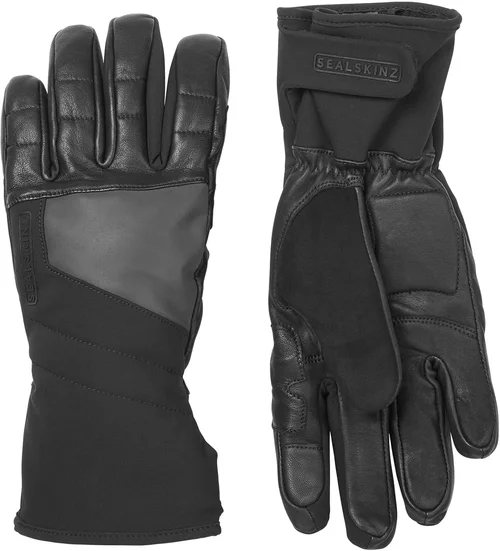
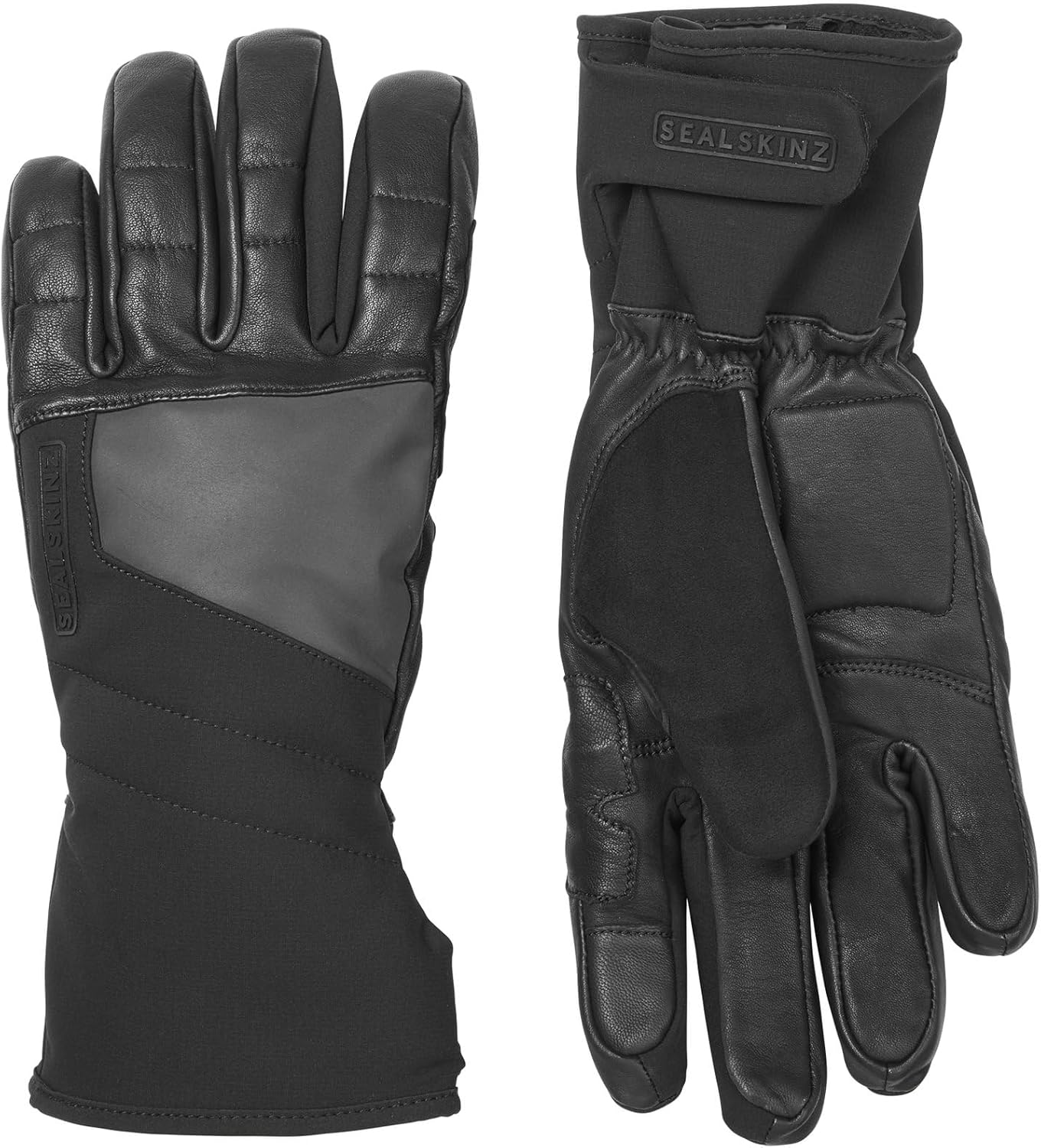
One of the biggest trade-offs in cold-weather gloves is warmth versus dexterity. Bulky mittens offer superior insulation but make it difficult to grip poles, operate zippers, or use touchscreens. Sealskinz addresses this with pre-curved finger designs, articulated seams, and strategically placed insulation that doesn’t compromise finger mobility. Many models also feature reinforced palm patches and silicone grip zones for better control.
Fit is equally crucial. Gloves that are too tight restrict blood flow, leading to cold hands despite high insulation. Those that are too loose allow cold air to circulate and reduce tactile feedback. Sealskinz offers a range of sizes with detailed sizing charts, and some models include adjustable wrist closures or gauntlet-style cuffs to seal out snow. Try on gloves with the layers you’d typically wear underneath—thin liner gloves, for instance—to ensure a proper fit. A snug but not constricting fit allows for full range of motion while maintaining thermal efficiency.
4. Durability and Construction Quality
Extreme cold weather gloves face brutal conditions: abrasion from ski edges, snags on tree branches, repeated exposure to salt and moisture, and constant flexing. Sealskinz builds its gloves with reinforced high-wear areas—such as the thumb crotch, index finger, and palm—using abrasion-resistant materials like Cordura or TPU overlays. Stitching is typically double- or triple-stitched with sealed seams to prevent water ingress and enhance longevity.
Examine the quality of zippers, Velcro closures, and cuff systems. A broken zipper or worn-out wrist strap can render a glove useless in the field. Sealskinz often includes features like internal storm cuffs, removable liners, and pull tabs for easy on/off, all of which contribute to long-term usability. Look for gloves with a solid warranty—Sealskinz typically offers a 2-year limited warranty against defects, a sign of confidence in their build quality.
5. Features and Functional Add-Ons
Modern cold-weather gloves go beyond basic insulation. Sealskinz integrates a variety of functional features tailored to real-world use. These include touchscreen-compatible fingertips (usually on the thumb and index finger), allowing you to use smartphones without removing gloves. Some models feature nose-wipe patches on the thumb, a small but appreciated detail during long days in the cold.
Other useful additions include reflective elements for low-light visibility, carabiner loops or attachment points for securing gloves to packs, and compatibility with liner gloves for modular layering. Sealskinz also offers gloves with built-in hand warmers pockets or compatibility with disposable heat packs, ideal for static activities like ice fishing or winter photography. Evaluate which features align with your activities—overloading on unnecessary gadgets can add bulk and cost without real benefit.
6. Brand Reputation and User Feedback
Sealskinz has been in the waterproof glove game since the 1990s, originally gaining fame among cyclists and sailors for their all-weather performance. Over time, they’ve expanded into extreme cold weather gear, earning praise from outdoor professionals and enthusiasts alike. Their reputation is built on consistent innovation, rigorous testing, and a focus on real-world conditions rather than lab-only metrics.
User reviews are a goldmine of insight. Look for patterns in feedback: Do multiple users report cold fingers at certain temperatures? Are the touchscreen features reliable? How do the gloves hold up after a full season? Sealskinz gloves generally receive high marks for waterproofing and durability, though some users note that the fit can run slightly small or that the insulation feels bulky for fine motor tasks. Cross-reference reviews from trusted outdoor retailers like REI, Backcountry, or Moosejaw, and pay attention to verified purchase comments.
7. Warranty and Customer Support
A strong warranty is a hallmark of a brand that stands behind its products. Sealskinz offers a 2-year limited warranty covering manufacturing defects, including seam failures, material flaws, and workmanship issues. This doesn’t cover normal wear and tear, damage from misuse, or fading from UV exposure, but it does provide peace of mind for a significant investment.
Customer support responsiveness is another factor. Sealskinz has a dedicated support team accessible via email and phone, with a reputation for helpful, knowledgeable service. Some users report quick turnaround on warranty claims, including free replacements for defective items. Before buying, check the warranty terms and ensure the retailer honors Sealskinz’s policy—some third-party sellers may not.
8. Environmental and Ethical Considerations
As sustainability becomes a priority for outdoor consumers, it’s worth considering the environmental footprint of your gear. Sealskinz has made strides in this area, using recycled materials in some glove shells and linings, and avoiding PFCs (perfluorinated chemicals) in their waterproof treatments where possible. They also emphasize durability as a form of sustainability—products that last longer reduce waste.
While not a B Corp or certified carbon-neutral company, Sealskinz participates in industry initiatives to reduce environmental impact. If eco-consciousness is important to you, look for models that highlight recycled content or low-impact manufacturing. Additionally, consider the end-of-life options: can the gloves be repaired, or are they recyclable? Sealskinz offers repair guides and encourages customers to extend product life through proper care.
Different Types of Buying Guide

Common Buying Mistakes to Avoid

❌ Mistake: Prioritizing Price Over Performance
Why it’s bad: Opting for the cheapest gloves might save money upfront, but inadequate insulation or poor waterproofing can lead to frostbite, discomfort, or complete gear failure in extreme conditions. A $50 glove that keeps you warm for one season is less cost-effective than a $120 glove that lasts five.
What to do instead: Treat gloves as a long-term investment. Allocate your budget based on usage frequency and environmental severity. For occasional winter walks, a mid-range model suffices. For backcountry adventures, prioritize performance and durability.
❌ Mistake: Ignoring Fit and Sizing
Why it’s bad: Gloves that don’t fit properly compromise circulation and warmth. Tight gloves restrict blood flow, while loose ones allow cold air infiltration. Many buyers order their usual size without accounting for layering or hand shape.
What to do instead: Use Sealskinz’s detailed sizing chart and measure your hand circumference and length. Try gloves on with liner gloves if you plan to wear them. Consider ordering two sizes to test fit, especially when buying online.
❌ Mistake: Overlooking Breathability
Why it’s bad: A glove that’s waterproof but not breathable traps sweat, which can freeze and cause rapid heat loss. This is especially dangerous during high-exertion activities like skiing or snowshoeing.
What to do instead: Look for gloves with a breathability rating of at least 5,000g/m²/24h. Sealskinz’s ADS technology is a strong indicator of balanced performance. Test the gloves during light activity to assess moisture management.
❌ Mistake: Assuming All “Extreme Cold” Gloves Are Equal
Why it’s bad: Marketing terms like “extreme cold” are not standardized. One brand’s “extreme” might be another’s “moderate.” Relying solely on labels can lead to disappointment.
What to do instead: Read detailed specs, user reviews, and temperature ratings. Look for real-world testing data and consider your personal cold tolerance. When in doubt, choose a glove rated for colder conditions than you expect.
❌ Mistake: Neglecting Maintenance and Care
Why it’s bad: Improper washing or storage can degrade waterproof membranes and insulation. Many users toss gloves in the dryer or use harsh detergents, shortening their lifespan.
What to do instead: Follow Sealskinz’s care instructions: wash in cold water with mild detergent, air dry, and reapply DWR (durable water repellent) treatment periodically. Store gloves in a cool, dry place away from direct sunlight.
❌ Mistake: Buying Without Testing
Why it’s bad: Online shopping is convenient, but you can’t assess fit, feel, or dexterity through a screen. A glove that looks great in photos might be uncomfortable or poorly constructed.
What to do instead: If possible, try gloves in-store at outdoor retailers. If buying online, choose retailers with generous return policies (e.g., REI, Backcountry). Test gloves indoors first—flex your fingers, grip objects, and check for pressure points.
Budget Guidelines: How Much Should You Spend?
When it comes to extreme cold weather gloves, your budget should reflect both your usage intensity and environmental demands. Here’s a breakdown of what to expect at different price tiers:
Entry-Level ($50–$80): These gloves offer basic insulation and water resistance, suitable for light winter activities like walking or short commutes. They may lack advanced features like touchscreen compatibility or reinforced palms. While functional, they’re best for occasional use and may not withstand prolonged exposure to sub-zero temperatures. Sealskinz’s lower-tier models in this range still benefit from the brand’s waterproofing tech, making them a solid step up from generic options.
Mid-Range ($80–$120): This is the sweet spot for most buyers. Gloves in this tier deliver a strong balance of warmth, durability, and features. Expect high-quality synthetic insulation, reliable waterproof membranes, and thoughtful design elements like pre-curved fingers and adjustable cuffs. Sealskinz’s All-Weather and Urban Commuter lines fall here, ideal for skiing, snowboarding, or daily winter use. These gloves typically last 3–5 seasons with proper care.
Premium ($120–$180): Designed for serious outdoor enthusiasts and professionals, premium gloves offer expedition-level performance. They feature advanced insulation systems, modular layering options, and enhanced durability. Sealskinz’s Expedition Mittens and Modular Systems are prime examples, built for mountaineering, polar travel, or extreme labor. These gloves often include extras like hand warmer pockets, reinforced high-wear zones, and compatibility with technical gear.
Luxury ($180+): At this level, you’re paying for cutting-edge materials, bespoke fit, and ultra-long lifespan. While Sealskinz doesn’t currently offer gloves above $180, this tier includes custom-fitted models from brands like Hestra or Black Diamond. These are overkill for most users but justified for professionals or those facing life-threatening cold. For most, a premium Sealskinz model provides 95% of the performance at a fraction of the cost.
Expert Tips for Getting the Best Deal
- Shop During Off-Season Sales: The best time to buy winter gloves is in late spring or early summer. Retailers clear out inventory to make room for new gear, often offering discounts of 30–50%. Sealskinz gloves are frequently discounted at REI, Backcountry, and Moosejaw during these periods.
- Sign Up for Brand Newsletters: Sealskinz occasionally offers exclusive promo codes to subscribers. You might get 10–15% off your first purchase or early access to sales.
- Check Outlet and Overstock Sites: Websites like Steep & Cheap, The House, or even Amazon Warehouse often carry previous-season Sealskinz models at reduced prices. These are new, unused items—just last year’s color or design.
- Bundle with Other Gear: Some retailers offer discounts when you buy gloves with complementary items like hats, socks, or jackets. Look for “complete the set” promotions.
- Consider Refurbished or Open-Box Items: Certified refurbished gloves from reputable sellers can save you 20–30% with full warranty coverage. Ensure they’re inspected and cleaned before shipping.
- Read Return Policies Carefully: Even the best gloves might not fit right. Choose retailers with hassle-free returns (e.g., REI’s 1-year return window). Avoid sites with restocking fees or short return periods.
- Test Before Committing: If you’re unsure between two models, buy both and return the one that doesn’t work. Many online retailers cover return shipping for exchanges.
- Invest in Care Products: A $15 DWR spray can revive water repellency and extend your gloves’ life. Buying this alongside your gloves ensures long-term performance.
Frequently Asked Questions
Q: Are Sealskinz Extreme Cold Weather Gloves truly waterproof?
A: Yes, thanks to their Aqua Dynamic System (ADS), which combines a waterproof membrane with a water-resistant outer shell and moisture-wicking liner. They’re designed to stay dry in heavy snow, rain, and slush. However, prolonged submersion (e.g., falling into a river) may eventually compromise the seal, especially at the cuff.
Q: Can I use these gloves for skiing or snowboarding?
A: Absolutely. Many Sealskinz models, like the All-Weather Ski Glove, are specifically designed for winter sports. They offer excellent grip, dexterity for pole handling, and compatibility with lift passes and touchscreens.
Q: Do they work with touchscreens?
A: Most Sealskinz extreme cold gloves feature conductive fingertips on the thumb and index finger, allowing you to use smartphones and GPS devices without removing them. Performance varies slightly by model, but it’s generally reliable for basic tasks.
Q: How do I wash Sealskinz gloves?
A: Machine wash in cold water with a mild detergent (no fabric softener). Avoid bleach and tumble drying. Air dry flat. Reapply a DWR treatment every few seasons to maintain water repellency.
Q: What’s the difference between Sealskinz gloves and mittens?
A: Gloves offer better dexterity and are ideal for active use, while mittens provide superior warmth by keeping fingers together. Sealskinz offers both styles—choose gloves for skiing or shoveling, mittens for static activities like ice fishing.
Q: Can I wear liner gloves underneath?
A: Yes, and it’s recommended for extreme cold. Sealskinz designs many of its gloves to accommodate thin liners, enhancing warmth without sacrificing fit. Merino wool liners are a popular choice.
Q: Are they suitable for below-zero temperatures?
A: Sealskinz gloves are rated for use down to -10°F or lower, depending on the model. For temperatures below -20°F, consider their Expedition Mittens or a modular system with a heavy liner.
Q: How long do Sealskinz gloves last?
A: With proper care, most users report 3–5 seasons of regular use. High-wear areas like the palm and fingertips may show signs of aging first, but the waterproof membrane typically remains intact.
Q: Where are Sealskinz gloves made?
A: Sealskinz designs its products in the UK and manufactures them in Asia, primarily in factories that meet ethical labor and environmental standards. The brand emphasizes quality control and sustainable practices.
Q: Do they come with a warranty?
A: Yes, Sealskinz offers a 2-year limited warranty against manufacturing defects. This covers issues like seam failure, material flaws, or zipper malfunctions, but not normal wear and tear.
Our Final Recommendations
Best for Budget-Conscious Buyers: Sealskinz Urban Commuter Glove – At $70–$90, this model delivers reliable waterproofing, decent insulation, and touchscreen compatibility for daily winter use. Ideal for city dwellers and casual outdoor enthusiasts.
Best Overall Value: Sealskinz All-Weather Ski Glove – Priced around $110, it strikes the perfect balance between warmth, dexterity, and durability. Great for skiing, snowboarding, and active winter sports.
Best Premium Option: Sealskinz Expedition Mitten – For those facing true extreme cold, this mitten offers unmatched warmth, windproofing, and compatibility with liners. A top choice for mountaineers and polar travelers.
Best for Beginners: Sealskinz Utility Work Glove – Simple, durable, and easy to care for, this glove is perfect for first-time buyers or those needing reliable hand protection for snow removal and outdoor labor.
Best for Advanced Users: Sealskinz Modular Layering System – Designed for variable conditions, this system allows you to mix and match liners and shells for customized warmth. Ideal for multi-day expeditions or unpredictable weather.
Conclusion: Making the Right Choice
Choosing the right extreme cold weather gloves is about more than just staying warm—it’s about safety, performance, and confidence in the elements. Sealskinz has established itself as a leader in this space by combining innovative technology with practical design, offering gloves that perform when it matters most. Whether you’re braving a blizzard on a mountain peak or navigating a snowy city street, the right pair can make all the difference.
This guide has equipped you with the knowledge to evaluate insulation, waterproofing, fit, and features with confidence. You now understand how to avoid common pitfalls, stretch your budget, and select a glove that matches your lifestyle and environment. Remember, the best glove is the one that fits your needs—not the one with the most features or the highest price tag.
As you prepare for the next cold season, take the time to assess your priorities. Will you be active or stationary? Facing moderate chill or life-threatening cold? Do you need dexterity or maximum warmth? Answer these questions honestly, and let them guide your decision. And when you’re ready to buy, use the tips and recommendations here to find a pair of Sealskinz gloves that will keep your hands warm, dry, and functional—season after season.
Don’t let the cold dictate your limits. With the right gear, you can embrace winter’s challenges and enjoy every moment outdoors.