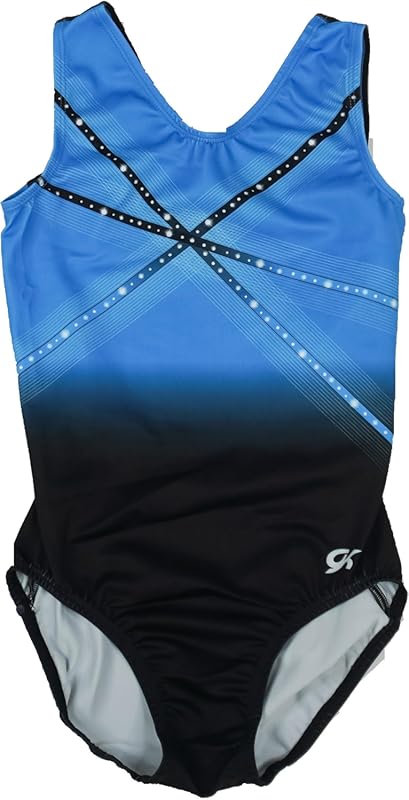
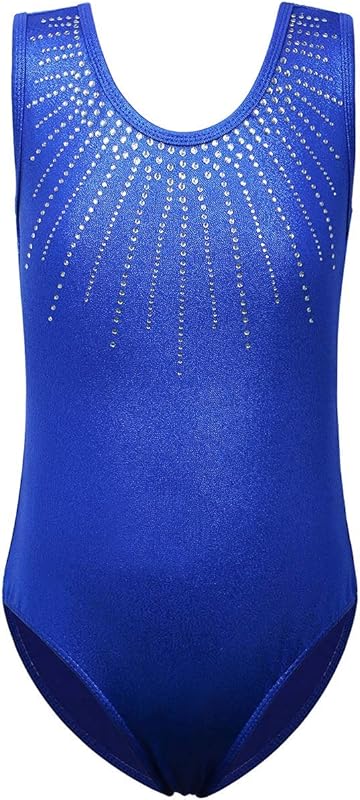
Buying sporting goods doesn’t have to mean draining your wallet on brand-new gear. Whether you’re a weekend warrior, a parent outfitting a growing athlete, or someone just testing out a new sport, secondhand sporting goods stores offer an incredible opportunity to save money without sacrificing quality. In 2026, the market for pre-owned sports equipment is more robust than ever—driven by sustainability trends, rising retail prices, and a growing awareness of circular economy benefits. From gently used golf clubs to lightly worn running shoes, the secondhand sports gear landscape is rich with value, variety, and smart shopping potential.
This comprehensive guide is designed to help you navigate that landscape with confidence. Whether you’re shopping online or browsing a local consignment shop, we’ll walk you through everything you need to know to make informed, smart purchases. You’ll learn how to assess condition, identify red flags, compare types of gear, avoid common pitfalls, and stretch your budget further than you thought possible. We’ll also share expert tips, real-world examples, and practical advice to ensure you walk away with gear that performs well, lasts long, and fits your needs—without overspending.
The secondhand sports gear market has evolved significantly in recent years. What was once limited to dusty garage sales and sketchy online listings now includes reputable retailers, certified refurbishers, and peer-to-peer platforms with buyer protections. Brands like REI, Play It Again Sports, and Decathlon now offer robust used gear programs, while platforms like eBay, Facebook Marketplace, and Poshmark have become go-to destinations for affordable athletic equipment. Even niche markets—think climbing harnesses, snowboards, or pickleball paddles—are seeing increased availability in the pre-owned space. With the right knowledge, you can tap into this thriving ecosystem and get high-quality gear at a fraction of the retail price.
What to Look for When Buying Buying Guide
1. Budget & Price Range
Setting a clear budget is the foundation of any successful secondhand purchase. Unlike buying new, where prices are standardized, secondhand gear can vary wildly in cost depending on condition, brand, demand, and seller. Before you start shopping, determine how much you’re willing to spend—not just on the item itself, but also on potential repairs, cleaning, or accessories you might need to buy separately.
A good rule of thumb is to aim for 30% to 60% off the original retail price, though some items—especially those in high demand or limited supply—may only be 10% to 20% cheaper. For example, a $300 road bike might sell used for $150 to $220, while a $150 tennis racket could go for $60 to $100. Be wary of deals that seem too good to be true; they often are. A $50 carbon fiber road bike, for instance, is almost certainly stolen or severely damaged.
Also consider hidden costs. A used treadmill might be cheap upfront, but if it needs a new belt or motor, you could end up spending more than a new model. Factor in shipping, assembly, or professional inspection fees when calculating your total investment.
2. Performance Specifications
Just because gear is used doesn’t mean it should underperform. High-quality sporting equipment is built to last, and many secondhand items retain most of their original performance capabilities—especially if they’ve been well-maintained. When evaluating used gear, focus on key performance metrics relevant to the sport.
For example, if you’re buying a used road bike, check the drivetrain wear (chain, cassette, chainrings), brake pad condition, and tire tread. A worn chain can stretch over time, causing poor shifting and damaging other components. Similarly, for golf clubs, inspect the grooves on the irons—worn grooves reduce spin and control. For running shoes, look at the midsole compression; if the foam feels flat or unresponsive, the shoe has likely lost its cushioning.
Performance also depends on compatibility. A used mountain bike with a 1x drivetrain might not suit a rider who prefers multiple gears for climbing. A tennis racket with a stiff frame might be uncomfortable for someone with arm sensitivity. Always match the gear’s specs to your skill level, body type, and playing style.
3. Build Quality & Durability
Durability is one of the biggest advantages of buying secondhand—if you choose wisely. High-end brands often use superior materials and construction techniques that allow their products to withstand years of use. For instance, a used Yeti cooler or a Patagonia jacket can last decades with proper care, making them excellent secondhand investments.
When assessing build quality, look for signs of robust construction: reinforced stitching, solid welds, quality zippers, and corrosion-resistant hardware. Avoid items with visible rust, cracked frames, or delaminated layers (common in composite hockey sticks or snowboards). For footwear, check the outsole for even wear—uneven patterns may indicate alignment issues or overuse.
Also consider the item’s age. While “vintage” can be cool, some materials degrade over time regardless of use. Rubber seals on hydration bladders, elastic in resistance bands, and foam in helmets can break down after 5–10 years. Check manufacturing dates if possible, and avoid gear that’s more than a decade old unless it’s been stored properly.
4. Features & Functionality
Modern sporting goods often come with advanced features—adjustable resistance, smart tracking, modular components—that enhance performance and user experience. When buying used, ensure these features still work as intended.
For example, a used Peloton bike might save you $1,000, but if the touchscreen is cracked or the resistance motor is faulty, you’re losing core functionality. Similarly, a used GPS running watch with a dead battery or outdated software may not sync with current apps. Test all buttons, screens, sensors, and moving parts before purchasing.
Also consider whether the features align with your needs. A used ski with built-in heating elements might be overkill if you ski in mild climates. A high-end fishing reel with 15 bearings might be unnecessary for casual weekend anglers. Focus on functionality that adds real value to your experience.
5. Brand Reputation
Brand matters—even in the secondhand market. Well-known brands often have better resale value, wider availability of replacement parts, and stronger community support. They’re also more likely to have been cared for properly by previous owners.
For example, a used Nike or Adidas running shoe from a reputable seller is generally a safer bet than an unknown brand with no reviews. Similarly, a used Yeti cooler from a verified reseller is more trustworthy than a generic cooler from an anonymous online listing.
That said, don’t dismiss lesser-known brands entirely. Some niche manufacturers produce high-quality gear at lower prices. Just do your homework—read reviews, check forums, and verify authenticity.
6. Warranty & Support
One of the biggest concerns with secondhand gear is the lack of warranty. Most manufacturers void warranties once an item is resold, leaving you unprotected if something breaks. However, some retailers and platforms offer their own guarantees.
For example, Play It Again Sports provides a 30-day return policy on used items, and REI offers a one-year warranty on its used gear. Online marketplaces like eBay have buyer protection programs that cover defective or misrepresented items. Always check the return policy before buying.
If warranty is a priority, consider buying from certified refurbishers or retailers with strong customer service. Avoid private sellers who offer “as-is” sales with no recourse.
7. Size & Portability
Fit is critical in sports gear—especially for clothing, footwear, and equipment that interacts directly with your body. A used bike that’s too small or a helmet that doesn’t fit properly can be uncomfortable or even dangerous.
When buying online, rely on detailed size charts and measurements provided by the seller. For shoes, ask for the insole length and width. For bikes, request standover height and reach measurements. If possible, try the item on before purchasing or choose a seller with a flexible return policy.
Portability is another factor, especially for travel or storage. A used kayak might be a great deal, but if it’s 14 feet long and you live in an apartment, it could become a logistical nightmare. Consider weight, foldability, and storage requirements.
8. User Reviews & Ratings
Even in the secondhand market, reputation matters. Before buying from a seller or platform, check their ratings and reviews. On eBay, look for sellers with 98% or higher positive feedback and detailed descriptions. On Facebook Marketplace, check their profile history and mutual connections.
For the gear itself, read reviews of the original product. A used model with thousands of positive reviews is likely a reliable choice. Look for common complaints—frequent breakdowns, poor durability, or design flaws—that might affect your decision.
Different Types of Buying Guide
Common Buying Mistakes to Avoid
❌ Mistake: Ignoring Condition Reports
Why it’s bad: Buying gear without a detailed condition report is like buying a car without a test drive. You might end up with hidden damage, missing parts, or non-functional components.
What to do instead: Always ask for a condition report or detailed photos. Look for signs of wear, rust, cracks, or repairs. If the seller can’t provide this, consider it a red flag.
❌ Mistake: Overlooking Return Policies
Why it’s bad: Without a return option, you’re stuck with defective or ill-fitting gear. This is especially risky with online purchases.
What to do instead: Only buy from sellers or platforms with clear return policies. REI, for example, allows returns within 30 days for used items in original condition.
❌ Mistake: Falling for “Too Good to Be True” Deals
Why it’s bad: Extremely low prices often indicate stolen goods, counterfeit items, or severe damage. You could lose your money or even face legal issues.
What to do instead: Research fair market value. If a $500 bike is listed for $100, ask why. Check serial numbers and verify authenticity.
❌ Mistake: Skipping the Test Fit
Why it’s bad: Ill-fitting gear can cause discomfort, injury, or poor performance. A helmet that’s too loose won’t protect you in a crash.
What to do instead: Try on clothing, shoes, and protective gear before buying. For online purchases, choose sellers with free returns.
❌ Mistake: Neglecting Maintenance Needs
Why it’s bad: Used gear often requires cleaning, lubrication, or part replacement. Ignoring this can shorten its lifespan.
What to do instead: Budget for maintenance. Clean gear thoroughly and replace worn parts like bike chains or skate bearings.
❌ Mistake: Buying Based on Brand Alone
Why it’s bad: A famous brand doesn’t guarantee quality, especially if the item is old or poorly maintained.
What to do instead: Evaluate the specific item, not just the logo. Check reviews, condition, and compatibility with your needs.
❌ Mistake: Not Researching the Seller
Why it’s bad: Scammers and dishonest sellers exist on every platform. You could receive counterfeit or non-functional items.
What to do instead: Check seller ratings, reviews, and history. Avoid deals that require wire transfers or cash payments with no protection.
Budget Guidelines: How Much Should You Spend?
– Entry-Level ($10 – $50): Ideal for kids’ gear, casual use, or trying a new sport. Expect basic functionality, visible wear, and limited lifespan. Great for items like soccer balls, jump ropes, or beginner yoga mats.
– Mid-Range ($50 – $200): The sweet spot for most buyers. You’ll find well-maintained gear from reputable brands, often with 2–5 years of life left. Think used road bikes, golf clubs, or running shoes.
– Premium ($200 – $500): For enthusiasts and serious athletes. High-end components, minimal wear, and strong performance. Examples include carbon fiber bikes, professional-grade skis, or smart fitness equipment.
– Luxury ($500+): Top-tier gear with advanced features, near-new condition, or collectible value. Think vintage racing bikes, limited-edition sneakers, or high-end home gym systems.
Expert Tips for Getting the Best Deal
– Buy Off-Season: Purchase winter gear in spring and summer items in fall. Demand drops, so prices do too. A used snowboard in April can be 40% cheaper than in December.
– Shop Local First: Visit consignment stores, community centers, or school sports swaps. You can inspect gear in person and negotiate prices.
– Use Price Alerts: Set up alerts on eBay or Google for specific items. You’ll be notified when prices drop or new listings appear.
– Negotiate Politely: Most private sellers expect some haggling. Offer 10–20% below asking price and be ready to walk away if they refuse.
– Check for Recalls: Search the CPSC database to ensure the item hasn’t been recalled for safety issues.
– Inspect for Authenticity: Compare logos, stitching, and materials to official product images. Counterfeit gear is common in high-demand categories like sneakers and jerseys.
– Clean and Restore: A little effort goes a long way. Clean gear thoroughly, replace worn parts, and store it properly to extend its life.
– Join Online Communities: Forums like Reddit’s r/homegym or r/bicycletouring often have members selling used gear at fair prices.
Frequently Asked Questions
Q: Is it safe to buy used sports equipment?
A: Yes, as long as you inspect it carefully and buy from reputable sources. Avoid gear with structural damage, and always clean items like helmets and shoes to remove bacteria.
Q: Can I return used gear if it doesn’t work?
A: It depends on the seller. Retailers like REI and Play It Again Sports offer return policies, but private sellers may not. Always check before buying.
Q: How do I know if a used bike is the right size?
A: Measure your inseam and compare it to the bike’s standover height. Most sellers provide frame size (e.g., 56cm). Use online fit calculators for guidance.
Q: Are used helmets safe?
A: Only if they’ve never been in an impact and are less than 5–7 years old. Check for cracks, dents, or faded labels. When in doubt, buy new.
Q: Can I resell gear I bought used?
A: Absolutely. Many people buy used gear specifically to flip it later. Keep it clean, functional, and well-documented to maximize resale value.
Q: What’s the best time of year to buy used sports gear?
A: Late winter for summer sports (e.g., bikes, kayaks) and late summer for winter sports (e.g., skis, snowboards). Post-holiday sales are also great.
Q: How do I clean used sports equipment?
A: Use mild soap and water for most items. For shoes, remove insoles and air dry. For electronics, follow manufacturer guidelines.
Q: Should I buy used gear for my kids?
A: Yes, especially for rapidly growing children. Kids outgrow gear quickly, so buying used saves money. Just ensure safety standards are met.
Q: What if the gear breaks shortly after purchase?
A: Contact the seller immediately. If you bought through a platform with buyer protection, file a dispute. For certified used programs, use the warranty.
Q: Are there tax benefits to buying used?
A: Not directly, but some states exempt used goods from sales tax. Check your local laws.
Our Final Recommendations
– Best for Budget-Conscious Buyers: Local consignment stores like Play It Again Sports. Great selection, in-person inspection, and prices 30–60% below retail.
– Best Overall Value: REI Used Gear. Certified quality, one-year warranty, and a wide range of outdoor and fitness equipment.
– Best Premium Option: eBay (from top-rated sellers). Access to rare, high-end, or vintage gear with buyer protection.
– Best for Beginners: Facebook Marketplace. Easy to use, local pickup, and great for kids’ gear and casual equipment.
– Best for Advanced Users: Specialized forums and brand-certified refurbishers. Ideal for technical gear like climbing equipment or racing bikes.
Conclusion: Making the Right Choice
Buying secondhand sporting goods is a smart, sustainable, and economical choice—if you approach it with knowledge and caution. By focusing on condition, performance, and value, you can find gear that meets your needs without breaking the bank. Remember to set a budget, inspect thoroughly, and buy from trusted sources. Whether you’re upgrading your home gym, outfitting a young athlete, or trying a new sport, the secondhand market offers incredible opportunities to save money and reduce waste.
Don’t let the fear of the unknown hold you back. With the tips and strategies in this guide, you’re equipped to make confident, informed decisions. Start small, learn as you go, and soon you’ll be navigating the world of used sports gear like a pro. Your wallet—and the planet—will thank you.