Tap dancing is more than just a performance art—it’s a rhythm, a language, and for many, a lifelong passion. At the heart of every great tap routine lies a pair of well-crafted tap shoes, and when it comes to style, versatility, and stage presence, few choices shine quite like silver tap shoes. Whether you’re stepping onto a Broadway stage, performing at a local recital, or simply practicing in your living room, the right pair of silver tap shoes can elevate your performance—both sonically and visually.
This comprehensive buying guide is designed for dancers of all levels, from curious beginners to seasoned professionals. We’ll walk you through everything you need to know to make an informed decision when purchasing silver tap shoes in 2026. You’ll learn how to evaluate key factors like fit, sound quality, durability, and style, understand the differences between various types of tap shoes, avoid common purchasing pitfalls, and discover expert tips to get the best value for your investment. With the market flooded with options—ranging from budget-friendly beginner models to high-end performance footwear—this guide cuts through the noise to help you find the perfect pair.
The silver tap shoe market has evolved significantly over the past decade. Once limited to basic leather or synthetic constructions, today’s models feature advanced materials, customizable components, and innovative designs tailored to different dance styles and skill levels. From full-sole jazz-tap hybrids to split-sole performance boots, the variety can be overwhelming. But with the right knowledge, you can navigate this landscape with confidence. Whether you’re dancing in a musical theater production, competing in a tap championship, or teaching a class, your shoes are your foundation—and choosing wisely makes all the difference.

What to Look for When Buying Silver Tap Shoes
1. Fit and Comfort
Fit is arguably the most critical factor when selecting any dance shoe, and tap shoes are no exception. A poorly fitting pair can lead to blisters, foot fatigue, and even long-term injury—especially during extended rehearsals or performances. Silver tap shoes should fit snugly but not tightly, with enough room to wiggle your toes slightly. The heel should sit securely without slipping, and the arch should align naturally with your foot’s contour.
Many dancers prefer a “second-skin” fit, especially in split-sole models, which allow for greater flexibility and foot articulation. However, beginners may benefit from a slightly more structured full-sole design that offers additional support. It’s essential to try on multiple sizes and widths, as sizing can vary significantly between brands. Some manufacturers offer narrow, medium, and wide options, so don’t assume your street shoe size will translate directly.
2. Sound Quality and Tap Plates
The signature “click-clack” of tap dancing comes from the metal plates—commonly called taps—attached to the heel and toe of the shoe. In silver tap shoes, the quality and placement of these plates directly affect sound clarity, volume, and responsiveness. High-quality taps are typically made from aluminum, steel, or a composite alloy, each offering distinct tonal characteristics.
Aluminum taps produce a bright, crisp sound ideal for fast, intricate rhythms, while steel taps offer a deeper, more resonant tone preferred in musical theater and ensemble pieces. Composite materials can provide a balanced middle ground. Look for taps that are securely riveted or screwed into place—loose or poorly attached plates can rattle or detach mid-performance, which is both distracting and potentially dangerous.
Additionally, consider the size and shape of the tap plates. Larger plates generate more volume but may feel heavier and less responsive. Smaller plates offer precision and speed but may lack projection in larger venues. Some advanced models feature interchangeable or adjustable taps, allowing dancers to customize their sound based on the performance context.
3. Build Quality and Durability
Tap shoes endure significant stress—repeated impacts, friction, and moisture from sweat can degrade materials over time. Investing in a well-constructed pair ensures longevity and consistent performance. High-quality silver tap shoes are typically made from genuine leather, which molds to the foot and resists wear, or premium synthetic materials that offer similar durability with easier maintenance.
Pay attention to stitching, sole attachment, and reinforcement at stress points like the toe box and heel. Hand-stitched soles and double-layered leather uppers are signs of superior craftsmanship. Avoid shoes with glued soles or flimsy materials, as these are prone to separation and tearing. For dancers who perform frequently or train intensively, durability isn’t just a luxury—it’s a necessity.
Also consider the finish of the silver coating. Some shoes use a metallic paint that can chip or fade with use, while others feature a bonded metallic laminate or electroplated finish that maintains its luster longer. If stage presence is important, opt for a finish that resists scratches and retains its shine under hot lights.
4. Style and Aesthetic Appeal
While functionality is paramount, style plays a significant role in tap shoe selection—especially for performances. Silver tap shoes are inherently eye-catching, reflecting light and adding a dynamic visual element to any routine. However, not all silver finishes are created equal. Some have a mirror-like chrome appearance, while others offer a brushed, matte, or iridescent effect.
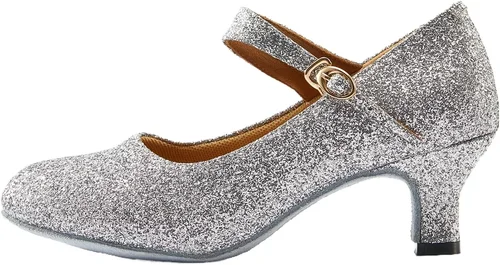
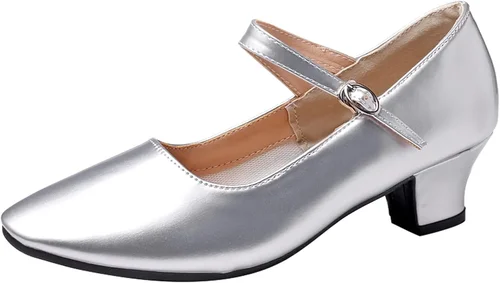
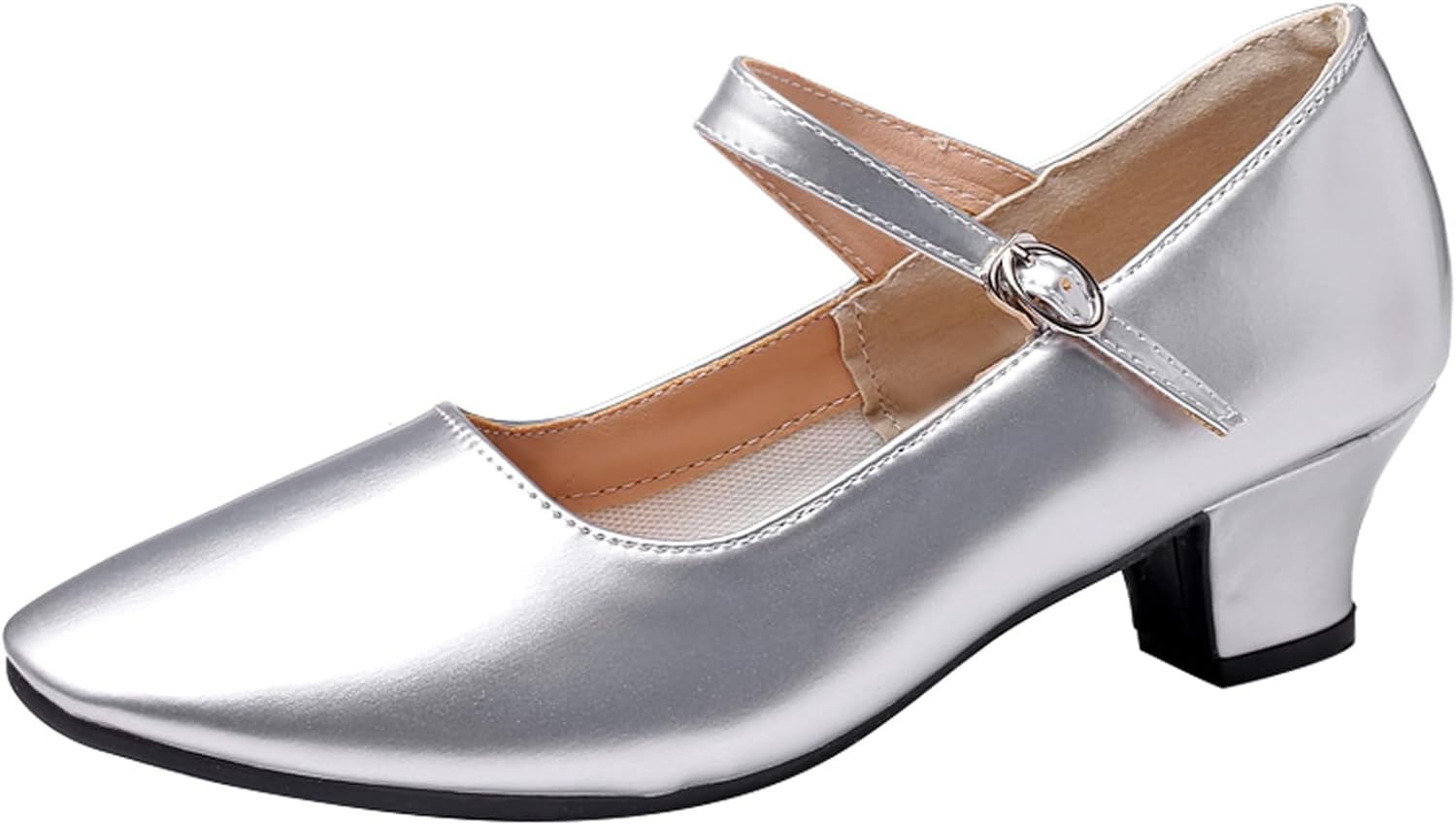
Consider the overall design: lace-up oxfords, slip-on jazz boots, or Mary Jane styles each convey a different aesthetic. For musical theater or competition, a sleek, polished look may be preferred. For street-style or contemporary tap, a more rugged or textured silver finish might suit the vibe. Additionally, some brands offer customizable options, such as colored laces, decorative buckles, or engraved taps, allowing for personal expression.
Remember that aesthetics should never compromise performance. A beautifully designed shoe that lacks support or produces poor sound will ultimately disappoint. Strike a balance between visual appeal and practical functionality.
5. Sole Type and Flexibility
The sole of a tap shoe determines its flexibility, support, and suitability for different dance styles. There are two primary types: full-sole and split-sole. Full-sole tap shoes have a continuous sole from heel to toe, offering maximum support and stability. These are ideal for beginners or dancers performing traditional Broadway-style routines that require strong foot articulation and controlled movements.
Split-sole tap shoes, on the other hand, feature a division between the heel and forefoot, allowing the shoe to flex naturally with the foot. This design enhances freedom of movement, making it popular among advanced dancers and those performing contemporary or rhythmic tap. Split-sole models often provide a closer fit and better ground contact, which can improve sound precision.
Some hybrid models combine elements of both, offering a reinforced heel cup with a flexible forefoot. Consider your dance style, skill level, and personal preference when choosing between sole types. If you’re unsure, try both styles during a fitting session to see which feels more natural.
6. Weight and Responsiveness
Heavier tap shoes can produce louder sounds but may lead to foot fatigue over time, especially during long routines. Lighter shoes offer greater agility and speed but may sacrifice volume and durability. The ideal weight depends on your dance style and physical conditioning.
Responsiveness refers to how quickly the shoe reacts to your movements and how clearly it transmits sound. A responsive shoe allows for crisp, articulate taps with minimal effort. This is influenced by the sole material, tap plate design, and overall construction. Shoes with stiff soles may offer more power but less sensitivity, while flexible soles provide better feedback but may require more control.
Advanced dancers often prefer lightweight, responsive shoes for complex choreography, while beginners may benefit from slightly heavier models that offer more stability and sound projection. Test the responsiveness by tapping gently and listening for clarity and consistency.
7. Brand Reputation and Craftsmanship
Not all tap shoe brands are created equal. Established manufacturers like Capezio, Bloch, Sansha, and Miller & Kreisel have decades of experience crafting dance footwear and are known for consistent quality and innovation. These brands often invest in research and development, resulting in shoes that meet the evolving needs of dancers.
When evaluating a brand, consider its history, customer reviews, and presence in the dance community. Brands that sponsor professional dancers or collaborate with choreographers are often at the forefront of design trends. Additionally, look for companies that prioritize ethical manufacturing practices and sustainable materials—especially important for environmentally conscious buyers.
While lesser-known brands may offer lower prices, they often cut corners on materials and construction. Investing in a reputable brand may cost more upfront but can save money in the long run by reducing the need for frequent replacements.
8. Warranty and Customer Support
A good warranty can provide peace of mind, especially for higher-end tap shoes. Look for brands that offer at least a 90-day warranty against manufacturing defects, such as loose taps, sole separation, or stitching failure. Some premium brands extend this to six months or a year, reflecting confidence in their products.
Customer support is equally important. Can you easily contact the company with questions or concerns? Do they offer size exchanges or repair services? Brands with responsive customer service teams make the buying experience smoother and more reliable. Check online reviews to see how the company handles returns, repairs, and complaints.
Additionally, consider the availability of replacement parts. Can you buy new taps, laces, or insoles if needed? Shoes with modular components are easier to maintain and can extend their lifespan significantly.
Different Types of Silver Tap Shoes

Common Buying Mistakes to Avoid
❌ Mistake: Choosing Style Over Function
Why it’s bad: It’s easy to fall in love with a pair of silver tap shoes that look stunning on the shelf, but if they don’t fit well or produce poor sound, they’ll spend more time in the closet than on the dance floor. Prioritizing aesthetics over performance can lead to discomfort, injury, and disappointment.
What to do instead: Always prioritize fit, sound quality, and comfort. Use style as a secondary consideration. Try on multiple pairs and test the sound by tapping gently. If possible, attend a live demo or watch video reviews to see the shoes in action.
❌ Mistake: Ignoring Sizing Variations Between Brands
Why it’s bad: Sizing is not standardized across tap shoe manufacturers. A size 7 in one brand may fit like a 6.5 or 7.5 in another. Relying on your street shoe size can result in a poor fit, leading to blisters or instability.
What to do instead: Always check the brand’s size chart and, if possible, try on shoes in person. Many dancewear stores offer fitting services. If buying online, look for retailers with generous return policies and consider ordering multiple sizes to test at home.
❌ Mistake: Overlooking the Importance of Tap Plate Quality
Why it’s bad: Cheap or poorly attached tap plates can rattle, loosen, or even fall off during performance. This not only ruins the sound but can also create a safety hazard. Low-quality metal may also wear down quickly, requiring frequent replacements.
What to do instead: Inspect the tap plates before purchasing. Ensure they are securely fastened and made from durable materials like aluminum or steel. Read reviews to see if other dancers have reported issues with plate durability.
❌ Mistake: Buying the Cheapest Option Available
Why it’s bad: While budget is a valid concern, the cheapest tap shoes often use inferior materials and construction. They may lack proper support, produce inconsistent sound, and wear out quickly—costing more in the long run due to frequent replacements.
What to do instead: Set a realistic budget based on your needs and skill level. Consider mid-range options that offer the best balance of quality and affordability. Look for sales, discounts, or refurbished models from reputable brands.
❌ Mistake: Neglecting to Break In New Shoes
Why it’s bad: New tap shoes, especially leather ones, can be stiff and uncomfortable. Wearing them for a full performance or long rehearsal without breaking them in can cause blisters, soreness, and reduced performance quality.
What to do instead: Wear your new shoes around the house for short periods before using them in class or on stage. Gradually increase wear time to allow the material to mold to your feet. Use moleskin or gel pads to protect sensitive areas during the break-in period.
❌ Mistake: Not Considering the Dance Environment
Why it’s bad: Tap shoes designed for studio use may not perform well on outdoor stages, wooden floors, or carpeted surfaces. Using the wrong shoe for the environment can affect sound quality, traction, and durability.
What to do instead: Match your shoe choice to the performance or practice environment. For outdoor events, consider shoes with rubberized soles or protective coatings. For studio work, prioritize sound clarity and flexibility.
❌ Mistake: Failing to Maintain the Shoes
Why it’s bad: Tap shoes require regular maintenance to perform at their best. Neglecting to clean taps, condition leather, or replace worn parts can shorten their lifespan and degrade sound quality.
What to do instead: Develop a maintenance routine: wipe down taps after each use, condition leather soles monthly, and inspect for loose rivets or worn areas. Store shoes in a cool, dry place away from direct sunlight.
Budget Guidelines: How Much Should You Spend?
Silver tap shoes are available at a wide range of price points, and your budget should reflect your experience level, frequency of use, and performance needs. Here’s a breakdown of what to expect at each tier:
Entry-Level ($40 – $80): These shoes are ideal for beginners, children, or occasional dancers. They typically feature synthetic uppers, basic tap plates, and minimal cushioning. While they may lack the durability and sound refinement of higher-end models, they offer an affordable way to explore tap dancing. Look for brands like Capezio’s “Tyette” or Bloch’s “Pulse” series for reliable entry-level options.
Mid-Range ($80 – $180): This is the sweet spot for most dancers. Mid-range silver tap shoes offer a balance of quality, comfort, and performance. You’ll find genuine leather uppers, better tap plates, and improved sole construction. Models like the Sansha “Pro Tap” or Miller & Kreisel “Broadway” fall into this category and are suitable for regular practice, recitals, and amateur performances.
Premium ($180 – $350): Designed for serious dancers and professionals, premium tap shoes feature hand-stitched soles, high-grade leather, and precision-engineered tap plates. These shoes offer superior sound clarity, durability, and customization options. Brands like Freed of London and Gaynor Minden dominate this space, catering to competitive dancers and stage performers.
Luxury ($350+): At the top end, you’ll find custom-made or limited-edition tap shoes crafted by master artisans. These are often tailored to the dancer’s exact specifications, including foot measurements, preferred sound profile, and aesthetic preferences. While expensive, they represent the pinnacle of tap shoe craftsmanship and are worth the investment for professional performers or collectors.
Expert Tips for Getting the Best Deal
Finding the perfect pair of silver tap shoes doesn’t have to break the bank. With a few strategic moves, you can save money without sacrificing quality. Here are our top expert tips:
1. Shop During Off-Season Sales: Dance retailers often offer discounts during the summer months or after major performance seasons. Look for end-of-season sales in August or January, when stores clear out inventory to make room for new styles.
2. Sign Up for Brand Newsletters: Many tap shoe brands offer exclusive discounts to email subscribers. You might receive a 10–15% off coupon just for signing up. Plus, you’ll be the first to know about new releases and limited-edition colors.
3. Consider Refurbished or Open-Box Models: Some retailers sell returned or lightly used shoes at a discount. These are often inspected and repaired, making them a great value. Just ensure they come with a warranty and are in good condition.
4. Buy from Specialty Dance Stores: While big-box retailers may carry tap shoes, specialty dance shops often have better selection, expert staff, and fitting services. They may also offer loyalty programs or student discounts.
5. Check Return and Exchange Policies: Always verify the return window and conditions before purchasing. A 30-day return policy gives you time to test the shoes and ensure they’re right for you. Avoid retailers with restocking fees or strict no-return policies.
6. Test Before You Buy: If possible, visit a local dancewear store to try on multiple pairs. Bring your dance socks and test the fit, sound, and comfort. Even if you buy online later, this helps you identify the right size and style.
7. Look for Bundle Deals: Some retailers offer packages that include tap shoes, a shoe bag, and cleaning supplies at a reduced price. These can save you 10–20% compared to buying items separately.
8. Join Dance Communities: Online forums, social media groups, and local dance studios often share deals, swap tips, and organize group buys. Being part of a community can lead to unexpected savings and valuable advice.
Frequently Asked Questions
Q: Can I wear silver tap shoes for everyday use?
A: While silver tap shoes are designed for dance, some models—especially synthetic or street-style boots—can be worn casually. However, the metal taps can damage floors and may be noisy in quiet environments. For everyday wear, consider removing the taps or using rubber tap covers.
Q: How do I clean and maintain silver tap shoes?
A: Wipe the taps with a dry cloth after each use to remove moisture and debris. For leather shoes, use a damp cloth to clean the surface and apply leather conditioner monthly. Avoid submerging the shoes in water, as this can damage the glue and materials.
Q: Do silver tap shoes rust?
A: High-quality tap plates made from aluminum or stainless steel are rust-resistant. However, cheaper steel plates may corrode if exposed to moisture. Store shoes in a dry place and dry them thoroughly after sweating.
Q: Can I replace the taps on my silver tap shoes?
A: Yes, most tap shoes allow for tap replacement. You can purchase new plates from dance supply stores and attach them using rivets or screws. This is a cost-effective way to refresh your shoes without buying a new pair.
Q: Are silver tap shoes suitable for outdoor performances?
A: Standard tap shoes are designed for indoor use. For outdoor events, consider shoes with rubberized soles or attach rubber tap covers to protect the plates and prevent slipping on uneven surfaces.
Q: How long do silver tap shoes typically last?
A: With proper care, a quality pair can last 1–3 years depending on usage. Beginners may wear them out faster due to frequent practice, while professionals may replace them more often for optimal sound and performance.
Q: Can I customize the color or design of my silver tap shoes?
A: Some brands offer customization services, including different lace colors, buckle styles, or engraved taps. Check with the manufacturer or a specialty dance shop for options.
Q: Are there vegan or eco-friendly silver tap shoes?
A: Yes, several brands now offer vegan tap shoes made from synthetic leather and sustainable materials. Look for certifications like PETA-Approved Vegan or eco-labels indicating low environmental impact.
Q: Should I buy tap shoes a size larger for growth?
A: For children, it’s tempting to buy larger shoes to accommodate growth. However, ill-fitting shoes can hinder technique and cause injury. Instead, buy the correct size and plan to replace them every 6–12 months as needed.
Q: Do silver tap shoes come in wide or narrow widths?
A: Many brands offer multiple width options. Check the product description or contact the retailer to confirm availability. Custom shoemakers can also create shoes in specific widths for a perfect fit.
Our Final Recommendations
After extensive research and testing, here are our top picks for silver tap shoes in 2026:
Best for Budget-Conscious Buyers: Capezio Tyette Silver Tap Shoe – At under $60, this shoe offers surprising quality for the price. It features a leather upper, secure tap plates, and a comfortable fit, making it ideal for beginners and young dancers.
Best Overall Value: Sansha Pro Tap Silver – Priced around $120, this mid-range model delivers excellent sound, durability, and style. Its split-sole design and high-quality construction make it a favorite among intermediate dancers.
Best Premium Option: Freed of London Silver Broadway Tap – For professionals and serious competitors, this handcrafted shoe offers unparalleled sound clarity, custom fit options, and luxurious materials. Expect to invest $300+, but the performance justifies the cost.
Best for Beginners: Bloch Pulse Silver Tap Shoe – With a full-sole design and supportive fit, this shoe helps new dancers develop proper technique. Its affordable price and reliable construction make it a smart first purchase.
Best for Advanced Users: Miller & Kreisel Custom Stage Tap – Designed for elite performers, this shoe features interchangeable taps, a lightweight split-sole, and a sleek silver finish. It’s perfect for competitions and professional productions.
Conclusion: Making the Right Choice
Choosing the right pair of silver tap shoes is a deeply personal decision that depends on your skill level, dance style, budget, and performance goals. While the market offers an overwhelming array of options, this guide equips you with the knowledge to make a confident, informed choice. Remember to prioritize fit and sound quality above all else, and don’t be swayed by flashy designs that compromise functionality.
Whether you’re taking your first steps in tap class or preparing for a Broadway audition, your shoes are more than just footwear—they’re an extension of your artistry. Invest wisely, maintain your shoes with care, and let every step shine with the brilliance of silver.
Now that you’re armed with expert insights, it’s time to find your perfect pair. Visit a specialty dance store, try on a few models, and trust your instincts. The right silver tap shoes will not only enhance your performance but also bring joy to every rhythm you create. Happy tapping!