Snooker is more than just a game—it’s a precision sport where every detail matters. From the smoothness of your stroke to the consistency of your cue’s performance, the smallest variables can make the difference between a perfect pot and a missed opportunity. While the cue itself is the star of the show, it’s the accessories that often get overlooked—yet they play a critical role in maintaining performance, protecting your investment, and enhancing your overall playing experience. Whether you’re a weekend club player or a serious competitor, having the right snooker cue accessories can elevate your game in ways you might not expect.
This comprehensive guide is designed to help you navigate the often-confusing world of snooker cue accessories in 2026. We’ll walk you through everything you need to know—from essential maintenance tools to performance-enhancing add-ons—so you can make informed decisions that align with your skill level, playing style, and budget. You’ll learn how to evaluate quality, avoid common pitfalls, and choose accessories that not only protect your cue but also improve your accuracy, comfort, and consistency at the table. With the market flooded with options ranging from budget-friendly basics to high-end professional gear, knowing what truly matters is more important than ever.
The snooker accessory market has evolved significantly in recent years. Advances in materials science, ergonomic design, and manufacturing precision have led to a new generation of products that offer better durability, functionality, and value than ever before. From carbon fiber cue cases to self-cleaning chalk applicators, today’s accessories are smarter, more durable, and more tailored to the needs of modern players. However, this abundance of choice can be overwhelming. That’s why this guide cuts through the noise, focusing on what actually impacts your game. Whether you’re looking to upgrade your current setup or build a complete kit from scratch, you’ll find expert insights, practical advice, and actionable recommendations to help you get the most out of every shot.

What to Look for When Buying Buying Guide
1. Budget & Price Range
One of the first things to consider when shopping for snooker cue accessories is your budget. Accessories can range from under $10 for basic chalk or tip tools to over $500 for premium cue cases or custom-made extensions. Setting a realistic budget helps narrow your options and prevents overspending on items that offer minimal performance benefits. For beginners, it’s wise to start with essential, low-cost accessories like chalk, a tip shaper, and a basic cue case. As your skills improve and your commitment to the game grows, you can gradually invest in higher-end gear.
Keep in mind that price doesn’t always correlate with quality. Some mid-range products offer excellent value, while certain luxury items may be over-engineered for casual players. A good rule of thumb is to prioritize functionality over branding. Ask yourself: Does this accessory solve a real problem I have? Will it improve my game or protect my cue? If the answer is yes, it’s likely worth the investment—even if it’s not the cheapest option.
2. Performance Specifications
Performance matters—especially when it comes to accessories that directly affect your stroke or cue maintenance. For example, the type of chalk you use can influence grip, spin control, and miscue prevention. High-quality chalk like Taom or Kamui provides better adhesion and reduces slippage, which is crucial for advanced shots like side spin or stun runs. Similarly, tip tools such as scuffers, shapers, and burnishers should be made from durable materials like hardened steel or diamond-coated surfaces to ensure consistent results without damaging the tip.
When evaluating performance specs, look for details like material composition, precision engineering, and compatibility with your cue. A well-made cue extension, for instance, should match the weight and balance of your cue to avoid disrupting your stroke. Likewise, a cue case should offer proper cushioning and compartmentalization to prevent damage during transport. Always check product descriptions and manufacturer specs to ensure the accessory meets your performance needs.
3. Build Quality & Durability
Durability is a make-or-break factor for snooker accessories. A flimsy cue case might save you money upfront, but if it cracks after a few trips to the club, you’ll end up spending more in the long run. High-quality materials like reinforced ABS plastic, aluminum framing, or genuine leather not only last longer but also provide better protection for your cue. Similarly, metal tip tools with rust-resistant coatings will outlast cheaper plastic alternatives.
Pay attention to construction details such as stitching, hinges, zippers, and internal padding. A well-built cue case should have reinforced corners, secure latches, and soft-lined compartments. For smaller accessories like chalk holders or joint protectors, look for snug fits and secure closures to prevent loss or damage. Investing in durable accessories means fewer replacements, less hassle, and better protection for your cue—your most important piece of equipment.
4. Features & Functionality
Modern snooker accessories come with a variety of features designed to improve convenience, performance, and ease of use. For example, some cue cases include built-in chalk trays, tip tool compartments, or even LED lighting for nighttime play. Others offer modular designs that allow you to customize storage for multiple cues, extensions, or spare parts. These extras can be game-changers, especially for players who travel frequently or play in different venues.
Functionality also extends to how an accessory integrates with your routine. A chalk applicator with a built-in cleaner, for instance, saves time and keeps your chalk fresh. A cue rest with adjustable height and angle can help you maintain consistent stance and alignment. When evaluating features, consider your playing habits and environment. Do you play in dimly lit clubs? A case with interior lighting might be useful. Do you often misplace your chalk? A magnetic holder could solve that problem. Choose accessories that align with your specific needs.
5. Brand Reputation
Brand reputation is a strong indicator of reliability and quality in the snooker world. Established brands like Peradon, BCE (Billiards and Cue Sports), and John Parris have decades of experience crafting cues and accessories, and their products are trusted by professionals and amateurs alike. These companies invest in research, use premium materials, and often offer better customer support and warranties.
That said, newer brands and niche manufacturers can also offer excellent value—especially if they focus on innovation or cater to specific player needs. Look for brands with positive reviews, active community engagement, and transparent manufacturing practices. Avoid unknown brands with no track record or overly aggressive marketing claims. A reputable brand not only ensures better quality but also makes it easier to find replacement parts or get help if something goes wrong.
6. Warranty & Support
A solid warranty and responsive customer support can save you time, money, and frustration. Most reputable manufacturers offer at least a one-year warranty on accessories, covering defects in materials or workmanship. Some premium brands go further, offering lifetime guarantees on cases or tip tools. Always read the fine print to understand what’s covered and what’s not—accidental damage, for example, is rarely included.
Customer support is equally important. If you buy a cue case online and it arrives damaged, you want to know the company will respond quickly and fairly. Look for brands with clear return policies, easy-to-reach support teams, and positive feedback from other customers. A good warranty and support system reflect a company’s confidence in its products—and your peace of mind as a buyer.
7. Size & Portability
Portability is crucial for players who travel to clubs, tournaments, or friend’s houses. A bulky or heavy cue case might offer excellent protection, but if it’s difficult to carry, you’re less likely to use it consistently. Consider the size and weight of your accessories, especially if you rely on public transport or have limited storage space.
Look for compact designs that don’t sacrifice functionality. Some cases feature telescopic handles and wheels for easy transport, while others are designed to fit under airplane seats. For smaller accessories, portability means ease of access—chalk holders that clip to your belt or tip tools that fit in your pocket. Balance protection with practicality to ensure your accessories enhance, rather than hinder, your mobility.
8. User Reviews & Ratings
User reviews and ratings are invaluable resources when choosing snooker accessories. They offer real-world insights into performance, durability, and usability that product descriptions often miss. Look for reviews from players with similar skill levels and playing styles to yours. A tip tool praised by a professional might be overkill for a beginner, while a budget case that works for casual players might not hold up under tournament use.
Pay attention to recurring themes in reviews—both positive and negative. If multiple users mention a case’s zipper failing after a few months, that’s a red flag. Conversely, consistent praise for a chalk’s grip or a cue rest’s stability is a strong endorsement. Use review platforms like Amazon, specialized billiards forums, or YouTube unboxing videos to gather diverse perspectives before making a decision.
Different Types of Buying Guide

Common Buying Mistakes to Avoid
❌ Mistake: Prioritizing Price Over Quality
Why it’s bad: Buying the cheapest accessory available might save money upfront, but low-quality products often fail quickly, damage your cue, or deliver inconsistent performance. For example, cheap chalk can crumble easily, leaving residue on your cue and reducing grip.
What to do instead: Invest in mid-range products from reputable brands. They offer the best balance of cost, durability, and performance. Think of accessories as long-term investments in your game.
❌ Mistake: Ignoring Compatibility
Why it’s bad: Not all accessories are universal. A cue extension designed for a 5/16” joint won’t fit a 3/8” joint cue, and a case made for two-piece cues might not accommodate a one-piece model.
What to do instead: Always check your cue’s specifications before buying. Measure joint sizes, cue length, and weight. When in doubt, consult the manufacturer or a knowledgeable retailer.
❌ Mistake: Overlooking Maintenance Needs
Why it’s bad: Many players focus on performance accessories but neglect maintenance tools. A worn tip or dirty shaft can ruin your stroke, even with the best chalk or case.
What to do instead: Build a basic maintenance kit including a tip shaper, scuffer, shaft cleaner, and cloth. Regular upkeep extends your cue’s life and keeps it playing smoothly.
❌ Mistake: Buying Based on Hype
Why it’s bad: Flashy marketing or celebrity endorsements don’t guarantee quality. Some “pro-approved” accessories are overpriced and offer no real advantage over standard models.
What to do instead: Rely on independent reviews, user feedback, and expert recommendations. Test products when possible, and focus on functionality over branding.
❌ Mistake: Neglecting Portability
Why it’s bad: A heavy or bulky case might protect your cue, but if it’s a hassle to carry, you’re less likely to use it consistently—leaving your cue exposed to damage.
What to do instead: Choose a case that balances protection with portability. Look for lightweight materials, ergonomic handles, and compact designs that fit your lifestyle.
❌ Mistake: Skipping the Warranty Check
Why it’s bad: Without a warranty, you’re on your own if a product fails. This is especially risky with electronics like LED cue cases or digital tip analyzers.
What to do instead: Always verify the warranty terms before purchasing. Opt for brands that offer at least a one-year guarantee and responsive customer service.
❌ Mistake: Buying Too Many Accessories at Once
Why it’s bad: It’s tempting to buy a full kit, but many accessories go unused. This wastes money and clutters your setup.
What to do instead: Start with essentials—chalk, tip tool, case—and add items as needed. Focus on what improves your game, not what looks impressive.
Budget Guidelines: How Much Should You Spend?
Entry-Level ($10 – $50): Ideal for beginners or casual players. At this price point, you can get basic chalk, a simple tip shaper, and a soft cue sleeve. While these items won’t offer premium features, they provide essential functionality and protection. Look for bundles or starter kits to maximize value.
Mid-Range ($50 – $150): This is the sweet spot for most players. You can afford a durable hard case, high-quality chalk, and a multi-tool for tip maintenance. These products offer better materials, improved performance, and longer lifespans. Perfect for regular club players who want reliability without overspending.
Premium ($150 – $300): For serious players and tournament competitors. At this level, you’ll find precision-engineered extensions, leather cases with custom interiors, and professional-grade chalk. These accessories are built to last and designed to enhance performance under pressure.
Luxury ($300+): Reserved for enthusiasts, collectors, and professionals. Think handcrafted cases, custom-fitted extensions, and limited-edition accessories. While not necessary for gameplay, these items offer unmatched craftsmanship, prestige, and long-term value.
Expert Tips for Getting the Best Deal
- Shop During Off-Season: Many retailers offer discounts on snooker accessories during the summer months when demand is lower. Keep an eye out for end-of-season sales or clearance events.
- Compare Online and In-Store Prices: Online retailers often have lower overhead and can pass savings to customers. However, in-store purchases let you inspect quality firsthand. Use both to your advantage.
- Sign Up for Newsletters: Brands and retailers frequently send exclusive discounts to subscribers. A 10% off coupon can make a big difference on higher-priced items.
- Check Return Policies: Even the best products can have defects or compatibility issues. Choose retailers with flexible return windows—ideally 30 days or more.
- Buy in Bundles: Many companies offer discounted bundles that include a case, chalk, and tip tools. These can save 15-20% compared to buying items separately.
- Test Before You Buy: If possible, try accessories at a local club or store. Feel the weight of a case, test the grip of chalk, or check the fit of an extension.
- Read the Fine Print: Warranties, shipping costs, and restocking fees can affect the true cost of a product. Always review terms before completing your purchase.
- Join Player Communities: Online forums and social media groups often share deals, reviews, and recommendations. Fellow players can be a great resource for finding hidden gems.

Frequently Asked Questions
Q: Do I really need a cue case, or can I just carry my cue in a sleeve?
A: A sleeve offers basic protection but lacks rigidity and padding. For regular travel or storage, a hard case is strongly recommended. It prevents bending, impact damage, and environmental exposure, especially for high-end cues.
Q: How often should I replace my chalk?
A: Chalk should be replaced every 1-2 months with regular use, or when it becomes hard, crumbly, or discolored. Fresh chalk provides better grip and reduces the risk of miscues.
Q: Can I use pool chalk on a snooker cue?
A: While technically possible, pool chalk is often softer and less dense than snooker-specific chalk. For optimal performance, use chalk formulated for snooker, which offers better adhesion and durability.
Q: What’s the difference between a tip shaper and a scuffer?
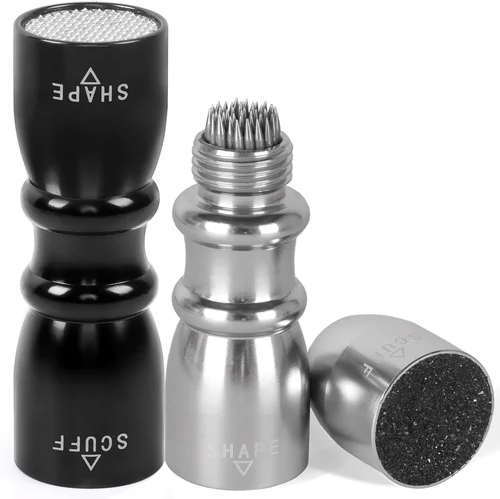
A: A tip shaper (or trimmer) removes excess leather to maintain the tip’s dome shape. A scuffer roughens the surface to improve chalk absorption. Both are essential for tip maintenance but serve different purposes.
Q: Are cue extensions worth it?
A: Yes, especially for players who struggle with long shots or awkward angles. A well-balanced extension maintains your cue’s feel and improves reach without disrupting your stroke.
Q: How do I clean my cue shaft?
A: Use a soft cloth and a specialized cue cleaner or mild soap solution. Avoid harsh chemicals or excessive moisture, which can damage the wood. Clean regularly to remove chalk dust and oils.
Q: Should I buy a one-piece or two-piece cue case?
A: Two-piece cases are more common and versatile, accommodating most standard cues. One-piece cases offer better protection for long cues but are less portable. Choose based on your cue type and travel needs.
Q: Can I repair a damaged cue tip myself?
A: Minor shaping and scuffing can be done at home with the right tools. However, severe damage or re-tipping should be handled by a professional to avoid further harm.
Q: Are expensive accessories really better?
A: Not always. While premium products often use better materials and craftsmanship, many mid-range options offer excellent performance. Focus on functionality and compatibility over price alone.
Q: Where’s the best place to buy snooker accessories?
A: Reputable online retailers like Amazon, Billiards Direct, or specialized snooker shops offer wide selections and competitive prices. Local clubs may also sell accessories, though selection is often limited.
Our Final Recommendations
Best for Budget-Conscious Buyers: The BCE Essential Maintenance Kit ($25) includes chalk, a tip shaper, and a cleaning cloth—everything a beginner needs to keep their cue in good condition without breaking the bank.
Best Overall Value: The Peradon Pro-Line Cue Case ($120) offers excellent protection, durable construction, and smart storage compartments. It’s a reliable choice for regular players who want quality without luxury pricing.
Best Premium Option: The John Parris Signature Leather Case ($450) is handcrafted from premium materials, features custom foam lining, and includes a built-in chalk tray. Ideal for serious players who value craftsmanship and protection.
Best for Beginners: The Taom Green Chalk ($12) is widely regarded as one of the best chalks for grip and consistency. Paired with a basic tip tool, it’s a great starting point for new players.
Best for Advanced Users: The BCE Precision Cue Extension ($85) is machined to exact tolerances, ensuring perfect balance and seamless integration with your cue. A must-have for tournament players.
Conclusion: Making the Right Choice
Choosing the right snooker cue accessories isn’t just about buying gear—it’s about investing in your game. The right chalk, case, or tip tool can improve your accuracy, protect your cue, and make every session more enjoyable. By focusing on quality, compatibility, and functionality, you can build a setup that supports your growth as a player.
Remember, there’s no one-size-fits-all solution. Your ideal accessories depend on your skill level, playing frequency, and personal preferences. Start with the essentials, listen to your cue’s needs, and upgrade thoughtfully. And most importantly, don’t let accessories distract from the joy of the game. They’re tools—not trophies.
Use this guide as your roadmap. Compare options, read reviews, and prioritize what truly matters to you. Whether you’re stepping up to the table for the first time or preparing for your next tournament, the right accessories will be there with you—quietly, reliably, and effectively. Now go out there, chalk up, and play your best.