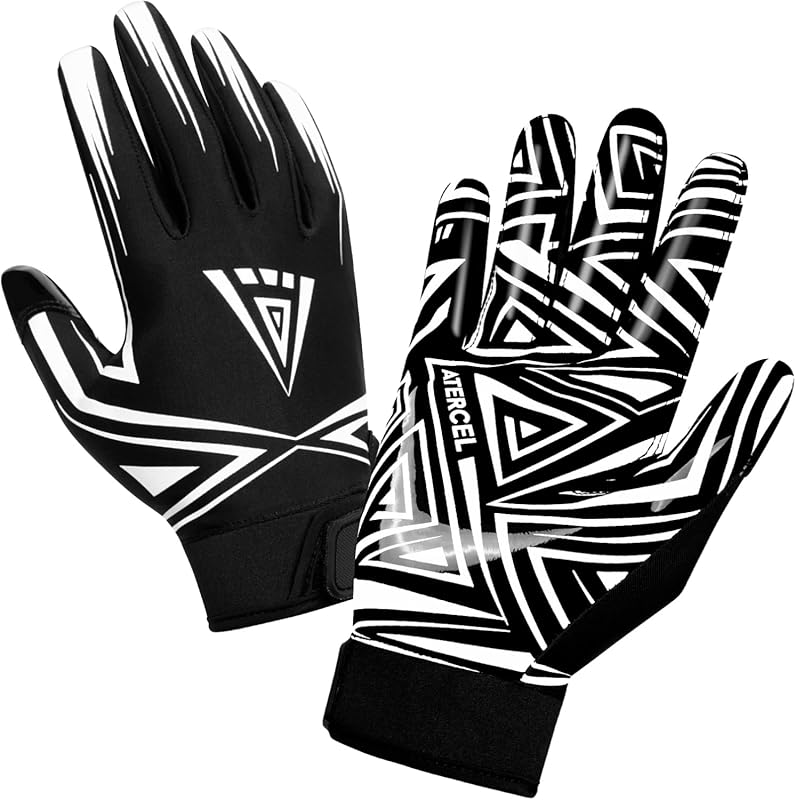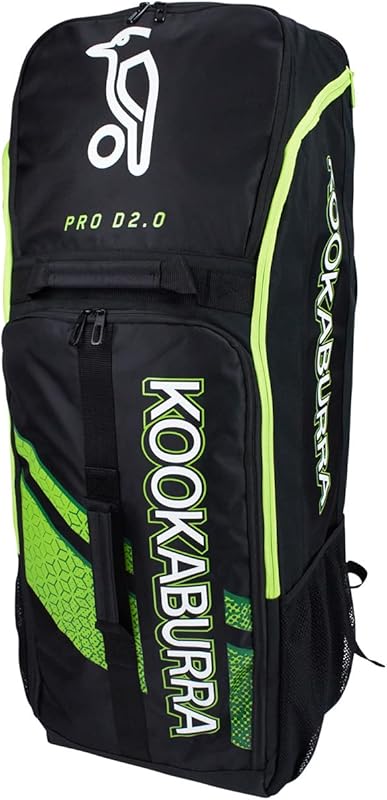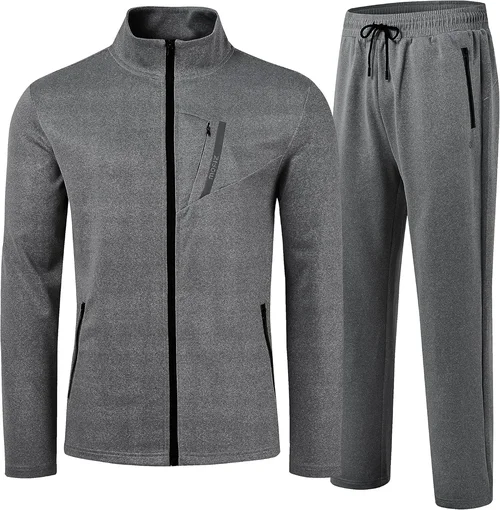
Whether you’re gearing up for a weekend fishing trip on Gull Lake, lacing up for a pickup hockey game at the Brainerd Sports Center, or preparing your kids for their first soccer season, choosing the right sporting goods store in Brainerd, MN, can make all the difference. With Minnesota’s four-season climate and Brainerd’s deep-rooted outdoor culture, residents and visitors alike rely on high-quality gear that performs under real-world conditions—from sub-zero winters to humid summer days on the water. Yet, with so many options—both local brick-and-mortar shops and national chains—it’s easy to feel overwhelmed when deciding where to spend your hard-earned money.
This comprehensive buying guide is designed to cut through the noise and help you make smart, informed decisions when shopping for sporting goods in the Brainerd Lakes Area. Whether you’re a seasoned outdoorsman, a weekend warrior, or a parent outfitting a young athlete, this guide will walk you through everything you need to know: from evaluating product quality and understanding price tiers, to avoiding common pitfalls and maximizing value. We’ll also spotlight key stores in the region, compare different categories of gear, and offer expert-backed tips to ensure you walk away with equipment that fits your needs, budget, and lifestyle.
The sporting goods market in Brainerd is unique. It blends the charm of small-town, family-owned businesses with the convenience and selection of larger retailers. Local shops often carry region-specific items—like ice fishing shelters, walleye rods, or snowmobile accessories—that big-box stores might overlook. At the same time, national chains offer competitive pricing, extended return windows, and access to the latest tech in fitness wearables or performance footwear. Understanding how these options stack up against your personal priorities is the first step toward a smarter purchase. By the end of this guide, you’ll not only know what to look for—you’ll know where to go and when to buy.

What to Look for When Buying Sporting Goods
1. Budget & Price Range
Setting a realistic budget is the foundation of any smart sporting goods purchase. In Brainerd, prices can vary dramatically depending on the type of gear, brand, and store. For example, a basic fishing rod might start around $30 at a discount retailer, while a high-performance graphite rod from a specialty shop could cost $200 or more. Similarly, winter gear like insulated boots or snowshoes can range from $50 to over $300.
When establishing your budget, consider not just the upfront cost but also long-term value. A $100 pair of hiking boots that lasts five seasons is often a better investment than a $50 pair that falls apart after one. Also, factor in seasonal sales—many Brainerd stores offer end-of-season discounts in spring (for winter gear) and fall (for summer equipment), which can save you 20–40%.
Pro tip: Don’t forget to account for accessories. A new kayak might be $600, but you’ll also need a paddle, life jacket, roof rack, and possibly a cart—adding another $150–$300 to your total. Always ask store staff about bundle deals or package pricing, especially at local outfitters.
2. Performance Specifications
Performance specs matter—especially in a climate like Brainerd’s, where gear is subjected to extreme temperatures, moisture, and rugged terrain. For example, when buying a tent for Boundary Waters trips, look for a waterproof rating of at least 1500mm, aluminum poles for durability, and a full-coverage rainfly. For fishing reels, consider gear ratio, drag strength, and bearing count—these affect smoothness and casting distance.
In winter sports, insulation type (synthetic vs. down), breathability, and waterproofing are critical. A ski jacket with a 10,000mm waterproof rating and 5,000g breathability will keep you dry and comfortable during long days on the slopes at Buck Hill or Lutsen. For cyclists, frame material (aluminum, carbon, steel), gear range, and tire width determine how well a bike handles Brainerd’s mix of paved trails and gravel roads.
Always ask for spec sheets or compare models side-by-side. Many Brainerd stores, like Scheels or Gander Outdoors, have knowledgeable staff who can explain technical details in plain language. Don’t be afraid to ask: “How does this compare to the model above it?” or “What’s the real-world difference in performance?”
3. Build Quality & Durability
Durability is non-negotiable when you’re relying on gear in remote lakes, dense forests, or icy trails. Cheaply made equipment not only fails when you need it most—it can also be dangerous. A poorly constructed life jacket or a weak ice auger blade can turn a fun outing into a rescue mission.
Look for reinforced stitching, corrosion-resistant hardware, and high-denier fabrics (e.g., 600D nylon vs. 210D). For example, a backpack with YKK zippers and bartacked stress points will last years longer than one with generic components. In fishing gear, stainless steel guides and sealed bearings resist rust from lake water.
Visit local shops like Brainerd Outfitters or Northland Tackle, where staff often use the products they sell and can vouch for their longevity. They’ll tell you which brands hold up after a few seasons of use—something you won’t find on a product label.
4. Features & Functionality
Modern sporting goods come packed with features, but not all are useful. A GPS-enabled fishing watch might sound impressive, but if you’re fishing familiar lakes, a simple depth finder on your boat may be more practical. Focus on features that solve real problems for your activities.
For example, a hunting backpack with a built-in rifle scabbard and hydration sleeve is ideal for long treks, while a minimalist pack suits day hikes. In winter gear, look for pit zips for ventilation, adjustable hoods, and reinforced cuffs. For kids’ sports equipment, adjustable sizing and safety certifications (like ASTM or CE marks) are must-haves.
Test features in-store when possible. Try on boots with thick socks, adjust backpack straps, or simulate casting with a fishing rod. At stores like Dick’s Sporting Goods in Baxter, you can often demo gear in designated areas.
5. Brand Reputation
Brand matters—but not always in the way you think. Well-known brands like Patagonia, Columbia, or Shimano have earned trust through consistent quality and innovation. However, lesser-known regional brands can offer excellent value, especially for niche activities like ice fishing or snowmobiling.
In Brainerd, local favorites include Frabill for ice shelters, Clam for portable fish houses, and St. Croix for premium fishing rods. These brands are often carried by hometown shops and come with strong community support.
Research brands online, but also ask locals. Join Brainerd Facebook groups like “Brainerd Lakes Outdoor Enthusiasts” or visit forums like Fishidy to see what gear real users recommend. A brand with a loyal following in Minnesota is likely built for our climate.
6. Warranty & Support
A solid warranty is a sign of a manufacturer’s confidence in their product—and a safety net for you. Look for at least a one-year warranty on electronics, two years on apparel, and lifetime guarantees on items like backpacks or fishing rods.
For example, Osprey offers an All Mighty Guarantee that covers any damage, no questions asked. Orvis provides a 30-day return policy and lifetime repairs on rods. These policies matter when you’re spending $200+ on gear.
Check if local stores offer in-person support. Can they replace a broken ski binding or restring a tennis racket? Stores like Brainerd Ski & Sport often provide repair services, saving you shipping costs and wait times.
7. Size & Portability
Size and weight affect everything from storage to transport. A bulky kayak is hard to haul to remote lakes, while a heavy backpack can slow you down on long hikes. Consider your vehicle, storage space, and physical ability.
For families, look for gear that’s easy to share or adjust. A tandem kayak or a youth-to-adult adjustable ski pole can grow with your kids. For solo adventurers, ultralight options (under 3 lbs for tents, under 2 lbs for sleeping bags) are worth the premium.
Ask about carrying options: padded straps, wheels, or foldable designs. At REI Co-op (available online with local pickup), staff can help you compare pack sizes and weights side by side.
8. User Reviews & Ratings
Online reviews are powerful—but they’re not infallible. A product with 1,000 five-star reviews might be great, but read the 1- and 2-star ones too. They often reveal real flaws: “Zipper broke after two uses” or “Not warm below 20°F.”
Look for reviews from people in similar climates or activities. A tent praised by desert hikers might not hold up in Minnesota’s wind and rain. Sites like REI, Backcountry, and even Amazon allow filtering by use case (e.g., “cold weather,” “family camping”).
Cross-reference with local feedback. If a fishing lure gets rave reviews online but no one at the Brainerd Bait Shop carries it, there might be a reason. Local knowledge is irreplaceable.
Different Types of Sporting Goods Stores in Brainerd, MN
Common Buying Mistakes to Avoid
❌ Mistake: Buying Based on Price Alone
Why it’s bad: The cheapest option often fails when you need it most. A $20 life jacket might not meet Coast Guard standards, and a $40 tent could leak in a Minnesota thunderstorm.
What to do instead: Focus on value, not just cost. Compare price per use—how much will this item cost over its lifetime? Invest in critical safety gear (life jackets, helmets, ice picks) and save on accessories.
❌ Mistake: Ignoring Local Conditions
Why it’s bad: Gear designed for mild climates won’t cut it in Brainerd. A sleeping bag rated for 40°F will leave you freezing in a January camping trip.
What to do instead: Buy gear rated for at least 10–20°F colder than the lowest expected temperature. Ask locals: “What do you use for ice fishing in January?” or “Which boots handle slush and salt best?”
❌ Mistake: Overlooking Fit and Comfort
Why it’s bad: Ill-fitting gear leads to blisters, fatigue, and frustration. A too-tight ski boot or a backpack that digs into your shoulders ruins the experience.
What to do instead: Try before you buy. Visit stores with fitting areas. For online purchases, check size charts and read fit reviews. Many stores offer free exchanges.
❌ Mistake: Skipping the Warranty Check
Why it’s bad: Without a warranty, a broken zipper or cracked frame means a total loss. Some brands offer no coverage at all.
What to do instead: Always ask about warranty terms. Register your product online. Keep receipts and photos of the item before first use.
❌ Mistake: Buying Trendy Over Functional
Why it’s bad: Flashy gear with unnecessary tech can be heavy, complicated, or fragile. A GPS watch with 50 features is useless if the battery dies in two hours.
What to do instead: Prioritize function. Ask: “What problem does this solve?” Choose simplicity when it enhances reliability.
❌ Mistake: Not Researching Return Policies
Why it’s bad: Some stores have strict return windows (7–14 days) or restocking fees. You might be stuck with gear that doesn’t work.
What to do instead: Read the fine print. Stores like Scheels offer 90-day returns, while others may only accept exchanges. Know your rights before buying.
❌ Mistake: Forgetting About Maintenance
Why it’s bad: Gear degrades over time. A neglected fishing reel seizes up; a dirty tent grows mold.
What to do instead: Learn basic care: rinse gear after use, store dry, lubricate moving parts. Many local shops offer maintenance workshops.
Budget Guidelines: How Much Should You Spend?
Spending wisely means matching your budget to your usage. Here’s a realistic breakdown for common categories in the Brainerd area:
Entry-Level ($20 – $75): Ideal for occasional use or kids’ gear. Think basic fishing rods, youth soccer cleats, or casual hiking boots. Expect simpler materials and fewer features, but adequate for light activity. Great for trying a new sport without a big commitment.
Mid-Range ($75 – $200): The sweet spot for most buyers. This tier offers solid performance, better materials, and reliable brands. Examples include mid-tier spinning reels, all-season jackets, or family camping tents. You’ll get good durability and comfort without overspending.
Premium ($200 – $500): For enthusiasts and frequent users. High-performance skis, advanced fishing electronics, or technical outerwear fall here. Expect superior craftsmanship, advanced features, and longer lifespans. Worth it if you use the gear weekly or in demanding conditions.
Luxury ($500+): Top-tier gear for professionals or serious collectors. Carbon fiber kayaks, custom-fit ski boots, or handcrafted fly rods. These items offer the best performance, aesthetics, and exclusivity—but only justify the cost with heavy use or competitive needs.
Expert Tips for Getting the Best Deal
- Shop Off-Season: Buy winter gear in April–May and summer gear in October–November. Stores clear inventory for new stock, offering 30–50% off.
- Use Local Knowledge: Talk to staff at Brainerd Outfitters or Northland Tackle. They know what works here and often have insider deals.
- Check for Bundles: Many stores offer package deals—kayak + paddle + life jacket for $700 instead of $900 separately.
- Sign Up for Rewards: Scheels, Dick’s, and REI offer loyalty programs with points, discounts, and early access to sales.
- Compare Online & In-Store: Use apps like Honey or CamelCamelCamel to track prices. Some stores match online pricing.
- Attend Local Events: Brainerd hosts outdoor expos and fishing tournaments with vendor discounts and demo days.
- Consider Used Gear: Check Facebook Marketplace, Craigslist, or local consignment shops. Gently used skis or bikes can save 40–60%.
- Test Before You Buy: Attend demo days at Buck Hill or try gear at Scheels’ in-store fishing pond. Hands-on experience beats online specs.

Frequently Asked Questions
Q: Where is the best place to buy fishing gear in Brainerd?
A: For serious anglers, Northland Tackle in downtown Brainerd offers expert advice and regional lures. For broader selection, Scheels in Baxter has a massive fishing department with live tanks and demo rods.
Q: Can I return gear if it doesn’t fit or work?
A: It depends on the store. Scheels and Dick’s offer 90-day returns with receipt. Local shops may have shorter windows—always ask before buying.
Q: Are there stores that rent sporting goods?
A: Yes! Brainerd Outfitters rents kayaks, canoes, and paddleboards. Bucks Unlimited rents snowshoes and cross-country skis in winter.
Q: What’s the best time to buy winter sports gear?
A: April and May. Stores discount skis, boots, and jackets to make room for summer inventory. You can save 30–50%.
Q: Do local stores price match?
A: Some do. Scheels and Dick’s have formal price-matching policies. Smaller shops may match on a case-by-case basis—just ask politely.
Q: How do I know if a life jacket fits properly?
A: It should be snug but not tight, with no gaps at the armholes. Lift the shoulders—if it rides up to your ears, it’s too big. Try it on with the clothes you’ll wear on the water.
Q: Are there eco-friendly gear options in Brainerd?
A: Yes. REI Co-op (online with local pickup) carries sustainable brands like Patagonia and Cotopaxi. Some local shops also stock recycled-content apparel.
Q: Can I get gear repaired locally?
A: Absolutely. Brainerd Ski & Sport repairs skis and snowboards. Northland Tackle services reels. Many shops offer tune-ups for a small fee.
Q: What’s the best store for kids’ sports equipment?
A: Dick’s Sporting Goods in Baxter has a wide range of youth sizes and team sports gear. They also offer team discounts for leagues.
Q: Do I need special gear for Minnesota winters?
A: Yes. Look for gear rated for sub-zero temps, with windproof and waterproof features. Layering is key—base, mid, and outer layers from brands like Smartwool or The North Face work best.
Our Final Recommendations
Best for Budget-Conscious Buyers: Walmart or Target for basics like kids’ cleats, casual bikes, or entry-level fishing kits. Great for trying a new activity without overspending.
Best Overall Value: Scheels in Baxter. Huge selection, knowledgeable staff, competitive pricing, and 90-day returns. One-stop shop for most needs.
Best Premium Option: REI Co-op (online with local pickup). Top-tier brands, lifetime warranties, and expert advice. Ideal for serious hikers, campers, and outdoor enthusiasts.
Best for Beginners: Brainerd Outfitters. Friendly, patient staff who help first-timers choose the right gear. Great for kayaking, fishing, and winter sports.
Best for Advanced Users: Northland Tackle or Bucks Unlimited. Specialized gear, local expertise, and hard-to-find items for ice fishing, hunting, and backcountry adventures.
Conclusion: Making the Right Choice
Choosing the right sporting goods store in Brainerd, MN, isn’t just about finding the lowest price—it’s about finding the right fit for your lifestyle, activities, and values. Whether you prioritize local expertise, wide selection, or long-term durability, the key is to shop with intention. Use this guide to evaluate your needs, compare options, and avoid common pitfalls. Remember: the best gear is the one you’ll actually use, trust, and enjoy for years to come.
Take advantage of Brainerd’s unique blend of small-town charm and retail convenience. Talk to locals, test gear in person, and don’t rush your decision. With the right approach, you’ll not only save money—you’ll enhance every adventure, from sunrise fishing trips to family ski days. Now get out there and make the most of Minnesota’s incredible outdoors.