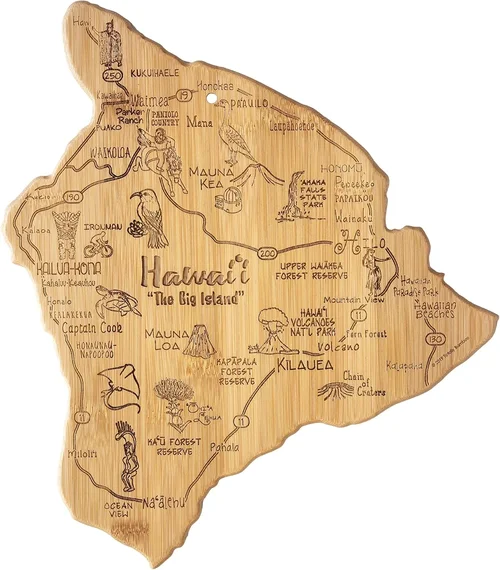
When it comes to staying active in paradise, Hawaii offers one of the most dynamic and diverse sporting environments in the world. From world-class surfing and stand-up paddleboarding to hiking volcanic trails, snorkeling coral reefs, and playing beach volleyball under the tropical sun, the Aloha State is a playground for athletes and outdoor enthusiasts alike. But with such a wide range of activities comes an equally wide range of gear needs—and that’s where choosing the right sporting goods store becomes essential. Whether you’re a local resident gearing up for your next adventure or a visitor looking to rent or buy equipment on the islands, knowing where to shop can make all the difference between a seamless experience and a frustrating one.
This comprehensive guide is designed to help you navigate the unique landscape of sporting goods stores in Hawaii. We’ll walk you through what to look for when shopping, compare different types of retailers, highlight common pitfalls to avoid, and provide expert-backed recommendations based on real-world use cases. You’ll learn how to balance budget, quality, and convenience while ensuring you get gear that’s built to withstand Hawaii’s salty air, intense sun, and rugged terrain. Whether you’re shopping for high-performance surfboards, durable hiking boots, or family-friendly snorkel sets, this guide arms you with the knowledge to make confident, informed decisions.
The sporting goods market in Hawaii is unlike anywhere else. While national chains like Dick’s Sporting Goods and REI have a presence, the real magic happens in locally owned shops that understand the island lifestyle. These stores often carry specialized equipment tailored to Hawaiian conditions—think reef-safe sunscreen, saltwater-resistant wetsuits, and boards shaped specifically for North Shore waves. At the same time, tourism drives demand for rental gear, short-term purchases, and souvenir-style athletic apparel. This blend of local expertise and visitor-friendly services creates a retail environment that’s both competitive and community-oriented. In this guide, we’ll break down everything you need to know to find the best stores, avoid overpaying, and get the right gear for your Hawaiian adventure.

What to Look for When Buying Sporting Goods in Hawaii
1. Local Expertise and Island-Specific Knowledge
One of the most important factors when shopping for sporting goods in Hawaii is choosing a store with deep local knowledge. Unlike mainland retailers that may stock generic gear, Hawaiian sporting goods stores often cater to specific island conditions. For example, surf shops on the North Shore of Oahu will carry boards designed for big wave surfing, while those on Maui might focus more on windsurfing and kiteboarding equipment due to consistent trade winds. Staff at these stores are frequently locals who participate in the sports they sell—meaning they can offer firsthand advice on everything from tide conditions to the best fins for reef breaks.
Look for stores where employees are active in the community—whether they’re surf instructors, dive masters, or trail runners. Their insights can help you avoid buying gear that looks good on paper but fails in real-world Hawaiian conditions. For instance, a wetsuit that works well in California might not be warm enough for winter swells on the Big Island, or a hiking backpack with minimal ventilation could be uncomfortable on a humid Kauai trail. Local expertise ensures you get gear that’s not just functional, but optimized for Hawaii’s unique climate and terrain.
2. Product Selection and Specialization
The range of products a store carries is a strong indicator of its reliability and focus. A well-stocked sporting goods store in Hawaii should offer more than just the basics—it should carry specialized equipment for the island’s most popular activities. For water sports, this means surfboards, SUPs, snorkel gear, dive equipment, and rash guards. For land-based adventures, expect to find hiking boots, trail running shoes, hydration packs, and camping gear suited for volcanic landscapes and tropical forests.
Pay attention to whether a store specializes in certain sports. A shop that focuses exclusively on surfing, for example, is likely to have a deeper selection of boards, wax, leashes, and accessories than a general sporting goods retailer. Similarly, dive shops often carry high-quality regulators, BCDs, and dive computers, along with certification services. If you’re into niche activities like outrigger canoeing, rock climbing, or stand-up paddle yoga, seek out stores that cater to those communities. A broad but shallow inventory may look impressive, but a focused, well-curated selection usually means better quality and more knowledgeable staff.
3. Quality and Durability of Gear
Hawaii’s environment is tough on equipment. Saltwater corrosion, intense UV exposure, and abrasive volcanic rock can quickly degrade low-quality gear. When evaluating sporting goods, prioritize durability and materials designed to withstand these conditions. For example, look for surfboards made with epoxy resins that resist dings and UV damage, or hiking boots with Vibram soles and quick-drying mesh uppers. Saltwater-resistant zippers, corrosion-proof hardware, and fade-resistant fabrics are also key indicators of long-lasting gear.
Don’t be swayed by flashy branding or low prices alone. A $50 snorkel set might seem like a bargain, but if the mask fogs constantly or the fins crack after a few uses, it’s a false economy. Instead, invest in reputable brands known for durability—such as Scubapro for dive gear, Patagonia for outdoor apparel, or Channel Islands for surfboards. Many local Hawaiian shops carry these brands because they’ve proven their worth in island conditions. Always check construction details: reinforced stitching, double-sealed seams, and rust-proof buckles are signs of thoughtful design.
4. Rental and Demo Options
For visitors or those trying a new sport, rental and demo programs are invaluable. Many Hawaiian sporting goods stores offer rental gear for activities like snorkeling, surfing, kayaking, and paddleboarding. This allows you to test equipment before committing to a purchase, which is especially useful for expensive items like surfboards or dive kits. Some shops even offer demo days where you can try different board shapes or wetsuit thicknesses in real conditions.
When evaluating rental options, ask about maintenance and hygiene practices. Well-maintained gear should be clean, functional, and regularly inspected. For example, snorkel masks should have clear lenses and comfortable silicone skirts, while rental surfboards should be free of major dings or soft spots. Stores that take pride in their rental inventory often extend that care to their retail products. Additionally, some shops offer “rent-to-own” programs, where a portion of your rental fee goes toward a future purchase—ideal for travelers who fall in love with a particular board or paddle.
5. Customer Service and After-Sales Support
Exceptional customer service can elevate a good store to a great one. In Hawaii, where many customers are tourists or first-time participants in water sports, clear communication and helpful guidance are crucial. Look for stores where staff take time to explain product features, fit gear properly, and offer safety tips. For example, a knowledgeable employee might recommend a longer leash for bigger waves or advise against certain fins for beginners.
After-sales support is equally important. Does the store offer repairs? Can they help with warranty claims? Some local shops provide free board ding repairs, wetsuit patching, or gear adjustments—services that can save you money and extend the life of your equipment. Others partner with certified technicians for more complex fixes, like regulator servicing or electronic dive computer calibration. A store that stands behind its products with strong support is more likely to earn your long-term loyalty.
6. Location and Accessibility
Where a store is located can significantly impact your experience. Stores near popular beaches, trailheads, or tourist hubs are convenient but may come with higher prices due to demand. For example, a surf shop in Waikiki might charge more for a rental board than one in Haleiwa, but it’s closer to hotels and public transit. Consider your itinerary: if you’re staying on the North Shore, it makes sense to shop locally. If you’re island-hopping, look for stores with multiple locations or online ordering with pickup options.
Accessibility also includes hours of operation, parking availability, and proximity to other services. A store that’s open early is ideal for surfers catching dawn patrol, while one near a dive shop or tour operator can simplify logistics. Some stores even offer delivery or gear drop-off services for cruise passengers or resort guests. Don’t overlook online presence—many Hawaiian sporting goods stores have robust websites with inventory lists, rental booking systems, and shipping options, making it easy to plan ahead.
7. Sustainability and Environmental Responsibility
Hawaii’s natural beauty is its greatest asset, and responsible sporting goods stores reflect that value. Look for retailers that prioritize sustainability—whether through eco-friendly products, reef-safe practices, or community conservation efforts. For example, some shops sell biodegradable surf wax, reef-safe sunscreen, or apparel made from recycled ocean plastic. Others partner with organizations like the Surfrider Foundation or Hawaii Wildlife Fund to support beach cleanups and marine protection.
Ask about packaging, shipping practices, and product sourcing. Stores that minimize plastic use, offer refill stations for sunscreen or water, or carry locally made gear demonstrate a commitment to environmental stewardship. This is especially important for water sports, where gear often ends up in sensitive ecosystems. Choosing a store that aligns with your values not only supports the local economy but also helps preserve Hawaii’s natural playground for future generations.
8. Pricing Transparency and Value
While Hawaii is known for higher costs of living, that doesn’t mean you should overpay for sporting goods. The best stores offer transparent pricing with clear explanations of what you’re getting. Avoid shops with hidden fees, inflated tourist markups, or pressure to buy add-ons you don’t need. Instead, look for retailers that provide detailed product descriptions, compare similar items side-by-side, and offer price matching when possible.
Value isn’t just about the lowest price—it’s about getting the right gear for your needs at a fair cost. A mid-range surfboard from a reputable shaper might cost more upfront but last years longer than a cheap import. Similarly, investing in a high-quality snorkel set with a purge valve and dry-top snorkel can enhance your experience and reduce frustration. Compare prices across stores, but also consider what’s included: some shops bundle gear (e.g., board + leash + wax), offer discounts for multi-day rentals, or provide free lessons with purchase.
Different Types of Sporting Goods Stores in Hawaii

Common Buying Mistakes to Avoid
❌ Mistake: Choosing Based on Price Alone
Why it’s bad: Opting for the cheapest gear often leads to poor performance, frequent replacements, and safety risks—especially in water sports where equipment failure can be dangerous. A $30 snorkel mask may leak or fog, ruining your underwater experience, while a $200 set with tempered glass and a dry-top snorkel offers clarity and comfort.
What to do instead: Focus on value, not just cost. Compare features, materials, and warranties. Ask staff for recommendations based on your skill level and intended use. Sometimes spending 20% more upfront saves you 80% in frustration later.
❌ Mistake: Ignoring Fit and Comfort
Why it’s bad: Ill-fitting gear can ruin an otherwise perfect day. Tight wetsuits restrict movement, loose fins cause blisters, and poorly adjusted backpacks lead to back pain on long hikes. In Hawaii’s heat and humidity, comfort is even more critical.
What to do instead: Always try before you buy—especially for footwear, wetsuits, and helmets. Many stores offer fitting services or allow test sessions in calm water. If buying online, check return policies and size charts carefully.
❌ Mistake: Overlooking Maintenance Needs
Why it’s bad: Saltwater, sand, and sun degrade gear quickly. Failing to rinse equipment after use or store it properly shortens its lifespan and can void warranties. A surfboard left in the sun without wax protection may delaminate.
What to do instead: Ask store staff about care instructions. Invest in maintenance kits—like wetsuit shampoo, fin key tools, or board bags. Choose stores that offer repair services or maintenance workshops.
❌ Mistake: Buying Generic Gear Unsuited to Island Conditions
Why it’s bad: Mainland gear isn’t always built for Hawaii’s environment. For example, a standard hiking boot may lack the grip needed for muddy Kauai trails, or a surfboard designed for small waves won’t handle North Shore swells.
What to do instead: Seek out island-specific products. Look for reef-safe materials, UV-resistant fabrics, and gear tested in Hawaiian conditions. Local shops are your best resource for these items.
❌ Mistake: Not Checking Return and Exchange Policies
Why it’s bad: Tourists and locals alike may need to exchange gear due to fit issues, defects, or changing plans. Stores with strict no-return policies can leave you stuck with unusable equipment.
What to do instead: Always ask about return windows, restocking fees, and conditions for exchanges. Prefer stores with flexible policies, especially for online orders or rental purchases.
❌ Mistake: Skipping Safety Features
Why it’s bad: Cutting corners on safety—like buying a used dive computer without service history or a helmet without certification—can have serious consequences. In remote areas, help may be hours away.
What to do instead: Prioritize certified gear: look for CE, ASTM, or ISO markings. Ask if equipment has been inspected or serviced. When in doubt, choose new over used for critical safety items.
❌ Mistake: Not Researching Store Reputation
Why it’s bad: Not all stores are created equal. Some may overcharge tourists, carry counterfeit products, or provide poor service. A bad experience can sour your entire trip.
What to do instead: Read online reviews on Google, Yelp, and local forums. Ask locals or hotel staff for recommendations. Look for stores with long-standing community presence and positive feedback.
Budget Guidelines: How Much Should You Spend?
- Entry-Level ($20 – $100): Ideal for casual users or short-term visitors. Expect basic functionality—rental snorkel sets, beginner surfboards, or budget hiking shoes. Quality may vary, but these items are great for trying a new sport without a big investment.
- Mid-Range ($100 – $400): The sweet spot for most buyers. Gear in this range offers better materials, durability, and performance—think mid-tier wetsuits, reliable SUPs, or well-constructed backpacks. Many local shops carry excellent mid-range options with strong warranties.
- Premium ($400 – $1,200): For enthusiasts and regular participants. High-performance surfboards, advanced dive computers, or technical hiking boots fall here. These items are built to last and often include specialized features like customizable fins or GPS tracking.
- Luxury ($1,200+): Top-tier gear for professionals or serious collectors. Custom-shaped surfboards, expedition-grade camping systems, or limited-edition athletic apparel. While expensive, these products often come with personalized service, lifetime warranties, and superior craftsmanship.
Expert Tips for Getting the Best Deal
- Shop During Off-Peak Seasons: Prices and crowds drop in spring (April–May) and fall (September–October). Many stores offer discounts on summer gear during these months.
- Use Local Knowledge to Your Advantage: Ask staff for “local-only” deals or discontinued models. Shops often discount last year’s designs to make room for new inventory.
- Compare Online and In-Store Prices: Some retailers match online prices or offer in-store pickup discounts. Check websites before visiting.
- Join Loyalty Programs: National chains and some local shops offer points, discounts, or early access to sales. Even small savings add up over time.
- Inspect Gear Thoroughly Before Buying: Check for dings, loose stitching, or missing parts. Most stores allow brief inspections—use this opportunity wisely.
- Ask About Student, Military, or Local Discounts: Many shops offer 10–15% off for residents, students, or service members. Always carry ID.
- Consider Used or Refurbished Gear: Reputable stores often sell certified pre-owned items at significant discounts. These are especially common in surf and dive shops.
- Time Your Purchase Around Holidays: Look for sales around Presidents’ Day, Memorial Day, and Black Friday. Some stores also run “Aloha Friday” promotions.

Frequently Asked Questions
Q: Can I rent sporting goods in Hawaii, or do I need to buy?
A: Yes, rental is widely available and often the best option for visitors. Most beaches have nearby shops offering snorkel gear, surfboards, kayaks, and SUPs for daily or weekly rates. Buying makes more sense if you plan to return frequently or need specialized equipment.
Q: Are sporting goods more expensive in Hawaii?
A: Generally, yes—due to shipping costs and higher operating expenses. However, local shops often offset this with competitive pricing, bundle deals, and strong customer service. Comparing prices and shopping during sales can help you save.
Q: What’s the best time of year to buy sporting goods in Hawaii?
A: Spring and fall offer the best balance of good weather, lower prices, and fewer crowds. Many stores run clearance sales in April and October to transition seasonal inventory.
Q: Do I need special gear for Hawaii’s environment?
A: Absolutely. Saltwater, UV exposure, and volcanic terrain require durable, corrosion-resistant equipment. Look for reef-safe sunscreen, UV-protective clothing, and gear made with marine-grade materials.
Q: Can I return gear if it doesn’t work out?
A: It depends on the store. Most reputable retailers offer 14–30 day return windows for unused items with tags. Always ask about policies before purchasing, especially for online orders.
Q: Are there stores that cater to beginners?
A: Yes! Many shops offer beginner-friendly gear, lessons, and guided tours. Look for stores with “learn to surf” or “intro to diving” programs—they often provide everything you need to get started safely.
Q: How do I know if a store is trustworthy?
A: Check online reviews, ask locals for recommendations, and observe how staff interact with customers. Trusted stores are transparent about pricing, knowledgeable about products, and willing to help without pressure.
Q: Can I ship gear to my hotel or home?
A: Many stores offer shipping services. Some partner with hotels for gear delivery, while others ship directly to your address. Ask about fees and delivery times when ordering.
Q: What should I do if my gear breaks while in Hawaii?
A: Visit a local shop for repairs. Many offer same-day fixes for common issues like board dings, wetsuit tears, or fin replacements. Keep receipts and warranty info handy.
Q: Are there eco-friendly sporting goods stores in Hawaii?
A: Yes! Several shops focus on sustainability, carrying reef-safe products, recycled materials, and supporting conservation efforts. Look for certifications or partnerships with environmental groups.
Our Final Recommendations
- Best for Budget-Conscious Buyers: Hawaiian Surf & Sport (Oahu) – Offers great rental rates, used gear, and student discounts without sacrificing quality.
- Best Overall Value: Island Dive & Surf (Maui) – Combines expert staff, wide selection, and fair pricing with strong after-sales support.
- Best Premium Option: Blue Water Surf Shop (North Shore, Oahu) – Carries custom boards, high-end dive gear, and offers personalized shaping services.
- Best for Beginners: Snorkel Bob’s (Multiple Locations) – Known for affordable rentals, clear instructions, and beginner-friendly equipment.
- Best for Advanced Users: Hawaiian Ocean Sports (Big Island) – Specializes in technical diving, big wave surfing, and expedition-grade outdoor gear.
Conclusion: Making the Right Choice
Choosing the right sporting goods store in Hawaii isn’t just about finding the lowest price or the closest location—it’s about aligning your purchase with your needs, values, and the unique demands of island life. Whether you’re catching your first wave on the North Shore, exploring underwater caves off Kona, or hiking to a hidden waterfall on Kauai, the gear you use can make or break your experience. By prioritizing local expertise, quality construction, and environmental responsibility, you’ll not only enhance your performance but also support a retail culture that respects and preserves Hawaii’s natural beauty.
Remember, the best store for you depends on your activity, budget, and goals. Take time to research, ask questions, and test gear when possible. Don’t rush into a purchase—especially for high-cost items—and always consider the long-term value over short-term savings. With the insights from this guide, you’re now equipped to navigate Hawaii’s sporting goods landscape with confidence. So go ahead: gear up, get out there, and embrace the aloha spirit of adventure. Your perfect Hawaiian experience starts with the right equipment—and the right store.