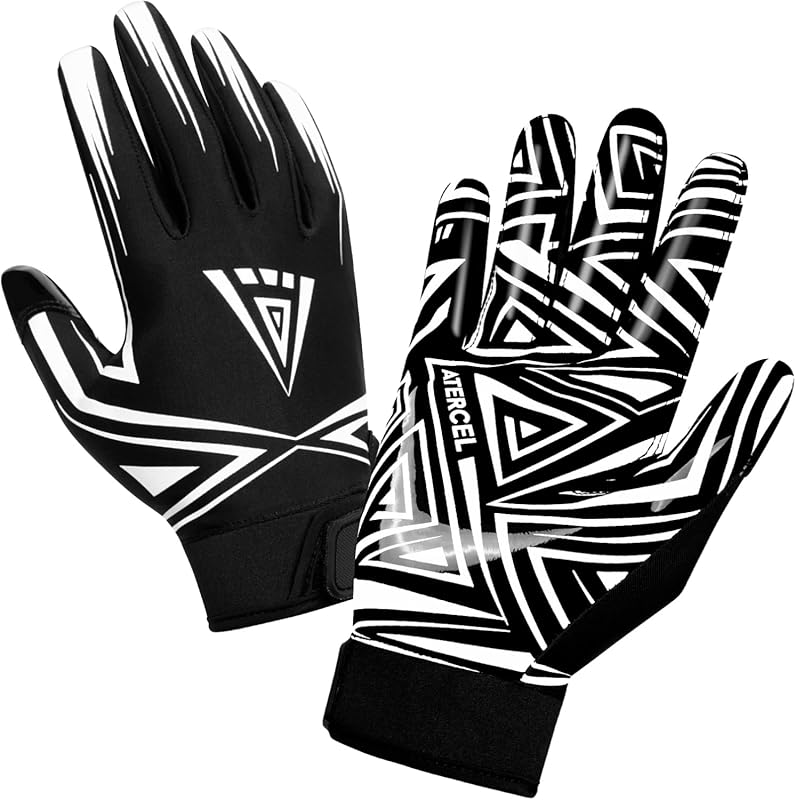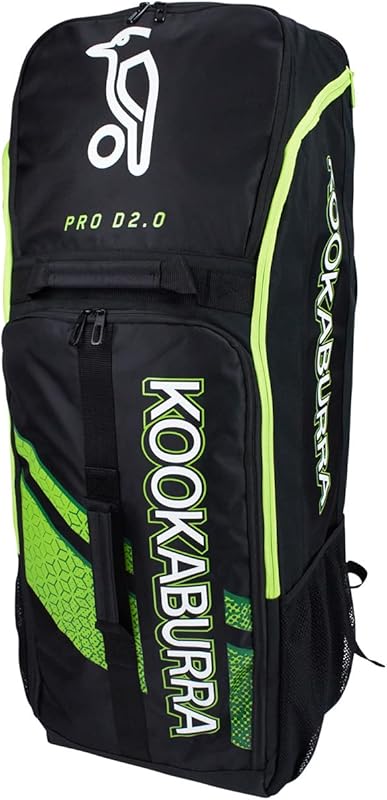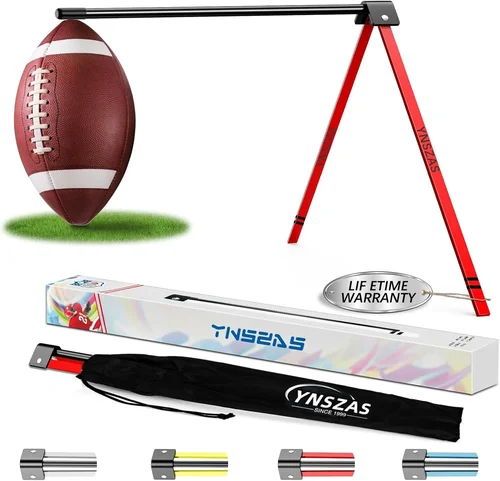
The sporting goods market in the United States is more dynamic and competitive than ever. With thousands of stores—ranging from massive national chains to niche local outfitters—choosing where and what to buy can feel overwhelming. Whether you’re gearing up for a weekend hike, training for a marathon, or simply looking to stay active at home, the right equipment makes all the difference. But with so many options, how do you know you’re getting quality, value, and reliability? That’s where this comprehensive guide comes in.
This buying guide is designed to help both casual shoppers and serious athletes navigate the complex landscape of sporting goods retailers in the U.S. We’ll break down the essential factors to consider when purchasing sports equipment, compare different types of stores and product categories, highlight common pitfalls to avoid, and offer expert-backed advice to ensure you make smart, informed decisions. By the end, you’ll have a clear roadmap for finding gear that matches your needs, budget, and performance expectations—no matter your sport or skill level.
From big-box retailers like Dick’s Sporting Goods and Academy Sports + Outdoors to specialty shops like REI and Bass Pro Shops, the U.S. sporting goods ecosystem offers something for everyone. Online giants like Amazon and Moosejaw are also reshaping how consumers shop for athletic gear, blending convenience with competitive pricing. This guide will explore the strengths and weaknesses of each retail model, helping you understand not just what to buy, but where and when to buy it for maximum value and satisfaction.

What to Look for When Buying Sporting Goods
1. Budget & Price Range
Your budget is often the first and most important filter when shopping for sporting goods. Prices can vary dramatically depending on the sport, brand, and technology involved. For example, a beginner tennis racket might cost under $50, while a professional-grade model can exceed $300. Similarly, running shoes range from $60 entry-level pairs to $250+ for carbon-plated racing shoes. Setting a realistic budget upfront helps narrow your options and prevents overspending on features you may not need.
When evaluating price, consider the total cost of ownership. A cheaper product might seem like a bargain initially, but if it wears out quickly or lacks essential features, you could end up spending more in the long run. Look for mid-tier products that balance affordability with durability—these often offer the best value. Also, keep an eye out for seasonal sales, clearance events, and loyalty programs that can stretch your dollar further.
2. Performance Specifications
Performance specs are critical, especially for competitive athletes or those pursuing specific fitness goals. These include metrics like weight, material composition, power output, cushioning technology, waterproof ratings, and more. For instance, in cycling, frame material (aluminum vs. carbon fiber) affects both weight and ride quality. In golf, club loft and shaft flexibility influence ball flight and control.
Always match specs to your intended use. A trail running shoe with aggressive tread and rock plates is ideal for rugged terrain but overkill for road running. Similarly, a high-lumen headlamp is essential for night hiking but unnecessary for daytime walks. Don’t be swayed by marketing buzzwords—dig into technical details and compare them across brands. Many reputable retailers provide detailed spec sheets online or in-store, and third-party review sites like OutdoorGearLab or Wirecutter offer in-depth comparisons.
3. Build Quality & Durability
Durability is a hallmark of well-made sporting goods. High-quality materials and construction methods ensure your gear withstands regular use, environmental stress, and physical impact. Look for reinforced stitching on backpacks, rust-resistant hardware on camping gear, and impact-resistant frames on bicycles. Brands known for durability often use premium materials—such as ripstop nylon, aircraft-grade aluminum, or full-grain leather—and rigorous testing standards.
Check warranty terms as a proxy for durability. A longer warranty period (e.g., lifetime or 10 years) usually indicates the manufacturer stands behind their product’s longevity. Also, inspect seams, zippers, hinges, and joints for signs of weak construction. If possible, test the item in-store or read user reviews that mention long-term performance. Remember: investing in durable gear reduces waste and saves money over time.
4. Features & Functionality
Modern sporting goods often come loaded with features designed to enhance performance, comfort, or convenience. These can include adjustable components, modular designs, smart technology (like GPS or heart rate monitoring), and ergonomic shaping. For example, some hiking boots offer BOA lacing systems for precise fit adjustment, while advanced yoga mats include alignment guides and antimicrobial coatings.
However, more features don’t always mean better value. Evaluate whether each feature aligns with your needs. A kayak with multiple rod holders is great for anglers but unnecessary for casual paddlers. Prioritize functionality that directly supports your activity. Also, consider ease of use—complex mechanisms can become frustrating in the field. Simplicity often wins when reliability matters most.
5. Brand Reputation
Brand reputation matters because it reflects consistency, innovation, and customer trust. Established brands like Patagonia, Nike, Yeti, and Shimano have built their names on quality and performance. They often invest heavily in R&D, sustainable practices, and customer service. Buying from a reputable brand reduces the risk of disappointment and increases the likelihood of post-purchase support.
That said, don’t dismiss lesser-known or emerging brands. Some smaller companies specialize in niche markets and offer exceptional value or unique designs. Research brand history, read customer feedback, and check for certifications (like Fair Trade or Bluesign). Also, consider ethical factors—some consumers prefer brands committed to environmental sustainability or fair labor practices.
6. Warranty & Support
A strong warranty and responsive customer support can turn a frustrating purchase into a positive experience. Look for clear warranty terms covering defects, wear and tear, and accidental damage. Some brands offer generous policies—REI, for example, provides a one-year satisfaction guarantee on all purchases, allowing returns even if you’ve used the item.
Support matters beyond the warranty period. Can you easily contact customer service? Are replacement parts available? Do they offer repair services? Brands like Osprey and L.L.Bean are known for excellent after-sales support, including free repairs for life on certain products. This level of service adds long-term value and peace of mind.
7. Size & Portability
Size and portability are crucial for gear that needs to be carried, stored, or transported. Backpacks, tents, folding bikes, and travel yoga mats all benefit from compact, lightweight designs. Measure your storage space and consider how you’ll transport the item—will it fit in your car trunk? Can you carry it on a plane?
For apparel and footwear, proper fit is non-negotiable. Ill-fitting shoes cause blisters and injuries; loose clothing hinders movement. Use size charts, try before you buy when possible, and read reviews about fit accuracy. Many online retailers now offer free returns, making it easier to exchange sizes without extra cost.
8. User Reviews & Ratings
User reviews provide real-world insights that specs and marketing materials can’t match. They reveal how gear performs under actual conditions, highlight hidden flaws, and confirm strengths. Look for detailed reviews with photos or videos, especially those from users with similar needs or experience levels.
Be cautious of fake or overly promotional reviews. Focus on verified purchases and read both positive and negative feedback. Patterns in complaints (e.g., “zipper broke after two uses”) are red flags. Sites like Trustpilot, Reddit communities (r/hiking, r/running), and YouTube gear reviewers offer trustworthy perspectives. Use reviews to validate your decision, not replace it.
Different Types of Sporting Goods Stores

Common Buying Mistakes to Avoid
❌ Mistake: Buying Based Solely on Price
Why it’s bad: The cheapest option often sacrifices quality, safety, and longevity. For example, a $30 bicycle helmet may lack proper certification (like CPSC or EN1078), putting you at risk in a crash. Similarly, low-cost resistance bands can snap under tension, causing injury.
What to do instead: Balance cost with value. Look for mid-range products that offer proven performance and durability. Use price as a guide, not the sole deciding factor.
❌ Mistake: Ignoring Fit and Sizing
Why it’s bad: Ill-fitting gear leads to discomfort, reduced performance, and even injury. Running in shoes that are too tight causes blisters and plantar fasciitis; loose ski boots reduce control on the slopes.
What to do instead: Always prioritize proper fit. Try items on in-store when possible, use detailed size charts online, and take advantage of free return policies. For custom needs (like orthotics or bike fitting), consult a professional.
❌ Mistake: Overlooking Return and Exchange Policies
Why it’s bad: If gear doesn’t work out, a restrictive return policy can leave you stuck with unusable items. Some retailers charge restocking fees or only offer store credit.
What to do instead: Check return windows (ideally 30–90 days), conditions (used vs. new), and fees before buying. Retailers like REI and Backcountry offer generous, no-hassle returns, making them safer bets for online purchases.
❌ Mistake: Chasing Trends Over Function
Why it’s bad: Flashy designs or celebrity endorsements don’t guarantee performance. A yoga mat with Instagram-worthy patterns may lack grip or cushioning, leading to slips during practice.
What to do instead: Focus on functionality first. Read reviews, test materials, and choose gear that supports your activity—not just your aesthetic preferences.
❌ Mistake: Neglecting Maintenance and Care
Why it’s bad: Even the best gear degrades without proper care. Dirty climbing ropes lose strength; unwashed workout clothes harbor bacteria and odors.
What to do instead: Follow manufacturer care instructions. Clean, store, and inspect your gear regularly. Invest in maintenance tools (like bike pumps or boot dryers) to extend lifespan.
❌ Mistake: Buying Everything at Once
Why it’s bad: New activities often evolve in unexpected ways. Buying a full set of golf clubs before confirming your interest can lead to wasted money.
What to do instead: Start with essentials and upgrade as you gain experience. Rent or borrow gear initially to test your commitment and preferences.
❌ Mistake: Ignoring Sustainability and Ethics
Why it’s bad: Some brands use harmful materials or exploitative labor practices. Supporting them contributes to environmental and social harm.
What to do instead: Research brands’ sustainability efforts. Look for certifications like B Corp, Fair Trade, or recycled content labels. Choose durable, repairable products to reduce waste.
Budget Guidelines: How Much Should You Spend?
Understanding how to allocate your budget ensures you get the most value without overspending. Here’s a tiered breakdown based on typical U.S. pricing:
- Entry-Level ($20 – $75): Ideal for beginners or occasional users. Expect basic materials and limited features. Examples include beginner yoga mats, casual sneakers, or entry-level fishing rods. Great for testing a new hobby but may lack durability for frequent use.
- Mid-Range ($75 – $200): The sweet spot for most buyers. Offers solid performance, better materials, and reliable warranties. Think trail-running shoes, mid-tier camping tents, or quality resistance bands. This range balances cost and quality effectively.
- Premium ($200 – $500): For enthusiasts and regular users. Features advanced technology, superior comfort, and long-term durability. Examples include high-performance road bikes, technical hiking boots, or pro-style tennis rackets. Worth the investment if you’re serious about your sport.
- Luxury ($500+): Top-tier gear for professionals or collectors. Includes carbon-fiber equipment, custom-fitted apparel, or limited-edition items. While impressive, these often offer diminishing returns for average users. Only consider if performance gains are critical.
Expert Tips for Getting the Best Deal
- Shop During Seasonal Sales: Major discounts happen during post-holiday clearances (January), back-to-school (August), and end-of-season events (March for winter gear, September for summer items). Sign up for retailer newsletters to get early access.
- Compare Online and In-Store Prices: Use price-matching policies at stores like Dick’s or REI. Many will honor lower online prices if you ask. Also, check if online purchases qualify for in-store pickup to save on shipping.
- Use Loyalty Programs: Join free rewards programs (e.g., REI Co-op, Dick’s ScoreCard) for exclusive discounts, early sales access, and annual dividends. These can save you 5–10% over time.
- Buy Last Year’s Models: New gear releases often mean steep discounts on previous versions. The performance difference is usually minimal, but the savings can be significant—sometimes 30–50% off.
- Check for Student, Military, or First Responder Discounts: Many retailers offer 10–15% off for verified individuals. Bring ID or use services like ID.me to verify eligibility.
- Test Before You Buy: Visit stores to try on shoes, test bikes, or feel fabric textures. Even if you buy online later, in-person testing ensures better fit and satisfaction.
- Read the Fine Print on Warranties: Understand what’s covered (defects vs. wear) and how to file a claim. Keep receipts and register products promptly.
- Consider Refurbished or Open-Box Items: Certified pre-owned gear from reputable sellers (like REI Used or Amazon Renewed) can offer big savings with full warranties.
Frequently Asked Questions
Q: Should I buy sporting goods online or in-store?
A: It depends on the item. For apparel and footwear, in-store shopping allows you to try before buying—critical for fit and comfort. For gear with clear specs (like tents or weights), online shopping offers better selection, reviews, and often lower prices. Many retailers now blend both with options like buy-online-pickup-in-store (BOPIS).
Q: How do I know if a brand is trustworthy?
A: Research the brand’s history, read customer reviews across multiple platforms, check for industry certifications, and see how they handle customer service. Long-standing brands with transparent policies and positive community feedback are generally reliable.
Q: Are expensive sporting goods always better?
A: Not necessarily. Higher price often correlates with better materials and features, but it doesn’t guarantee suitability for your needs. A $400 running shoe may offer elite performance, but if you’re a casual jogger, a $120 pair could serve you just as well.
Q: What’s the best time of year to buy sporting goods?
A: Late winter (February–March) is ideal for winter sports gear, while late summer (August–September) offers deals on summer items. Holiday weekends (Memorial Day, Labor Day) also feature major sales.
Q: Can I return used sporting goods?
A: It depends on the retailer. Some, like REI, allow returns on used items within a year if you’re unsatisfied. Others require items to be unworn and in original packaging. Always check the return policy before purchasing.
Q: How often should I replace my athletic shoes?
A: Most running shoes last 300–500 miles. Signs it’s time to replace them include worn tread, reduced cushioning, and foot pain. Keep a log of mileage or inspect them monthly.
Q: Is it worth buying eco-friendly sporting goods?
A: Yes, if sustainability matters to you. Eco-friendly products often use recycled materials, reduce waste, and support ethical labor. While sometimes pricier, they contribute to long-term environmental health and often match conventional gear in performance.
Q: Do I need professional fitting for gear like bikes or skis?
A: For high-investment or performance-critical gear, yes. A proper bike fit prevents injury and improves efficiency. Ski boot fittings ensure comfort and control. Many specialty shops offer free or low-cost fitting services.
Q: What should I do if my gear breaks under warranty?
A: Contact the manufacturer or retailer immediately. Provide proof of purchase, photos of the issue, and a description of how it failed. Most will repair, replace, or refund the item—especially if it’s a defect, not misuse.
Q: Are there risks to buying sporting goods from third-party sellers on Amazon?
A: Yes. While convenient, third-party sellers may offer counterfeit, used, or misrepresented items. Always check seller ratings, read recent reviews, and prefer “ships from Amazon” or authorized dealers. When in doubt, buy directly from the brand or trusted retailer.
Our Final Recommendations
- Best for Budget-Conscious Buyers: Academy Sports + Outdoors – Offers a wide range of affordable gear with frequent promotions and a solid return policy. Great for families and casual athletes.
- Best Overall Value: REI Co-op – Combines high-quality products, expert staff, generous return policy, and a strong commitment to sustainability. Ideal for outdoor enthusiasts.
- Best Premium Option: Competitive Cyclist or Backcountry – Cater to serious athletes with top-tier brands, detailed product info, and exceptional customer service. Perfect for those willing to invest in performance.
- Best for Beginners: Dick’s Sporting Goods – User-friendly layout, helpful staff, and a broad selection across multiple sports. Excellent for first-time buyers exploring new activities.
- Best for Advanced Users: Local Specialty Shops or Brand Direct (e.g., Patagonia, Yeti) – Provide deep expertise, custom options, and access to pro-level gear. Ideal for those with specific technical needs.
Conclusion: Making the Right Choice
Choosing the right sporting goods doesn’t have to be stressful. By focusing on your needs, budget, and intended use—and by leveraging the insights in this guide—you can confidently navigate the vast U.S. retail landscape. Remember, the best gear is the one that helps you stay active, safe, and motivated.
Prioritize quality over flash, fit over fashion, and value over vanity. Take advantage of expert staff, generous return policies, and seasonal deals. And don’t hesitate to start small—many lifelong athletes began with modest equipment and upgraded as their passion grew.
Whether you’re hitting the trails, the gym, or the field, the right sporting goods store and the right gear will support your journey every step of the way. Use this guide as your compass, and get out there—your next adventure awaits.