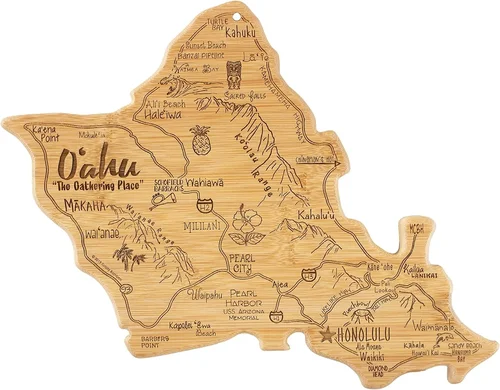
If you’re planning a trip to Oahu, Hawaii—or if you’re a local resident looking to gear up for your next adventure—you’re likely searching for the best sporting goods stores on the island. Whether you’re gearing up for a sunrise surf session at Waikiki, preparing for a challenging hike up Diamond Head, or setting out on a deep-sea fishing charter off the North Shore, having the right equipment can make or break your experience. But with so many options—from big-box retailers to specialty surf shops and local mom-and-pop stores—choosing where and what to buy can feel overwhelming.
This comprehensive guide is designed to cut through the noise and help you make smart, informed decisions when shopping for sporting goods in Oahu. We’ll walk you through the key factors to consider, compare different types of stores and products, highlight common pitfalls to avoid, and offer expert-backed tips to get the most value for your money. Whether you’re a seasoned athlete or a first-time visitor eager to try something new, this guide will equip you with everything you need to choose the right gear—no matter your budget or activity level.
Oahu’s sporting goods market is as diverse as its landscapes. From the bustling streets of Honolulu to the laid-back surf towns of the North Shore, the island offers a unique blend of international brands, local craftsmanship, and tropical-specific gear. You’ll find stores specializing in water sports like surfing, paddleboarding, and snorkeling, as well as shops catering to hikers, runners, cyclists, and even rock climbers. Some stores focus on rentals and lessons, while others sell high-end performance equipment. Understanding the landscape—and knowing what to look for—is the first step toward a successful purchase.

What to Look for When Buying Sporting Goods in Oahu
1. Activity-Specific Needs
One of the most important factors when buying sporting goods in Oahu is matching your gear to the specific activity you plan to do. The island’s tropical climate and diverse terrain mean that generic equipment often falls short. For example, a standard wetsuit designed for cold water won’t perform well in Hawaii’s warm Pacific waters. Similarly, hiking boots made for rocky mountain trails may be overkill—and uncomfortable—for a leisurely walk through Manoa Falls.
Ask yourself: What will I be doing, and where? If you’re surfing, you’ll need a board suited to your skill level and the wave conditions at your chosen break. Beginners might prefer a soft-top longboard for stability, while advanced surfers may opt for a high-performance shortboard. For snorkeling, look for masks with anti-fog coating and fins that fit snugly but comfortably. If you’re planning to hike, prioritize lightweight, breathable footwear with good traction—especially if you’re tackling muddy trails like those in the Ko’olau Mountains.
2. Climate & Environmental Considerations
Oahu’s tropical climate presents unique challenges for sporting equipment. High humidity, intense UV exposure, and saltwater can degrade materials quickly if they’re not designed for such conditions. When shopping, prioritize gear made from corrosion-resistant materials like stainless steel hardware, UV-resistant fabrics, and saltwater-safe neoprene.
For example, if you’re buying a surfboard, look for epoxy constructions, which are more durable and resistant to dings than traditional polyurethane boards. For snorkeling gear, choose masks with silicone skirts—they’re more comfortable and less likely to degrade in saltwater than rubber. If you’re purchasing hiking apparel, opt for moisture-wicking, quick-dry fabrics that offer UPF protection. Cotton may be breathable, but it retains moisture and can lead to chafing or discomfort on long hikes.
Also consider storage and transport. If you’re a visitor, you may not have space to store bulky items. Look for collapsible or travel-friendly options, such as inflatable paddleboards or compact snorkel sets. Locals, on the other hand, might prioritize long-term durability over portability.
3. Budget & Price Range
Your budget will significantly influence where you shop and what you can afford. Oahu offers a wide range of price points, from budget-friendly rentals to high-end custom gear. It’s important to set a realistic budget before you start shopping and stick to it—especially since impulse buys are common in tourist-heavy areas like Waikiki.
Entry-level gear is widely available and suitable for casual users or short-term visitors. For example, you can rent a surfboard for $20–$30 per day or buy a basic snorkel set for under $50. Mid-range options offer better quality and durability, often from reputable brands like Rip Curl, Quiksilver, or Scubapro. These are ideal for regular users who want reliable performance without breaking the bank.
Premium gear, such as custom surfboards, high-end dive computers, or technical hiking boots, can cost hundreds or even thousands of dollars. These are best suited for enthusiasts or professionals who demand top-tier performance and longevity. Keep in mind that while premium gear is an investment, it often pays off in terms of comfort, safety, and enjoyment.
4. Build Quality & Durability
Durability is crucial when investing in sporting goods, especially in a demanding environment like Oahu. Saltwater, sand, sun, and frequent use can wear down even the best equipment if it’s not built to last. When evaluating build quality, inspect materials, stitching, seams, and hardware.
For surfboards, check the fin boxes—are they reinforced? Are the rails clean and free of cracks? For wetsuits, look for flatlock or glued-and-blind-stitched seams, which are more durable than basic stitching. Hiking backpacks should have reinforced stress points, padded straps, and water-resistant coatings. Snorkel masks should have tempered glass lenses and adjustable straps.
Don’t be afraid to ask store staff about the lifespan of a product or how it holds up in local conditions. Reputable shops will be transparent about durability and may even offer demonstrations or test models. Avoid ultra-cheap gear that feels flimsy or poorly assembled—it’s likely to fail when you need it most.
5. Brand Reputation & Local Expertise
Brand reputation matters, but in Oahu, local expertise can be just as valuable. While global brands like Patagonia, The North Face, and O’Neill are widely available and trusted, many local shops carry niche or custom gear that’s specifically designed for Hawaiian conditions.
For example, surfboard shapers like Harbour Surfboards or Kolohe Surfboards build custom boards tailored to Oahu’s wave patterns and water temperatures. These boards may cost more, but they’re crafted by locals who understand the nuances of surfing on the North Shore versus Waikiki. Similarly, dive shops like Oceanic World or Dive Oahu often carry gear tested and recommended by local divers.
When evaluating brands, look for those with a strong presence in Hawaii and positive reviews from local users. Check online forums, Google reviews, and social media for feedback. A brand might be popular on the mainland but less suitable for island use. Local knowledge is irreplaceable.
6. Warranty & Support
A solid warranty and reliable customer support can save you time, money, and frustration down the line. Before making a purchase, ask about the warranty policy—how long it lasts, what it covers, and whether it’s honored locally or requires shipping back to the mainland.
Many reputable brands offer warranties ranging from one to five years on products like wetsuits, dive gear, and hiking equipment. Some local shops also provide in-house repairs or exchanges, which is especially helpful if you’re a visitor and can’t return items easily. For example, a surf shop might offer free ding repairs for boards purchased on-site, or a dive shop might replace a faulty regulator under warranty without hassle.
Be wary of stores that don’t offer clear warranty information or make it difficult to return defective items. A good return policy—typically 30 days or more—is a sign of confidence in the product and the seller.
7. Size, Fit & Comfort
Proper fit is essential for performance and safety. Ill-fitting gear can lead to discomfort, reduced efficiency, or even injury. This is especially true for items like wetsuits, hiking boots, and snorkel masks, where a poor fit can compromise functionality.
When trying on gear, take your time. For wetsuits, ensure there’s no bunching or tightness around the shoulders and neck. For hiking boots, walk around the store—do they rub? Are your toes cramped? For snorkel masks, perform a seal test by placing the mask on your face without the strap and inhaling gently. If it stays in place, the fit is likely good.
If you’re shopping online, check size charts carefully and read reviews from other customers about fit. Some stores offer virtual fitting tools or size guides based on body measurements. When in doubt, go to a physical store where you can try before you buy.
8. User Reviews & Ratings
User reviews are one of the most reliable ways to gauge real-world performance. Before purchasing, read reviews on the store’s website, Google, Yelp, or third-party platforms like REI or Amazon. Pay attention to comments about durability, comfort, and how the product performs in Hawaiian conditions.
Look for patterns in reviews—if multiple users mention the same issue, such as a wetsuit tearing after a few uses or a snorkel leaking, it’s likely a genuine flaw. Conversely, consistent praise for a product’s performance in warm water or on rugged trails is a strong endorsement.
Don’t rely solely on star ratings. Read the full text of reviews to understand context. A 4-star review might highlight a minor flaw but still recommend the product, while a 5-star review could be fake or overly enthusiastic. Balance user feedback with expert opinions and your own needs.
Different Types of Sporting Goods Stores in Oahu

Common Buying Mistakes to Avoid
❌ Mistake: Buying Gear Based Solely on Price
Why it’s bad: Opting for the cheapest option can lead to poor performance, discomfort, or even safety risks. For example, a $30 snorkel set may leak or have a foggy mask, ruining your underwater experience. Similarly, a low-cost wetsuit might not provide adequate warmth or flexibility.
What to do instead: Balance cost with quality. Look for mid-range products that offer good value. Read reviews, ask for recommendations, and consider renting before committing to a purchase.
❌ Mistake: Ignoring Local Conditions
Why it’s bad: Gear designed for colder climates or different terrains may not perform well in Oahu’s warm, humid environment. A heavy winter wetsuit will be uncomfortable in 80°F water, and hiking boots with thick insulation can cause overheating.
What to do instead: Choose gear specifically designed for tropical use. Look for lightweight, breathable, and UV-resistant materials. Consult local experts or shop at stores familiar with island conditions.
❌ Mistake: Overlooking Fit and Comfort
Why it’s bad: Ill-fitting gear can cause blisters, restrict movement, or fail when you need it most. A poorly fitting surfboard leash can snap, or a tight wetsuit can restrict breathing.
What to do instead: Always try on gear before buying. Test it in realistic conditions if possible. For online purchases, check size charts and return policies.
❌ Mistake: Not Researching Store Reputation
Why it’s bad: Some stores may sell outdated, counterfeit, or low-quality gear. Others may have poor customer service or no return policy, leaving you stuck with a defective product.
What to do instead: Read reviews, ask locals for recommendations, and visit stores with a strong reputation. Look for certifications, warranties, and knowledgeable staff.
❌ Mistake: Buying Everything at Once
Why it’s bad: Impulse buying can lead to overspending and unnecessary purchases. You might buy a surfboard only to realize you prefer paddleboarding, or invest in hiking gear you never use.
What to do instead: Start with essentials and rent or borrow before buying. Focus on one activity at a time and build your gear collection gradually.
❌ Mistake: Neglecting Maintenance and Care
Why it’s bad: Even the best gear will degrade quickly in Oahu’s climate if not properly maintained. Saltwater, sand, and sun can damage equipment if not rinsed and stored correctly.
What to do instead: Follow care instructions for each item. Rinse gear with fresh water after use, store in a cool, dry place, and inspect regularly for wear and tear.
❌ Mistake: Assuming All Stores Are the Same
Why it’s bad: Different stores cater to different needs. A big-box retailer may not have the expertise or selection for specialized activities like surfing or diving.
What to do instead: Match the store to your activity. Visit specialty shops for water sports, outdoor stores for hiking, and local shops for unique or custom gear.
Budget Guidelines: How Much Should You Spend?
- Entry-Level ($10–$100): Ideal for short-term visitors or casual users. Expect basic functionality and limited durability. Examples include rental surfboards, budget snorkel sets, and generic hiking shoes. Great for trying out a new activity without a big investment.
- Mid-Range ($100–$500): The sweet spot for most buyers. Offers reliable performance, better materials, and longer lifespan. Look for reputable brands with good warranties. Examples include mid-tier wetsuits, quality hiking boots, and beginner-to-intermediate surfboards.
- Premium ($500–$1,500): For enthusiasts and regular users who demand high performance and durability. Includes custom surfboards, advanced dive computers, and technical outdoor gear. Often comes with expert support and extended warranties.
- Luxury ($1,500+): Top-tier gear for professionals or serious collectors. Features cutting-edge technology, custom fittings, and premium materials. Examples include hand-shaped surfboards, professional-grade dive systems, and expedition-level backpacks.
Expert Tips for Getting the Best Deal
- Shop During Off-Peak Seasons: Prices on gear and rentals often drop during the shoulder seasons (spring and fall). Avoid peak tourist times like summer and winter holidays for better deals.
- Visit Local Shops on the North Shore: Stores in areas like Haleiwa often have lower prices and more authentic gear than tourist-heavy Waikiki. Plus, you’ll get advice from locals who know the waves.
- Ask About Package Deals: Many shops offer discounts when you buy multiple items or combine rentals with lessons. For example, a surf shop might offer a board, wetsuit, and lesson for a reduced rate.
- Check for Student, Military, or Local Discounts: Some stores offer discounts for students, military personnel, or Hawaii residents. Always ask—it could save you 10–20%.
- Inspect Gear Before Buying: Look for scratches, dings, or wear. Some shops sell “demo” or “used” gear at a discount, which can be a great value if it’s in good condition.
- Test Before You Buy: If possible, try out gear before purchasing. Many surf and dive shops allow test sessions or rentals with the option to apply fees toward a purchase.
- Read the Fine Print on Warranties: Understand what’s covered and for how long. Some warranties are void if the product is used in saltwater or not maintained properly.
- Consider Buying Used: Check local classifieds, Facebook Marketplace, or shop bulletin boards for used gear. You can often find high-quality items at a fraction of the retail price.

Frequently Asked Questions
Q: Can I rent sporting goods in Oahu instead of buying?
A: Yes! Many shops offer daily or weekly rentals for surfboards, paddleboards, snorkel gear, and more. Renting is ideal for short-term visitors or those trying a new activity. Some shops even apply rental fees toward a purchase.
Q: What’s the best time of year to buy sporting goods in Oahu?
A: The best deals often come during the off-season (spring and fall) or around holidays like Black Friday. Local shops may also have sales during slower tourist periods.
Q: Are there stores that sell eco-friendly or sustainable gear?
A: Yes! Some shops carry gear made from recycled materials or sustainable sources. Look for brands like Patagonia or local artisans who use eco-conscious practices.
Q: Do I need a special wetsuit for Hawaii?
A: Yes. Hawaii’s water is warm, so a full 5mm wetsuit is overkill. Most locals wear 2–3mm shorties or even rash guards. Choose gear designed for tropical waters.
Q: Can I return gear if it doesn’t fit or work?
A: It depends on the store. Most reputable shops offer 30-day return policies, but some may have restrictions on used or custom items. Always ask before buying.
Q: Are there stores that offer lessons with gear purchases?
A: Many surf and dive shops offer package deals that include gear and lessons. This is a great way to learn safely and get familiar with your equipment.
Q: What should I do if my gear breaks?
A: Contact the store or manufacturer. Many offer repairs, replacements, or warranty service. Keep your receipt and care for your gear properly to avoid voiding warranties.
Q: Is it better to buy online or in-store?
A: In-store allows you to try gear and get expert advice, which is especially important for fit and performance. Online shopping offers convenience and sometimes better prices, but check return policies carefully.
Q: Are there any local brands I should look for?
A: Yes! Look for local surfboard shapers, dive gear makers, and artisans. Supporting local businesses helps the community and often results in higher-quality, island-specific gear.
Our Final Recommendations
- Best for Budget-Conscious Buyers: Sports Authority or Walmart – Great for basic gear at low prices. Ideal for casual use or short trips.
- Best Overall Value: Hawaiian Island Surf & Sport – Offers a wide range of quality gear, expert staff, and fair prices. Perfect for surfers and water sports enthusiasts.
- Best Premium Option: Harbour Surfboards (custom boards) or Dive Oahu (professional dive gear) – Top-tier craftsmanship and performance for serious athletes.
- Best for Beginners: North Shore Surf Shop – Friendly staff, beginner-friendly gear, and lessons available. Great for first-time surfers.
- Best for Advanced Users: Oceanic World – Carries high-end dive equipment and technical gear for experienced divers and underwater photographers.
Conclusion: Making the Right Choice
Choosing the right sporting goods in Oahu doesn’t have to be overwhelming. By focusing on your specific needs, considering the island’s unique climate, and shopping at the right stores, you can find gear that enhances your experience and lasts for years. Remember to prioritize fit, quality, and local expertise over flashy branding or the lowest price.
Whether you’re catching your first wave at Waikiki, exploring the underwater world at Hanauma Bay, or hiking to the summit of Diamond Head, the right equipment will make all the difference. Take your time, do your research, and don’t hesitate to ask questions. With the insights from this guide, you’re now equipped to make smart, confident decisions—so you can spend less time worrying about gear and more time enjoying the beauty and adventure that Oahu has to offer.
Now go out there and make the most of your island experience. The waves are waiting.