
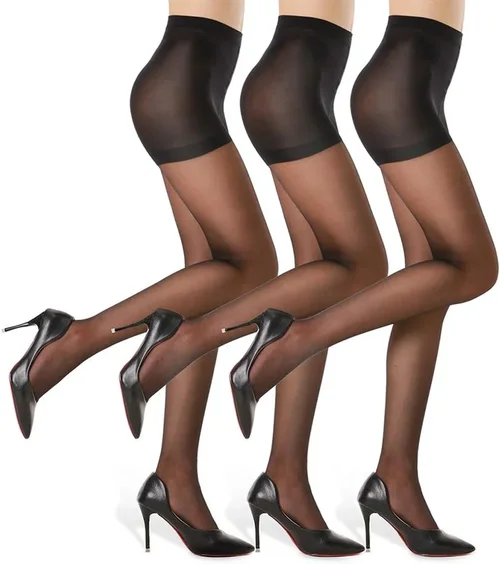
Stage tights are more than just a costume piece—they’re a performance essential. Whether you’re a dancer, actor, musician, or performer stepping into the spotlight, the right pair of stage tights can make all the difference in how you look, feel, and move under the lights. From ballet recitals to Broadway productions, school plays to concert tours, stage tights serve both functional and aesthetic purposes. They provide coverage, enhance leg lines, offer modesty under bright stage lighting, and often contribute to character portrayal. With so many options on the market—ranging from basic cotton blends to high-tech moisture-wicking fabrics—it’s easy to feel overwhelmed when choosing the perfect pair.
This comprehensive buying guide is designed to cut through the confusion and help you make an informed decision. Whether you’re a seasoned performer or a first-time buyer, you’ll learn exactly what to look for in quality stage tights, how to avoid common pitfalls, and which brands and styles deliver the best value for your needs. We’ll explore everything from fabric composition and fit to durability, opacity, and performance features. You’ll also find expert tips on sizing, care, budgeting, and where to shop—so you can walk onto that stage with confidence, comfort, and style.
The stage tights market has evolved significantly over the past decade. Gone are the days when performers had to choose between sheer, fragile tights or thick, restrictive leggings. Today’s manufacturers use advanced textiles, reinforced stitching, and ergonomic designs to create tights that are both durable and comfortable. Brands like Capezio, Bloch, Danskin, and Body Wrappers have long dominated the dance world, while newer players like Gaynor Minden and Wear Moi are pushing innovation with memory foam waistbands, four-way stretch fabrics, and eco-friendly materials. Meanwhile, theatrical suppliers and online retailers now offer a wider range of colors, styles, and price points than ever before. With so much choice comes greater responsibility—and this guide will ensure you select the right tights for your specific performance needs.

What to Look for When Buying Stage Tights
1. Fabric Composition & Performance
The fabric of your stage tights determines everything from comfort and breathability to durability and appearance under stage lights. Most stage tights are made from synthetic blends, typically nylon and spandex (also known as Lycra or elastane), which provide stretch, recovery, and a smooth fit. A common ratio is 80% nylon and 20% spandex, offering a balance of strength and flexibility. However, some premium tights incorporate additional fibers like polyester for added resilience or modal for softness.
When evaluating fabric, consider the environment in which you’ll be performing. For dance-heavy routines—especially ballet, jazz, or contemporary—opt for tights with high spandex content (18–25%) for maximum stretch and recovery. These will maintain their shape even after repeated use and intense movement. For theatrical performances where mobility is less intense but visual impact is key, slightly heavier fabrics (like microfiber or cotton-spandex blends) may offer better opacity and a more polished look.
Moisture-wicking properties are another critical factor. Look for tights labeled as “sweat-wicking,” “quick-dry,” or “performance-grade.” These fabrics pull moisture away from the skin, keeping you cooler and reducing the risk of chafing or discomfort during long rehearsals or back-to-back shows. Some brands even integrate antimicrobial treatments to prevent odor buildup—a major plus for performers who wear tights for hours at a time.
Finally, pay attention to sheerness. Stage lighting can be unforgiving, and thin fabrics may become transparent under bright spotlights. Always test your tights under similar lighting conditions if possible. High-quality tights should offer full coverage without being overly bulky. A good rule of thumb: if you can see your hand through the fabric when held up to light, they’re likely too sheer for stage use.
2. Fit & Sizing Accuracy
A perfect fit is non-negotiable when it comes to stage tights. Ill-fitting tights can distract from your performance—baggy knees, sagging waistbands, or tight thighs can ruin even the most flawless routine. Most brands offer standard sizing charts based on height, weight, and sometimes hip measurements, but these can vary significantly between manufacturers.
Always consult the brand’s specific size guide before purchasing. Many reputable companies provide detailed charts with measurements in inches or centimeters. For example, Capezio’s size chart includes not just waist and hip measurements but also inseam length and recommended height ranges. If you’re between sizes, consider your body type: if you have a longer torso or shorter legs, you may need to size up or down accordingly.
Elastic waistbands should sit snugly without digging into your skin. Look for tights with wide, reinforced waistbands that stay in place during movement. Some premium models feature silicone grippers or inner waistbands to prevent slipping—ideal for dancers performing leaps and turns.
Another often-overlooked aspect is foot design. Full-foot tights enclose the entire foot and are standard in ballet and formal performances. Footed tights have a reinforced toe and heel for durability. Convertible tights allow you to roll the foot under for barefoot work or fold it down for full coverage—great for modern dance or mixed routines. Stirrup tights loop under the arch and are popular in musical theater for their clean line and secure fit.
Always try tights on with the shoes you’ll be wearing. Pointe shoes, character heels, or jazz boots can affect how the tights sit on your feet and legs. A proper fit ensures seamless integration with your footwear and prevents bunching or slipping.
3. Opacity & Coverage
Under the intense glare of stage lights, even the slightest transparency can become glaringly obvious. Opacity—the ability of fabric to block light—is one of the most important qualities in stage tights. Sheer tights may look elegant in natural light but can appear see-through under spotlights, especially if they’re stretched over the hips or thighs.
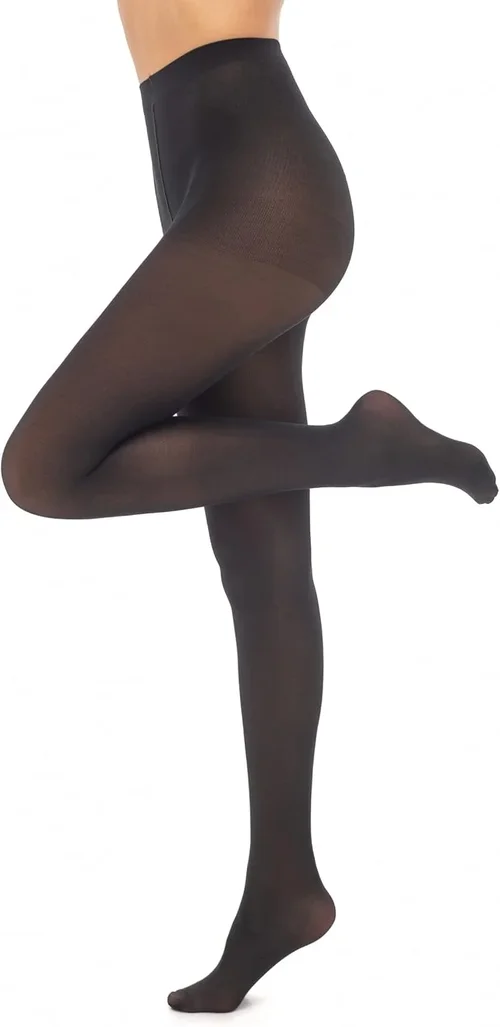
High-quality stage tights are designed with double-layered fabric in key areas (like the seat and inner thighs) to enhance coverage. Look for terms like “opaque,” “full coverage,” or “stage-proof” in product descriptions. Some brands use tighter weaves or denser yarns to increase opacity without adding bulk.
Color also plays a role. Darker shades like black, navy, or charcoal tend to be more opaque than lighter tones such as nude, white, or pastels. However, even nude tights must provide full coverage—many performers mistakenly assume nude means sheer, but professional nude tights are specifically engineered to match skin tones while remaining opaque under lights.
To test opacity at home, hold the tights up to a bright lamp or window. If you can clearly see your hand or fingers through the fabric, they’re not suitable for stage use. For added assurance, check customer reviews that mention lighting conditions—performers often share photos or notes about how tights performed under stage lights.
4. Durability & Construction
Stage tights endure a lot: repeated washing, stretching, friction from costumes, and the rigors of performance. Poorly constructed tights can develop runs, holes, or lose their shape after just a few wears. Investing in durable tights saves money in the long run and ensures consistent performance quality.
Examine the stitching. Flatlock seams are ideal—they lie flat against the skin, reducing chafing and preventing visible lines under costumes. Reinforced toe and heel areas are essential for full-foot and footed styles, as these zones experience the most wear. Some premium tights feature double-stitched gussets or extra fabric panels in high-stress areas.
The quality of the elastic also matters. Cheap elastic loses its stretch quickly, leading to sagging waistbands or loose legs. Look for tights with wide, high-quality elastic that maintains its shape over time. Brands like Bloch and Gaynor Minden use proprietary elastic blends that offer long-lasting support.
Washing and care instructions can also indicate durability. Tights labeled as “machine washable” are convenient, but hand-washing in cold water with mild detergent is gentler and extends lifespan. Avoid fabric softeners—they can break down spandex fibers and reduce elasticity.
Finally, consider the intended use. Dance tights are built for movement and flexibility, while theatrical tights may prioritize appearance over extreme durability. However, even stage-only tights should withstand multiple performances and washes without degrading.
5. Color & Style Options
Stage tights come in a wide range of colors and styles, each suited to different performance contexts. The most common colors are black, white, and various shades of nude (including tan, beige, and theatrical “European” or “American” nude). These neutrals are versatile and work for most roles, from classical ballet to contemporary theater.
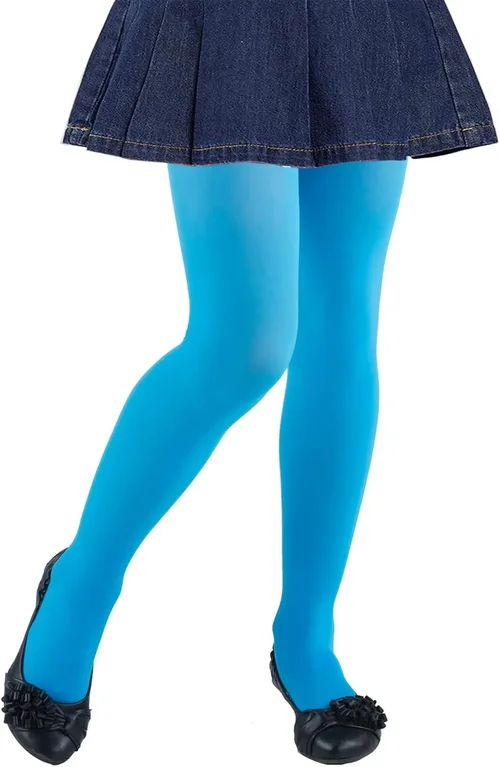
However, many performances call for specific colors. A school play might require red tights for a devil character, while a musical could call for patterned or sheer tights as part of a costume. Some brands offer seasonal or limited-edition colors, so check availability if you need something unique.
Style variations include:
– Full-foot: Covers the entire foot; standard for ballet.
– Footless: Ends at the ankle; common in jazz and modern dance.
– Stirrup: Loops under the arch; popular in musical theater.
– Convertible: Can be worn footed or footless.
Sheer tights are sometimes used for ethereal or fantasy characters, but they must still provide adequate coverage under lights. Patterned tights (like fishnet or lace) are rare in professional settings but may appear in avant-garde or themed productions.
When choosing color, consider your skin tone and the lighting design. Nude tights should match your natural skin color as closely as possible—mismatched nude tights can look unnatural under stage lights. Some performers keep multiple pairs in slightly different shades to match various costumes or lighting setups.
6. Brand Reputation & Reviews
Not all stage tights are created equal, and brand reputation can be a strong indicator of quality. Established dancewear brands like Capezio, Bloch, and Danskin have decades of experience crafting tights for professional performers. Their products undergo rigorous testing and are trusted by schools, companies, and theaters worldwide.
Newer brands like Gaynor Minden and Wear Moi have gained popularity by innovating with comfort-focused designs—such as memory foam waistbands and seamless construction—while maintaining high standards of durability and opacity.
When researching brands, read verified customer reviews from performers in similar disciplines. Look for comments about fit, longevity, and performance under stage lights. Pay attention to recurring issues—if multiple users report runs after one wash or waistband slippage, it’s a red flag.
Independent dance supply stores and theatrical costumers often carry trusted brands and can offer personalized recommendations. Online retailers like Discount Dance Supply, Dancewear Solutions, and Amazon (with caution—verify seller authenticity) provide extensive reviews and sizing tools.
Avoid unknown or ultra-cheap brands, especially those sold exclusively through third-party marketplaces. These often use inferior materials and lack quality control, leading to inconsistent sizing and poor durability.
7. Price & Value
Stage tights range from under $10 for basic student models to over $50 for professional-grade pairs. While it’s tempting to go for the cheapest option, especially for children or infrequent use, investing in quality tights pays off in comfort, appearance, and longevity.
Entry-level tights (under $15) are often made from thin nylon-spandex blends and may lack reinforced seams or opacity. They’re suitable for occasional rehearsals or school performances but may not hold up under frequent use or bright lights.
Mid-range tights ($15–$30) offer a sweet spot for most performers. Brands like Capezio’s “Pro Series” or Bloch’s “Supplex” line provide excellent opacity, good stretch, and durable construction at a reasonable price.
Premium tights ($30–$50) use advanced fabrics, ergonomic designs, and enhanced features like moisture-wicking, antimicrobial treatments, and seamless waistbands. These are ideal for professionals, intensive training, or performances requiring maximum comfort and visual impact.
Luxury tights ($50+) may include custom fits, eco-friendly materials, or designer collaborations. While not necessary for most users, they can be worth the investment for elite performers or those with specific needs (e.g., sensitive skin or chronic discomfort).
Always consider cost per wear. A $40 pair that lasts 20 performances costs $2 per use—far better value than a $10 pair that tears after two shows.
8. Care & Maintenance
Proper care extends the life of your stage tights and maintains their appearance. Most tights should be washed after every wear to remove sweat, oils, and makeup, which can degrade fibers over time.
Hand-washing in cold water with a mild detergent is ideal. Avoid hot water, bleach, and fabric softeners, as they can damage spandex and reduce elasticity. Gently squeeze out excess water—never wring or twist.
If machine washing, use a gentle cycle with a mesh laundry bag to prevent snagging. Air-dry flat or hang to dry; never use a dryer, as heat can melt or shrink synthetic fibers.
Store tights flat or rolled, not folded, to prevent creases and stress on seams. Keep them away from direct sunlight, which can fade colors and weaken fabric.
For minor runs or snags, use a fabric shaver or clear nail polish to seal the thread and prevent further damage. Some performers keep a backup pair for emergencies—always a smart move before a big show.
Different Types of Stage Tights

Common Buying Mistakes to Avoid
❌ Mistake: Choosing Based on Price Alone
Why it’s bad: The cheapest tights often sacrifice quality in fabric, stitching, and opacity. They may tear easily, become sheer under lights, or lose shape after one wash—leading to more frequent replacements and higher long-term costs.
What to do instead: Focus on value, not just price. Look for mid-range options from reputable brands that balance affordability with durability. Consider cost per wear and prioritize features that matter most for your performance needs.
❌ Mistake: Ignoring the Size Chart
Why it’s bad: Sizing varies widely between brands. Assuming “medium” means the same across companies can result in ill-fitting tights that sag, pinch, or restrict movement.
What to do instead: Always measure yourself and consult the brand’s specific size guide. If possible, try on tights in-store or order from retailers with generous return policies.
❌ Mistake: Overlooking Lighting Conditions
Why it’s bad: Tights that look opaque in natural light may become transparent under stage lights, especially if stretched over the hips or thighs.
What to do instead: Test tights under bright lighting before purchasing. Choose brands known for stage-ready opacity, and consider double-layered or reinforced styles for high-intensity performances.
❌ Mistake: Buying the Wrong Foot Style
Why it’s bad: Wearing full-foot tights with jazz boots or stirrup tights with pointe shoes can cause discomfort, slipping, or damage to footwear.
What to do instead: Match the tights to your footwear and choreography. Use full-foot for ballet, footless for barefoot work, and stirrup for quick changes or character shoes.
❌ Mistake: Neglecting Care Instructions
Why it’s bad: Machine washing in hot water, using fabric softener, or tumble drying can destroy spandex fibers, leading to runs, shrinkage, and loss of elasticity.
What to do instead: Hand-wash in cold water with mild detergent, air-dry flat, and store properly. Follow the manufacturer’s care guidelines to maximize lifespan.
❌ Mistake: Not Having a Backup Pair
Why it’s bad: A single run or tear can ruin a performance if you don’t have a spare. Relying on one pair increases stress and risk.
What to do instead: Always keep at least one backup pair—especially before important shows or competitions. Rotate pairs to extend their life.
❌ Mistake: Choosing the Wrong Color
Why it’s bad: A nude tint that doesn’t match your skin tone can look unnatural under stage lights, drawing attention away from your performance.
What to do instead: Select a nude shade that closely matches your natural skin color. When in doubt, carry two slightly different shades to adapt to lighting or costume changes.
Budget Guidelines: How Much Should You Spend?
– Entry-Level ($8–$15): Suitable for beginners, children, or infrequent use. Expect basic nylon-spandex blends, limited opacity, and average durability. Brands like Capezio’s “Student” line or generic dancewear stores offer decent options at this price. Ideal for school recitals or practice sessions.
– Mid-Range ($15–$30): The sweet spot for most performers. These tights offer better fabric quality, improved opacity, reinforced seams, and reliable sizing. Brands like Bloch, Danskin, and Body Wrappers dominate this tier. Perfect for regular rehearsals, community theater, and intermediate dancers.
– Premium ($30–$50): Designed for professionals and serious performers. Features include moisture-wicking fabrics, seamless construction, memory foam waistbands, and superior stretch recovery. Gaynor Minden and Wear Moi are leaders here. Ideal for competitions, professional gigs, or intensive training.
– Luxury ($50+): Top-tier tights with custom fits, eco-friendly materials, or designer collaborations. Often used by elite dancers or in high-profile productions. While not necessary for most, they offer unparalleled comfort and performance for those who need it.
Expert Tips for Getting the Best Deal
– Shop During Off-Seasons: Many dancewear retailers offer discounts in late summer or early fall, after recital season ends. Sign up for newsletters to catch sales.
– Buy in Multi-Packs: Some brands offer discounts when you buy two or more pairs. This is cost-effective and ensures you always have backups.
– Check Return Policies: Always buy from retailers with hassle-free returns. This allows you to try tights at home and exchange if the fit isn’t right.
– Look for Student or Educator Discounts: Many brands offer 10–20% off for students, teachers, or dance studio owners. Verify eligibility and save significantly.
– Read Recent Reviews: Product quality can change over time. Focus on reviews from the past 6–12 months for the most accurate insights.
– Test Under Stage-Like Lighting: If possible, try tights under bright indoor lights to check for sheerness before committing.
– Consider Secondhand Options: Gently used tights from reputable sources (like dance studios or online marketplaces) can offer premium quality at a fraction of the price—just ensure they’re clean and undamaged.
– Invest in Care Products: A mesh laundry bag and mild detergent designed for delicates can extend the life of your tights and save money over time.

Frequently Asked Questions
Q: How do I know if my tights are too sheer for stage use?
A: Hold the tights up to a bright light or lamp. If you can clearly see your hand or fingers through the fabric—especially when stretched—they’re likely too sheer. Always test under lighting similar to your performance environment.
Q: Can I wear regular leggings as stage tights?
A: While possible for casual performances, regular leggings often lack the opacity, stretch, and durability needed for stage use. They may also have visible seams or logos that distract under lights. Opt for purpose-built stage tights for best results.
Q: How often should I replace my stage tights?
A: This depends on usage. For daily dancers, replace every 3–6 months. Occasional performers may get a year or more. Signs it’s time to replace include runs, loss of elasticity, fading, or persistent sheerness.
Q: Are nude tights one-size-fits-all?
A: No. “Nude” varies by skin tone. Look for brands that offer multiple nude shades (e.g., light, medium, deep, European, American). Some companies even provide color-matching tools online.
Q: Can I dye stage tights?
A: It’s not recommended. Most synthetic fabrics don’t absorb dye well, and results can be uneven or damage the material. Instead, purchase the correct color from the start.
Q: Do stage tights shrink?
A: High-quality tights with proper care should not shrink. However, exposure to heat (like hot water or dryers) can cause synthetic fibers to contract. Always follow care instructions.
Q: Are there eco-friendly stage tights?
A: Yes. Some brands now use recycled nylon or sustainable dyes. Look for certifications like OEKO-TEX or GRS (Global Recycled Standard) if environmental impact is a concern.
Q: Can men wear stage tights?
A: Absolutely. Many male dancers, actors, and performers wear tights for coverage, warmth, or costume purposes. Brands like Capezio and Bloch offer men’s styles with reinforced gussets and tailored fits.
Q: How do I prevent runs?
A: Avoid sharp objects (jewelry, zippers), trim nails, and store tights properly. If a run starts, apply clear nail polish to the end to prevent it from spreading.
Q: Should I size up for comfort?
A: Not necessarily. Tights should fit snugly but not painfully tight. Sizing up can lead to bagging and reduced performance. Follow the brand’s size guide and consider your body proportions.
Our Final Recommendations
– Best for Budget-Conscious Buyers: Capezio Women’s Pro Series Tights ($18–$25) – Reliable opacity, good stretch, and durable construction at an affordable price. Ideal for students and beginners.
– Best Overall Value: Bloch Supplex Tights ($25–$35) – Excellent fabric blend, full coverage, and long-lasting wear. A favorite among dance teachers and performers.
– Best Premium Option: Gaynor Minden Performance Tights ($45–$55) – Memory foam waistband, seamless design, and superior comfort. Perfect for professionals and intensive training.
– Best for Beginners: Danskin Women’s Classic Tights ($15–$22) – Simple, comfortable, and widely available. Great for first-time buyers or young dancers.
– Best for Advanced Users: Wear Moi Seamless Tights ($40–$50) – Four-way stretch, moisture-wicking, and invisible seams. Designed for elite performers who demand perfection.
Conclusion: Making the Right Choice
Choosing the right stage tights is about more than just covering your legs—it’s about enhancing your performance, protecting your investment, and feeling confident under the spotlight. By considering factors like fabric, fit, opacity, durability, and brand reputation, you can find a pair that meets your specific needs and supports your artistic expression.
Remember, the best tights are the ones that disappear during performance—offering comfort, coverage, and reliability without distraction. Don’t let cost, convenience, or assumptions guide your decision. Instead, prioritize quality, fit, and functionality. Whether you’re dancing en pointe, delivering a monologue, or rocking a concert stage, the right tights will help you shine.
Take the time to measure, test, and compare. Read reviews, ask fellow performers, and don’t hesitate to invest in a quality pair—especially if you perform regularly. Your body, your audience, and your artistry deserve nothing less.
Now that you’re equipped with expert knowledge, it’s time to step into the spotlight with confidence. Browse trusted retailers, try on a few options, and choose the tights that feel like a second skin. Break a leg—and may your performances be flawless, from head to toe.

