
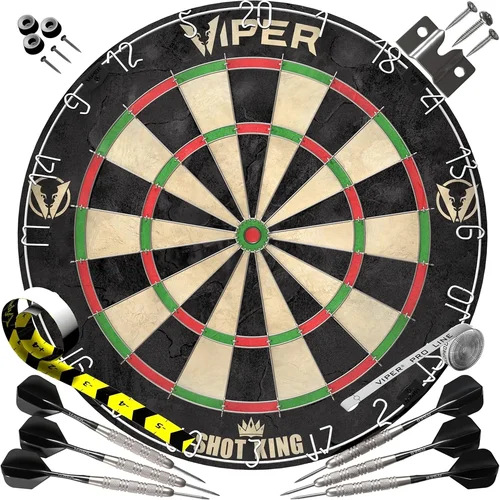
Darts is more than just a pub game—it’s a precision sport, a social ritual, and for many, a lifelong passion. Whether you’re setting up your first home dartboard or upgrading from a worn-out model, choosing the right standard dartboard can dramatically impact your experience. A quality board not only enhances gameplay but also extends the life of your darts and reduces frustration from bounce-outs or sisal degradation. Yet, with so many options on the market—ranging from budget-friendly beginner boards to tournament-grade professional models—it’s easy to feel overwhelmed.
This comprehensive guide is designed to cut through the noise and help you make an informed decision. We’ll walk you through every critical factor to consider, from material composition and wiring systems to brand reputation and warranty coverage. You’ll learn how to match your board to your skill level, playing environment, and long-term goals. Whether you’re a casual weekend player, a competitive league participant, or someone looking to build a backyard entertainment zone, this guide equips you with expert knowledge to select the ideal standard dartboard for 2026 and beyond.
The dartboard market has evolved significantly in recent years. Traditional bristle boards made from compressed sisal fiber remain the gold standard for serious players, but innovations in wiring technology, self-healing materials, and even hybrid designs have expanded the choices available. Meanwhile, electronic dartboards continue to appeal to families and beginners with their automated scoring and safety features. However, when it comes to authentic play, consistency, and durability, nothing quite matches a well-crafted standard bristle dartboard. In this guide, we focus exclusively on traditional steel-tip dartboards—the kind used in professional tournaments and serious home setups—because they represent the core of the sport and offer the most value for dedicated players.

What to Look for When Buying Buying Guide
1. Board Material & Sisal Quality
The foundation of any great dartboard is its playing surface. Standard dartboards are almost exclusively made from sisal fiber—a natural, durable material derived from the agave plant. High-quality sisal is tightly compressed under immense pressure to create a dense, uniform surface that allows darts to stick cleanly while minimizing bounce-outs. Look for boards labeled as “100% sisal” or “compressed sisal fiber.” Avoid boards made from low-density fillers like cork, rubber, or synthetic blends, which degrade quickly and cause inconsistent dart retention.
Premium boards often specify the origin of their sisal—such as African or East African sisal—which tends to be finer and more resilient than lower-grade alternatives. The tighter the weave and the darker the color (indicating higher fiber density), the better the board will perform over time. A top-tier board will show minimal pitting after hundreds of throws and maintain its structural integrity for years.
2. Wiring System & Spider Design
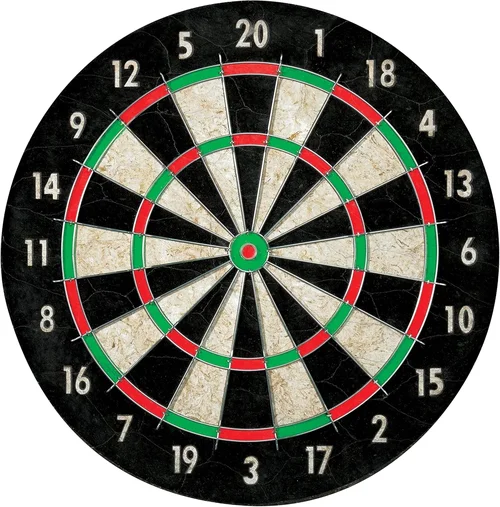
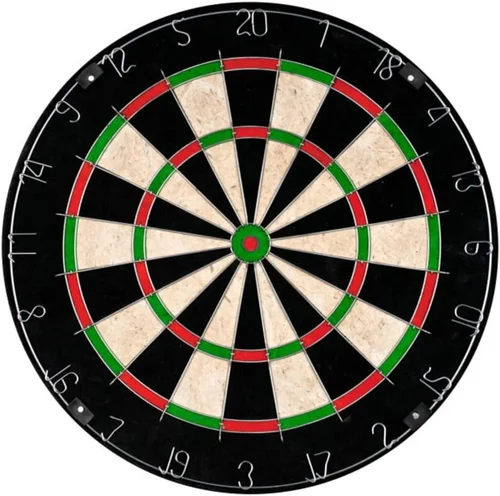
The wiring—or “spider”—that separates the scoring segments plays a crucial role in gameplay accuracy and board longevity. There are three main types: traditional round wire, diamond wire, and blade (or “no-wire”) systems. Round wire is common on entry-level boards but tends to cause more bounce-outs and wears down faster. Diamond wire, shaped like a diamond cross-section, offers better durability and reduced deflection. The most advanced option is the blade or “triple-wire” system, where thin, recessed wires lie flush with the surface, virtually eliminating bounce-outs and maximizing scoring potential.
Look for boards with hand-rotatable numbering plates, which allow you to rotate the numbers periodically to distribute wear evenly across the board. This simple feature can double the lifespan of your investment. Additionally, ensure the wires are securely embedded into the sisal rather than just glued on top—this prevents lifting and peeling over time.
3. Build Quality & Durability
A dartboard’s durability hinges not just on materials but also on construction methods. High-end boards undergo multiple compression cycles and are often hand-inspected for consistency. Check for features like reinforced edges, moisture-resistant backing, and anti-glare finishes. A well-built board should feel solid and heavy—typically weighing between 8–12 pounds—and resist warping even in humid environments.
Pay attention to how the sisal is mounted. Some manufacturers use a single-piece fiber disc, while others layer multiple compressed sheets. Single-piece construction generally offers superior density and longevity. Also, inspect the bullseye area: a properly constructed board will have a clearly defined double and triple ring without gaps or misalignments that could affect scoring.
4. Performance Specifications
Performance isn’t just about sticking darts—it’s about consistency, accuracy, and fairness. Tournament-standard boards must meet specific dimensional requirements set by organizations like the World Darts Federation (WDF). The official diameter is 17.75 inches (451 mm), with precisely measured segment angles and ring widths. Deviations can throw off your aim and make practice less effective.
Another key spec is the depth of the board. Most quality boards are around 1.5 inches thick, providing enough material for darts to embed securely without bottoming out. Thinner boards may cause darts to ricochet or fail to stick, especially with heavier steel-tip darts. Always verify that the board meets WDF or BDO (British Darts Organisation) standards if you plan to use it for competitive practice.
5. Brand Reputation & Heritage
Not all dartboard brands are created equal. Established names like Winmau, Unicorn, and Viper have decades of experience crafting boards used in professional tournaments worldwide. These companies invest heavily in R&D, quality control, and player feedback to refine their products. Buying from a reputable brand often means better consistency, reliable customer support, and access to replacement parts or accessories.
That said, newer brands like Blade by Shot Darts have disrupted the market with innovative blade-wire technology and aggressive pricing. While they may lack the legacy of Unicorn or Winmau, they’ve earned strong reviews from competitive players. Research recent user feedback and look for brands that offer transparent information about sourcing, manufacturing, and testing processes.
6. Warranty & Support
A solid warranty is a strong indicator of a manufacturer’s confidence in their product. Most premium dartboards come with a 1–2 year warranty against defects in materials or workmanship. Some brands, like Winmau, offer extended warranties or pro-rated replacements for tournament-level models. Read the fine print: does the warranty cover normal wear and tear, or only manufacturing flaws? Is registration required?
Customer support matters too. If your board arrives damaged or develops an issue, you want a responsive team that can help quickly. Check online forums and review sites to see how brands handle complaints. A brand with a reputation for excellent service can save you headaches down the line.
7. Size & Mounting Compatibility
While standard dartboards are uniformly 17.75 inches in diameter, mounting requirements vary. Most boards come with a built-in bracket or keyhole hanger, but you’ll need a sturdy wall or a dedicated dartboard cabinet. Ensure your mounting surface can support at least 15 pounds and is located at the official throwing distance: 7 feet 9.25 inches from the face of the board to the oche (throw line).
If space is limited, consider a foldable or retractable mounting system. For outdoor or garage use, look for boards with weather-resistant coatings or UV protection. Portability isn’t usually a concern for permanent installations, but if you plan to move the board frequently, lighter models with carrying handles may be worth considering.
8. User Reviews & Real-World Testing
Spec sheets and marketing claims only tell part of the story. Real user experiences reveal how a board performs under actual playing conditions. Look for detailed reviews from players at your skill level—beginners may prioritize ease of use and low bounce-outs, while advanced players care more about precision and longevity.
Pay attention to recurring themes in reviews: do multiple users report premature sisal breakdown? Are bounce-outs a common complaint? How does the board hold up after six months of daily use? Sites like Reddit’s r/darts, specialized forums, and YouTube unboxing videos offer unfiltered insights that specs alone can’t provide.
Different Types of Buying Guide

Common Buying Mistakes to Avoid
❌ Mistake: Choosing Based Solely on Price
Why it’s bad: The cheapest dartboard often costs more in the long run. Low-quality sisal frays quickly, wires lift, and bounce-outs frustrate players, leading to premature replacement. You might save $40 upfront but end up buying a new board within a year.
What to do instead: View your dartboard as a long-term investment. Spending $120 on a mid-range board that lasts 5+ years is smarter than buying three $40 boards over the same period. Prioritize value over absolute lowest cost.
❌ Mistake: Ignoring Wiring Technology
Why it’s bad: Round-wire boards are notorious for causing darts to deflect off the wires instead of sticking in the intended segment. This not only skews scoring but also damages the surrounding sisal over time.
What to do instead: Opt for diamond-wire or blade-wire systems whenever possible. Even mid-tier boards now offer these advancements. If budget is tight, look for refurbished or last-year models with better wiring at a discount.
❌ Mistake: Overlooking Mounting Requirements
Why it’s bad: A poorly mounted board can wobble, tilt, or even fall, creating safety hazards and inconsistent throws. Many buyers assume any wall will do, but drywall alone often can’t support repeated impact.
What to do instead: Use a proper dartboard backboard or mount directly into wall studs. Consider a surround cabinet to protect walls and contain stray darts. Measure your space carefully—including ceiling height if using a cabinet with a lid.
❌ Mistake: Buying Without Checking Tournament Standards
Why it’s bad: If you’re practicing for competition, using a non-standard board can develop bad habits. Incorrect segment sizing or ring placement throws off muscle memory and reduces practice effectiveness.
What to do instead: Verify that the board meets WDF or BDO specifications. Look for certification logos or explicit mentions in the product description. When in doubt, consult official governing body guidelines.
❌ Mistake: Neglecting Rotation & Maintenance
Why it’s bad: Failing to rotate the number ring leads to uneven wear, with high-scoring segments (like 20, 1, and 18) deteriorating faster. This creates soft spots and reduces board life.
What to do instead: Rotate your board 90 degrees every 2–4 weeks. Most quality boards have removable number plates for this purpose. Also, avoid spraying water or cleaners directly on the surface—use a dry cloth to remove dust.
❌ Mistake: Confusing “Sisal-Look” with Real Sisal
Why it’s bad: Some budget boards use painted cork or rubber with a sisal-like texture. These materials don’t compress well, cause excessive bounce-outs, and degrade within months.
What to do instead: Always check the product details for “100% compressed sisal fiber.” If it says “sisal-effect” or “fiberboard,” it’s likely a imitation. Real sisal has a slightly rough, fibrous texture and a natural beige-to-brown hue.
❌ Mistake: Skipping User Reviews
Why it’s bad: Marketing photos and specs don’t reveal real-world performance issues like warping in humidity, loose wiring, or poor packaging that leads to damage during shipping.
What to do instead: Spend 10 minutes reading recent reviews from verified purchasers. Focus on comments about longevity, bounce-out frequency, and customer service experiences. Video reviews are especially helpful for seeing the board in action.
Budget Guidelines: How Much Should You Spend?
Entry-Level ($30–$60): This tier is ideal for absolute beginners, children, or occasional players who want to try darts without a big commitment. Expect basic round-wire construction, lower-density sisal, and minimal durability. Boards in this range may last 3–6 months with regular use. Brands like Franklin Sports or basic Viper models fit here. While functional, they’re not suitable for serious practice.
Mid-Range ($80–$150): This is the sweet spot for most home players. You’ll find diamond-wire or improved round-wire systems, higher-quality sisal, and better overall construction. Boards like the Winmau Navigator 3 or Unicorn Eclipse Pro offer excellent value, lasting 2–4 years with proper care. Many include rotatable number plates and come from reputable brands with solid warranties.
Premium ($160–$250): Designed for competitive players and frequent users, these boards feature tournament-certified dimensions, blade-wire technology, and premium African sisal. Models such as the Winmau Blade 6 or Unicorn Sigma Octagon offer near-professional performance with minimal bounce-outs and exceptional longevity—often 5+ years. Ideal for league play or dedicated home setups.
Luxury ($250+): At this level, you’re paying for cutting-edge innovation, handcrafted precision, and brand prestige. Limited-edition boards, custom finishes, or pro-signature models fall here. While performance gains over premium boards are marginal, the craftsmanship and exclusivity appeal to collectors and elite players. Only necessary if you demand the absolute best or use the board professionally.
Expert Tips for Getting the Best Deal
1. Buy During Off-Season Sales: Dartboard demand peaks in fall and winter (holiday season, indoor leagues). Shop in late spring or summer for discounts. Major retailers like Amazon, Dick’s Sporting Goods, and specialty dart shops often run clearance sales in May–July.
2. Consider Refurbished or Open-Box Models: Many manufacturers sell certified refurbished boards at 20–30% off. These are inspected, repaired if needed, and come with full warranties. Check official brand stores or authorized resellers.
3. Bundle with Accessories: Some retailers offer package deals—board + cabinet + darts + lighting—for less than buying individually. Compare total costs; sometimes the bundle saves $50 or more.
4. Join Dart Communities for Alerts: Online forums and Facebook groups often share exclusive promo codes or flash sales. Members sometimes sell gently used pro boards at steep discounts.
5. Read Return Policies Carefully: Ensure the seller accepts returns if the board arrives damaged or doesn’t meet expectations. Some online stores charge restocking fees or require original packaging.
6. Test Before Committing (If Possible): Visit local bars, clubs, or sporting goods stores that have demo boards. Try different wiring types and feels. Your preference for bounce-out sensitivity or surface texture is personal—hands-on testing helps.
7. Prioritize Warranty Over Flashy Features: A 2-year warranty from a trusted brand is more valuable than RGB lighting or decorative edges. Focus on core performance specs first.
8. Buy Direct from Manufacturers: Brands like Winmau and Unicorn often have better pricing, exclusive colors, or early access to new models on their websites versus third-party sellers.

Frequently Asked Questions
Q: Can I use soft-tip darts on a standard bristle board?
A: Technically yes, but it’s not recommended. Soft-tip darts are lighter and designed for electronic boards. Using them on sisal can cause them to bounce out or fail to stick properly. For best results, use steel-tip darts (18–26 grams) on standard boards.
Q: How often should I rotate my dartboard?
A: Rotate the number ring 90 degrees every 2–4 weeks, or whenever you notice visible wear in high-target areas (usually the 20, 1, and 18 segments). This ensures even wear and extends board life significantly.
Q: What’s the difference between African and Chinese sisal?
A: African sisal (especially from Kenya or Tanzania) is finer, denser, and more durable than Chinese sisal, which can be coarser and less consistent. Premium boards almost always use African sisal for superior performance and longevity.
Q: Do I need a backboard behind my dartboard?
A: Highly recommended. A backboard protects your wall from stray darts, reduces noise, and prevents damage to drywall or plaster. Even a simple foam or cork panel makes a big difference in safety and aesthetics.
Q: Can humidity affect my dartboard?
A: Yes. High humidity can cause sisal to swell slightly, while very dry conditions may make it brittle. Store your board in a climate-controlled room (ideally 40–60% humidity). Avoid garages or basements with extreme temperature swings.
Q: Are electronic dartboards better for beginners?
A: They’re easier to start with due to automatic scoring and safety features, but they don’t offer the same tactile feedback or precision as bristle boards. If your goal is to play competitively, start with a standard board early.
Q: How do I clean my dartboard?
A: Use a soft, dry cloth to wipe away dust. Never use water, alcohol, or cleaning sprays—they can damage the sisal and wiring. For stubborn marks, lightly rub with a clean eraser.
Q: What’s the ideal dart weight for a standard board?
A: Most players use darts between 18–26 grams. Heavier darts (24g+) penetrate deeper and are less prone to bounce-outs, but require more strength. Lighter darts (18–20g) offer better control for finesse players. Experiment to find your preference.
Q: Can I hang a dartboard on drywall without studs?
A: It’s risky. Use heavy-duty drywall anchors rated for at least 20 pounds, but mounting into studs is always safer. For frequent or hard throwing, stud mounting is non-negotiable.
Q: Do professional players use the same boards at home?
A: Absolutely. Most pros use tournament-certified boards like the Winmau Blade 6 or Unicorn Eclipse HD at home to maintain consistency between practice and competition.
Our Final Recommendations
Best for Budget-Conscious Buyers: Viper Shot King ($55–$70) – Offers surprising quality for the price with diamond-wire construction and decent sisal. Great for casual players who want reliability without breaking the bank.
Best Overall Value: Winmau Navigator 3 ($110–$130) – Combines tournament-grade sisal, rotatable numbering, and excellent wiring at a mid-range price. Perfect balance of performance and affordability.
Best Premium Option: Winmau Blade 6 Dual Core ($220–$250) – Features innovative dual-density sisal, ultra-thin blade wires, and WDF certification. The gold standard for serious players and leagues.
Best for Beginners: Unicorn Eclipse Pro ($90–$110) – User-friendly with low bounce-outs, clear numbering, and durable construction. Includes a mounting bracket and beginner tips.
Best for Advanced Users: Blade by Shot Darts 6-Ring ($190–$220) – Cutting-edge 6-ring blade technology minimizes deflections to near zero. Favored by competitive players for its precision and self-healing surface.
Conclusion: Making the Right Choice
Choosing the right standard dartboard isn’t just about picking the shiniest model or the cheapest option—it’s about aligning your purchase with your playing style, environment, and long-term goals. A well-selected board becomes a trusted training partner, a centerpiece of social gatherings, and a tool for mastering one of the world’s most precise sports. By focusing on sisal quality, wiring technology, build integrity, and real-user feedback, you avoid common pitfalls and invest wisely.
Remember, the best dartboard is the one you’ll use consistently. Don’t let flashy marketing distract you from core performance features. Prioritize durability, accuracy, and compatibility with your skill level. And don’t forget the supporting cast: proper mounting, protective backing, and quality darts complete the setup.
Whether you’re stepping up to the oche for the first time or refining your technique for tournament play, the right board makes all the difference. Use this guide as your roadmap, trust your instincts, and enjoy the journey. Happy throwing!

