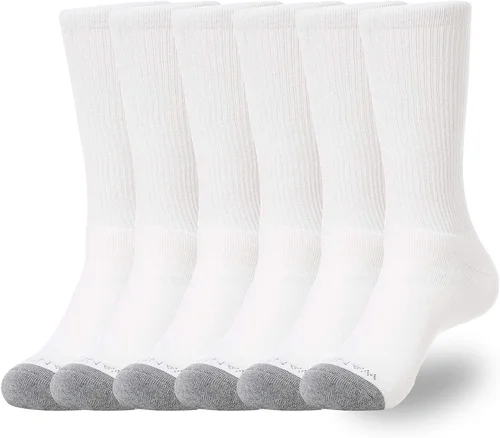
If you’ve ever finished a long hike, run, or workout with blisters, hot spots, or damp, soggy feet, you already know how much your socks matter. While most people focus on shoes, the truth is that socks are the unsung heroes of foot comfort and performance. And among the most innovative solutions to common foot problems—especially friction and moisture—twin skin socks have emerged as a game-changer.
Twin skin socks, also known as double-layer socks, feature two distinct layers: an inner layer that stays in place against your skin and an outer layer that moves with your shoe. This dual-layer design drastically reduces friction between your foot and footwear, minimizing the risk of blisters and hot spots. Originally developed for athletes and outdoor enthusiasts, twin skin socks are now gaining traction among everyday wearers, travelers, healthcare workers, and even office professionals who spend long hours on their feet. With advancements in fabric technology, fit engineering, and moisture management, the market for twin skin socks has expanded significantly in recent years—offering more options than ever before.
This comprehensive buying guide is designed to help you cut through the noise and make an informed decision. Whether you’re a seasoned trail runner, a weekend warrior, or someone simply looking to protect your feet during daily activities, you’ll learn exactly what to look for when choosing twin skin socks. We’ll cover everything from material composition and fit to durability, price ranges, and real-world performance. By the end of this guide, you’ll have the knowledge and confidence to select the best twin skin socks for your specific needs—no guesswork required.

What to Look for When Buying Twin Skin Socks
1. Material Composition & Fabric Technology
The fabric used in twin skin socks plays a critical role in comfort, breathability, moisture-wicking, and durability. Unlike traditional single-layer socks, twin skin models rely on a carefully engineered combination of materials to maximize performance across both layers.
The inner layer—the one that sits directly against your skin—should be made from soft, non-abrasive fibers that minimize irritation. Common choices include merino wool, synthetic blends (like Coolmax or polyester), or a hybrid of both. Merino wool is particularly prized for its natural temperature regulation, odor resistance, and softness, making it ideal for long-duration wear. Synthetic fabrics, on the other hand, excel at wicking moisture away from the skin quickly, which helps keep feet dry during intense activity.
The outer layer needs to be more durable and abrasion-resistant, as it’s constantly moving against the inside of your shoe. Look for reinforced materials such as nylon or high-denier polyester, often blended with elastane or spandex for stretch and recovery. Some premium models incorporate antimicrobial treatments or silver-ion infusions to combat odor-causing bacteria—a major plus for multi-day adventures or extended wear.
Avoid cotton at all costs. While it may feel soft initially, cotton retains moisture, loses its insulating properties when wet, and increases friction—exactly what twin skin socks are designed to prevent. Even small percentages of cotton in a blend can compromise performance.
2. Fit & Sizing Precision
Fit is arguably the most important factor in twin skin sock performance. Even the best materials won’t help if the sock doesn’t stay in place or creates pressure points. Because twin skin socks rely on the inner layer staying stationary while the outer layer slides, improper sizing can cause bunching, slipping, or excessive tension—leading to discomfort or even blisters.
Most reputable brands offer detailed sizing charts based on shoe size and foot measurements. Some go further by offering gender-specific fits (men’s, women’s, unisex) or even anatomical left/right designs. Look for socks with targeted compression zones—light compression around the arch and ankle helps anchor the sock without restricting circulation.
Avoid “one-size-fits-all” claims unless they’re clearly backed by adjustable features like stretch panels or graduated sizing. A well-fitted twin skin sock should feel snug but not tight, with no wrinkles or loose fabric. The heel pocket should align perfectly with your heel, and the toe seam should sit flat without rubbing.
3. Moisture Management & Breathability
One of the core benefits of twin skin socks is superior moisture control. The dual-layer system creates a microclimate between your skin and the outer sock, allowing sweat to be wicked away efficiently while reducing direct contact with damp fabric.
Look for socks with advanced moisture-wicking technologies. Fabrics like Coolmax, Dri-FIT, or proprietary blends from brands like Smartwool or Injinji are engineered to pull perspiration away from the skin and disperse it across the outer layer for faster evaporation. Ventilation zones—mesh panels or perforated areas—are also common in high-performance models, especially around the instep and top of the foot.
Breathability is closely tied to fabric weight and knit density. Lightweight socks (often labeled “ultralight” or “no-show”) are great for warm weather or high-intensity activities, while midweight or heavyweight options provide extra cushioning and insulation for colder conditions or rugged terrain.
Consider your activity level and climate. If you’re hiking in humid environments, prioritize maximum breathability. For winter sports or cold-weather running, opt for merino wool blends that retain warmth even when damp.
4. Cushioning & Padding Levels
Cushioning in twin skin socks varies widely depending on intended use. Some models are nearly seamless and ultra-thin, designed for minimal bulk and maximum sensitivity—ideal for trail running or cycling. Others feature targeted padding in high-impact zones like the heel, ball of the foot, and toe box, offering protection during long hikes or heavy-duty work.
The key is matching cushioning to your activity:
– Minimal cushioning: Best for running, cycling, or activities requiring precise foot feedback.
– Moderate cushioning: Ideal for hiking, gym workouts, or daily walking.
– Heavy cushioning: Suited for backpacking, mountaineering, or jobs requiring prolonged standing on hard surfaces.
Note that cushioning affects overall sock thickness, which can impact shoe fit. Always ensure your footwear has enough room to accommodate the added bulk—especially if you’re switching from thin dress socks to heavily padded twin skin models.
5. Seam Construction & Comfort Details
Seams might seem like a minor detail, but in twin skin socks, they can make or break your experience. Poorly placed or bulky seams can create friction points, defeating the purpose of the double-layer design.
Top-tier twin skin socks use seamless toe closures or flatlock stitching to eliminate ridges. The seam should lie flat against the skin, with no raised edges. Some brands employ “anatomical” or “contoured” toe boxes that reduce fabric overlap and prevent bunching.
Pay attention to the cuff height and elasticity. A well-designed cuff should stay up without digging into your calf. Look for silicone grippers or elastic bands that provide secure hold without constriction. Low-cut (no-show) styles are popular for athletic shoes, while crew-length or over-the-calf options offer more coverage and support for boots or cold weather.
6. Durability & Longevity
Twin skin socks are an investment, so you want them to last. Durability depends on several factors: fabric strength, stitch quality, reinforcement in high-wear areas, and overall construction.
Check for reinforced heels and toes—these areas endure the most abrasion. Nylon or polyester reinforcements significantly extend sock life. Also, examine the knit density: tighter weaves generally last longer but may sacrifice some breathability.
Washing and care instructions matter too. Many twin skin socks are machine washable, but avoid fabric softeners and high heat, which can degrade elastic fibers and reduce moisture-wicking performance. Air-drying is always recommended.
Brand reputation can be a good indicator of durability. Companies with a history in outdoor or athletic gear—like Balega, Feetures, or Darn Tough—often prioritize long-term wear in their designs.
7. Brand Reputation & Customer Support
Not all twin skin sock brands are created equal. Established names in the performance sock market have refined their designs through years of user feedback and field testing. They’re more likely to offer consistent quality, accurate sizing, and responsive customer service.
Research brands that specialize in athletic or outdoor socks rather than general apparel companies. Read verified customer reviews on multiple platforms (Amazon, REI, brand websites) to gauge real-world performance. Pay attention to comments about fit consistency, durability after washing, and blister prevention.
Customer support is another differentiator. Look for brands that offer hassle-free returns, size exchanges, or even lifetime guarantees (like Darn Tough’s famous “unconditional lifetime warranty”). This level of confidence in their product often translates to higher manufacturing standards.
8. Price vs. Value Proposition
Twin skin socks typically cost more than standard single-layer socks—often ranging from $15 to $30 per pair. While it’s tempting to go for the cheapest option, remember that you’re paying for advanced engineering, premium materials, and specialized construction.
Evaluate the value proposition, not just the price tag. A $25 sock that lasts two years and prevents blisters during every hike offers better long-term value than a $10 pair that wears out in three months. Consider how often you’ll use them and what you’re trying to avoid (e.g., medical costs from foot injuries, missed workouts due to discomfort).
That said, you don’t need to spend a fortune to get quality. Many mid-range options deliver excellent performance without luxury branding markups. Focus on features that align with your needs rather than chasing the highest price point.
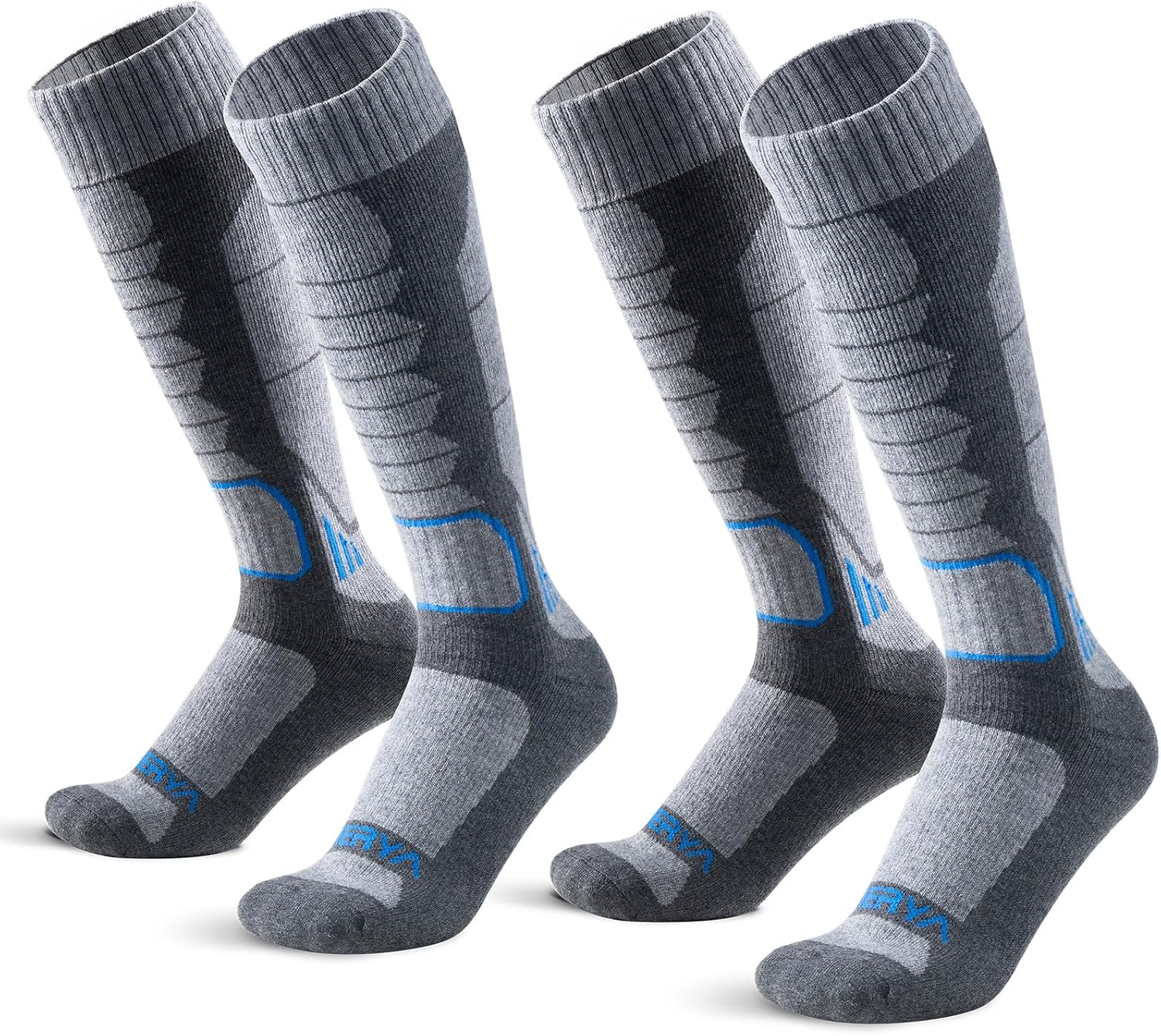
Different Types of Twin Skin Socks
Common Buying Mistakes to Avoid
❌ Mistake: Ignoring Sizing Charts
Why it’s bad: Twin skin socks rely on precise fit to function correctly. Choosing the wrong size leads to slippage, bunching, or excessive tension—undoing the very benefit of the double-layer system.
What to do instead: Always consult the brand’s sizing guide and measure your foot if necessary. When in doubt, size down slightly for a snugger fit (but not tight), as the inner layer should stay anchored to your skin.
❌ Mistake: Prioritizing Price Over Performance
Why it’s bad: Cheap twin skin socks often use inferior materials, poor stitching, or misleading marketing. You may end up with a single-layer sock marketed as “twin skin” or one that falls apart after a few washes.
What to do instead: Focus on value, not just cost. Invest in reputable brands with proven track records. A slightly higher upfront cost pays off in comfort, durability, and blister prevention.
❌ Mistake: Overlooking Activity-Specific Needs
Why it’s bad: Using ultralight running socks for heavy backpacking—or vice versa—can lead to discomfort, inadequate cushioning, or premature wear.
What to do instead: Match the sock type to your primary activity. Consider cushioning, fabric weight, and durability based on how and where you’ll wear them most.
❌ Mistake: Assuming All Twin Skin Socks Are Equal
Why it’s bad: The term “twin skin” is sometimes used loosely. Some brands offer only partial double-layering or use thin, non-functional inner liners.
What to do instead: Read product descriptions carefully. Look for clear mentions of “dual-layer construction,” “anti-friction system,” or “inner/outer sock design.” Check customer photos and reviews for evidence of true twin skin functionality.
❌ Mistake: Neglecting Care Instructions
Why it’s bad: Improper washing (e.g., using fabric softener or high heat) can degrade elastic fibers, reduce moisture-wicking ability, and shorten sock lifespan.
What to do instead: Follow care labels precisely. Wash in cold water, avoid bleach and softeners, and air-dry whenever possible. This preserves performance and extends usability.
❌ Mistake: Buying Without Testing
Why it’s bad: Even well-reviewed socks may not suit your unique foot shape or gait. Buying blindly increases the risk of disappointment or returns.
What to do instead: Purchase from retailers with flexible return policies. Test socks during short walks or workouts before committing to long-term use.
Budget Guidelines: How Much Should You Spend?
– Entry-Level ($12–$18): These socks offer basic twin skin functionality but may use lower-grade materials or simplified construction. Ideal for occasional use or testing the concept. Expect moderate durability and limited cushioning options. Brands like Thorlo or basic Feetures models fall here.
– Mid-Range ($19–$26): This is the sweet spot for most buyers. You’ll find high-quality fabrics (merino blends, Coolmax), reinforced heels/toes, and thoughtful design details. Excellent balance of performance, comfort, and value. Popular models from Balega, Smartwool, and Injinji dominate this tier.
– Premium ($27–$35): Designed for serious athletes and outdoor professionals. Features include advanced moisture management, anatomical shaping, targeted compression, and extended warranties. Often made with proprietary fabrics and undergo rigorous field testing. Darn Tough, X-Socks, and some Smartwool Pro lines fit here.
– Luxury ($36+): Top-tier craftsmanship with exotic materials (e.g., organic merino, recycled synthetics), custom-fit options, or limited-edition designs. While performance gains over premium socks are marginal, these cater to enthusiasts who value sustainability, exclusivity, or brand prestige.
Expert Tips for Getting the Best Deal
– Shop During Seasonal Sales: Look for discounts in late winter (post-holiday clearance) or early fall (new seasonal releases). Outdoor retailers like REI, Moosejaw, and Backcountry often run promotions.
– Buy Multi-Packs: Many brands offer value packs (3–6 pairs) at a reduced per-pair cost. Great for building a rotation or gifting.
– Check Brand Outlets & Overstock Sites: Websites like Sierra Trading Post, Steep & Cheap, or brand-specific outlet stores carry previous-season models at significant discounts—often with full functionality.
– Sign Up for Newsletters: Brands frequently offer 10–15% off first purchases or exclusive member deals. Worth it for future savings.
– Read Return Policies Carefully: Ensure you can return or exchange if the fit isn’t right. Some retailers only accept unworn items with tags—plan accordingly.
– Test Before Committing: If possible, try a single pair first. Once you confirm the fit and performance, stock up during sales.
– Consider Lifetime Warranties: Brands like Darn Tough offer free replacements for any reason. Over time, this can save money and reduce waste.
– Watch for Bundle Deals: Some retailers pair socks with complementary products (e.g., insoles, gaiters) at a discount. Useful if you need those items anyway.

Frequently Asked Questions
Q: Do twin skin socks really prevent blisters?
A: Yes—when properly fitted and made with quality materials. The dual-layer design eliminates friction between your skin and shoe by allowing the outer sock to move independently. Studies and user reports consistently show significant blister reduction, especially during prolonged activity.
Q: Can I wear twin skin socks with any shoes?
A: Generally yes, but ensure your shoes have enough room. Twin skin socks are slightly thicker than standard socks, so tight-fitting footwear may cause discomfort or restrict circulation. Try them on with your intended shoes before long-term use.
Q: Are twin skin socks hot in summer?
A: Not necessarily. Many models use breathable, moisture-wicking fabrics and mesh ventilation zones. Ultralight and no-show versions are especially cool. Merino wool blends also regulate temperature well in warm weather.
Q: How do I wash twin skin socks?
A: Machine wash in cold water on a gentle cycle. Avoid fabric softeners, bleach, and high heat. Air-dry flat or hang to preserve elasticity and performance. Most brands provide specific care instructions on the label.
Q: Can I wear twin skin socks every day?
A: Absolutely. Many people use them for daily walking, standing jobs, or travel. Just choose a style with appropriate cushioning and breathability for your routine.
Q: Do twin skin socks work for people with sensitive skin?
A: Yes, especially those made with merino wool or soft synthetic blends. The inner layer minimizes direct contact with abrasive shoe materials, reducing irritation. Seamless designs further enhance comfort.
Q: Are twin skin socks worth the extra cost?
A: For anyone prone to blisters, foot fatigue, or moisture issues, they are a worthwhile investment. The comfort, performance, and potential health benefits (e.g., avoiding infections from broken skin) often justify the price.
Q: How long do twin skin socks typically last?
A: With proper care, quality pairs last 1–3 years depending on usage frequency and activity intensity. Reinforced models used for hiking or work may last longer than ultralight running versions.
Q: Can I repair torn twin skin socks?
A: Minor holes in the outer layer can sometimes be darned or patched, but the dual-layer construction makes full repairs difficult. For significant damage, replacement is usually recommended to maintain performance.
Q: Are there eco-friendly twin skin sock options?
A: Yes. Several brands now use recycled polyester, organic merino wool, or sustainable dyes. Look for certifications like Bluesign, GOTS, or B Corp status to verify environmental claims.
Our Final Recommendations
– Best for Budget-Conscious Buyers: Feetures Elite Max Cushion No-Show Tab – Offers true twin skin construction, targeted arch support, and durable nylon blend at a competitive price (~$22). Great for gym-goers and casual runners.
– Best Overall Value: Smartwool PhD Outdoor Light Crew – Combines merino wool comfort with smart dual-layer design. Excellent moisture control, temperature regulation, and a lifetime warranty. Ideal for hikers and everyday wear (~$26).
– Best Premium Option: Darn Tough Vertex Micro Crew – Unmatched durability, seamless toe closure, and unconditional lifetime guarantee. Perfect for thru-hikers, backpackers, and anyone demanding reliability (~$30).
– Best for Beginners: Balega Hidden Comfort Double Layer – Easy to find in stores, true no-show fit, and reliable blister protection. A great entry point for those new to twin skin socks (~$24).
– Best for Advanced Users: Injinji Run Midweight Crew – Features individual toe sleeves within a twin skin system for ultimate friction control. Ideal for ultra-runners or those with chronic toe blisters (~$28).
Conclusion: Making the Right Choice
Choosing the right twin skin socks isn’t just about avoiding blisters—it’s about enhancing your overall foot health, comfort, and performance. From material science to precise fit engineering, every detail matters. By understanding the key factors—fabric composition, sizing, moisture management, cushioning, and brand reliability—you can navigate the growing market with confidence.
Remember, the best sock for someone else may not be the best for you. Consider your activities, foot shape, climate, and personal preferences. Don’t rush the decision: take advantage of return policies, read real user reviews, and test before committing to a large purchase.
Investing in quality twin skin socks is an investment in your mobility and well-being. Whether you’re conquering mountain trails, logging miles at the gym, or simply staying comfortable at work, the right pair can make all the difference. So lace up, step out, and let your feet thank you.