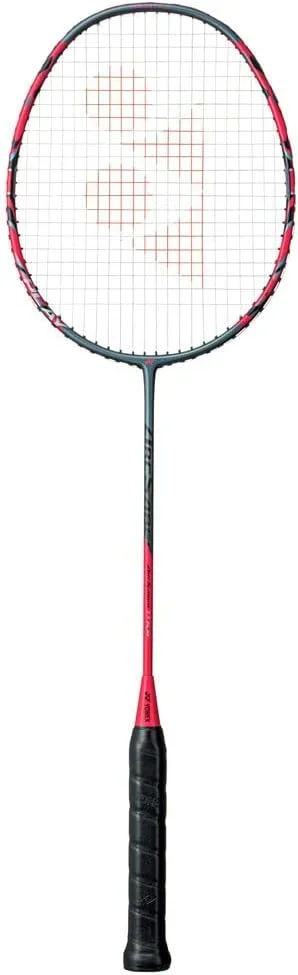
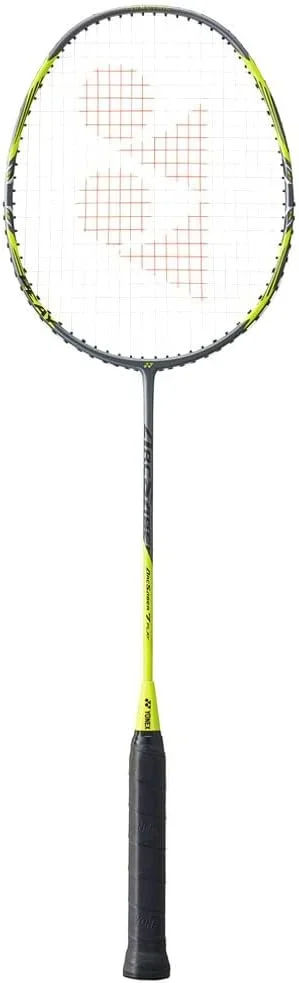
Badminton is more than just a backyard game—it’s a fast-paced, precision-driven sport that demands the right equipment to truly shine. Whether you’re a weekend warrior or training for competitive play, your racket can make or break your performance on the court. Among the vast array of options available today, the Yonex Arcsaber 6 stands out as a legendary model that has earned its reputation through years of consistent excellence. First introduced in the mid-2000s and still highly sought after in 2026, this racket continues to attract players who value control, balance, and reliability.
This comprehensive buying guide is designed to help you make an informed decision about whether the Yonex Arcsaber 6 is the right choice for your game—and if so, how to get the best version at the best price. We’ll walk you through every critical factor to consider, from performance specs and build quality to budget considerations and common pitfalls. You’ll also find expert tips, real-world comparisons, and answers to frequently asked questions, all tailored to give you confidence in your purchase. By the end, you won’t just know what the Arcsaber 6 is—you’ll understand exactly how it fits (or doesn’t fit) into your playing style and goals.
The badminton racket market in 2026 is more crowded than ever, with brands like Li-Ning, Victor, and Carlton pushing innovation in materials, aerodynamics, and string technology. Yet amid this evolution, classic models like the Arcsaber 6 remain relevant because they strike a rare balance between tradition and performance. Unlike ultra-light speed rackets or power-focused head-heavy designs, the Arcsaber 6 offers a neutral, all-around profile that appeals to intermediate to advanced players seeking consistency over flash. This guide will help you cut through the noise and focus on what truly matters when evaluating this iconic racket.

What to Look for When Buying Buying Guide
1. Budget & Price Range
The Yonex Arcsaber 6 is no longer in active production by Yonex, which means it’s primarily available through the secondhand market, resellers, or remaining new-old-stock inventory. As such, pricing can vary widely—from as low as $60 for used models in fair condition to over $150 for brand-new, sealed units. Understanding your budget is crucial because it directly affects your options in terms of condition, authenticity, and included accessories (like covers or strings).
For most buyers, spending between $80 and $120 will yield a high-quality, gently used or new Arcsaber 6 from a reputable seller. Going below $60 often means compromising on string condition, grip integrity, or even risking counterfeit products. Conversely, paying over $140 may not offer proportional value unless you’re a collector or need a pristine racket for competitive use. Always factor in potential restringing costs ($15–$25) if the racket comes unstrung or with worn strings.
2. Performance Specifications
The Arcsaber 6 is renowned for its even balance point (approximately 285–290mm from the base), moderate flex shaft, and isometric head shape. These specs translate to a versatile playing experience: it offers solid power without sacrificing control, making it ideal for all-court players who rely on placement, deception, and tactical shot selection rather than brute force. The medium-flex shaft provides enough whip for clears and smashes while maintaining stability during defensive blocks and net exchanges.
String tension compatibility typically ranges from 20–28 lbs, with optimal performance around 24–26 lbs for most players. The isometric head increases the sweet spot by up to 7% compared to traditional oval heads, enhancing forgiveness on off-center hits—a major advantage for intermediate players still refining their technique. If you prioritize a balanced feel that supports both attack and defense, the Arcsaber 6’s spec sheet aligns perfectly with those needs.
3. Build Quality & Durability
Constructed with Yonex’s proprietary Carbon Nanofiber and H.M. Graphite, the Arcsaber 6 delivers excellent stiffness-to-weight ratio and long-term resilience. Unlike cheaper rackets that use aluminum or low-grade composites, this frame resists warping and maintains structural integrity even after months of regular play. The grommet system is robust, reducing string wear, and the original grip (usually Yonex’s PU replacement grip) holds up well unless heavily used.
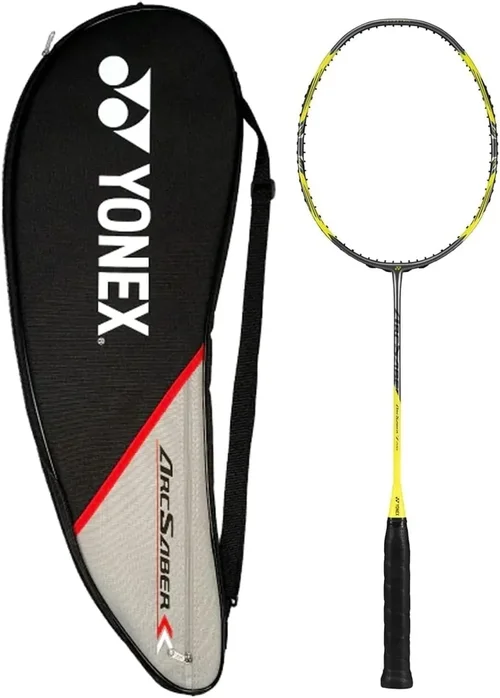
However, because many available units are several years old, inspect for signs of fatigue: cracks near the throat, loose grommets, or frayed strings. A well-maintained Arcsaber 6 can last 2–3 years with weekly play, but avoid rackets showing visible stress marks or previous repairs. Authentic models will have crisp Yonex branding, a serial number on the grip end, and consistent weight distribution—counterfeits often feel unbalanced or use inferior materials.
4. Features & Functionality
One standout feature of the Arcsaber 6 is its “CS Carbon Nanotube” technology, which enhances frame durability and energy transfer without adding weight. Combined with the isometric head and built-in T-joint, this creates a stable platform that minimizes torque on impact—critical for reducing arm fatigue during long matches. The racket also includes a standard 4 3/8″ grip size (G4), suitable for most adult hands, though players with larger grips may want to add an overgrip.
While it lacks modern innovations like sonic boom frames or tungsten-loaded handles found in newer models, the Arcsaber 6’s simplicity is part of its appeal. It doesn’t overwhelm with gimmicks; instead, it focuses on core performance elements that matter most: feel, balance, and responsiveness. For players who dislike overly stiff or hyper-responsive rackets, this functional design offers a reassuring, predictable response across all shot types.
5. Brand Reputation
Yonex has been a dominant force in badminton since the 1960s, sponsoring legends like Lin Dan, Lee Chong Wei, and Carolina Marín. The Arcsaber series—especially the Arcsaber 6 and its successor, the Arcsaber 7—has been a staple in professional and amateur circles alike. This legacy translates into trust: when you buy an Arcsaber 6, you’re investing in a design philosophy validated by decades of elite play.
That said, Yonex’s discontinuation of the model means newer alternatives (like the Arcsaber 11 or Nanoflare series) receive more marketing support and technological updates. Still, the Arcsaber 6 remains a benchmark for balanced rackets, often used as a reference point when comparing other models. Its enduring popularity speaks volumes about its reliability and timeless engineering.
6. Warranty & Support
Since the Arcsaber 6 is discontinued, official Yonex warranty coverage is unlikely unless purchased as new-old-stock from an authorized dealer within the last few years. Most secondhand purchases come “as-is,” with no manufacturer support. This makes seller reputation critical—opt for platforms like eBay (with buyer protection), specialized badminton retailers, or local clubs where you can inspect the racket before buying.
If you do find a new unit with warranty, expect standard Yonex coverage: typically 1 year against manufacturing defects, excluding normal wear and string breakage. Always ask for proof of purchase and verify authenticity via Yonex’s official verification tools (if available). For used rackets, prioritize sellers who offer return windows (7–14 days) so you can test the racket’s feel and condition firsthand.
7. User Reviews & Ratings
Across forums like BadmintonCentral, Reddit’s r/badminton, and e-commerce sites, the Arcsaber 6 consistently earns praise for its versatility and smooth feel. Players describe it as “the Goldilocks racket”—not too head-heavy, not too light, just right for controlled aggression. Common compliments include excellent net play, reliable defense, and comfortable handling for players with moderate swing speeds.
Criticisms are minor but worth noting: some advanced players find it lacks the explosive power of head-heavy rackets like the Yonex Voltric Z-Force, while beginners may initially struggle with its moderate flex if they’re used to stiffer, more forgiving frames. Overall, user sentiment remains strongly positive, with many calling it a “forever racket” due to its timeless design.
8. Authenticity & Counterfeit Risk
With high demand and limited supply, counterfeit Arcsaber 6 rackets are prevalent—especially on unverified online marketplaces. Fake versions often use cheaper graphite, incorrect decals, or mismatched weight/balance points. To avoid scams, always check for: crisp Yonex logos (not pixelated), a serial number stamped on the handle, consistent paint finish, and proper weight (around 85–89g unstrung for 3U models).
Buying from authorized Yonex dealers (even for old stock) or trusted resellers significantly reduces risk. If purchasing used, request close-up photos of the head, shaft, and grip end. Authentic Arcsaber 6 rackets have a distinct “Yonex Red” accent and smooth, matte finish—not glossy or plasticky. When in doubt, consult community forums for verification help.
Different Types of Buying Guide

Common Buying Mistakes to Avoid
❌ Mistake: Ignoring Racket Condition in Used Purchases
Why it’s bad: A cracked frame or worn grommets can lead to sudden breakage mid-match, risking injury and wasted money. Even minor damage affects performance and safety.
What to do instead: Always request detailed photos and ask about usage history. If possible, test the racket or buy from sellers with return policies.
❌ Mistake: Overpaying for “Rare” or “Limited Edition” Claims
Why it’s bad: The Arcsaber 6 was mass-produced and isn’t truly rare. Sellers may inflate prices using misleading labels.
What to do instead: Research recent sold listings on eBay or BadmintonMarket to gauge fair market value. Stick to your budget.
❌ Mistake: Choosing Based Solely on Pro Player Endorsements
Why it’s bad: Professionals use custom-modified rackets. The stock Arcsaber 6 may not match their setup, leading to disappointment.
What to do instead: Focus on how the racket’s specs align with your skill level and playing style, not who used it.
❌ Mistake: Neglecting String Type and Tension
Why it’s bad: A great racket performs poorly with low-quality or incorrect strings. Many used Arcsaber 6s come with worn or mismatched strings.
What to do instead: Factor in restringing costs and choose strings that complement the racket’s flex (e.g., Yonex BG66 Ultimax for control).
❌ Mistake: Buying Without Testing Grip Size
Why it’s bad: An ill-fitting grip causes discomfort, blisters, and reduced control. The standard G4 may be too small for some.
What to do instead: Try holding the racket (or a similar model) before buying. Add an overgrip if needed for better feel.
❌ Mistake: Falling for Fake “Yonex” Logos and Packaging
Why it’s bad: Counterfeits break easily and offer no real performance benefit. You’re essentially buying a toy.
What to do instead: Verify authenticity through multiple cues: serial number, weight, balance, and seller reputation.
❌ Mistake: Assuming All Arcsaber 6s Are Identical
Why it’s bad: There are subtle variations (e.g., 3U vs 4U weight classes, different string patterns). Using the wrong variant affects feel.
What to do instead: Confirm the exact model (e.g., “Arcsaber 6 3U”) and specs before purchasing.
Budget Guidelines: How Much Should You Spend?
– Entry-Level ($40–$70): Best for absolute beginners or backup rackets. Expect visible wear, possibly worn strings, and minor cosmetic flaws. Only buy if you can inspect thoroughly or have a return option. Avoid if you play more than once a week.
– Mid-Range ($80–$120): The sweet spot for most buyers. You’ll find gently used or new-old-stock rackets in excellent condition, often with recent restrings. Ideal for intermediate players seeking reliable performance without overspending.
– Premium ($120–$160): Reserved for collectors or players who demand pristine condition. These are typically sealed NOS units with original packaging. Only worth it if you value mint condition or plan to resell later.
– Luxury ($160+): Rarely justified for the Arcsaber 6. At this price, consider upgrading to a newer Yonex model (e.g., Arcsaber 11) with modern tech and active support.
Expert Tips for Getting the Best Deal
– Buy during off-peak seasons: Demand drops in August–September after summer tournaments. Sellers lower prices to clear inventory.
– Prioritize authorized resellers: Stores like Badminton Warehouse, MW Sports, or local Yonex dealers often carry NOS stock with partial warranties.
– Inspect before you buy: If purchasing locally, ask to hold the racket. Check balance by resting it on your finger—it should feel even, not nose- or handle-heavy.
– Bundle with strings: Some sellers offer package deals with quality strings (e.g., BG80 or Nanogy 95). This saves $15–$25 vs. buying separately.
– Use buyer protection: Always pay via PayPal Goods & Services or credit card for dispute resolution if the racket is misrepresented.
– Join badminton communities: Facebook groups or Reddit threads often have members selling well-maintained rackets at fair prices.
– Consider weight class: The 3U (85–89g) offers more power; 4U (80–84g) is lighter and faster. Choose based on your strength and style.
– Don’t rush: The Arcsaber 6 isn’t going anywhere. Wait for a deal that matches your budget and condition requirements.

Frequently Asked Questions
Q: Is the Yonex Arcsaber 6 still worth buying in 2026?
A: Absolutely—if you value balance, control, and timeless design. While newer rackets offer advanced materials, the Arcsaber 6’s even balance and moderate flex remain unmatched for all-around play. It’s especially great for intermediate players transitioning to advanced techniques.
Q: What’s the difference between Arcsaber 6 and Arcsaber 7?
A: The Arcsaber 7 is slightly stiffer and more head-light, offering quicker swings and better defense. The Arcsaber 6 feels softer and more forgiving, with a touch more power on clears. Choose the 6 if you prefer a smoother, more controlled feel.
Q: Can I use the Arcsaber 6 for doubles?
A: Yes! Its balanced profile makes it excellent for quick net exchanges and mid-court drives. While not as fast as dedicated speed rackets, it provides enough responsiveness for competitive doubles when paired with good footwork.
Q: What string tension should I use?
A: Start with 24–26 lbs. Lower tension (20–22) adds power but reduces control; higher tension (27–28) offers precision but requires stronger technique. Adjust based on your swing speed and preference.
Q: How do I tell if my Arcsaber 6 is authentic?
A: Check for a crisp serial number on the grip end, consistent weight (~87g for 3U), and quality materials. Fake versions often feel flimsy, have blurry logos, or incorrect balance points. Compare with official specs on Yonex’s archive site.
Q: Should I restring a used Arcsaber 6 immediately?
A: Yes, unless the seller confirms recent restringing with quality strings. Old strings lose tension and elasticity, hurting performance and increasing injury risk.
Q: Is the Arcsaber 6 good for beginners?
A: It’s better suited for late beginners or intermediates. True beginners may find its moderate flex less forgiving than stiffer, head-heavy rackets. However, it’s a great “step-up” racket as skills improve.
Q: Where can I buy a genuine Arcsaber 6 in 2026?
A: Try Badminton Warehouse, MW Sports, eBay (filter by “Top Rated Plus” sellers), or local badminton clubs. Avoid unknown Amazon third-party sellers unless reviews confirm authenticity.
Q: What grip size does it come with?
A: Standard G4 (4 3/8″). Add an overgrip if you prefer a thicker handle or more cushioning.
Q: Can I still get it restrung professionally?
A: Yes—most pro shops can restring any Yonex racket. Just specify your preferred string and tension. The Arcsaber 6’s grommet system supports all major string types.
Our Final Recommendations
– Best for Budget-Conscious Buyers: Gently used Arcsaber 6 (3U) from a trusted reseller ($80–$100). Look for recent restrings and minimal wear.
– Best Overall Value: New-old-stock Arcsaber 6 with original packaging ($110–$130). Offers peace of mind and full performance potential.
– Best Premium Option: Sealed NOS unit from an authorized dealer ($140–$160). Ideal for collectors or players who want mint condition.
– Best for Beginners: While not ideal for true beginners, it’s excellent for those with 6–12 months of experience looking to upgrade from entry-level rackets.
– Best for Advanced Users: Advanced players who prioritize control and consistency over raw power will appreciate its balanced feel and reliable response.
Conclusion: Making the Right Choice
The Yonex Arcsaber 6 isn’t just a racket—it’s a testament to enduring design excellence. In a market flooded with flashy innovations and short-lived trends, it remains a steady, dependable choice for players who value feel, balance, and versatility. Whether you’re refining your net game, building consistency in clears, or simply seeking a racket that won’t let you down during crucial points, the Arcsaber 6 delivers.
As you weigh your options, remember that the best racket is the one that matches your skill level, playing style, and budget—not the one with the most endorsements or the latest tech. Take the time to inspect condition, verify authenticity, and consider total cost (including strings). And if the Arcsaber 6 aligns with your needs, don’t hesitate: this classic still has plenty of life left on the court.
Ready to elevate your game? Start your search with confidence, armed with the knowledge from this guide. Your perfect rally awaits.