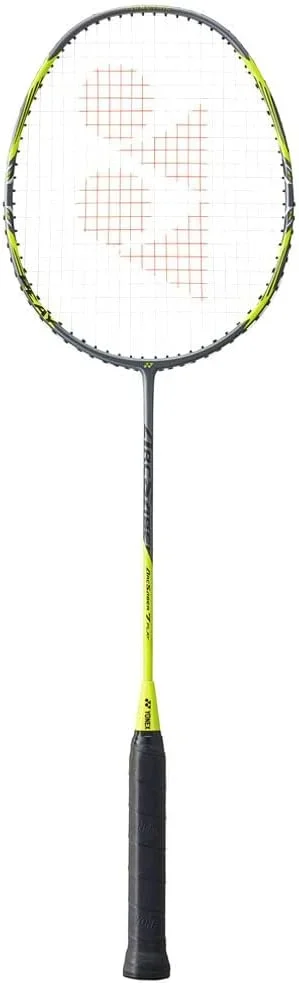
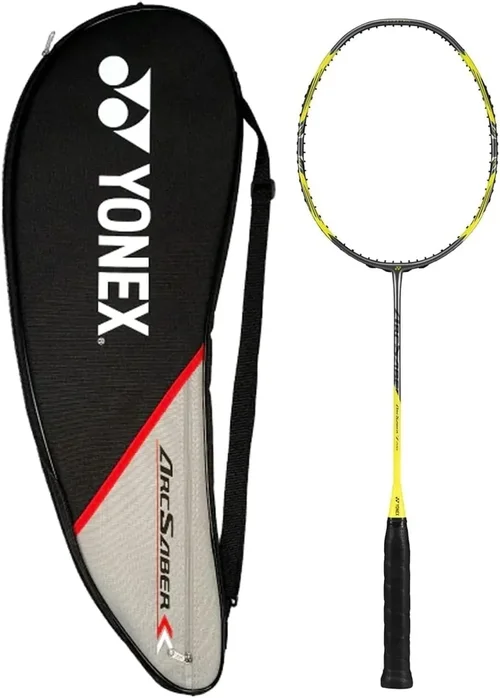
The Yonex Arcsaber 7 has long held a revered position in the world of badminton rackets—not just as a piece of equipment, but as a symbol of precision engineering, balanced performance, and tournament-proven reliability. Whether you’re a seasoned club player refining your net game or an intermediate enthusiast looking to upgrade from entry-level gear, choosing the right racket can dramatically influence your on-court experience. With countless options flooding the market—from flashy budget models to ultra-lightweight carbon fiber marvels—it’s easy to feel overwhelmed. That’s exactly why this comprehensive buying guide exists: to cut through the noise, decode technical jargon, and help you make a confident, informed decision.
In this guide, we’ll dive deep into every aspect of the Yonex Arcsaber 7, from its unique frame technology and stringing system to how it stacks up against competitors like the Nanoflare or Astrox series. You’ll learn not only what makes the Arcsaber 7 special but also whether it’s the right fit for your playing style, skill level, and budget. We’ll cover key decision-making factors, common pitfalls to avoid, real-world performance insights, and expert-backed tips to ensure you get the best value—whether you’re shopping online or in-store. By the end, you’ll have everything you need to determine if the Arcsaber 7 belongs in your kit bag.
The badminton racket market today is more competitive than ever. Brands like Li-Ning, Victor, and Carlton are pushing innovation hard, but Yonex remains a dominant force—especially in the mid-to-high-end segment where balance, control, and durability matter most. The Arcsaber 7, first launched in the late 2000s and still widely used (and occasionally reissued), continues to attract players who value consistency over raw power. It’s not the flashiest racket on the shelf, but its reputation for reliability and all-around performance has kept it relevant through multiple generations of players. This guide will help you understand why—and whether that legacy translates into value for your game.

What to Look for When Buying a Yonex Arcsaber 7
1. Budget & Price Range
When considering the Yonex Arcsaber 7, your budget is one of the most immediate deciding factors. While it’s no longer a brand-new flagship model, the Arcsaber 7 typically falls into the mid-range category, with prices ranging from $120 to $180 USD depending on condition (new vs. used), retailer markup, and regional availability. In some markets, especially Asia, you might find it slightly cheaper due to higher local demand and distribution efficiency. However, be cautious of deals that seem too good to be true—counterfeit Yonex rackets are rampant, and the Arcsaber 7 is a frequent target due to its popularity.
Why does price matter beyond just affordability? Because it directly correlates with authenticity, warranty coverage, and long-term value. A genuine Arcsaber 7 purchased new from an authorized dealer comes with Yonex’s standard warranty (usually 1–2 years), which protects against manufacturing defects like frame cracks or grommet failure. Buying used or from unauthorized sellers may save you $30–$50 upfront, but you lose warranty protection and risk ending up with a damaged or fake racket. For intermediate to advanced players investing in their game, spending the extra to ensure authenticity is almost always worth it.
2. Performance Specifications
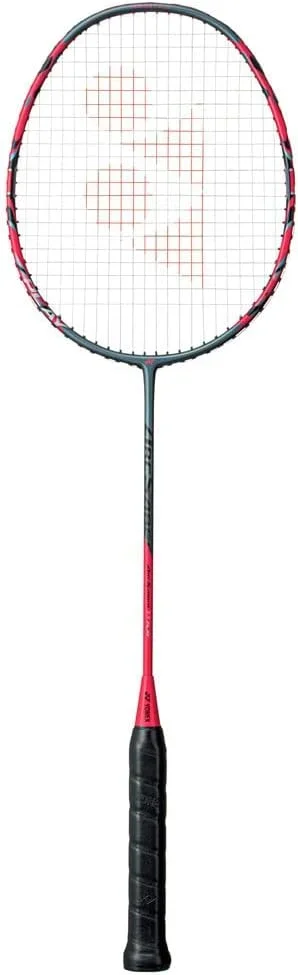
The Arcsaber 7 isn’t designed for one-dimensional play—it’s built for versatility. Its performance specs reflect a balanced approach: medium flex shaft, even balance (slightly head-light), and a stiff frame that prioritizes control and accuracy over brute power. The racket’s weight typically ranges from 85–89 grams (3U) or 80–84 grams (4U), making it suitable for players who value maneuverability without sacrificing stability during defensive rallies.
One of the standout features is the CS Carbon Nanotube technology embedded in the frame. This material enhances torsional rigidity, meaning the racket resists twisting on off-center hits—a common issue that leads to inconsistent shots and arm fatigue. Combined with the Isometric Head Shape (a slightly squarer head than traditional oval designs), the Arcsaber 7 offers a larger sweet spot, improving forgiveness on mis-hits. This makes it particularly appealing to players transitioning from beginner rackets who want more consistency without jumping into an overly stiff or head-heavy model.
Another key spec is the string tension range: 20–28 lbs. This wide window allows customization based on preference—lower tensions (20–24 lbs) provide more power and comfort, while higher tensions (25–28 lbs) deliver sharper control and better feel for net play. Advanced players often string it at 26+ lbs to maximize precision, especially in doubles where quick exchanges at the net are critical.
3. Build Quality & Durability
Yonex is known for meticulous craftsmanship, and the Arcsaber 7 is no exception. The frame is constructed using high-modulus graphite infused with CS Carbon Nanotubes, resulting in a lightweight yet resilient structure. Unlike cheaper rackets that may develop cracks near the throat or grommet holes after a few months of intense play, the Arcsaber 7 holds up remarkably well under regular use. Many players report using theirs for 2–3 years before considering a replacement—provided they restring regularly and avoid slamming the frame against walls or floors.
The grommet system is another durability highlight. Yonex uses reinforced grommets that reduce string wear and prevent premature breakage, a common frustration with lower-end rackets. Additionally, the grip (usually supplied with Yonex’s standard PU overgrip) is sweat-resistant and provides excellent tackiness, though many players opt to replace it with premium overgrips like Yonex Super Grap or Wilson Pro Overgrip for enhanced comfort and moisture management.
It’s worth noting that while the Arcsaber 7 is durable, it’s not indestructible. Like any graphite racket, it can crack if subjected to extreme impact (e.g., dropping it on concrete or colliding with another racket mid-swing). Proper care—storing it in a padded case, avoiding extreme temperatures, and restringing every 2–3 months—will significantly extend its lifespan.
4. Features & Functionality
What truly sets the Arcsaber 7 apart isn’t just raw materials—it’s how those materials are engineered to enhance specific aspects of play. The Aero-Box Frame design reduces air resistance during swings, allowing for faster racket head speed. This is especially beneficial for players who rely on quick transitions from defense to attack, such as those who frequently lift and counter-drive.
The Built-in T-Joint reinforces the connection between the shaft and frame, eliminating wobble and ensuring energy transfer is direct and efficient. This contributes to the racket’s signature “clean” feel—shots feel crisp and responsive, with minimal vibration. For players sensitive to arm fatigue or prone to tennis elbow, this feature can make a noticeable difference over long matches.
Additionally, the Arcsaber 7 includes a vibration-dampening grip cap and optimized weight distribution that reduces shock transmission to the wrist and elbow. While it doesn’t have the advanced dampening systems found in newer models like the Arcsaber 11 or Astrox 99, it still offers a comfortable playing experience, especially when paired with a quality string like Yonex BG66 Ultimax or Nanogy 95.
5. Brand Reputation & Authenticity
Yonex has been a leader in badminton equipment since the 1960s, and its reputation for quality is well-earned. The Arcsaber series, in particular, has been endorsed by top players like Lee Chong Wei and Taufik Hidayat, lending it serious credibility. However, this prestige also makes it a prime target for counterfeiters. Fake Arcsaber 7 rackets are common on platforms like eBay, AliExpress, and even some local sports stores.
Signs of a fake include: misspelled logos, poor paint finish, incorrect weight or balance, missing holographic serial numbers, and unusually low prices. Always verify authenticity by purchasing from authorized dealers (check Yonex’s official website for a list) or reputable retailers like Badminton Warehouse, Decathlon, or local pro shops with verified reviews.
Buying authentic isn’t just about performance—it’s about safety. Counterfeit rackets often use substandard materials that can fail unexpectedly, potentially causing injury. Plus, you miss out on customer support, warranty claims, and the peace of mind that comes with owning a genuine product.
6. Warranty & Support
A genuine Yonex Arcsaber 7 comes with a manufacturer’s warranty, typically covering defects in materials and workmanship for 12–24 months from the date of purchase. This includes issues like frame fractures, grommet detachment, or shaft warping—but not damage from misuse, wear and tear, or string breakage.
To claim warranty service, you’ll need proof of purchase (receipt or invoice) and the racket’s serial number, usually located near the grip base. Yonex’s global service network means you can often get repairs or replacements even if you bought the racket abroad, though policies vary by region. Some retailers also offer extended warranties or trade-in programs, so it pays to ask.
7. Stringing & Customization Options
The Arcsaber 7 shines when properly strung. While it comes pre-strung with basic nylon strings (usually around 22 lbs), most players will want to restring it with multifilament or polyester strings tailored to their style. For control-oriented players, a thin, high-tension string like Yonex BG80 (0.68mm) or Ashaway ZyMax 69 Fire offers excellent feedback and durability. For those seeking more power and comfort, BG66 Ultimax or Li-Ning Power 85 are great choices.
Customization doesn’t stop at strings. You can adjust the racket’s balance by adding grip tape (to make it head-light) or lead tape at the 3/9 o’clock positions (for more stability). Some players also replace the stock grip with a thicker or thinner one to suit hand size. These tweaks allow the Arcsaber 7 to adapt to evolving skill levels and playing conditions.
8. User Reviews & Real-World Feedback
Across platforms like Badminton Central, Amazon, and Reddit, the Arcsaber 7 consistently earns praise for its balanced feel, reliability, and value retention. Intermediate players often cite it as the “sweet spot” between beginner and advanced rackets—offering enough performance to improve your game without demanding elite-level technique.
Common compliments include: “great for net kills,” “solid defense,” “comfortable on long rallies,” and “holds tension well.” Criticisms are rare but usually revolve around its lack of explosive power compared to head-heavy rackets like the Astrox 88D—or its slightly dated aesthetics compared to newer models. Still, many players keep their Arcsaber 7 as a backup or doubles specialist even after upgrading.
Different Types of Yonex Arcsaber 7 Variants
While the core Arcsaber 7 design remains consistent, there are subtle variations worth noting—especially if you’re comparing older vs. newer versions or regional releases.

Common Buying Mistakes to Avoid
❌ Mistake: Prioritizing Price Over Authenticity
Why it’s bad: Saving $50 on a fake racket might seem smart, but counterfeit Arcsaber 7s often use brittle materials that can snap during play, risking injury. They also lack proper balance and stringing compatibility, leading to poor performance and frustration.
What to do instead: Always buy from authorized dealers. If a deal seems too good, verify the seller’s reputation and check for holographic stickers, serial numbers, and proper packaging.
❌ Mistake: Ignoring Your Playing Style
Why it’s bad: The Arcsaber 7 excels in control and net play but isn’t ideal for players who rely solely on smashes. Choosing it for the wrong reason leads to dissatisfaction.
What to do instead: Assess your strengths—if you’re a defensive player, all-rounder, or doubles specialist, the Arcsaber 7 is a strong fit. If you’re a power hitter, consider the Astrox series instead.
❌ Mistake: Skipping Restringing
Why it’s bad: Pre-strung rackets use low-quality strings that lose tension quickly and offer minimal feel. Playing with them masks the racket’s true potential.
What to do instead: Budget $20–$30 for a professional restring with quality strings. It’s the single best upgrade you can make.
❌ Mistake: Overlooking Grip Size
Why it’s bad: A grip that’s too thick or thin causes discomfort, reduces control, and increases injury risk.
What to do instead: Test different sizes (G4 is standard; G5 is smaller). Add overgrip layers if needed for a snug fit.
❌ Mistake: Buying Based Solely on Pro Endorsements
Why it’s bad: Pros use customized versions with different weights, balances, and strings. What works for Lee Chong Wei may not suit your game.
What to do instead: Focus on how the racket feels in your hand during a demo or friend’s loan. Personal fit matters more than fame.
❌ Mistake: Neglecting Maintenance
Why it’s bad: Dirt, sweat, and moisture degrade grip and frame over time. A neglected racket loses performance and shortens lifespan.
What to do instead: Clean the grip regularly, store in a ventilated case, and restring every 2–3 months.
❌ Mistake: Assuming All Arcsaber Models Are Identical
Why it’s bad: The Arcsaber 7, 10, 11, and Lite have different flex, balance, and head shapes. Confusing them leads to wrong expectations.
What to do instead: Research each model’s specs. The Arcsaber 7 is balanced; the 11 is stiffer and more offensive.
Budget Guidelines: How Much Should You Spend?
– Entry-Level ($80–$110): At this price, you’re likely looking at used Arcsaber 7s or counterfeit copies. Only consider if you’re on a tight budget and can verify authenticity. Expect some wear, but usable performance if well-maintained.
– Mid-Range ($120–$160): This is the sweet spot. You’ll find genuine, new or like-new Arcsaber 7s from reputable sellers. Ideal for intermediate players wanting reliable performance without premium pricing.
– Premium ($160–$180): For tour editions, limited colorways, or rackets sold with premium stringing services. Best for advanced players or collectors who want the best version available.
– Luxury ($180+): Rarely necessary for the Arcsaber 7. At this point, you’re better off upgrading to a newer model like the Arcsaber 11 or Astrox 99, which offer modern tech and better performance.
Expert Tips for Getting the Best Deal
– Buy During Off-Season: Prices often drop in late summer or early winter when badminton activity slows. Watch for Black Friday or end-of-year sales.
– Shop at Authorized Retailers: Stores like Badminton Warehouse, Decathlon, or local pro shops often run promotions and include free stringing or grips.
– Check for Bundle Deals: Some sellers offer racket + strings + case packages at a discount. Compare total value before buying separately.
– Read Return Policies: Ensure you can return or exchange if the racket doesn’t feel right. Many online stores offer 14–30 day trial periods.
– Test Before Committing: If possible, borrow a friend’s Arcsaber 7 or visit a store with demo models. Feel matters more than specs.
– Register Immediately: Activate your warranty online to protect your investment.
– Consider Refurbished Options: Some retailers sell certified refurbished Yonex rackets at 20–30% off, with full warranty coverage.
– Join Player Forums: Communities like Badminton Central often share exclusive discount codes or flash sales.

Frequently Asked Questions
Q: Is the Yonex Arcsaber 7 still worth buying in 2026?
A: Absolutely—if you value balance, control, and durability over cutting-edge power. While newer models exist, the Arcsaber 7 remains a reliable workhorse for intermediate to advanced players, especially in doubles.
Q: What’s the difference between Arcsaber 7 and Arcsaber 11?
A: The Arcsaber 11 has a stiffer shaft, more head-heavy balance, and newer materials like Super HMG, making it better for aggressive play. The Arcsaber 7 is more flexible and even-balanced, favoring control and versatility.
Q: Can beginners use the Arcsaber 7?
A: Yes, but it’s better suited for late beginners or early intermediates. True beginners may find it less forgiving than lighter, more flexible rackets like the Nanoray 10 or Muscle Power 29.
Q: What string tension should I use?
A: Start at 24–26 lbs. Increase if you want more control; decrease for extra power. Always consult a stringer familiar with Yonex rackets.
Q: How often should I restring it?
A: Every 2–3 months for regular players (2–3 times/week). Casual players can stretch to 4–6 months.
Q: Is it good for singles?
A: It can work, but its even balance means it lacks the whip needed for explosive singles play. Consider a head-light racket like the Nanoflare 800 for singles.
Q: Where can I buy an authentic Arcsaber 7?
A: Authorized dealers include Badminton Warehouse, Decathlon, Yonex USA/UK/Asia sites, and local pro shops listed on Yonex’s official dealer locator.
Q: Does it come with a cover?
A: Most new versions include a basic Yonex racket bag or sleeve. Check product descriptions before purchasing.
Q: Can I use it for beach badminton?
A: Not recommended. Saltwater and sand damage graphite frames. Use a dedicated outdoor racket instead.
Q: What’s the ideal weight (3U vs 4U)?
A: 3U (85–89g) offers more stability; 4U (80–84g) is lighter and faster. Choose based on your strength and preference—most players go with 3U for balance.
Our Final Recommendations
– Best for Budget-Conscious Buyers: Look for a gently used Arcsaber 7 from a verified seller (e.g., eBay “Top Rated Plus” or local club sales). Ensure it has no cracks and comes with proof of authenticity.
– Best Overall Value: Purchase a new Arcsaber 7 (3U, G4 grip) from Badminton Warehouse or Decathlon during a sale. Pair it with BG66 Ultimax strings at 25 lbs for balanced performance.
– Best Premium Option: Opt for the Arcsaber 7 Tour edition if available—it features a slightly stiffer shaft and improved feel, ideal for advanced players.
– Best for Beginners: While usable, beginners may prefer the Yonex Nanoray 10 or Muscle Power 29 for easier power generation and lower cost.
– Best for Advanced Users: Advanced players seeking the Arcsaber feel should consider the Arcsaber 11 or 11 Tour for modern upgrades, but keep the Arcsaber 7 as a trusted backup for doubles.
Conclusion: Making the Right Choice
Choosing a badminton racket isn’t just about specs—it’s about finding a tool that complements your body, your style, and your aspirations on the court. The Yonex Arcsaber 7 stands out not because it’s the most powerful or the lightest, but because it delivers consistent, reliable performance across a wide range of situations. It’s the racket you reach for when the match is on the line and you need precision, not panic.
Throughout this guide, we’ve explored every facet of the Arcsaber 7—from its engineering and build quality to common pitfalls and smart buying strategies. We’ve emphasized authenticity, customization, and alignment with your playing style because these factors ultimately determine satisfaction. Whether you’re upgrading from a beginner racket or adding a second stick to your collection, the Arcsaber 7 offers enduring value that few mid-range rackets can match.
So before you click “buy,” ask yourself: What do I need most—control, comfort, consistency? If your answer leans toward balance and reliability, the Arcsaber 7 deserves a serious look. But if you crave raw power or ultra-light speed, explore other options. Remember, the best racket isn’t the most expensive or the most hyped—it’s the one that feels like an extension of your arm.
Take your time. Test when you can. Read reviews. Talk to players. And when you finally choose, do it with confidence. Your game—and your enjoyment of every rally—depends on it.